Hello. As you probably know, MS stands for Mint State, which is a prefix given to circulation or business strike coins (same thing) that grade 60 or above on the Sheldon grading scale. Proof is for proof strike coins that are made specially for collectors, and can be applied to any proof coin from grade PO-01 to PF/PR-70. Modern proofs often have a strong contrast between the devices and the fields and are easily distinguishable from circulation strike coins. Some proof coins that are circulated (impaired proofs) and have lost that appearance can still be identified as proofs from die characteristics and other diagnostics -- I personally don't know much about those, though.
'SP' stands for 'Specimen' or 'Special (strike)' depending on who you ask, although I usually see it called a specimen strike. These coins are specially made, so they aren't circulation strikes and cannot qualify for MS as long as they are correctly labeled. They often have at least some characteristics of proofs, but don't meet all of the qualifications for some reason or another. In 1964-1967, the U.S. Mint didn't strike proofs but instead struck coins with a slightly different finish and labeled then as 'Special Mint Sets.' they are commonly labeled as SMS coins. A 1794 dollar in exceptional condition was labeled as a specimen strike. I'm not sure exactly why, but I think it's mostly because of its prooflike appearance and historical significance. Some 1921 and 1921-S
Morgan dollars were made specially for a coin collector and numismatic writer named Farrand Zerbe. Based on the photos on PCGS CoinFacts, they seem to bear a resemblance to DMPL
Morgan dollars. Many pattern coins with unusual finishes or reliefs, or struck on something that isn't metal, are called specimen strikes, such as Judd-2081, a 1942
Wheat cent pattern made in high relief on a white metal planchet as an experiment during World War II.
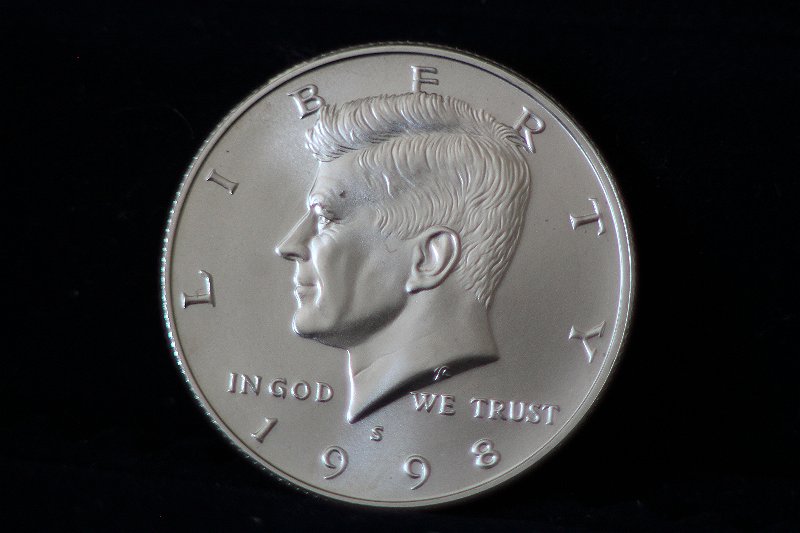
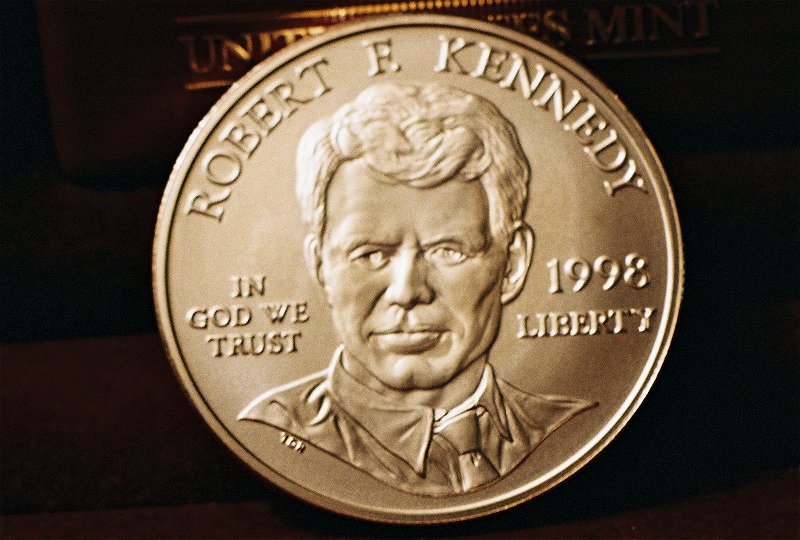
The 1998-S half dollar you are referring to could be purchased alongside an uncirculated Robert F.
Kennedy half dollar in the 1998 Kennedy Collector's Set for $59.95. It had an unusual Matte finish similar to that on proof Lincoln cents made from 1909-1916, proof
Buffalo nickels made from 1913-1916, and certain proof pre-1933 gold coins. I'm not aware of any 1998-S Circulation strike
Kennedy halves, however there were proof 1998-S
Kennedy half dollars made, in much greater quantities than the Matte finish halves. I hope this information helped. I can't guarantee that it is all correct, but I think most of it is right. Then again, I literally haven't even started high school. Anyways,

to the Coin Community Forum!









 Posted 06/05/2022 9:29 pm