











 Posted 07/21/2022 1:59 pm


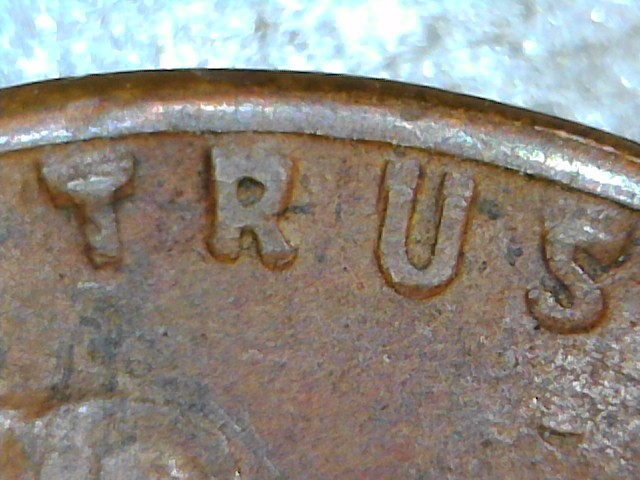
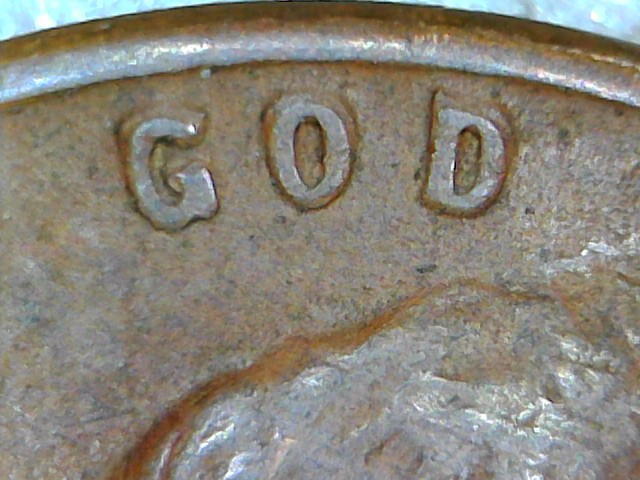
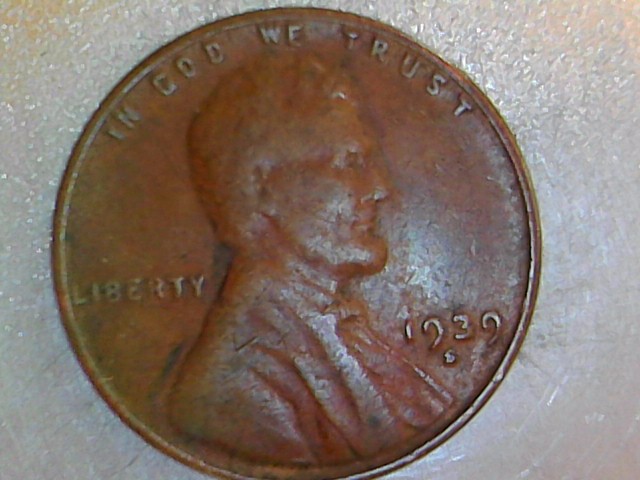
Correct. The die wear on the older dies, allowed the devices to move towards the rims as the dies start to wear. Why does this happen? The metal movement pushes the metal from the planchet during the strike to the rim direction. (the planchets are slightly smaller to allow for this to happen. They are squeezed to the diameter of the collar adding the flat or reeds to the outside edge of the coin. This all happens during the strike that quickly. Metal movement is always in the same direction, thus the dies eventually start to show wear. Thus the direction is towards the rim, thus the die wear in in the same direction. After a few hundred thousands of coins, this affects the dies. That is what are are seeing on the coin. On a double die, when does the doubled die start? On the first strike. The die was hub doubled and all the coins struck with that die will show the same hub doubling. As the die ages the hub doubling also is affected with die wear. Thus there are the different die states of doubled dies. So we have cause and affect of die wear and die doubling. Breakdown of the dies affect normal and doubled dies as well.


