| Author |
 Replies: 10 / Views: 2,869 Replies: 10 / Views: 2,869 |
|
|
New Member
United States
28 Posts |
Okay guys next up for your viewing pleasure would be a 1965 dime with missing cladding on not one but both sides of the coin.  Now for the record I did send these pictures to Heritage Auctions and the professional stated that this coin would not be worth much as this would have happened while the coin was in circulation wearing off gradually instead of being a mint error.  So my question is this. How can the cladding rub off of a coin in circulation but still have so much of the detail remaining on both sides. Especially on Roosevelt's hair and on the torch? It's not a full torch obviously but the oak and olive branches have some pretty good details as well. The lettering is worn down only in a couple of areas, most noticeably on the word STATES and not the whole coin? What are your thoughts/knowledge? 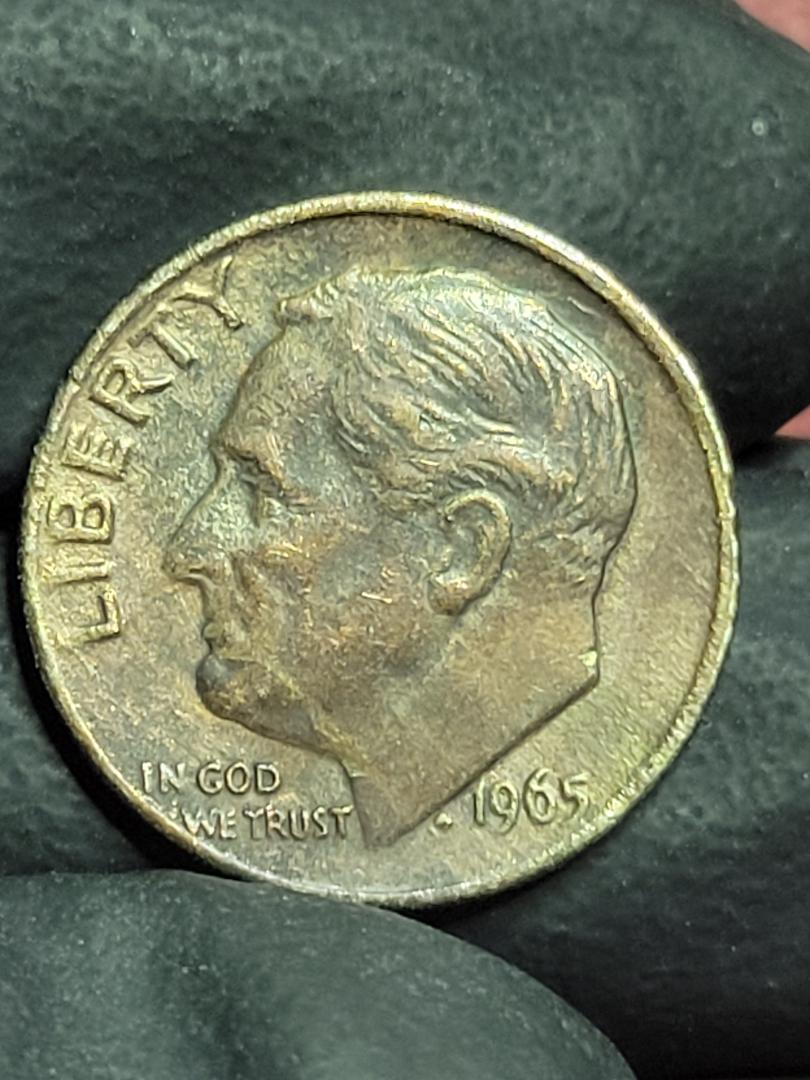 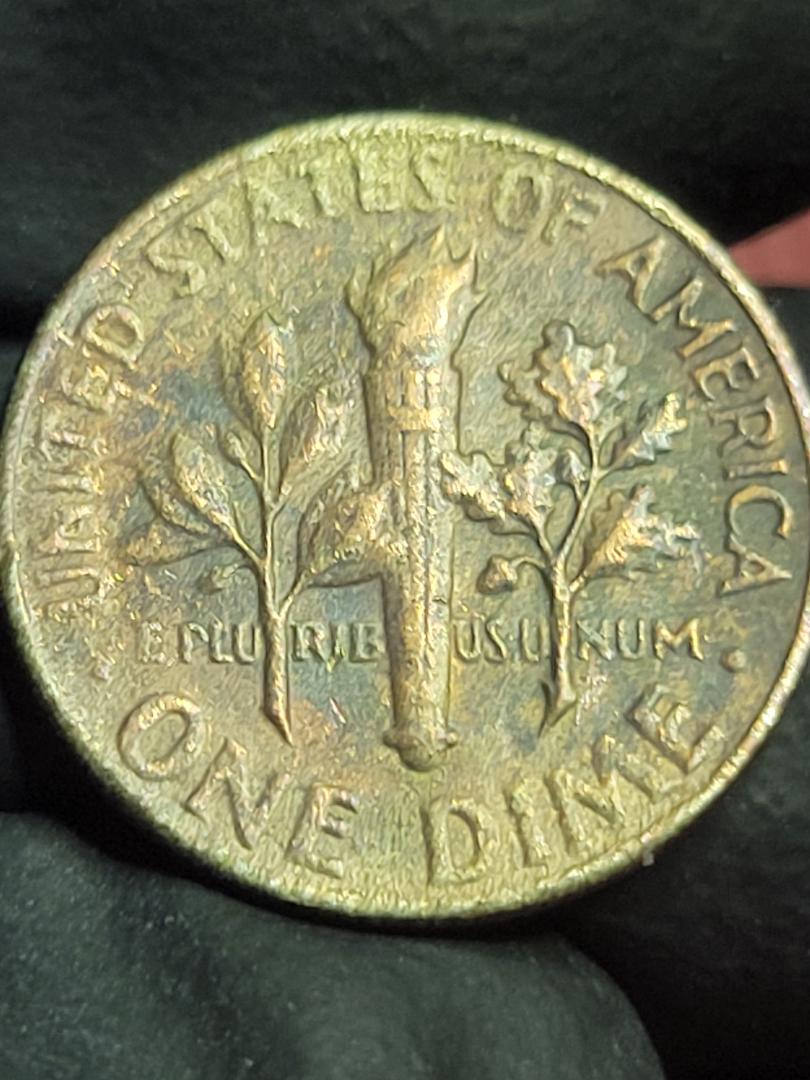 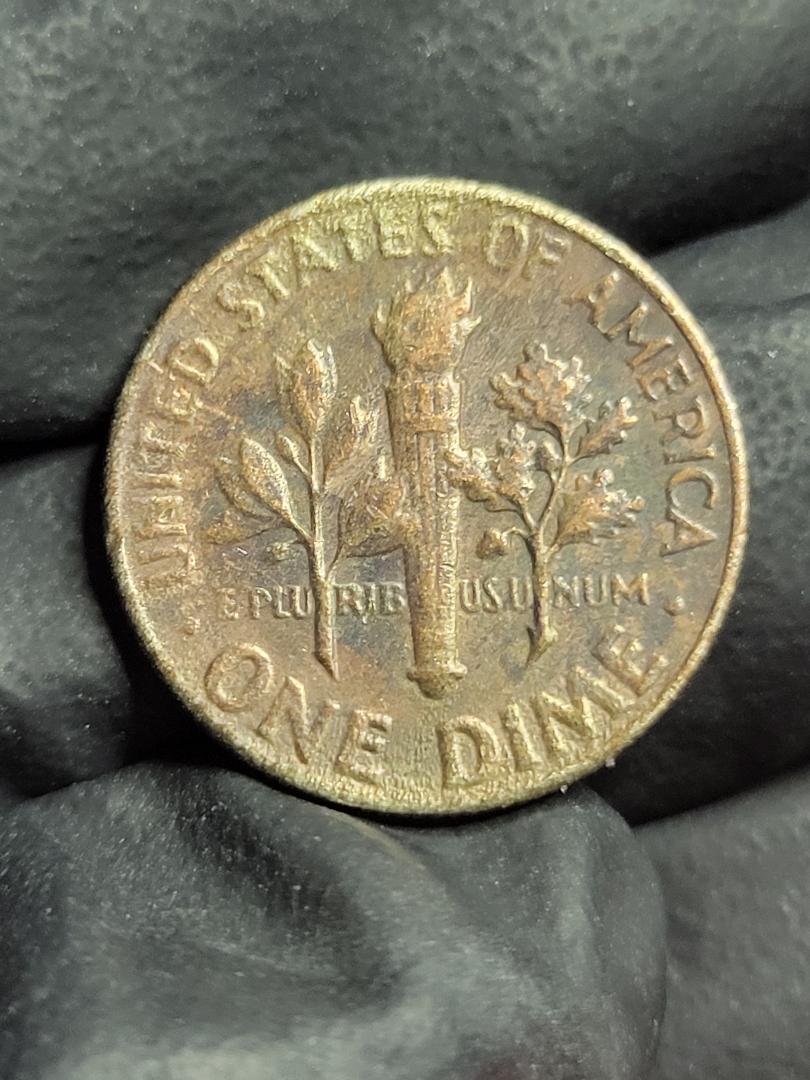 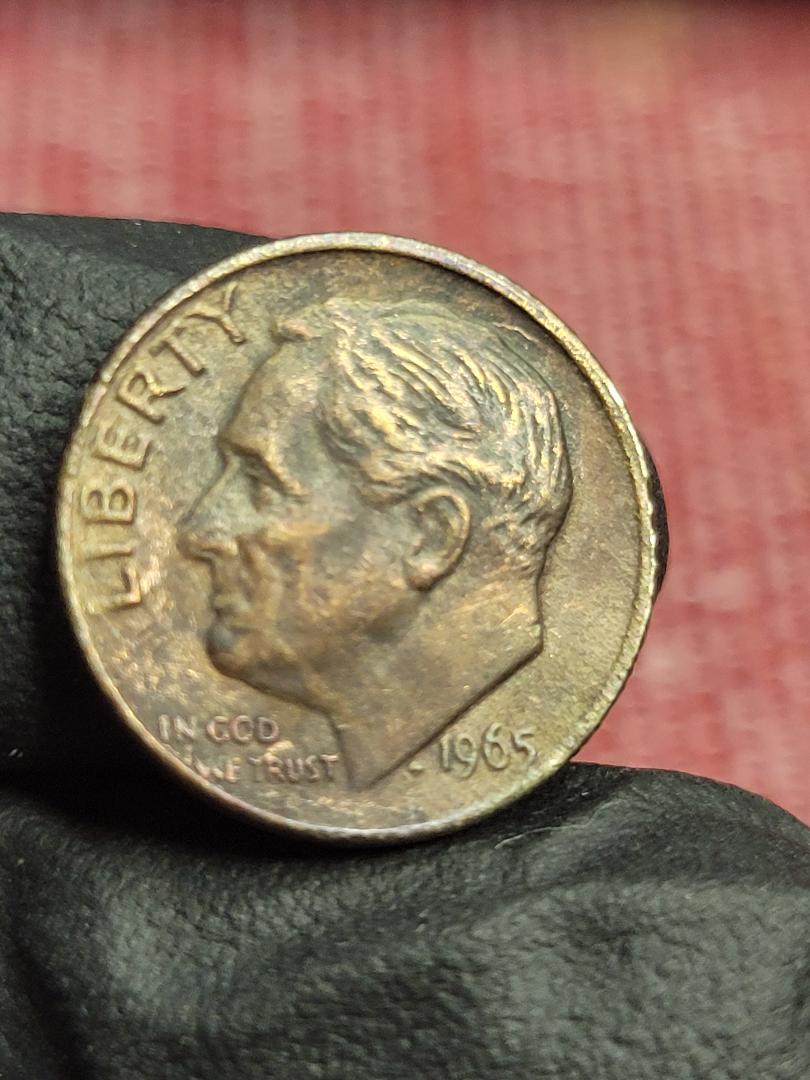 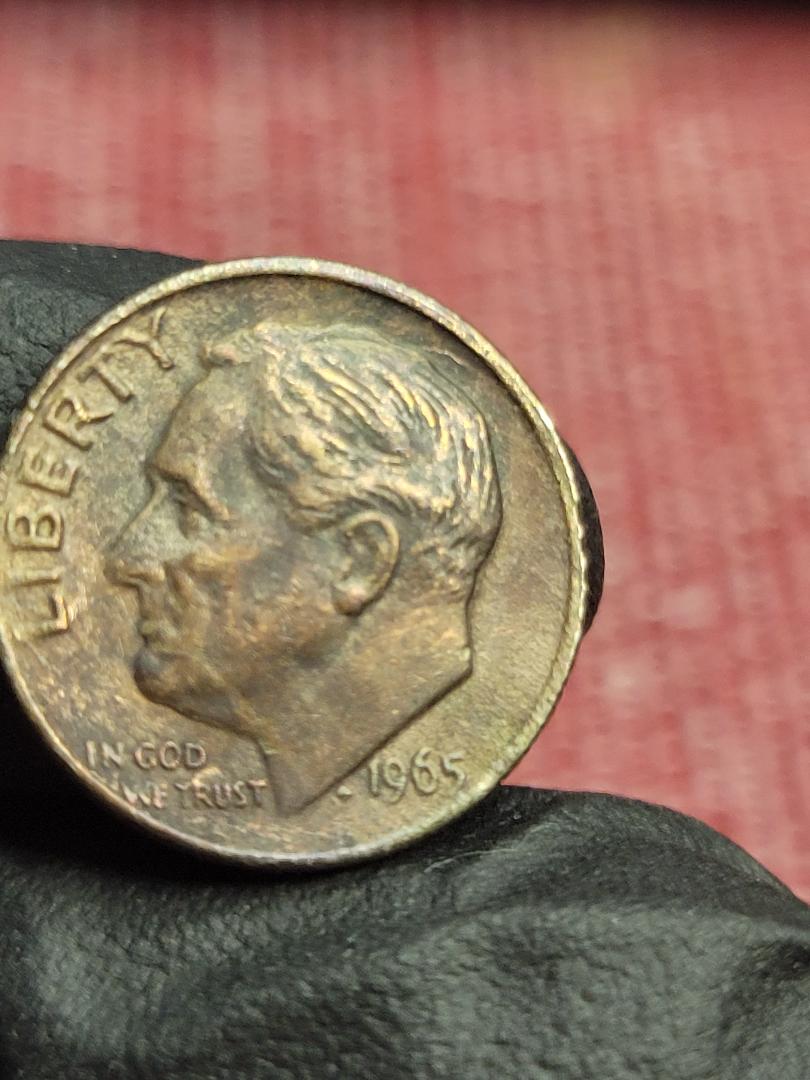
|
|
|
|
Pillar of the Community
United States
3848 Posts |
Can you add a picture of the edge, and include the weight of the coin?
You are right, in that this coin does not appear to have been worn down so much that the nickel cladding is gone.
My first impression is that this coin has suffered heat damage, toning the coin with a golden color. The blue, purple, and red color progression on the reverse can be a clue.
Suffering from bust half fever. Want to learn how to attribute early half dollars by die variety? Click Here: http://goccf.com/t/434955Shoot me a PM if you are looking to sell bust halves. |
|
Moderator
 United States
56855 Posts |
Not missing cladding. Environmental damage/toning, maybe a once buried coin. John1  |
|
Moderator
United States
34549 Posts |
I'm with @john on this one—looks more like environmental surface discoloration rather than missing cladding. Knowing the weight should be definitive as missing cladding will dramatically reduce the weight.
"If you climb a good tree, you get a push."
-----Ghanaian proverb
"The danger we all now face is distinguishing between what is authentic and what is performed."
-----King Adz
|
|
Pillar of the Community
United States
5883 Posts |
100% with John1 and Spence.
There's a good chance this was found metal detecting. Being in the ground (moisture, minerals, acidic environment, etc) has a habit of drawing the copper in the center layer of the coin to the surface.
Words of encouragement are one of the major food groups.
We need to consume them regularly to thrive and grow.
|
|
Bedrock of the Community
United States
94367 Posts |
  to the CCF! |
|
Bedrock of the Community
United States
19564 Posts |
Yes, environmentally-caused discoloration and light corrosion/interaction on the surfaces. May have been buried for a period of time, followed by cleaning.
|
|
Bedrock of the Community
United States
62064 Posts |
The color would be as red as the edge of the coins copper layer. This is just a normal dime with toning from being in the outside elements. 1. The weight would be reduced if it were missing clads. 2. The strike would be weaker if the layers of cladding was missing. 3. The color would be red, not the colors your coin is showing. 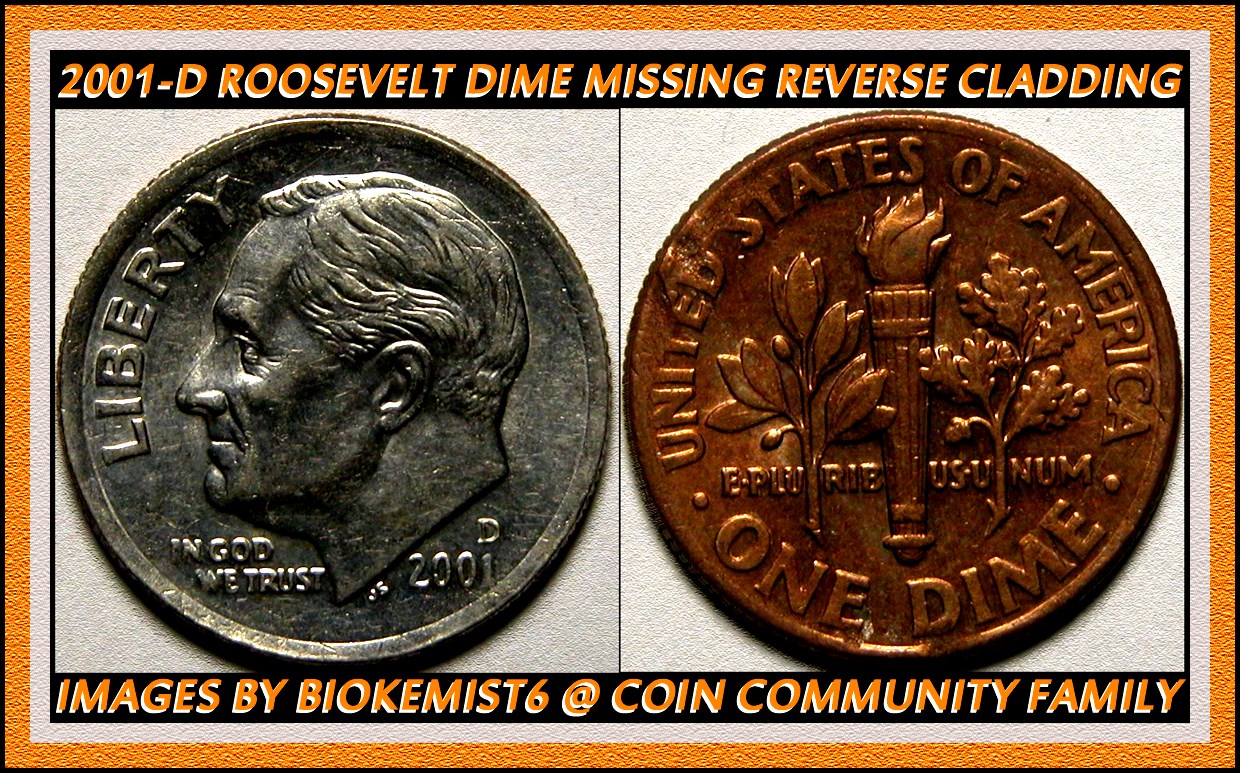 |
|
New Member
 United States
28 Posts |
More pics as requested. From my view point there doesn't seem to be much damage to the reeding of the coin as you can still feel the pronouncement of the ridges consistently on all sides. The coin weighs 2.1 grams on my little scale, however my scale might not be calibrated correctly, as I did sometimes get different numbers when weighing this coin but the highest number my scale has given me when weighing this coin was 2.4 grams which is more than a dime should weigh. My scale hasn't measured this coin at the higher weight for several months though. 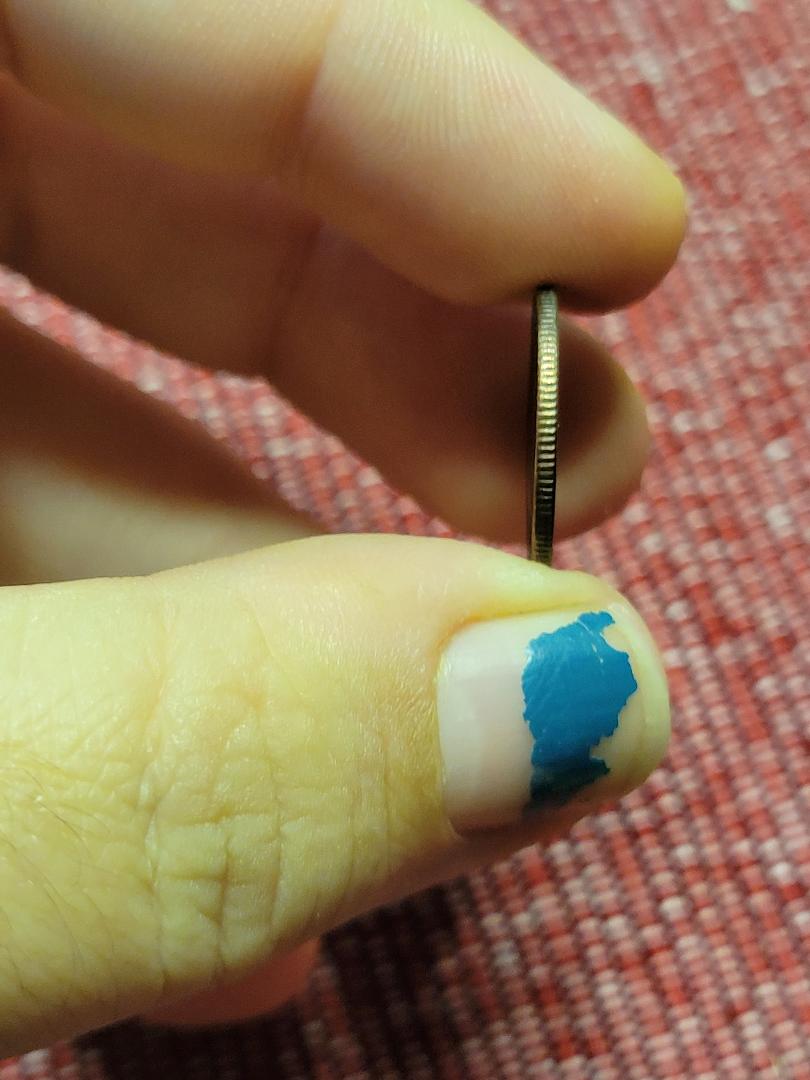 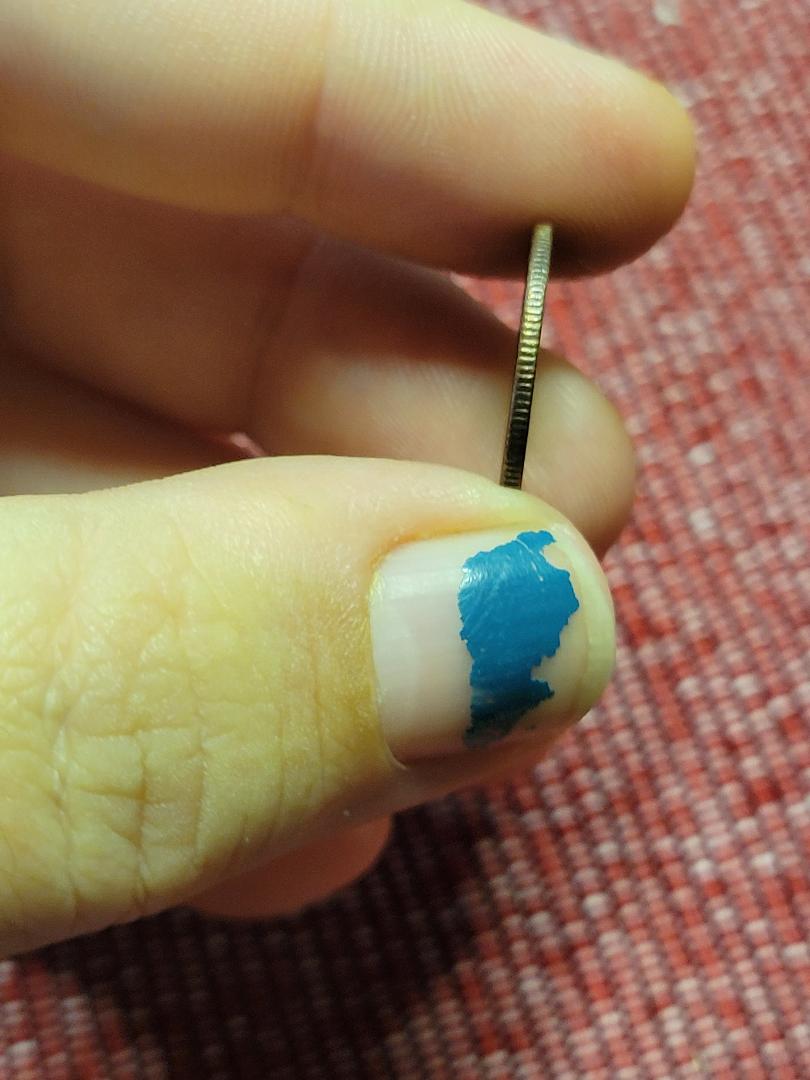 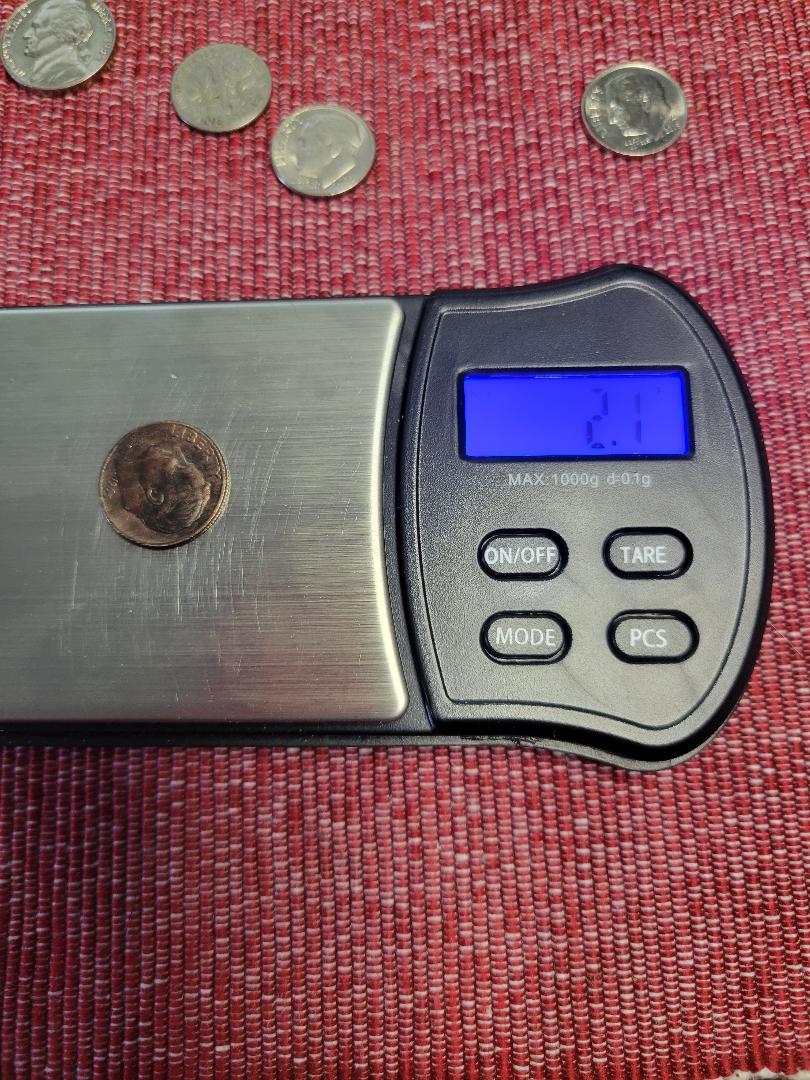 |
|
Pillar of the Community
United States
7174 Posts |
Just a chemical reaction of some sorts. Missing clad would weigh less than 2gs. My 65 weighs 1.96gs.
|
|
Moderator
United States
106729 Posts |
I agree with John1 up above.
|
| |
Replies: 10 / Views: 2,869 |
|






 Posted 07/29/2022 04:40 am





