| Author |
 Replies: 37 / Views: 5,219 Replies: 37 / Views: 5,219 |
|
Pillar of the Community
United States
756 Posts |
|
|
|
|
Pillar of the Community
Germany
1856 Posts |
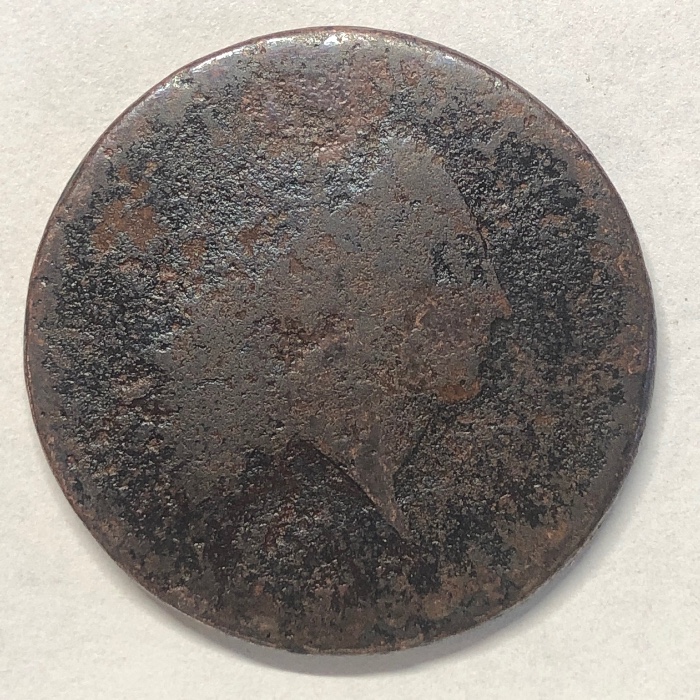
An amazing restoration. Verdicare?
By the way, It appears to be an S-3 variety.
|
|
Bedrock of the Community
Australia
21789 Posts |
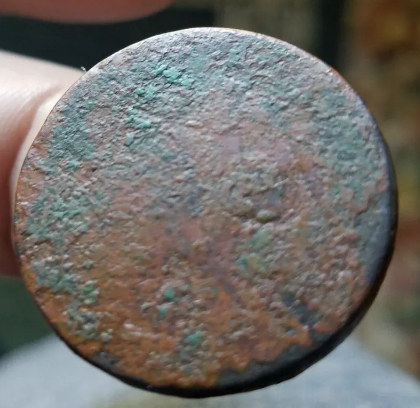
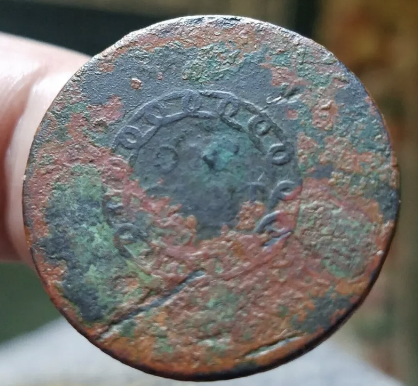
Who said:- 'Don't clean coins !' Qualification: You have to know what you are doing and still be prepared to take a risk. That is what museums do, especially with ancient coins, almost all of which need cleaning after recovery, usually from in ground burial. If you don't know about how to clean coins Don't clean coins !The OP has learned how, probably the hard way. This effort successful.  Obverse a lot more obvious. With the verdigris displayed on this coin, it needed rescuing, the sooner the better. Edited by sel_69l
08/25/2022 03:44 am
|
|
Moderator
 United States
15850 Posts |
I say well done. |
|
Bedrock of the Community
United States
19506 Posts |
|
|
Bedrock of the Community
United States
94367 Posts |
Super restoration indeed. Please tell us more.  to the CCF! |
|
Rest in Peace
United States
10625 Posts |
|
|
Moderator
United States
194400 Posts |
Looking good! |
|
Pillar of the Community
United States
5887 Posts |
That's looks awesome! Such an amazing piece of history, and you've cleaned it up quite nicely. Well done!
-CH27
Collector of U.S. Coins, Varieties, and Colonial Coinage
|
|
Pillar of the Community
 United States
756 Posts |
first I gotta yell this at everyone - DO NOT CLEAN COINS - there is a very high chance you will damage them.
this coin is an S-3. I bought it to restore/preserve/clean. I later sold the coin.
i have spent a lot of time learning how to remove problem spots from copper coins. that green stuff is progressive/active and will continue to eat the surface. That brick red is considered a death sentence by most advanced copper collectors, and rightly so. its nasty and very challenging to remove without damaging the underlying metal. I believe we are stewards of these pieces of history and we should do everything we can to help them survive. if that stuff isn't removed there wont be a coin to preserve for much longer.
i spent the better part of a decade buying really junky coppers and trying different things on them. ive damaged quite a few coins in the process of learning how to do this. culls are some of my favorite large cents. I think they are a ton of fun to play with.
for this coin I used xylene, soap, water, olive oil, and some manual tools. I work under a stereo microscope. this took roughly 40 hours.
|
|
Pillar of the Community
United States
3848 Posts |
Beautiful work, thanks for sharing!
Suffering from bust half fever. Want to learn how to attribute early half dollars by die variety? Click Here: http://goccf.com/t/434955Shoot me a PM if you are looking to sell bust halves. |
|
Pillar of the Community
United States
1186 Posts |
That is cleaning with a lot of love!
|
|
Rest in Peace
United States
10625 Posts |
Very nice results from your effort. Have you left any sort of protective film on it? |
|
Pillar of the Community
United States
756 Posts |
i use blue ribbon. I forgot to mention that one.
for what its worth I think blue ribbon is over rated. I am lucky to own ~20 bottles from back when you could still buy it. I would imagine that mineral oil would work similarly. one of these days ill explore other options. blue ribbon is selling for stupid money these days.
|
|
Pillar of the Community
United States
797 Posts |
|
|
Moderator
United States
15850 Posts |
Quote:
I work under a stereo microscope. this took roughly 40 hours. That is indeed a labor of love!  |
| |
Replies: 37 / Views: 5,219 |












 Posted 08/25/2022 03:40 am


