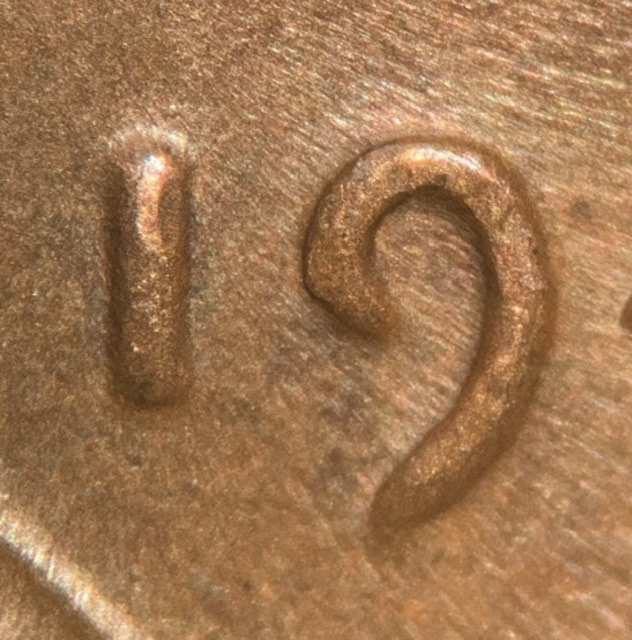
What you maybe seeing on the top of the '1' is probably old die scratches that have not faded yet. On the open fields of the coin, these die scratches fade quicker. On the edges of devices, they last longer. On the inside of closed devices they last a lot longer. That maybe what you are seeing on the '1'. Note on the rest of the devices. Note how the right side of the devices are weakened by die wear. Thus this is an aging die in its senior years. Thus that is what you are seeing. On a
DDO, for that year, they tend to be class '6'
DDO's.



On the dates for this year the 944 shows more of the
DDO than the other devices:
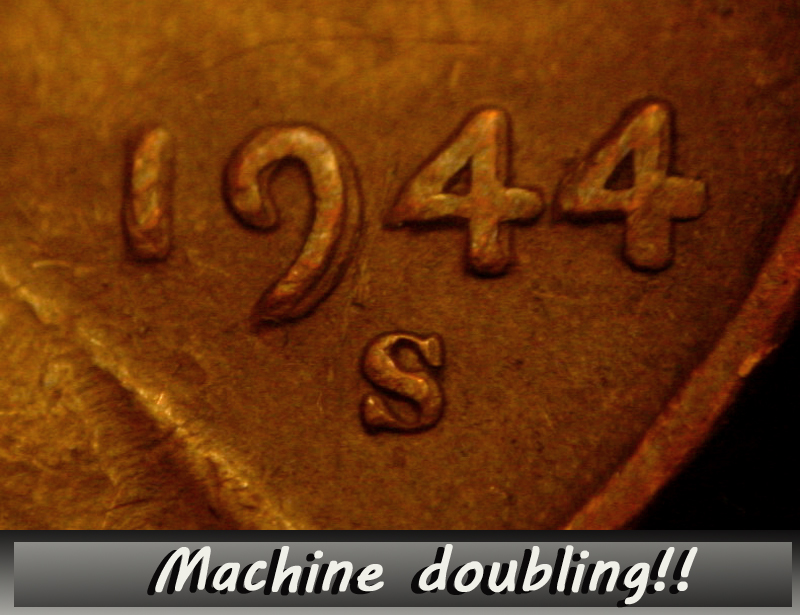
While this looks like
Machine Doubling, it is also a
DDO.
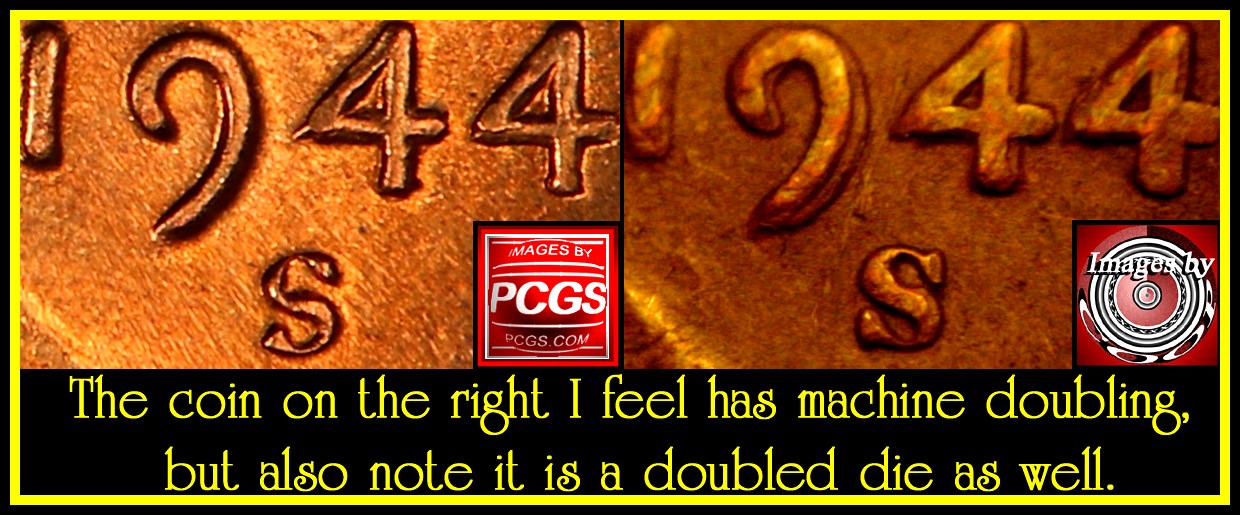
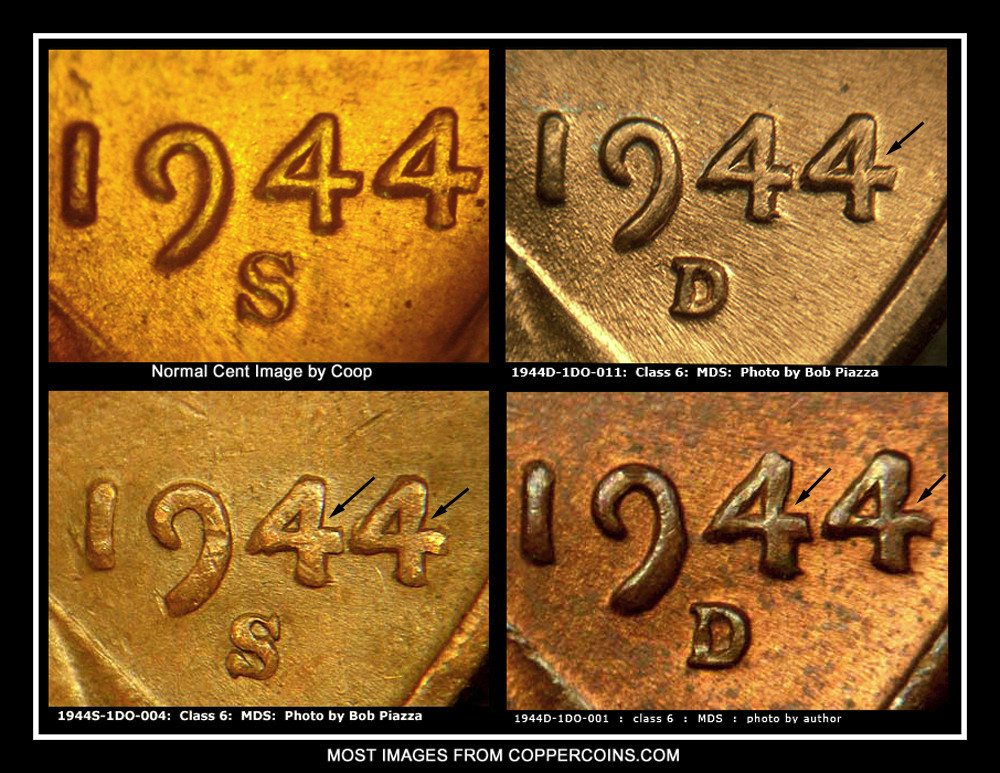
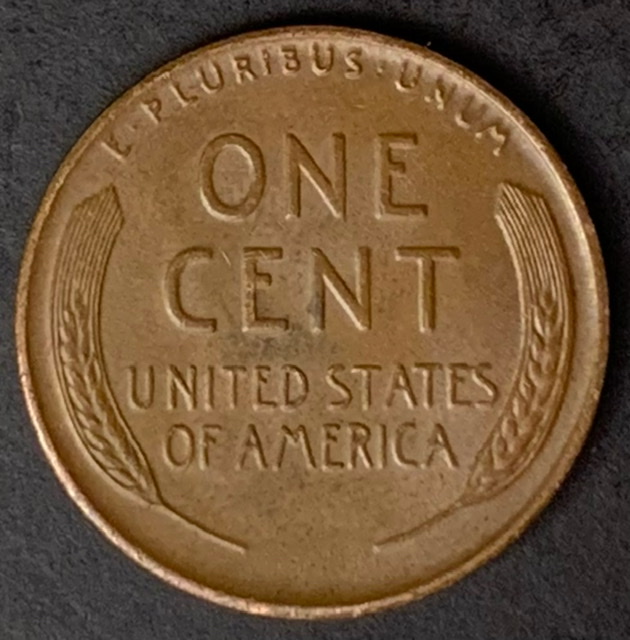
Note how the devices are enlarged in size compared with a normal 1944-S cent.
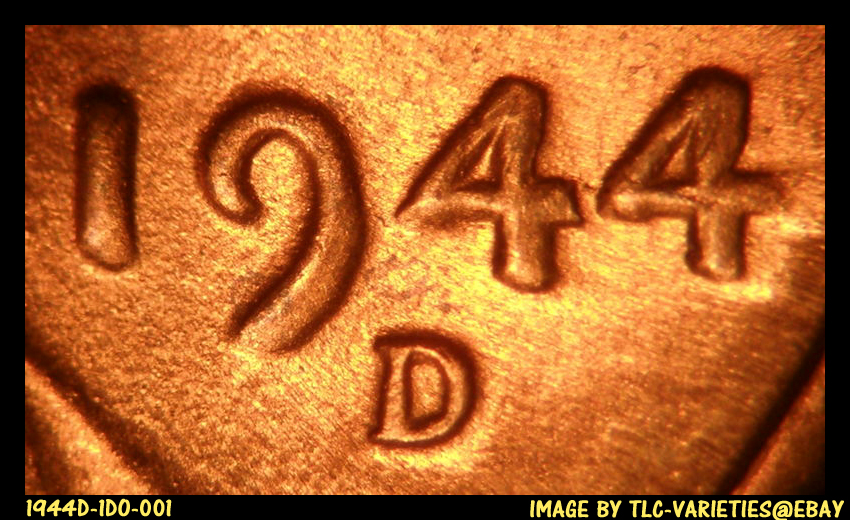
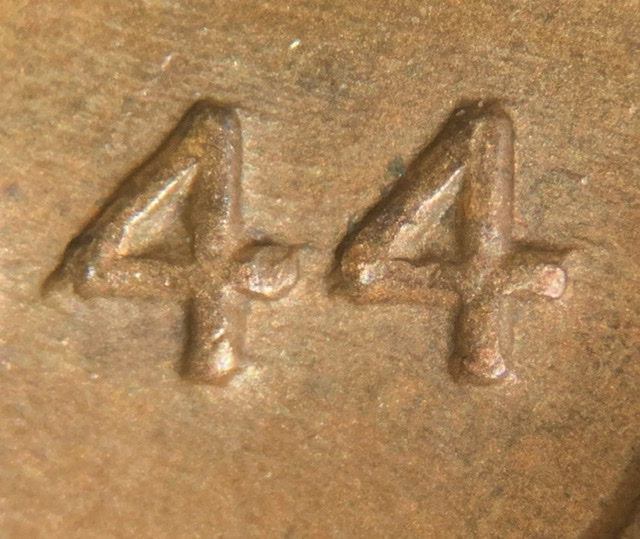
Note this class 6
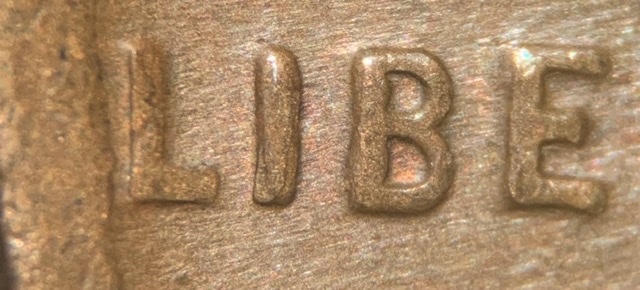
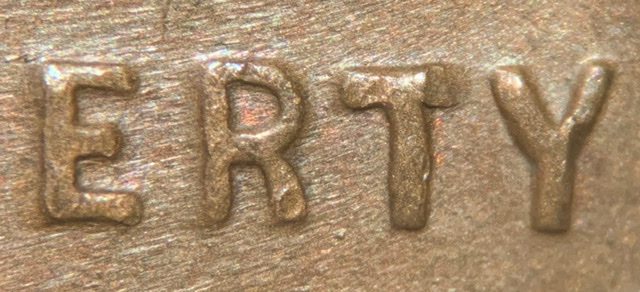
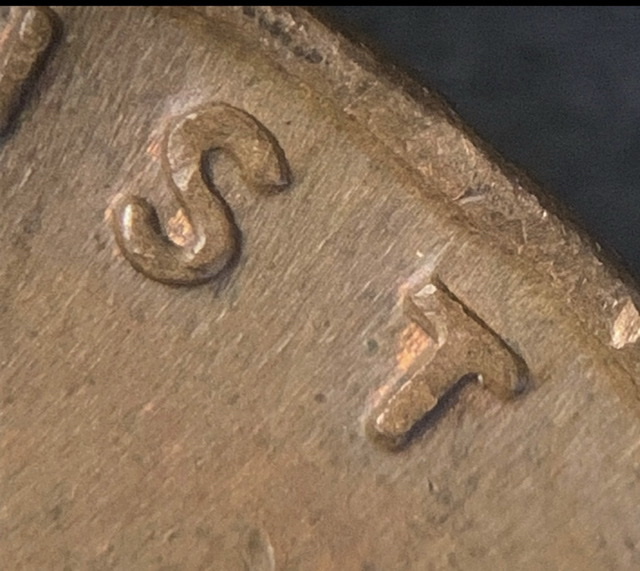
DDO? Note the spread is on the devices towards the rim direction. This is not die wear, but hub doubling that makes the spread towards the rim direction. Note the '44'? That is how the hub process created this die. It can also be weaker and still noticed:
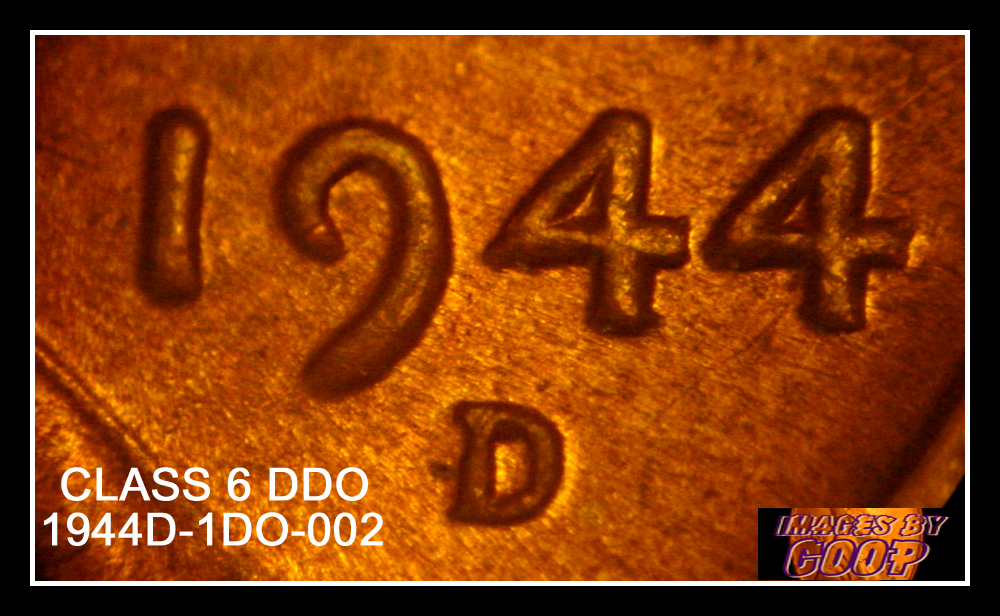
Note the spread on the '9' on the right side of that device?
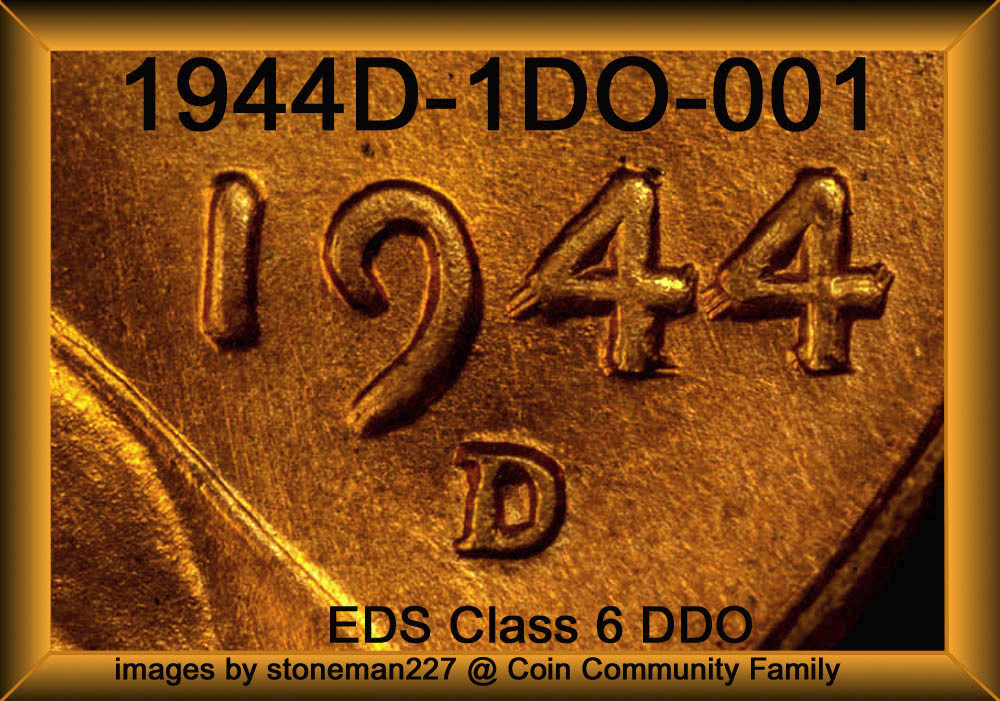
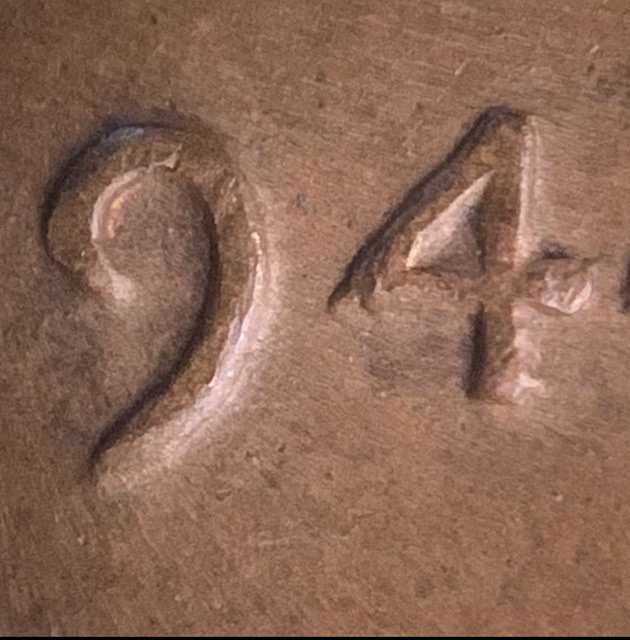
On this one you can see the notching on the bottom edges of the '9 & 4'. Thus look for the spread of the devices. These can show up, enlarging the devices on the centers of the devices, not on the outside edges where you would see die wear or
Machine Doubling. Look for the spread. When you see these on a side by side situation, then it clicks, spread enlarges the devices.
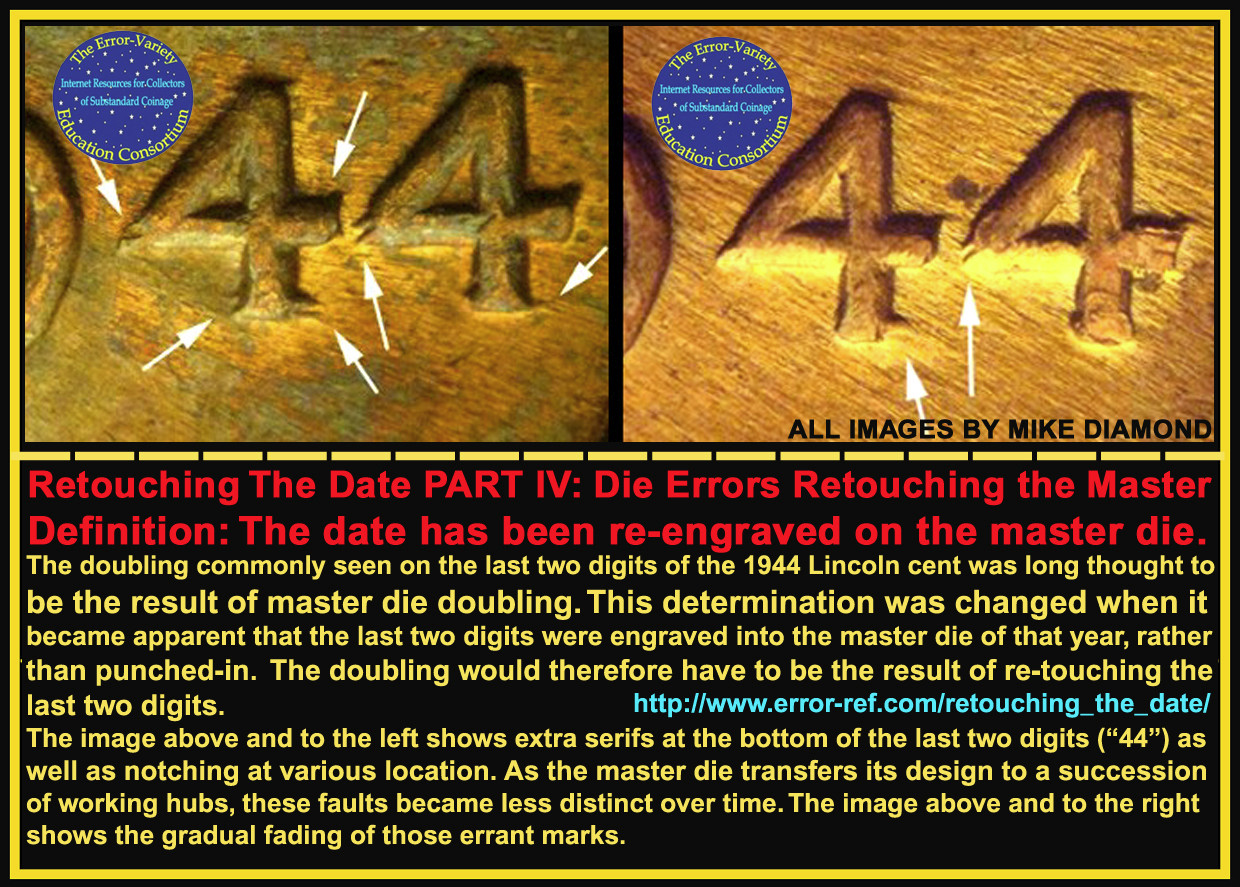
Keep in mind that this year also had some touching up of the devices on the master hub or master die, that affect the view on the earlier die state coins:
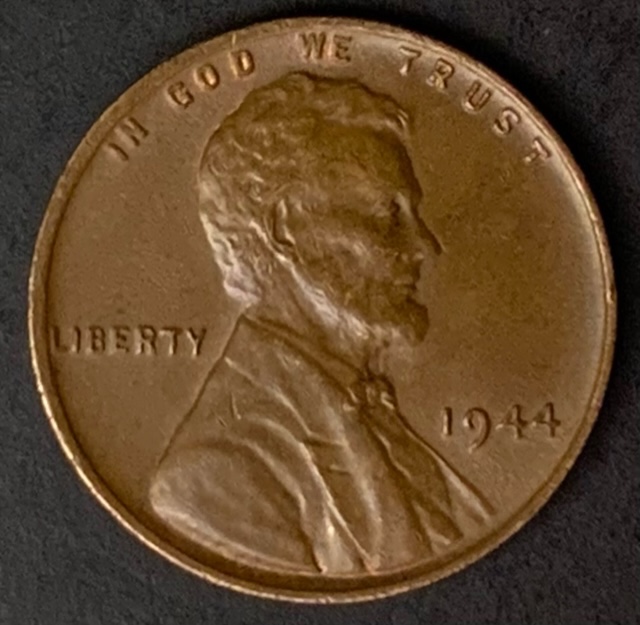
So when searching on the 1944 cents, the clue of looking at the 944 is important that year. A lesson on looking for the spread on a doubled die.
CoopHome :
What are class 6 doubled dies and what to look for on 1944 cents? spread on the 944 for that year. look on the right side of the devices.
Edited by coop
09/08/2022 11:45 am









 Posted 09/07/2022 5:53 pm





