Note the obverse rim, it did have it on the reverse. The removal of it on the reverse tells us that it was there. Impossible to have it on just one side of the coin. If it was not there, then it was removed. During the striking of the coin, the edge forms on both sides of the coin. If the reverse die was missing, then the obverse would not show that design either. Rarely does two planchets get struck together. If so they are fused together and the coin would be thicker:
How this coin got out of the machine is a question to me?
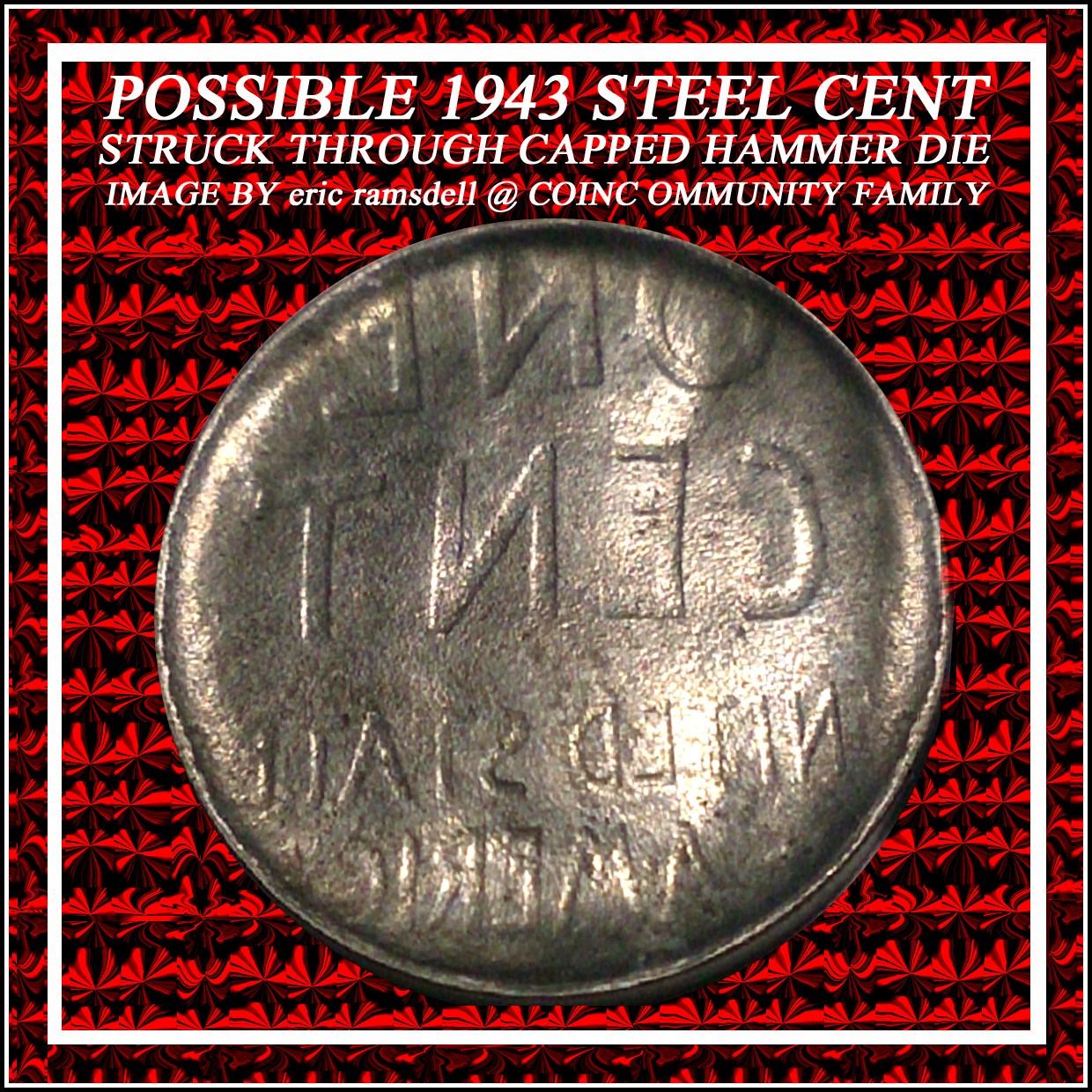
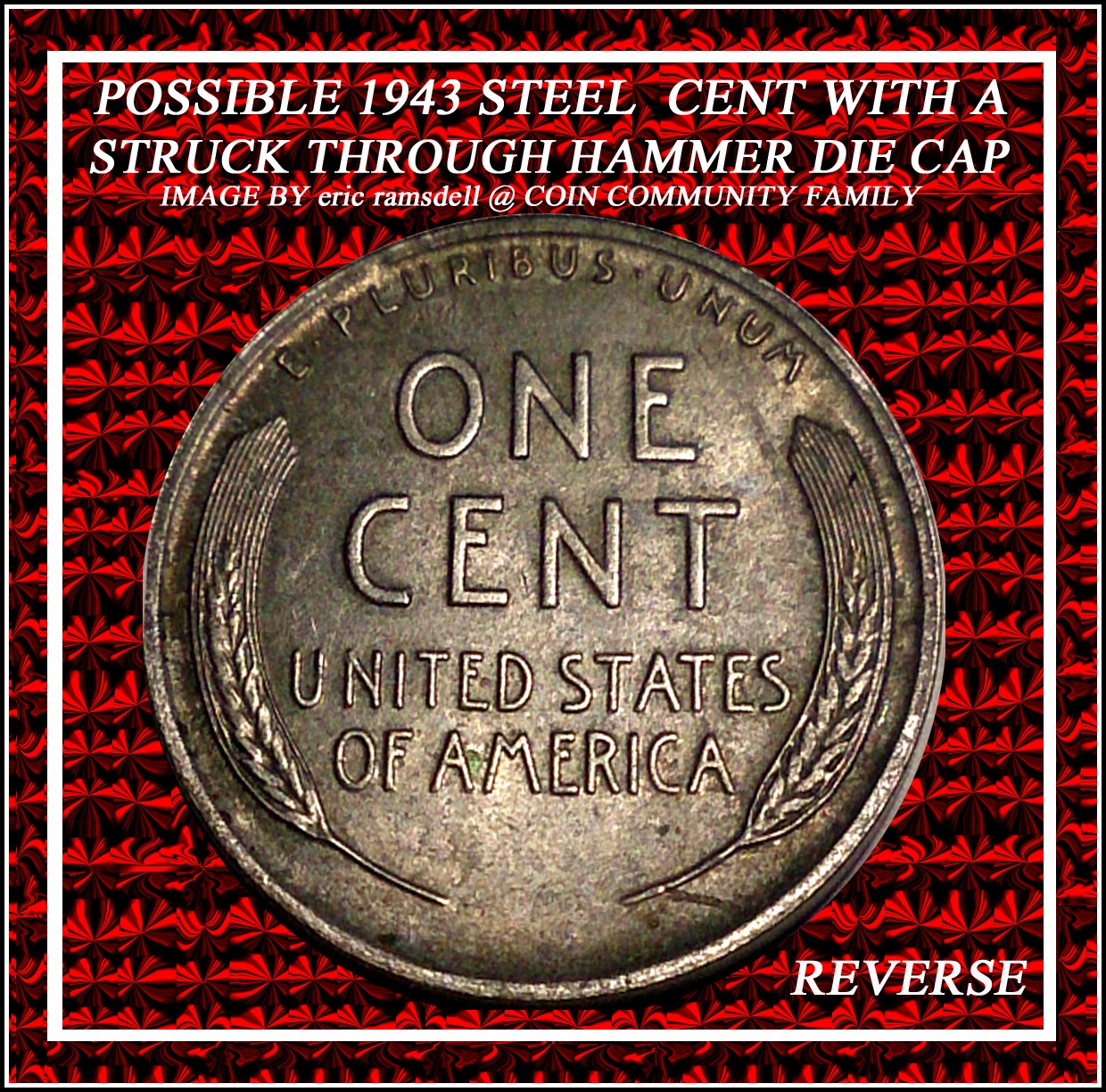
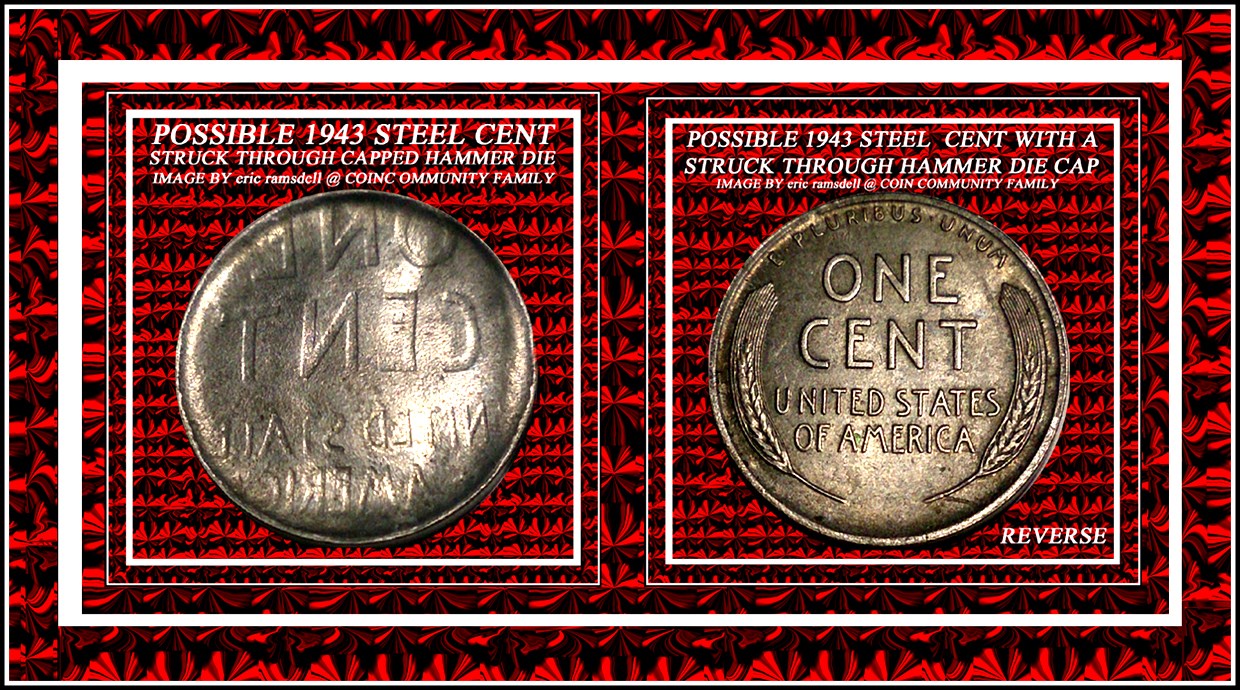
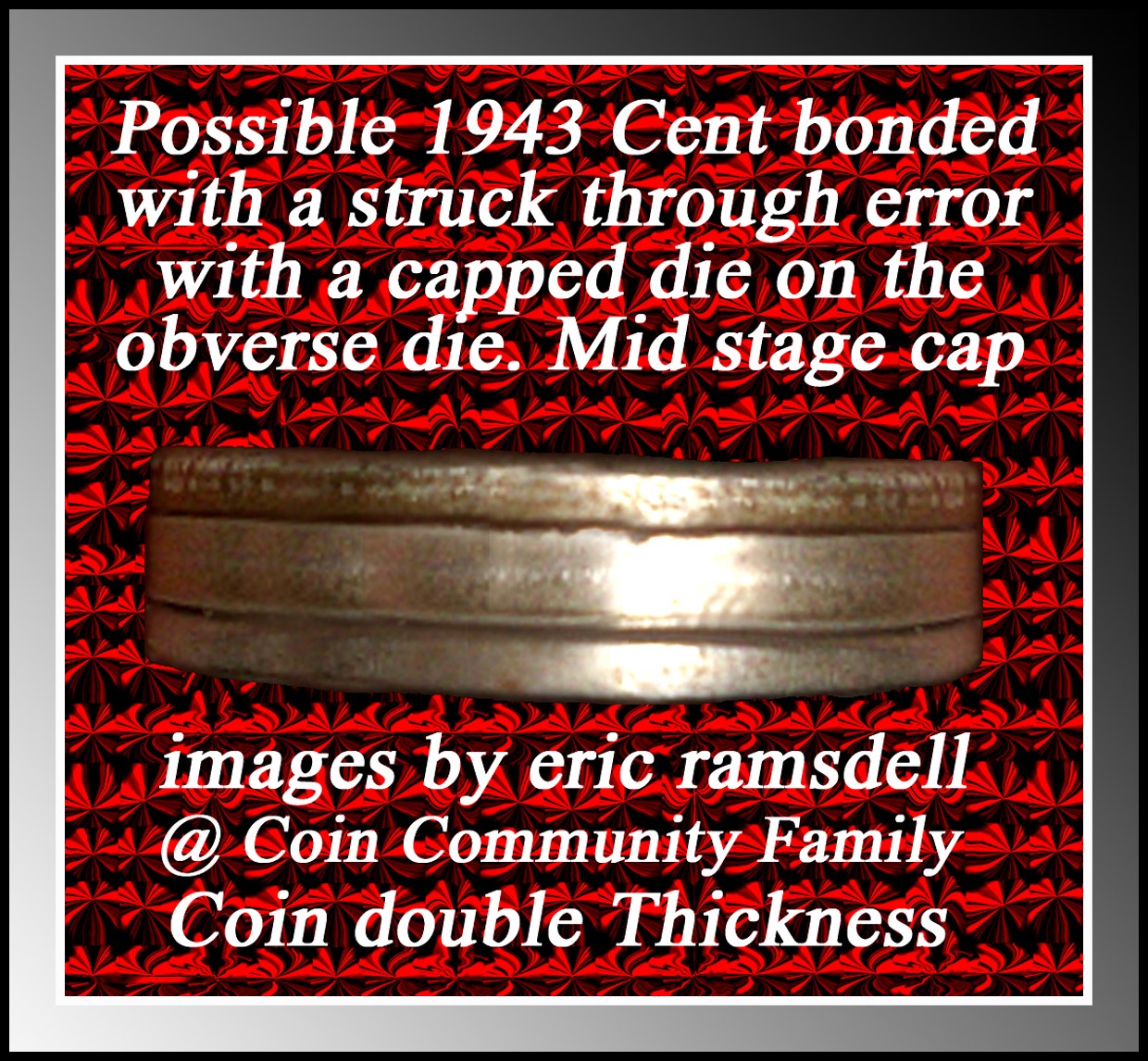
On your coin the weight could be reduced because of the sanded/polished reverse removed.
What can happen on a thinner planchet? weight will be different and if rim is missing on one side, it was probably altered.
More information on this thread.Don't know if you had the split planchet on there before (or I missed it) But here is more information on these:
These are caused by a piece of metal cold rolled onto a hot metal piece of stock. This are often in the shape of the amount of debris added to the hot metal that doesn't fuse to the stock hot roll. They can be thin/thick, wide/narrow. But these can fall off post strike or pre strike. They will show a loss of weight on the coin, but usually you will see a ghost image where they peel off.
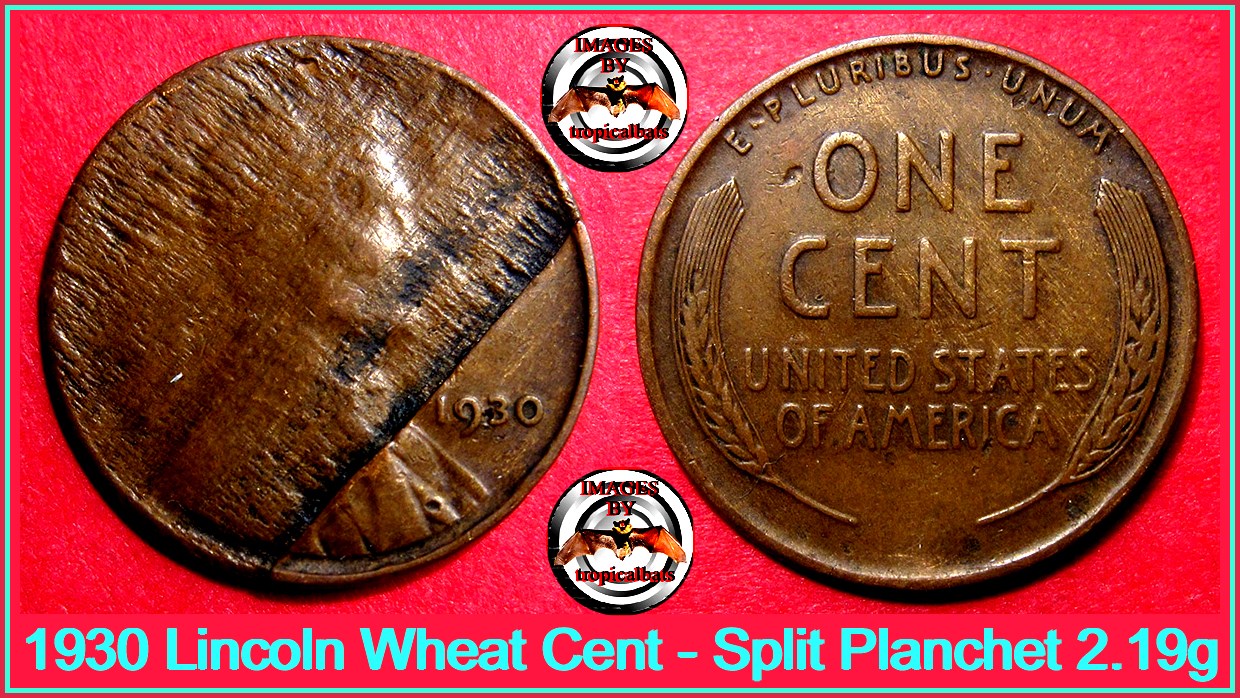
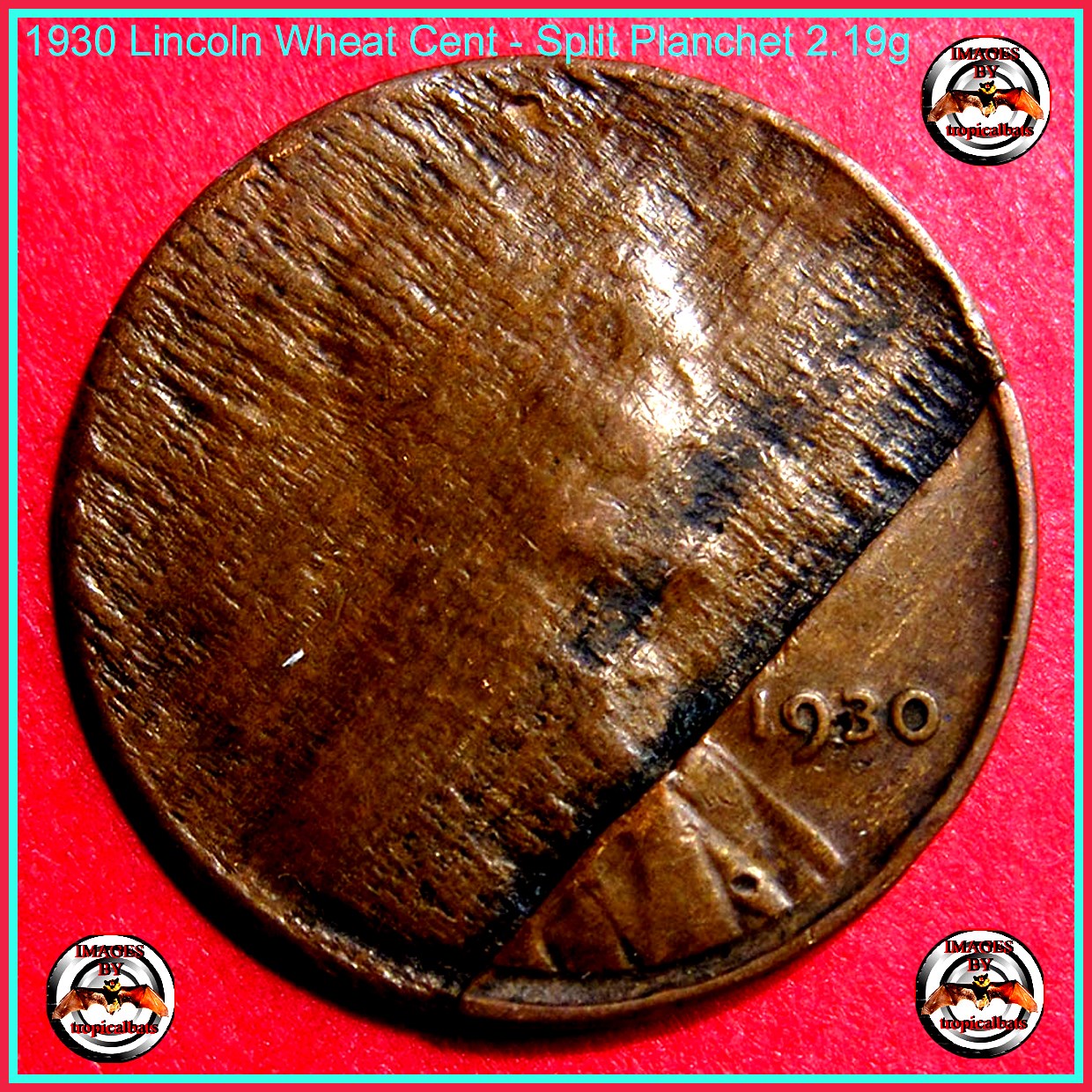
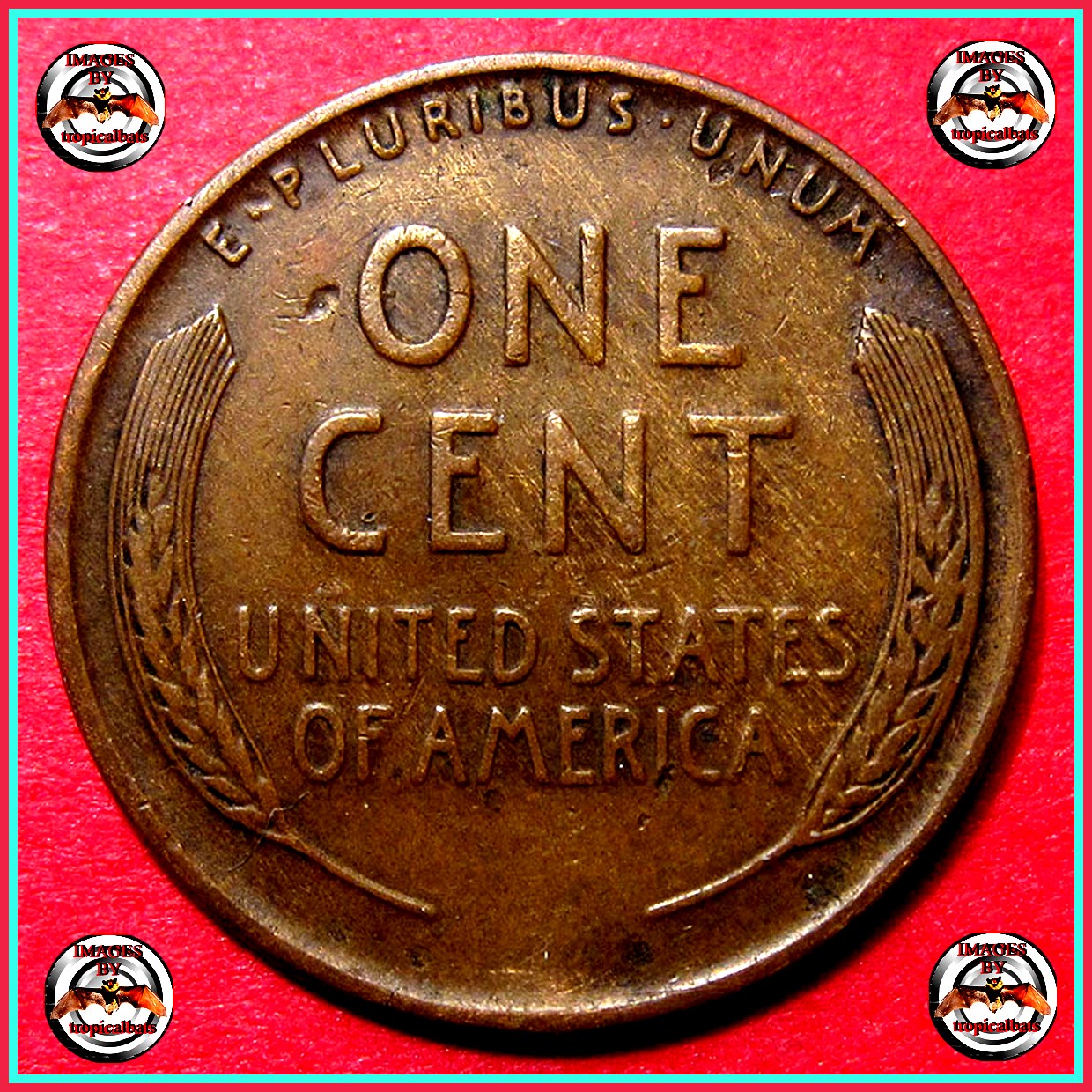
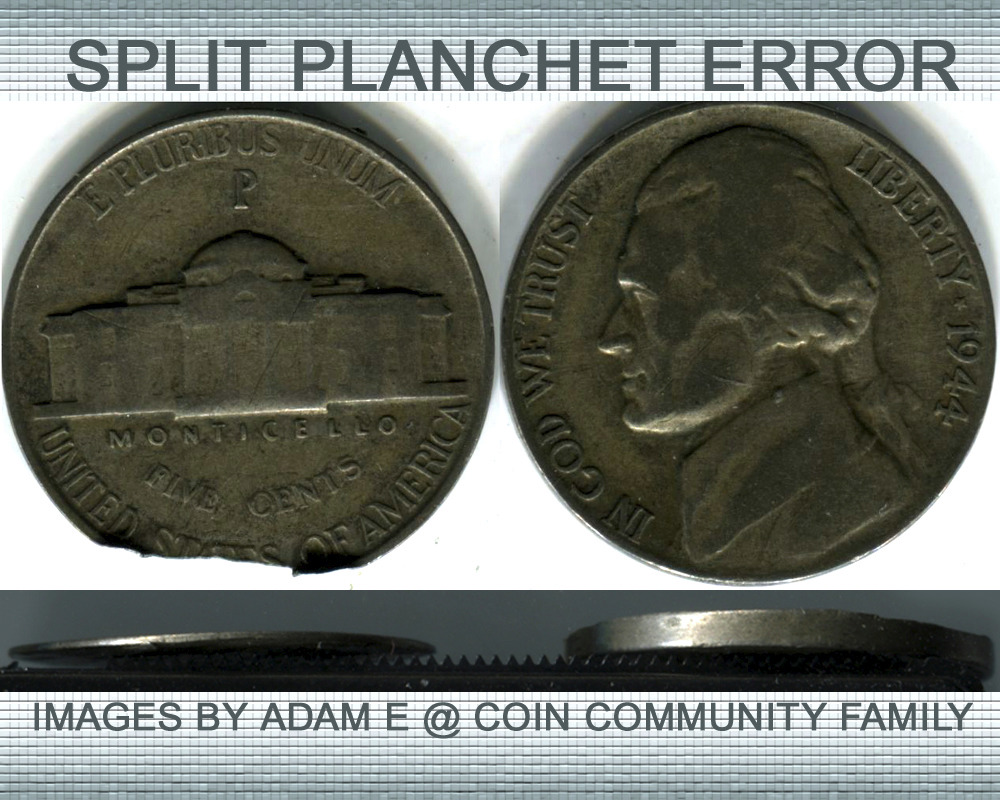
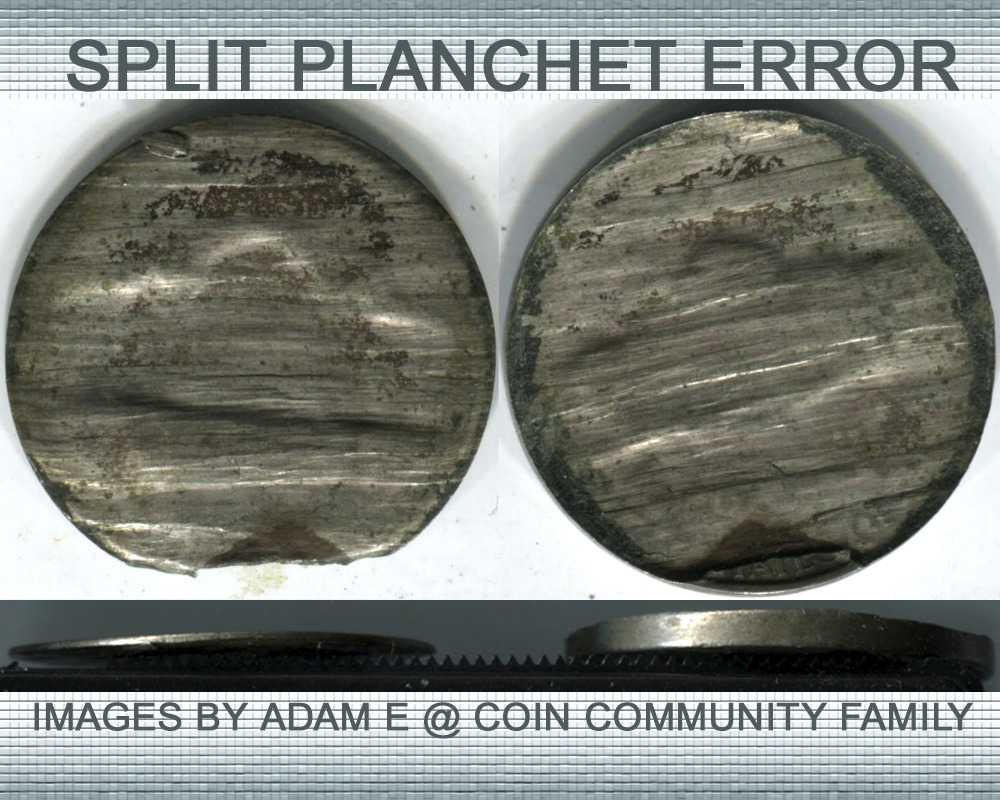
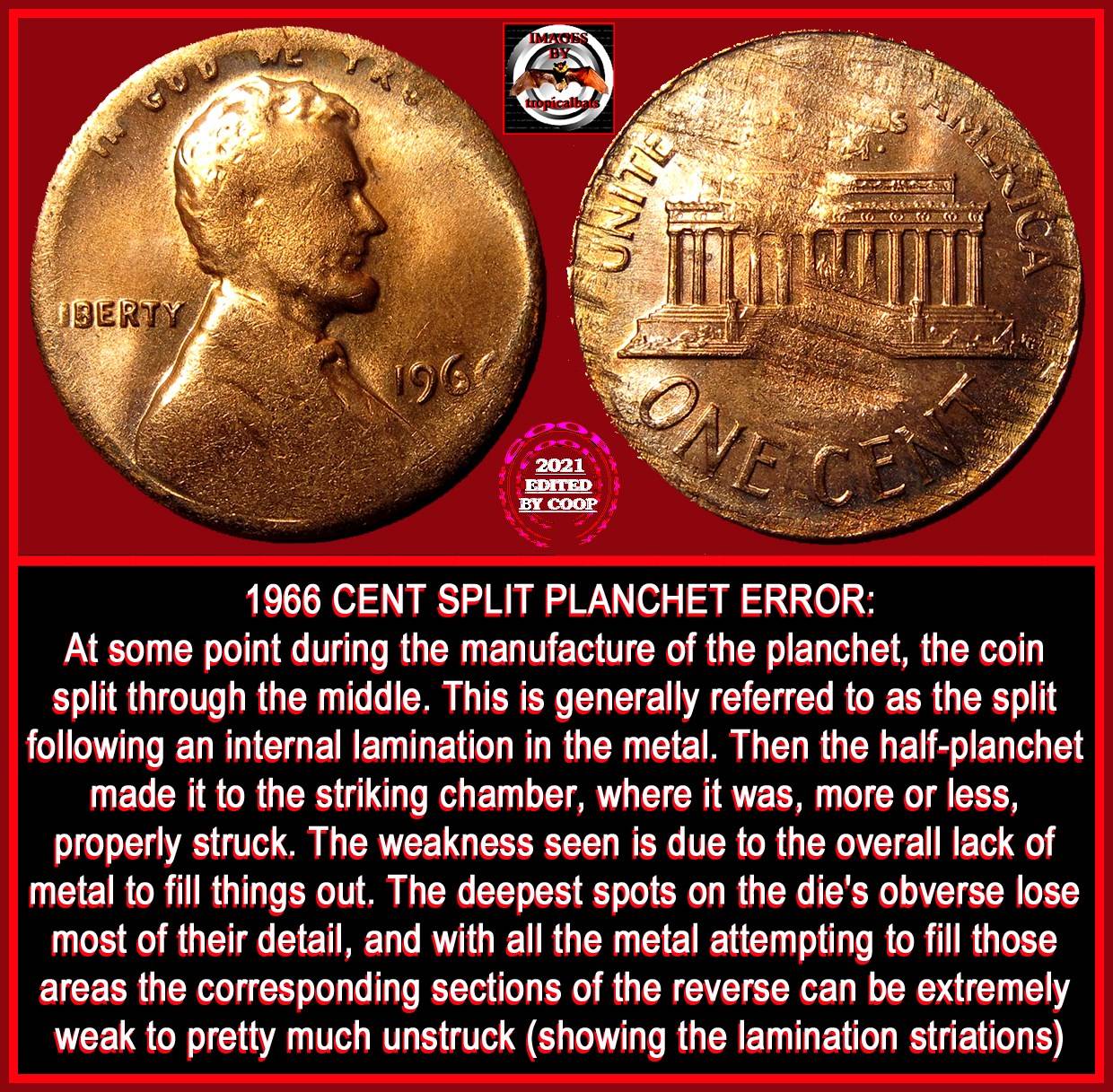
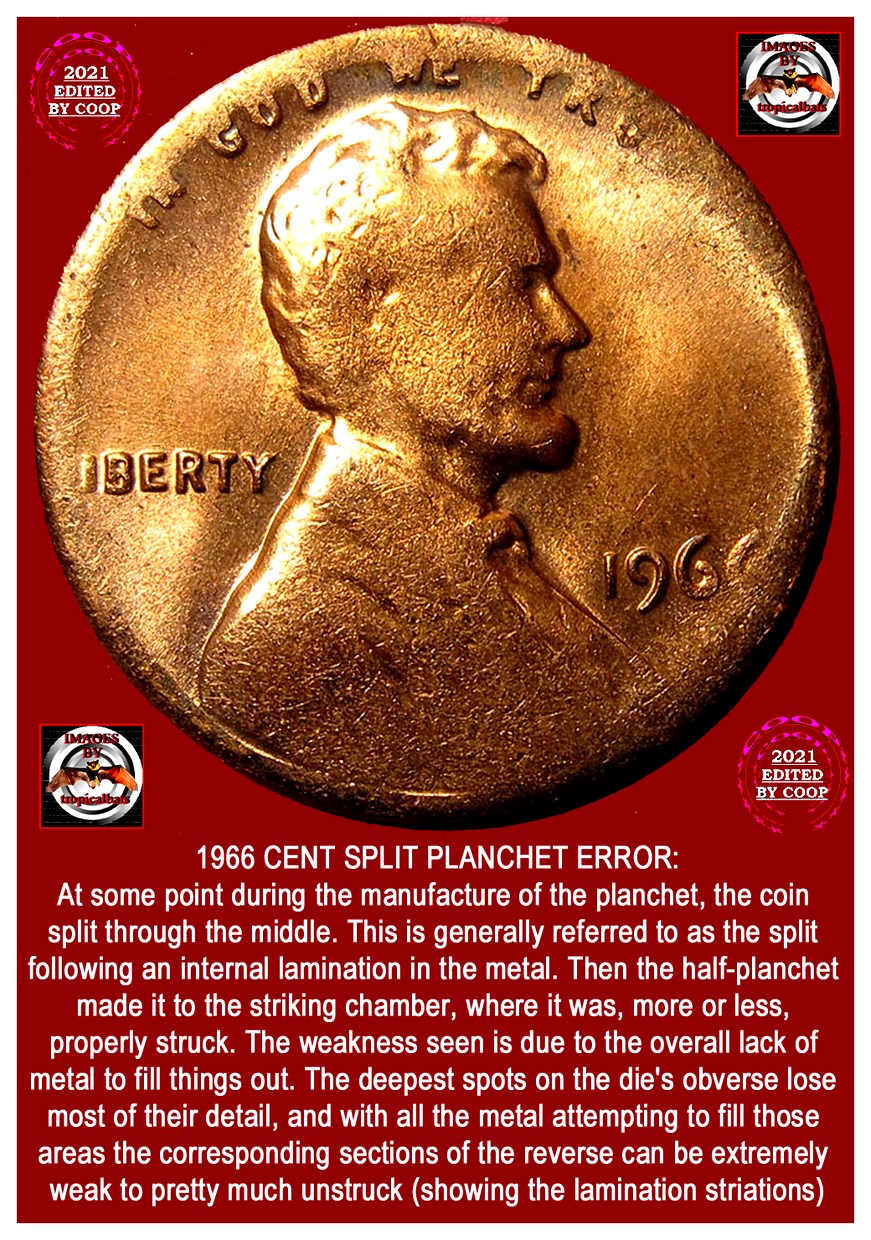
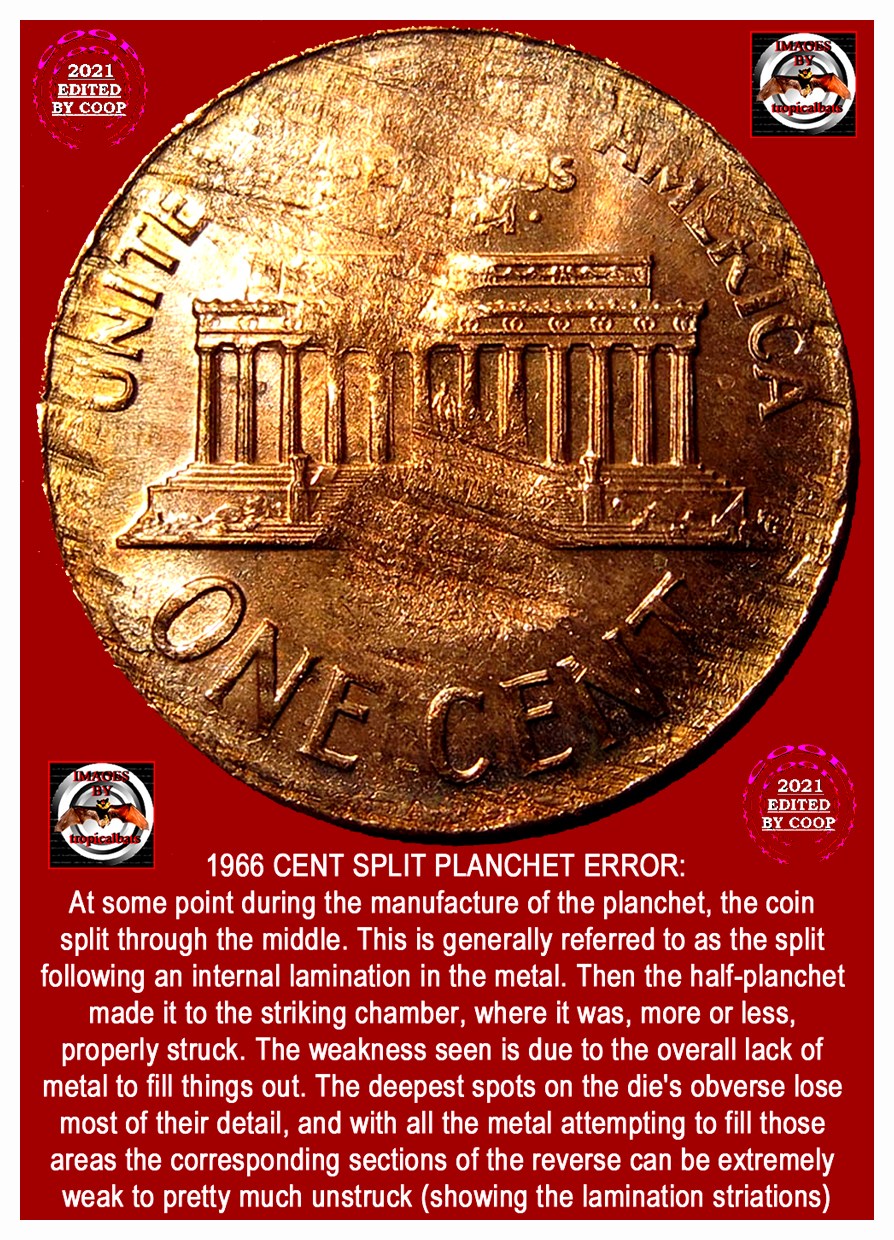
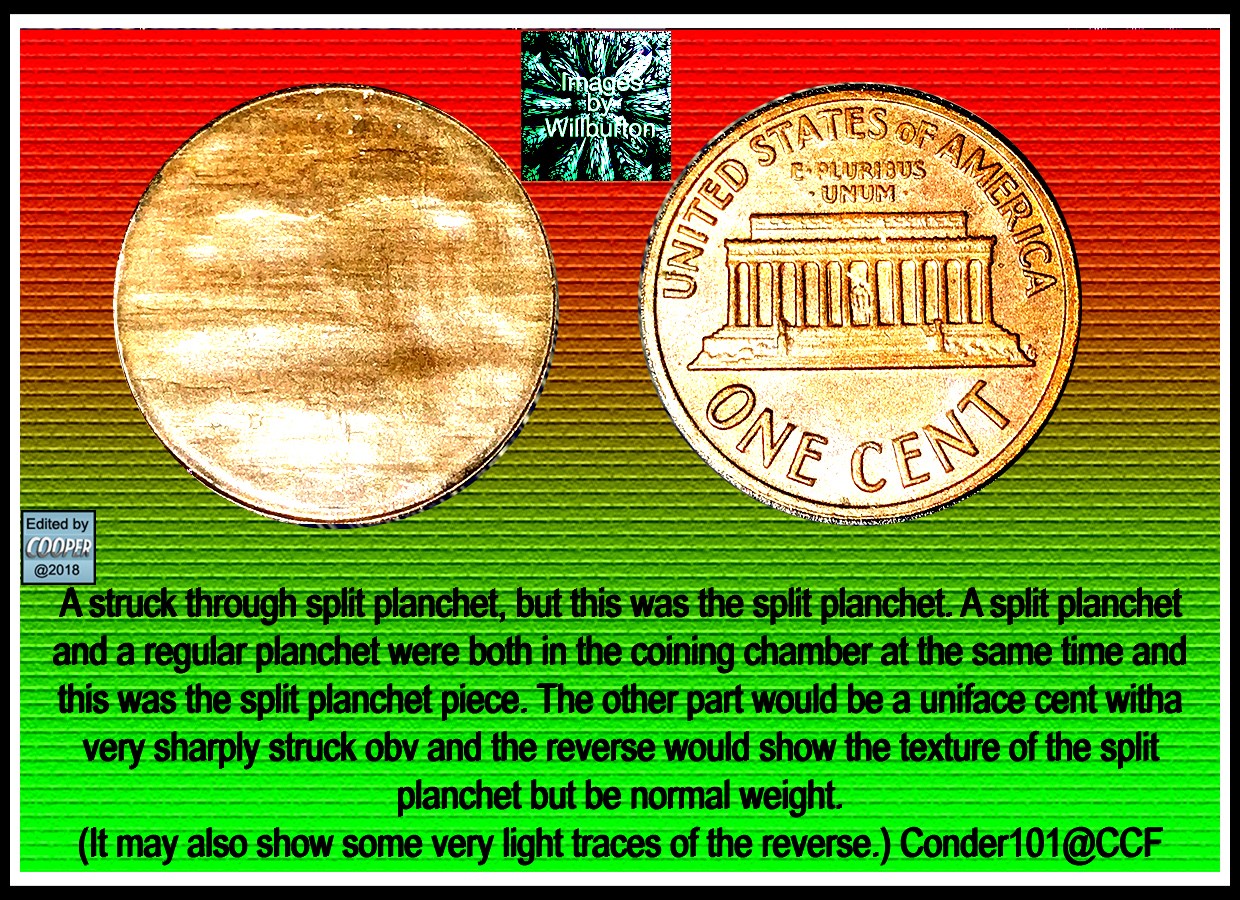
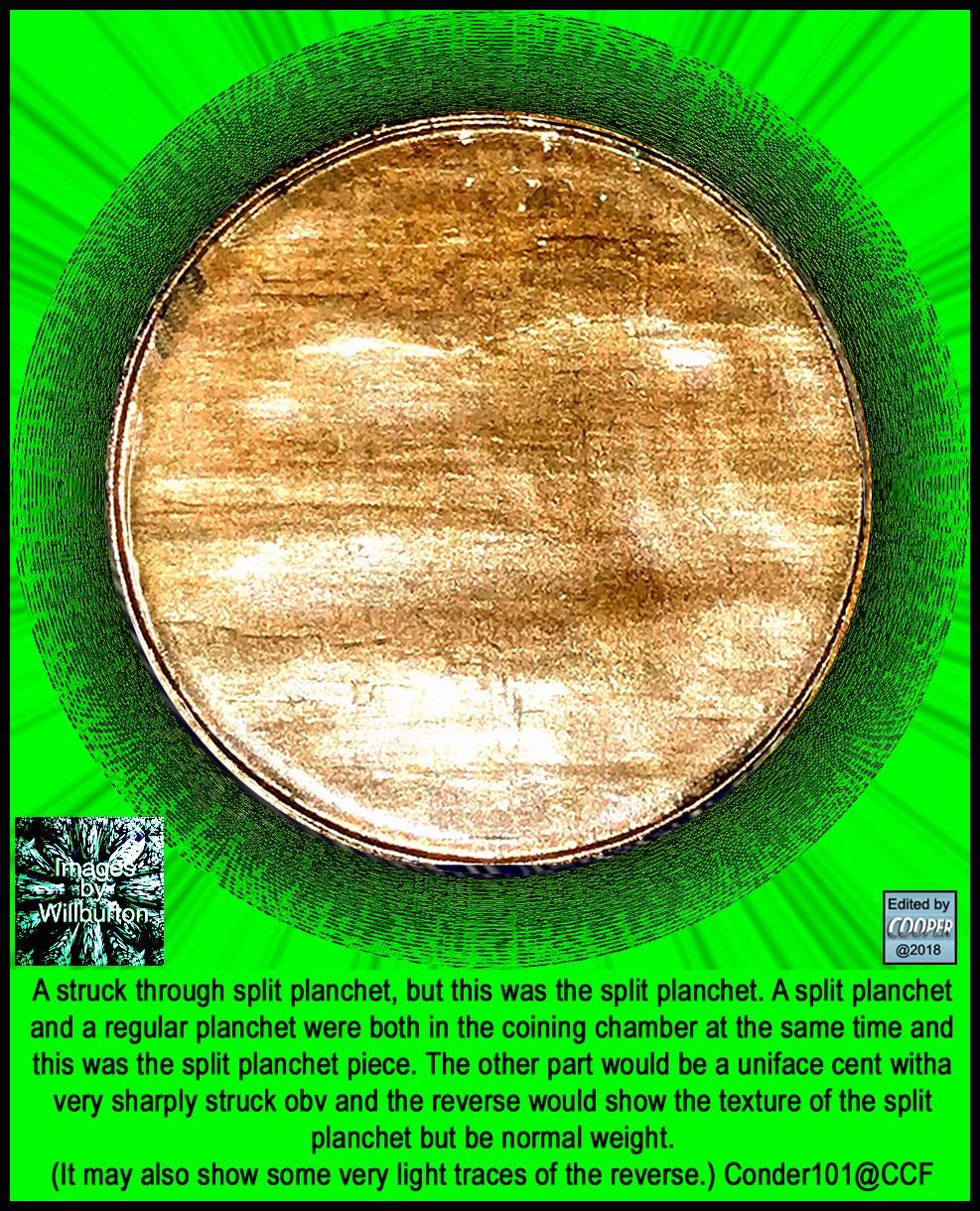
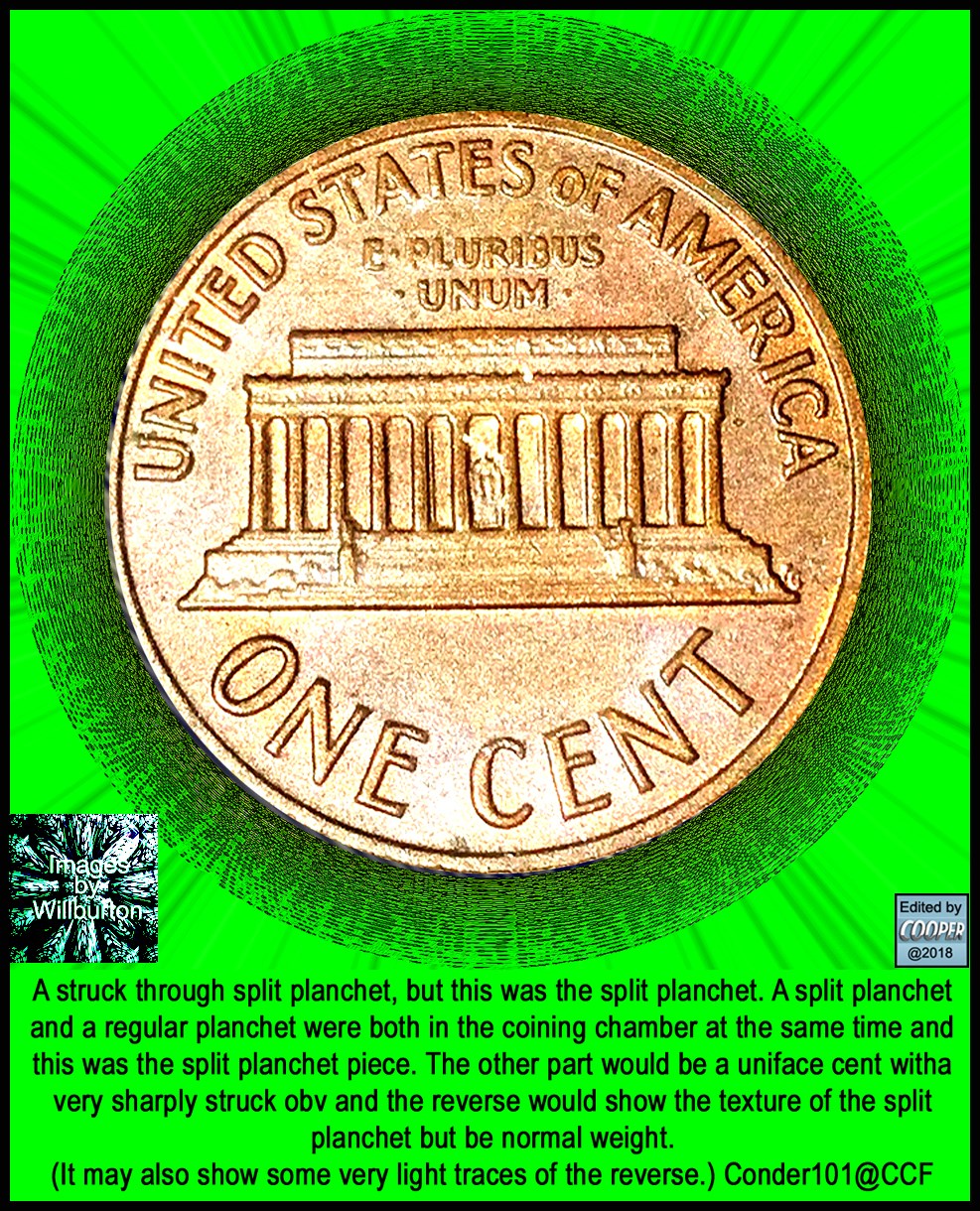
They are usually uneven in texture on the coins. On pre strike coins, they texture and ghost images are not as noticeable:
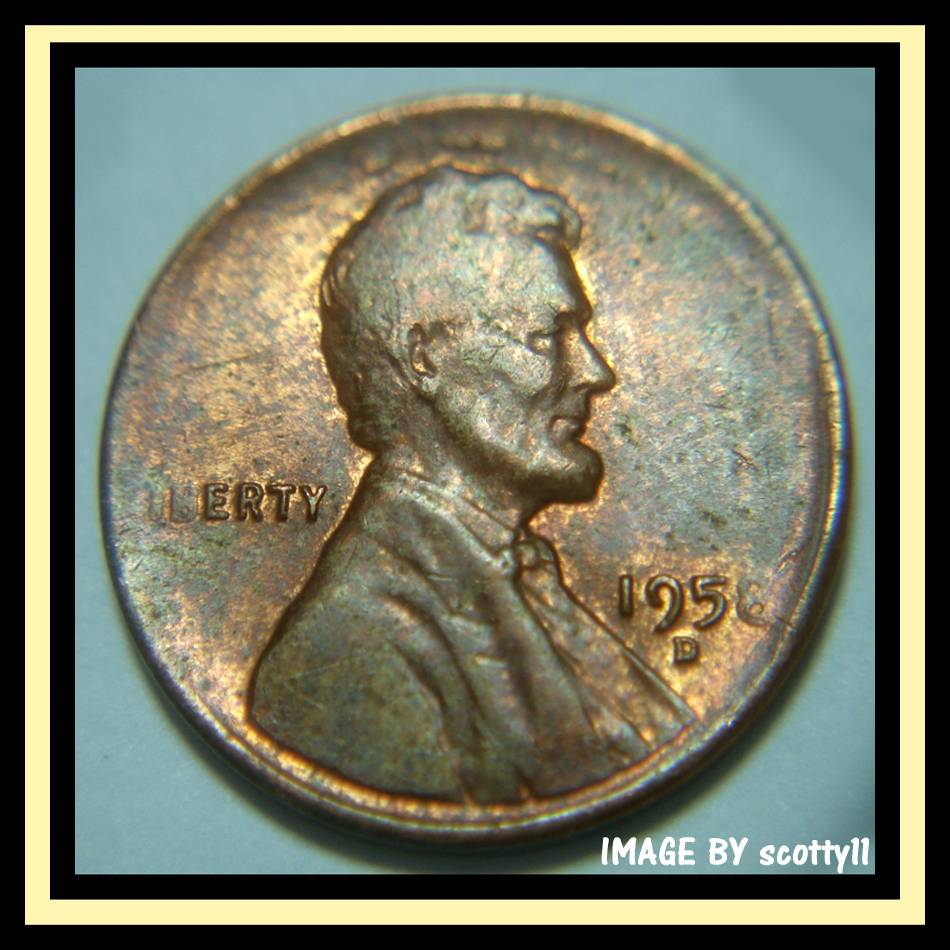
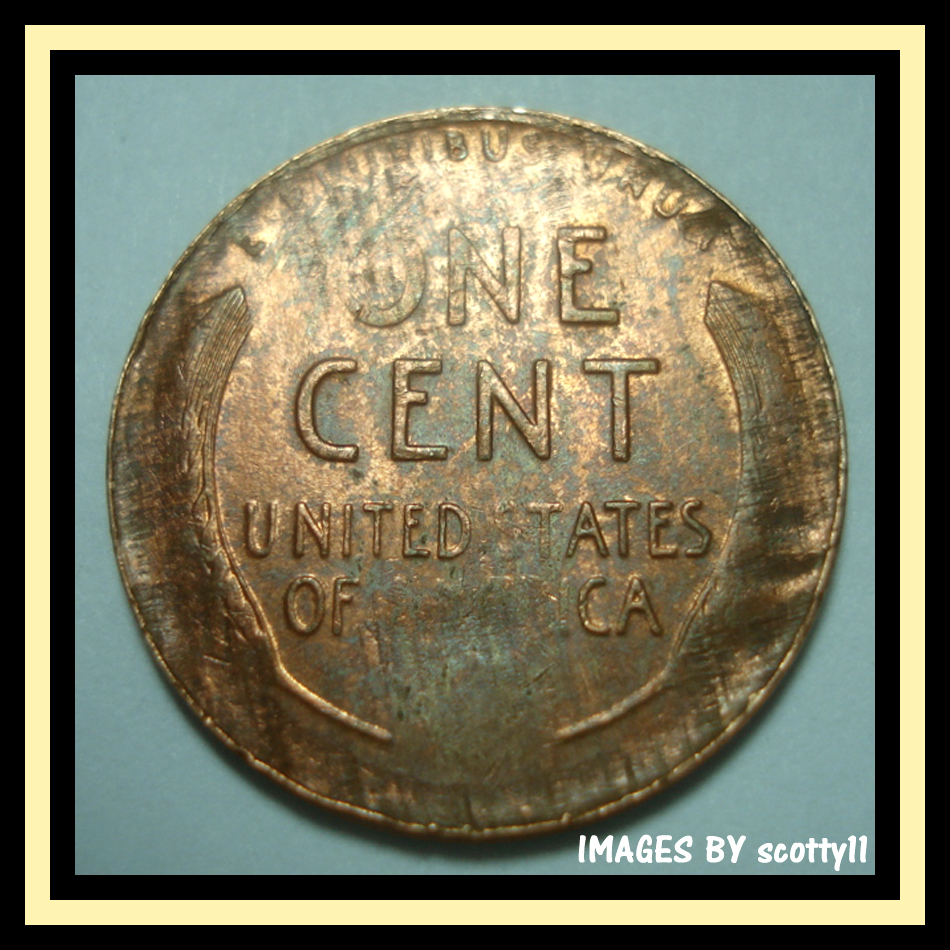
Just the weaken strikes and the missing devices from the lack of planchet thickness is noticed. But they don't look like your coin. Hope this also helps.
CoopHome:
How can you tell if a coin was altered, if it is a split off planchet? note the coin. uneven strikes are noticed on the error coins. on polished off coins, they are usually flat looking with no ghost images showing.






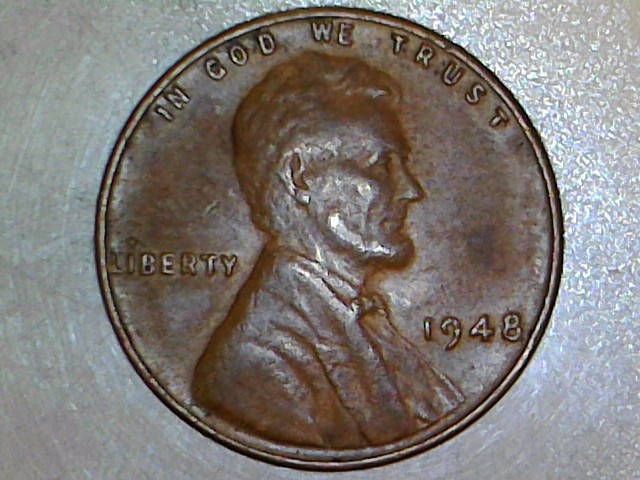
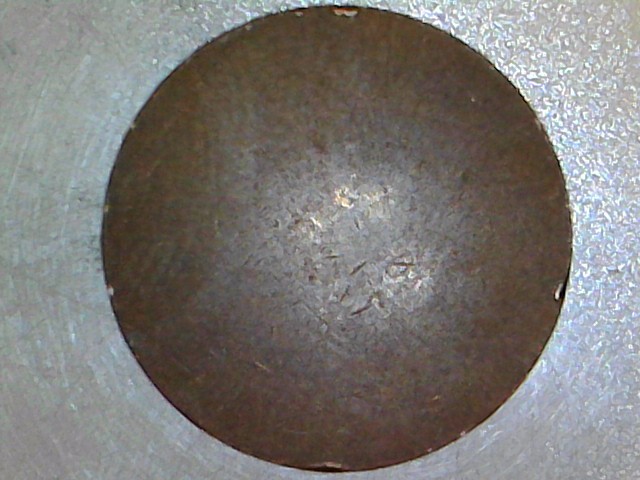


 Posted 11/16/2022 1:38 pm





