| Author |
 Replies: 15 / Views: 2,513 Replies: 15 / Views: 2,513 |
|
|
Pillar of the Community
United States
756 Posts |
Here is one I like a lot. can you figure out whats going on here? is this a real coin? do you know what dies were used?   Edited by CarrsCoins
11/26/2022 12:43 pm
|
|
|
|
Pillar of the Community
United States
3848 Posts |
Without any resources or serious experience with large cent die varieties, my best guess would be this is a modified 1812 small date large cent.
Suffering from bust half fever. Want to learn how to attribute early half dollars by die variety? Click Here: http://goccf.com/t/434955Shoot me a PM if you are looking to sell bust halves. |
|
Pillar of the Community
 United States
5726 Posts |
I'd say that's a pretty scarce date! My best guess is it's an expertly altered 1810, S-283.
|
|
Pillar of the Community
United States
4433 Posts |
I'd venture this is an altered 1813.
I've an 1845 cent that was altered to be 1815; and, far less convincing though as our OP's coin!
|
|
Pillar of the Community
 United States
756 Posts |
ill add a clue here. thats the reverse from 1816 N-9
|
|
Pillar of the Community
United States
5726 Posts |
Very interesting! How about an 1812 (S-290) obverse, 1816 (N-9) reverse? Never considered a composite of two coins!
|
|
Pillar of the Community
United States
756 Posts |
yeah. thats the obverse die.
this is actually an electrotype. it weighs ~10.6 grams which is about correct. usually electrotypes weigh heavy because they are filled with lead. in this case they didnt fill it completely. you can see a depression on the obverse around RTY in libeRTY on the headband. there is a corresponding depression on the revers just below the T in cenT.
so 1812 S-290 obverse modified to 1815 paired with an 1816 N-9 reverse.
Edited by CarrsCoins
11/28/2022 5:23 pm
|
|
Pillar of the Community
United States
3848 Posts |
Interesting! I'll give myself a pat on the back for calling the small date 1812. I think I have a S-291 in my Dansco 7070. I missed the different reverse though! The die states don't match well, so now I see the difference.
Can you add a photo of the edge?
Suffering from bust half fever. Want to learn how to attribute early half dollars by die variety? Click Here: http://goccf.com/t/434955Shoot me a PM if you are looking to sell bust halves. |
|
Pillar of the Community
United States
756 Posts |
sure. here you go. I also took another shot of that obverse depression whil I had the coin out. I couldn't get a pic of the depression on the reverse that showed anything worthwhile. 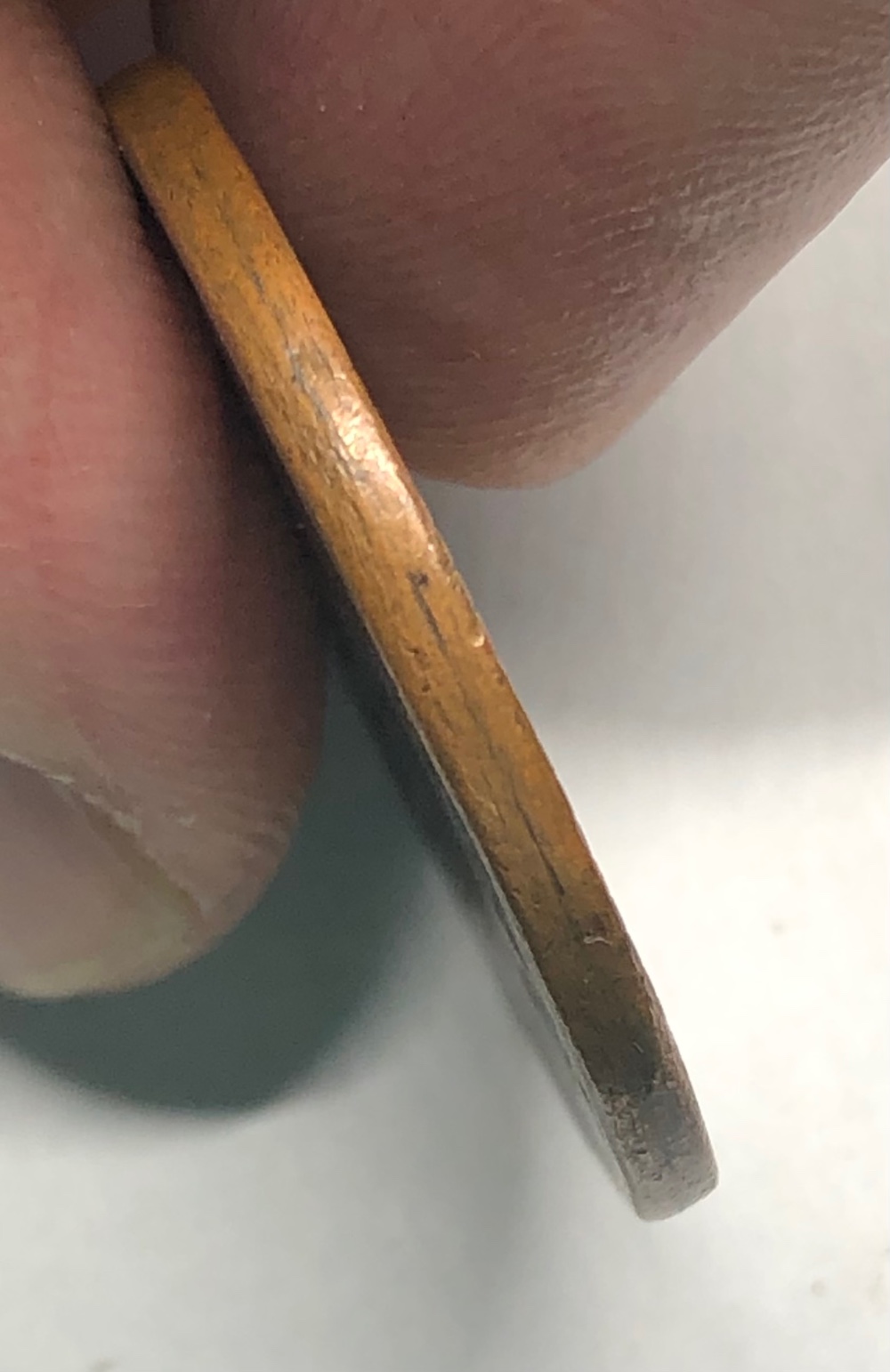  |
|
Pillar of the Community
United States
517 Posts |
Old post, new response!!!! My example: 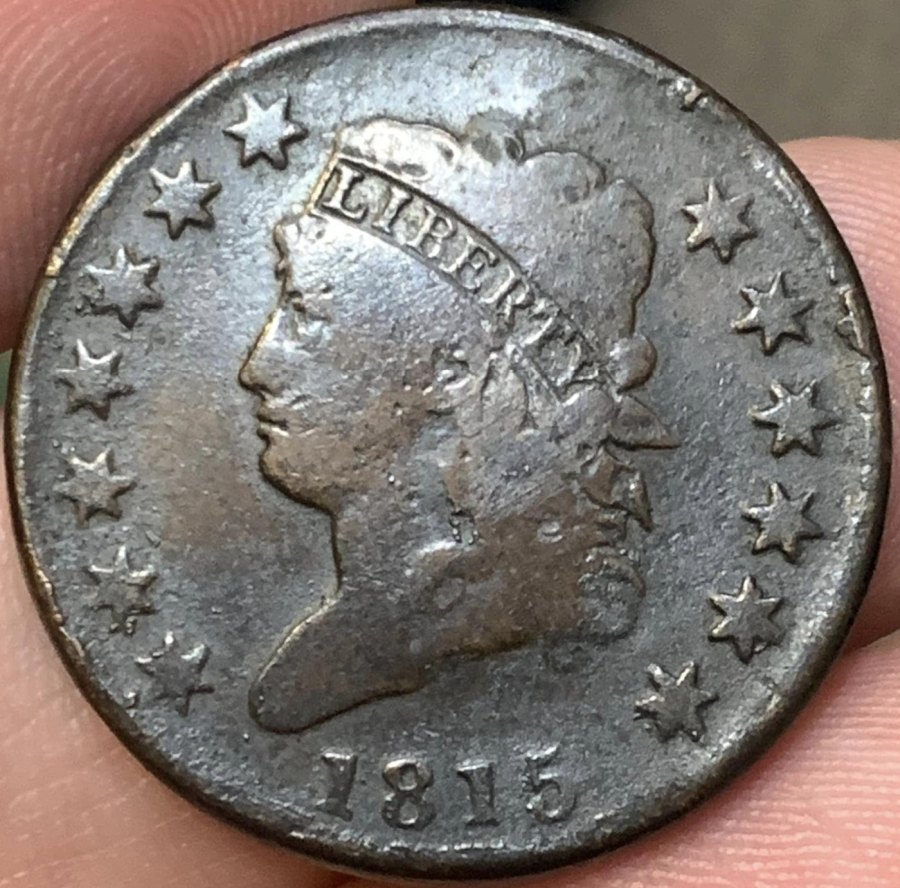 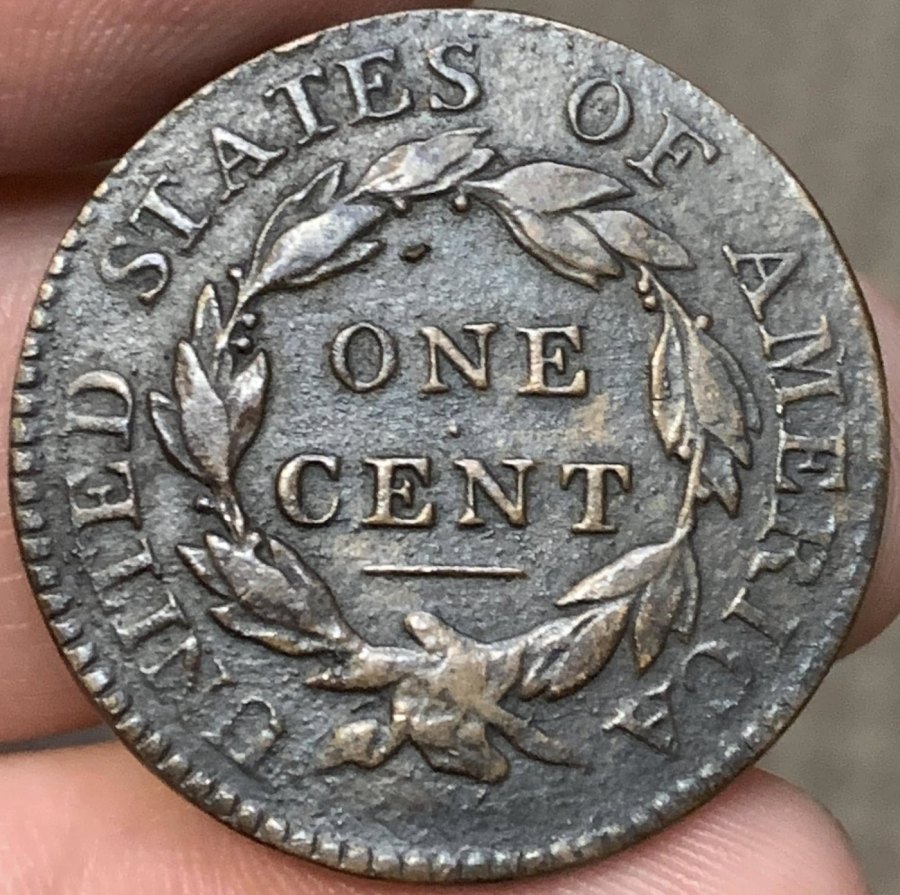 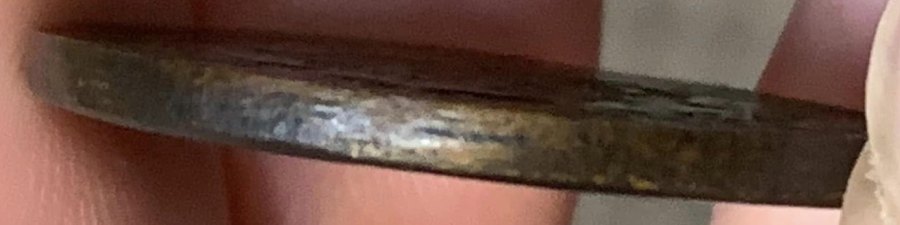 |
|
Pillar of the Community
United States
797 Posts |
|
|
Bedrock of the Community
United States
94367 Posts |
A most educational thread.
|
|
Pillar of the Community
United States
517 Posts |
After further review it does not look like a match to 1816 N-9: 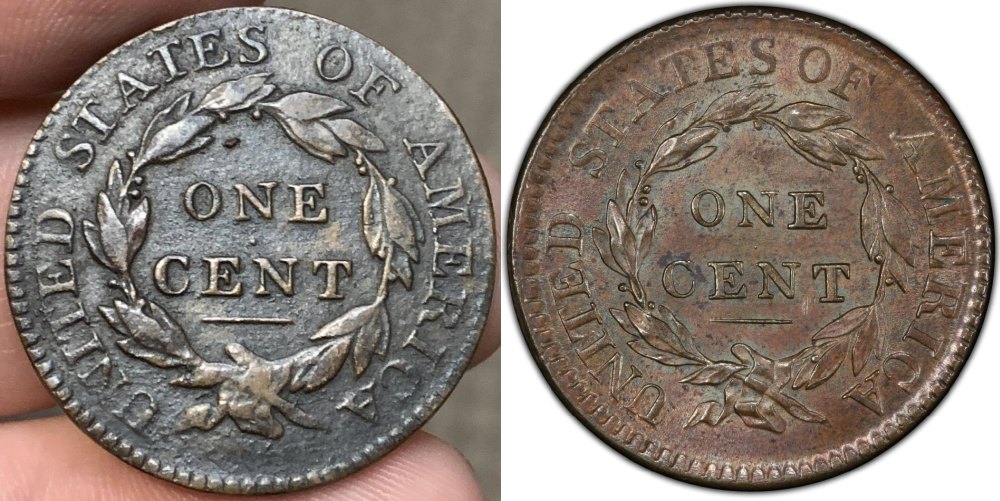 |
|
Valued Member
United States
271 Posts |
The side view of the coin looks like it is laminated. Two coin halves put together. It kind of makes sense since the 1814 was the last year of the classic head and the 1816 was the Coronet head, So the 1812 was probably modified?
|
|
Pillar of the Community
United States
517 Posts |
Posted Today 6H 19M ago Show Profile [View Users Recent Posts] Bookmark this reply Add Jimbo48 to your friends list Get a Link to this Reply
The side view of the coin looks like it is laminated. Two coin halves put together. It kind of makes sense since the 1814 was the last year of the classic head and the 1816 was the Coronet head, So the 1812 was probably modified?
I just showed it it NOT the 1816 reverse...
|
|
Moderator
 United States
198004 Posts |
Quote:
Old post, new response(s)... Thank you!  |
| |
Replies: 15 / Views: 2,513 |
|




 Posted 11/26/2022 3:38 pm





