

 Posted 01/09/2023 1:03 pm


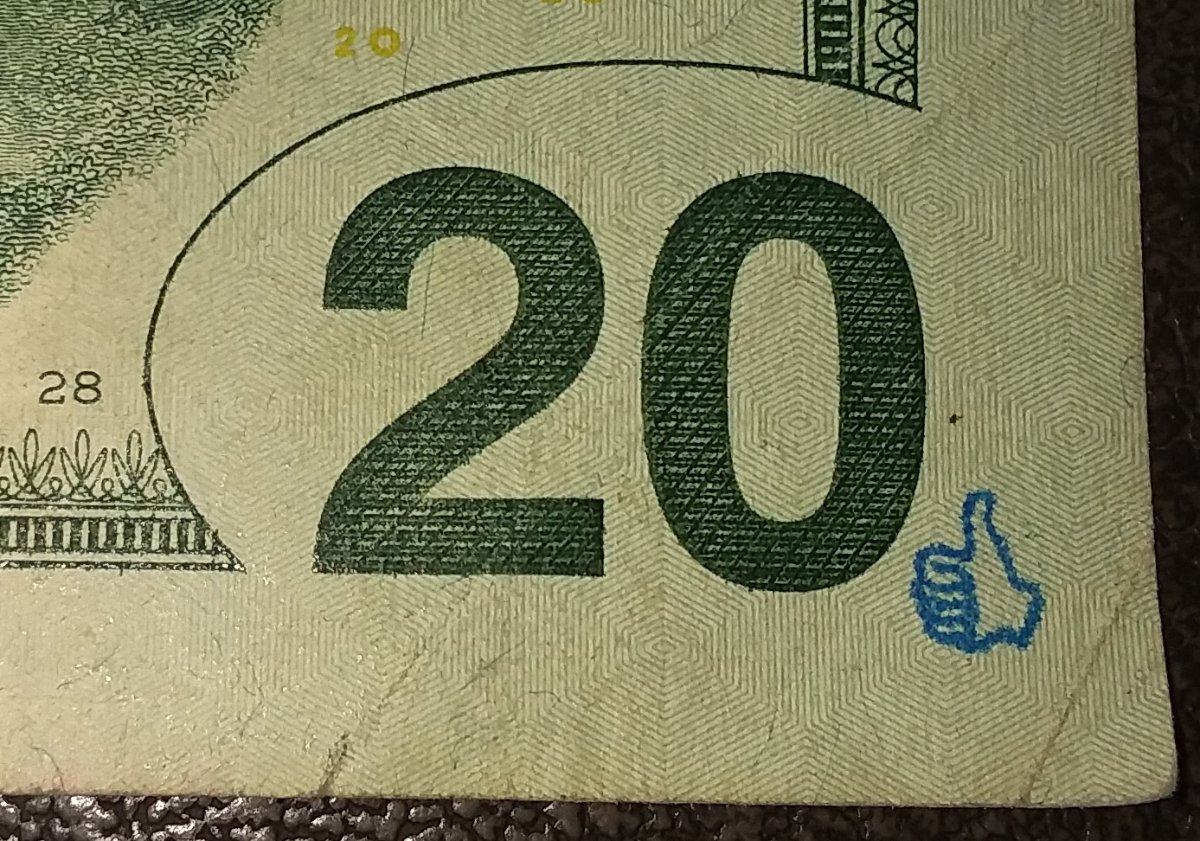
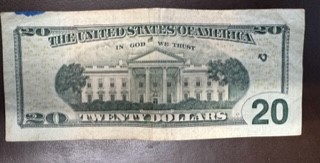
 with Coinfrog but have not seen that particular mark before on a modern 2013 series note. Money changers occasionally mark the bills in their possession using a stamp. It allows them to identify the note and ensure that it is authentic when it goes out into circulation. Although the practice is uncommon in the United States, it is common in places such as Asia, Africa or Latin America, where counterfeit American currency is more rampant. The chop mark signifies to people living in the area that the bills are legitimate. Chop marks can appear in different patterns, symbols and colors, depending on the region and exchange house.
Why Chop Marks Are Placed On Bills (Typically high dollar notes like the $100)
Although the United States itself has become a society where electronic transactions now rival the usage of cash, this is not the case in many developing countries, where cash is still considered king. Many of these nations are poor and neither street merchants nor small shops have the resources or connections to setup up credit or debit card payment systems. Even if they did, many of the locals lack bank accounts and would be unable to use them, and since electronic transactions can easily be tracked and traced by the authorities this would make the vendors subject to taxation, which they would balk at.
As you can see, there is no reason for street vendors or small shop owners in places like Bolivia, Sri Lanka or Bangladesh to want to setup a credit or debit card payment system. This is why wealthy tourists visiting developing countries almost always have to use cash if they want to conduct transactions outside of major resorts or cities. Using cash is simple and private, and gives both buyers and sellers anonymity. However, the dark side to using cash is the problem of counterfeiting. Since the U.S. $100 bill is one of the most recognized pieces of currency worldwide, there is a huge incentive for criminals to counterfeit. And although the American government regularly takes steps to combat it, chop marks are seen as an additional layer which protects both merchants in developing countries as well as their customers.
Do Chop Marks Ruin The Collection Value Of Currency?
It depends. Many currency collectors who come across $100 bills with chop marks choose to hold onto them, which might prove fruitful in the future. If they know the origin of the mark, and that particular bill eventually goes out of circulation, it could indeed carry a premium. But the reverse is also true. Many currency collectors will tell you that any stamp or mark placed on the bill which did not come from the American government will actually ruin, rather than enhance its value. Only time will tell.
this was last discussed here http://goccf.com/t/404369
Edited by datadragon
01/09/2023 1:04 pm
01/09/2023 1:04 pm