










 Posted 02/02/2023 12:11 pm


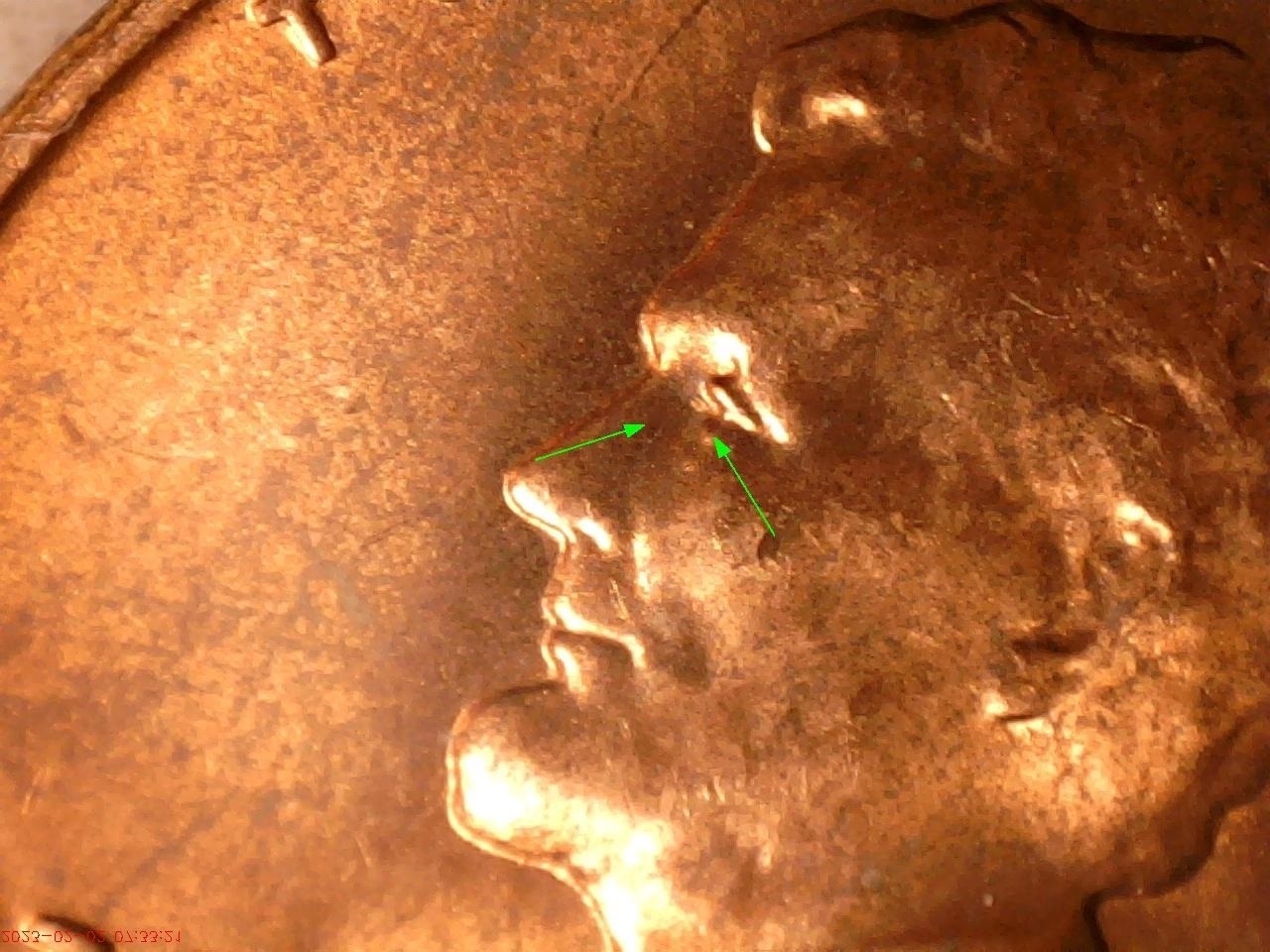
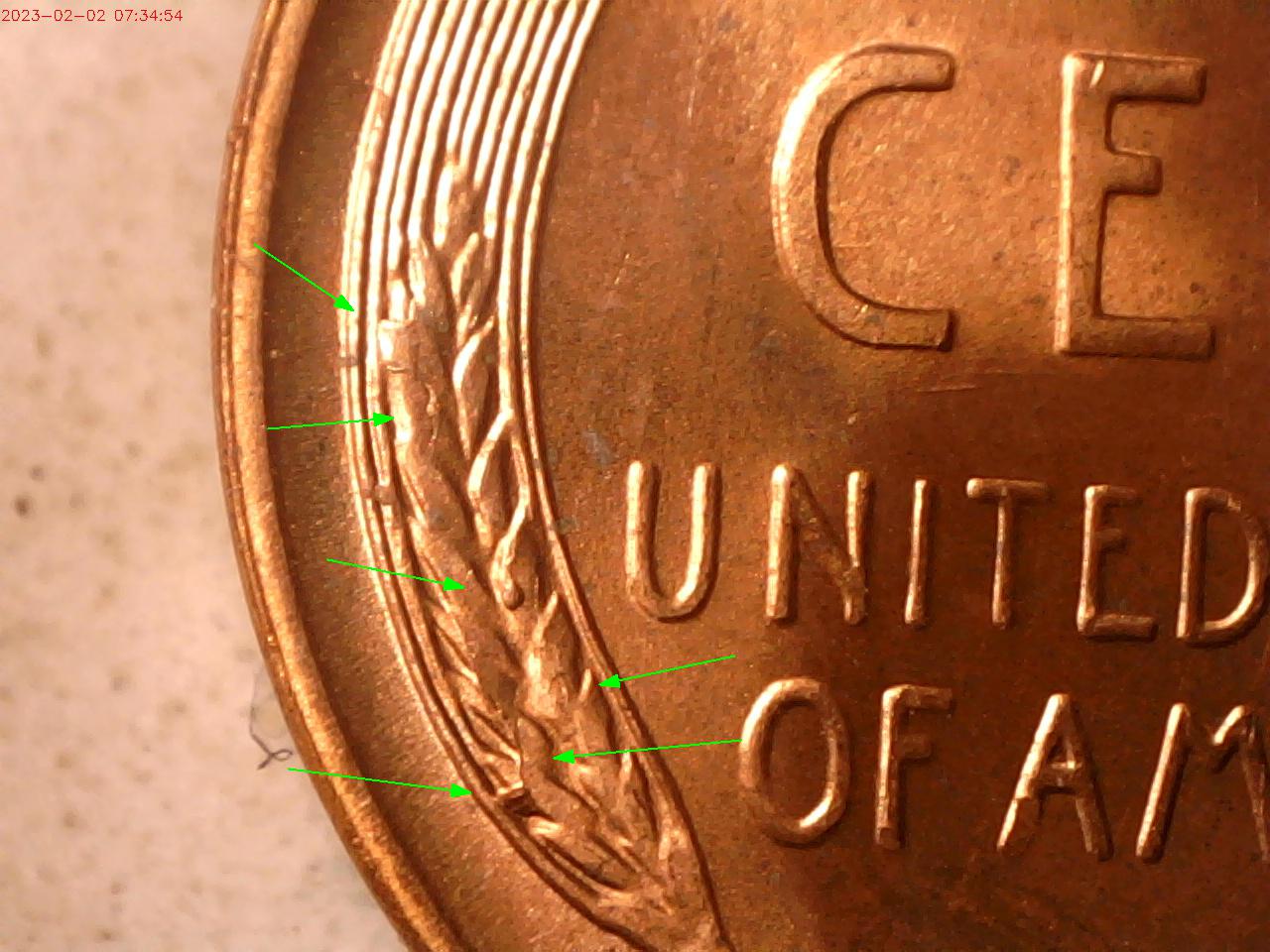
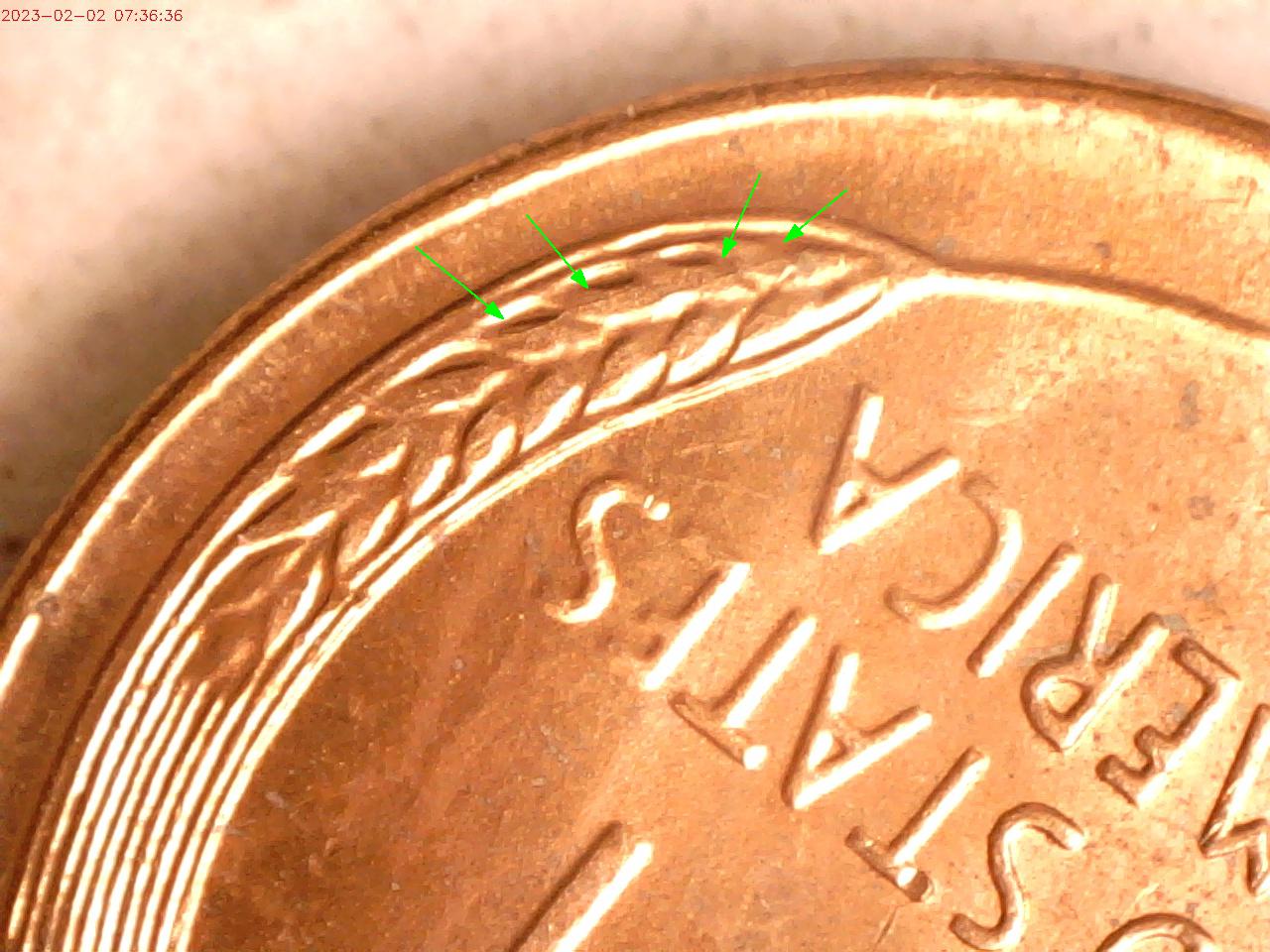
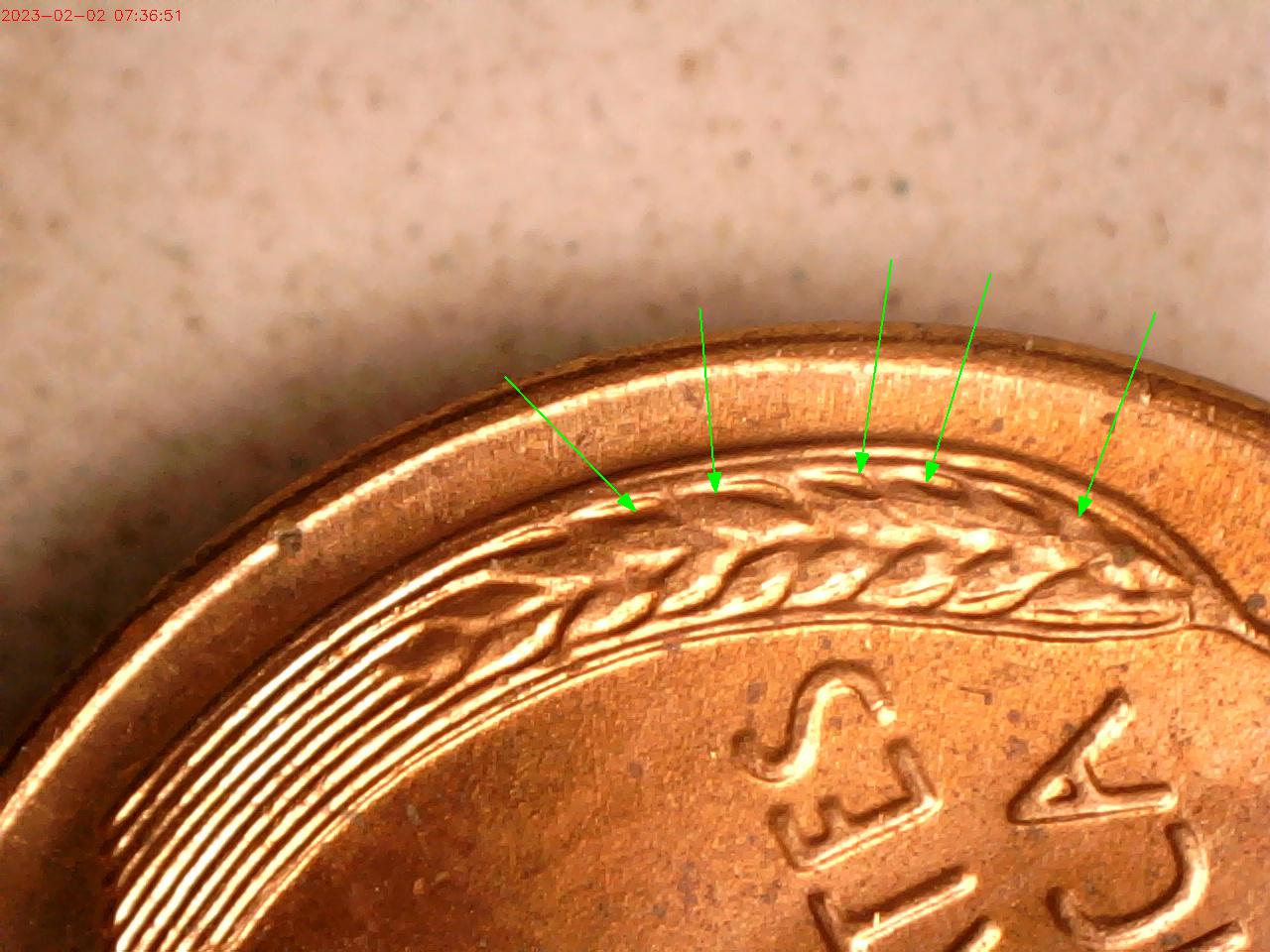
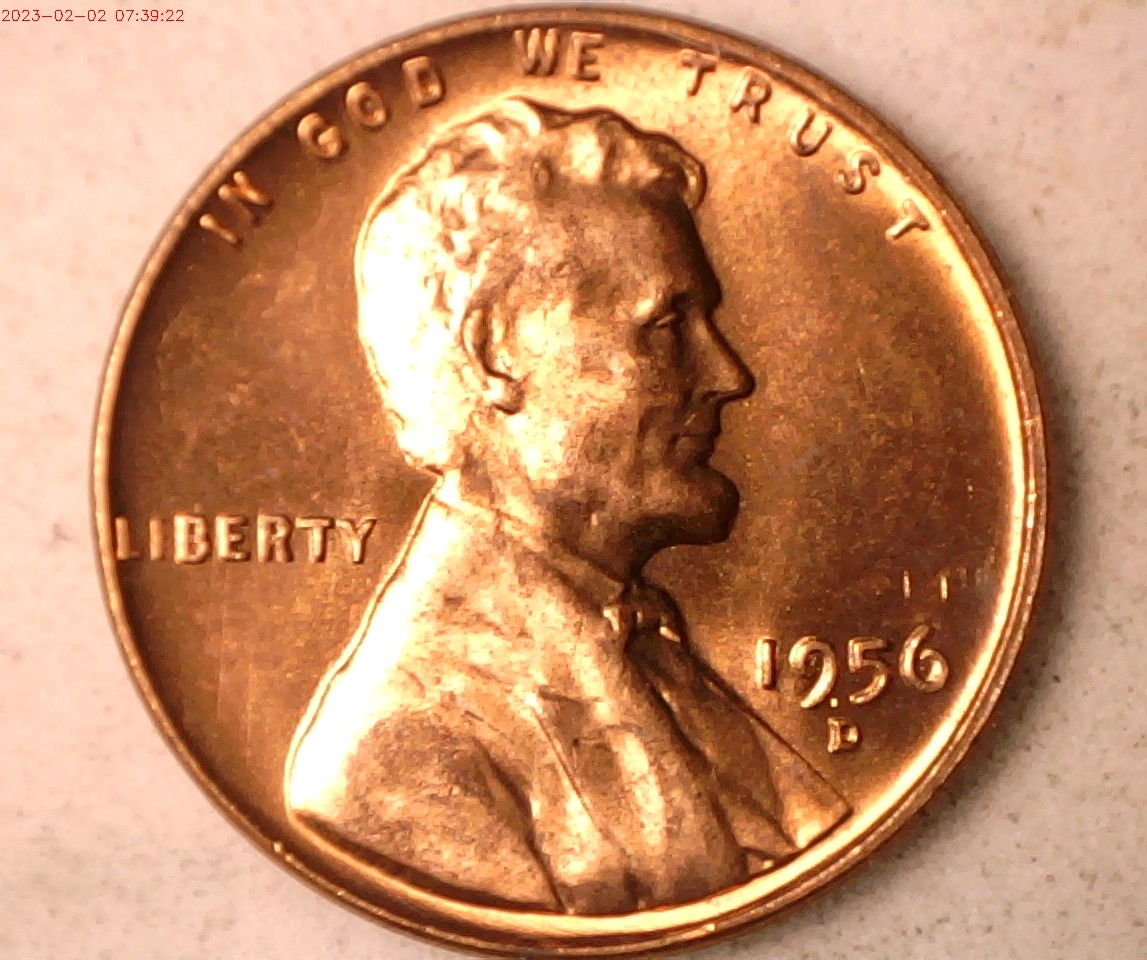
The affected area is under the eye. The second arrow is not an eyelid. You can take the image the way that you did, but rotate it to horizontal to post if on the forum. The light direction will show the same on the image, rotated to horizontal. Nice find. (I feel this one should have been listed as a TDO, rather than a DDO. Why? Because there are two eyelid present on this die) But being a close doubled issue, the other devices were not affected that much. So how can this doubled eye lid appear? I feel the first hub to touch this die was not exactly aligned correctly, they tried again, and it was still not correct alignment, but had changed to a close in position. Then the third hub process happened and created the normal design. So why didn't that last hub process not remove the two eyelids? Because the hub alters the devices that are incuse on the die, (raised on the coin) these incuse marks would not be removed die, unless they would to be raised on the coin. Thus the doubled eye lid shows, but all the other devices were corrected on the die. Thus these incuse marks are not altered with a flat contact mark on the die. (They would remain on the die) Showing these incuse marks on the coins. Seems more during the 1950's/60's these are seen. So something changed in the newer and older dies during that time period. (Having figured that out yet) It probably wasn't know for a few years that is was an issue. But the collectors caught it.


