| Author |
 Replies: 35 / Views: 6,054 Replies: 35 / Views: 6,054 |
|
New Member
United States
20 Posts |
|
|
|
|
Bedrock of the Community
United States
10982 Posts |
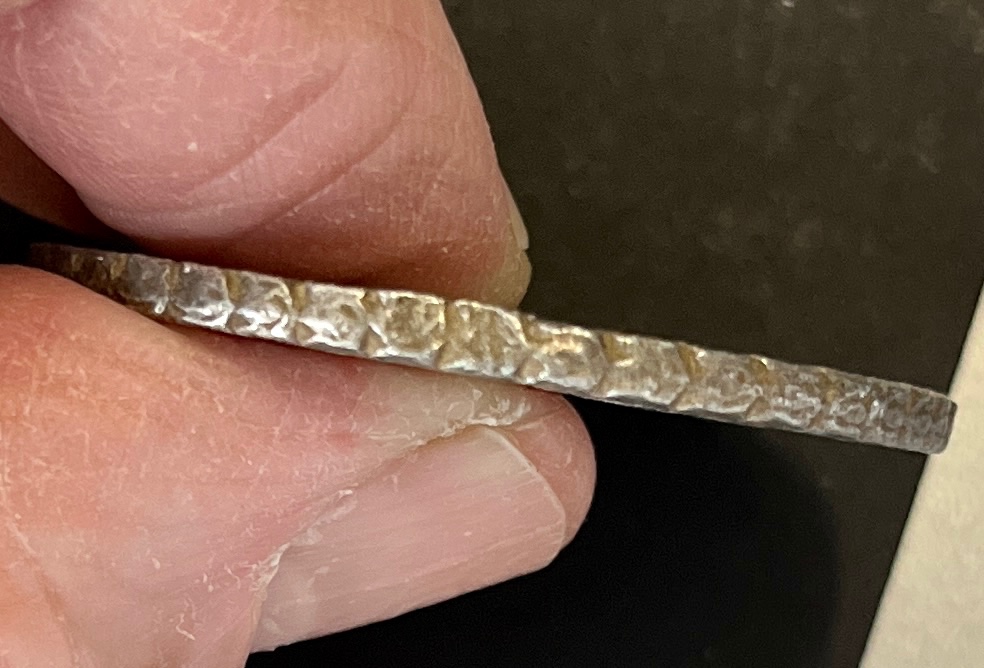
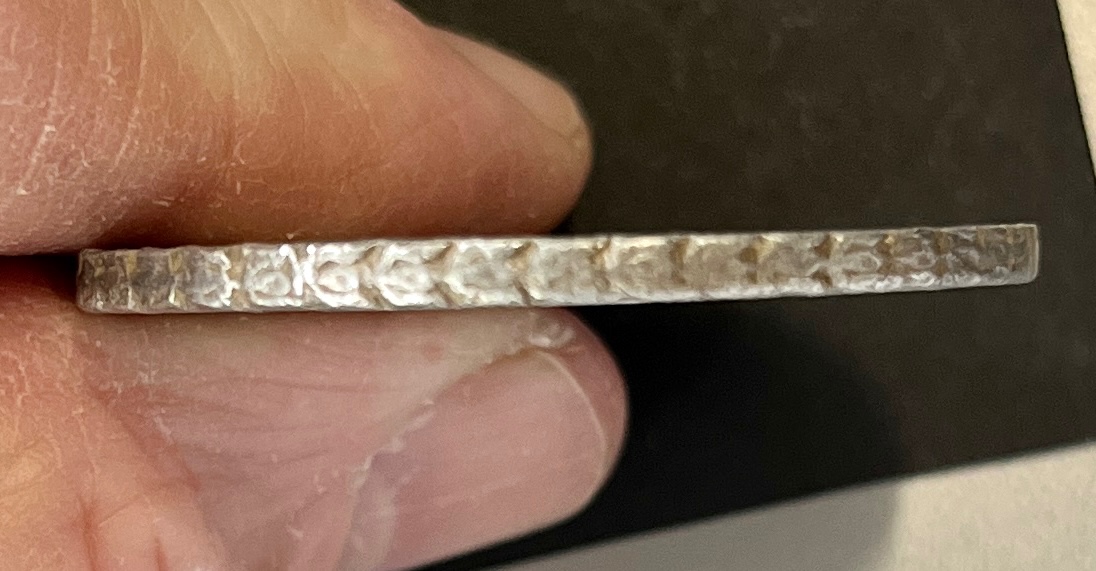
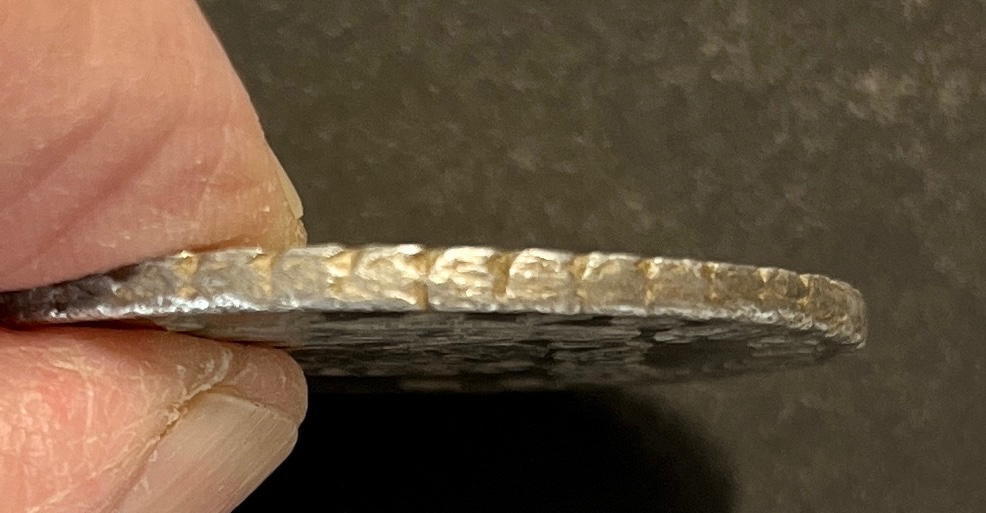
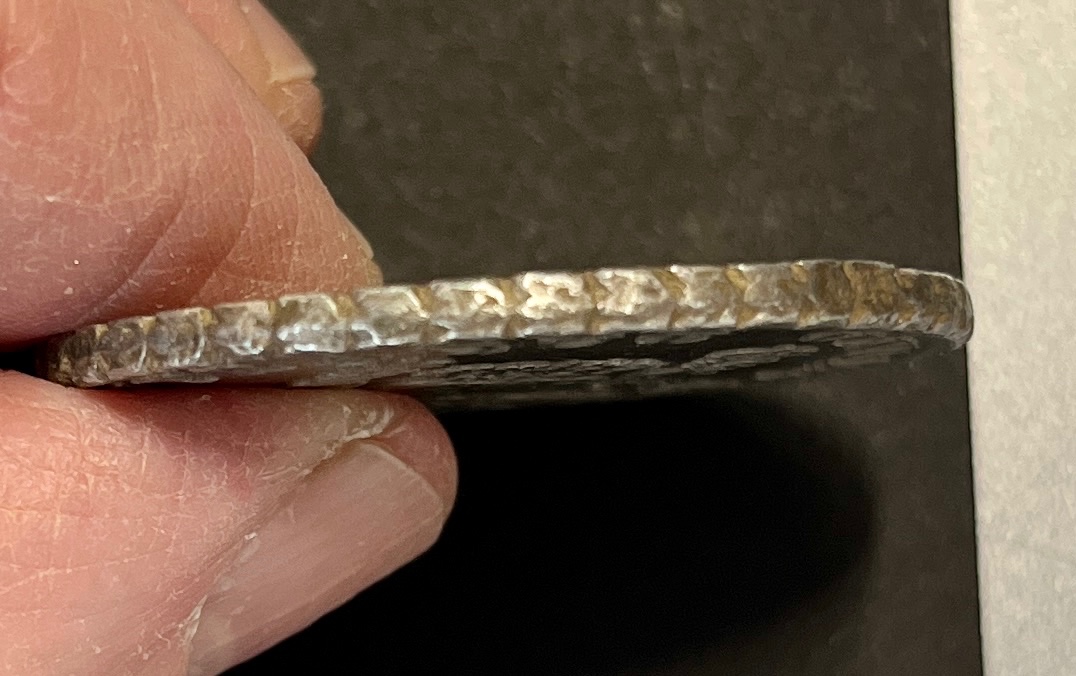
Do not hold coins between your fingers like in these images. Fingers can leave residual substances that can permanently damage a coin.
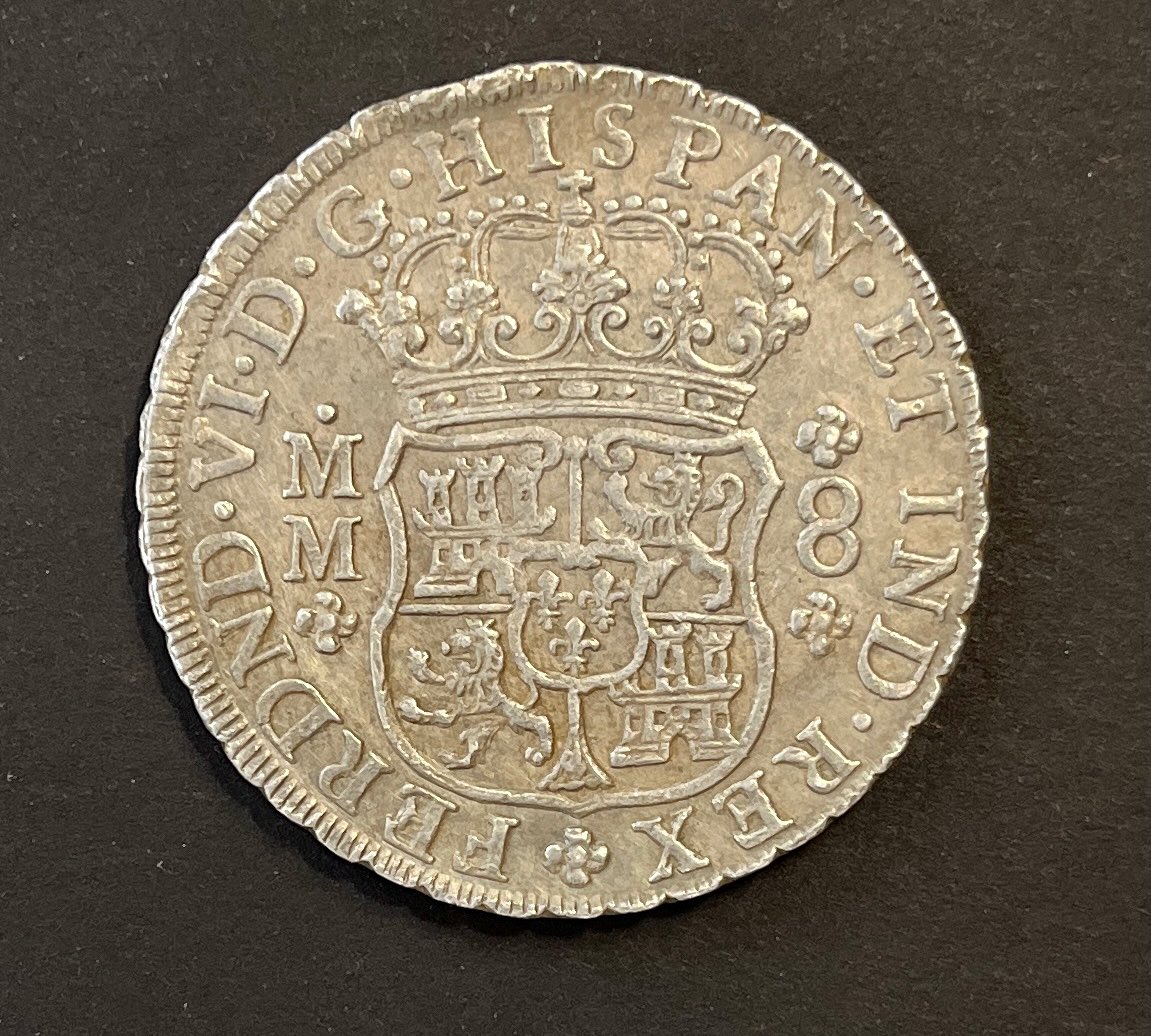
It appears to be a Peruvian piece. Weight and diameter are good. I cannot tell you it is genuine but it seems to be in amazing condition considering it's a ground find.
|
|
Bedrock of the Community
 United States
27255 Posts |
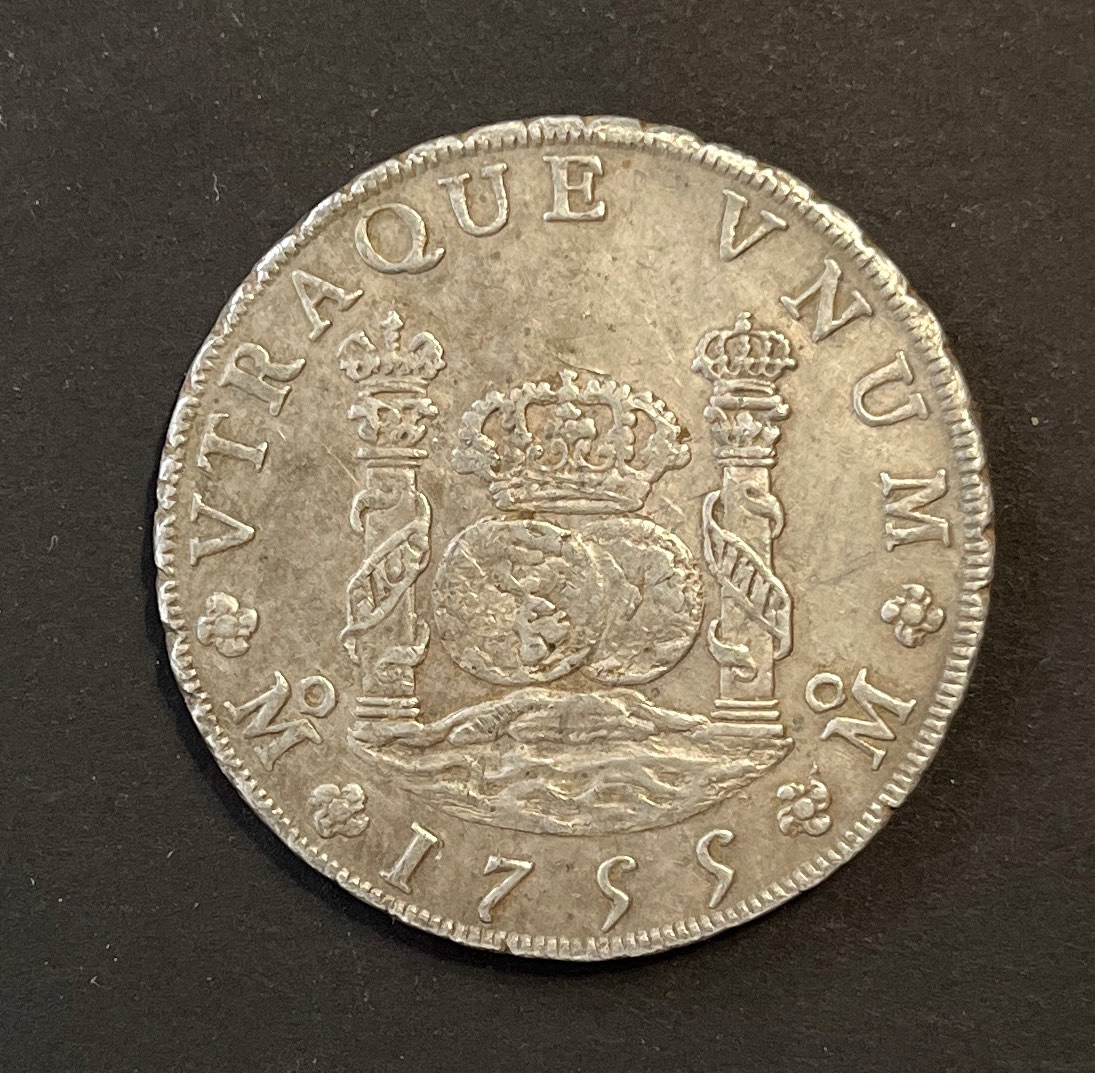
It was minted in Mexico City - the mintmark is the "o over M" to either side of the date.
But wow, it is in incredibly good (suspiciously good?) condition for having been buried for 250+ years.
Inordinately fascinated by bits of metal with strange markings and figures
Edited by HondoB
04/22/2023 12:30 am
|
|
New Member
 United States
20 Posts |
Thanks for replies. I was going to post a picture of what it look like when it came out of the hole but I can't reduce the size of the photo to 300 K. But these photos I was able to reduce after soaking in distilled water overnight. 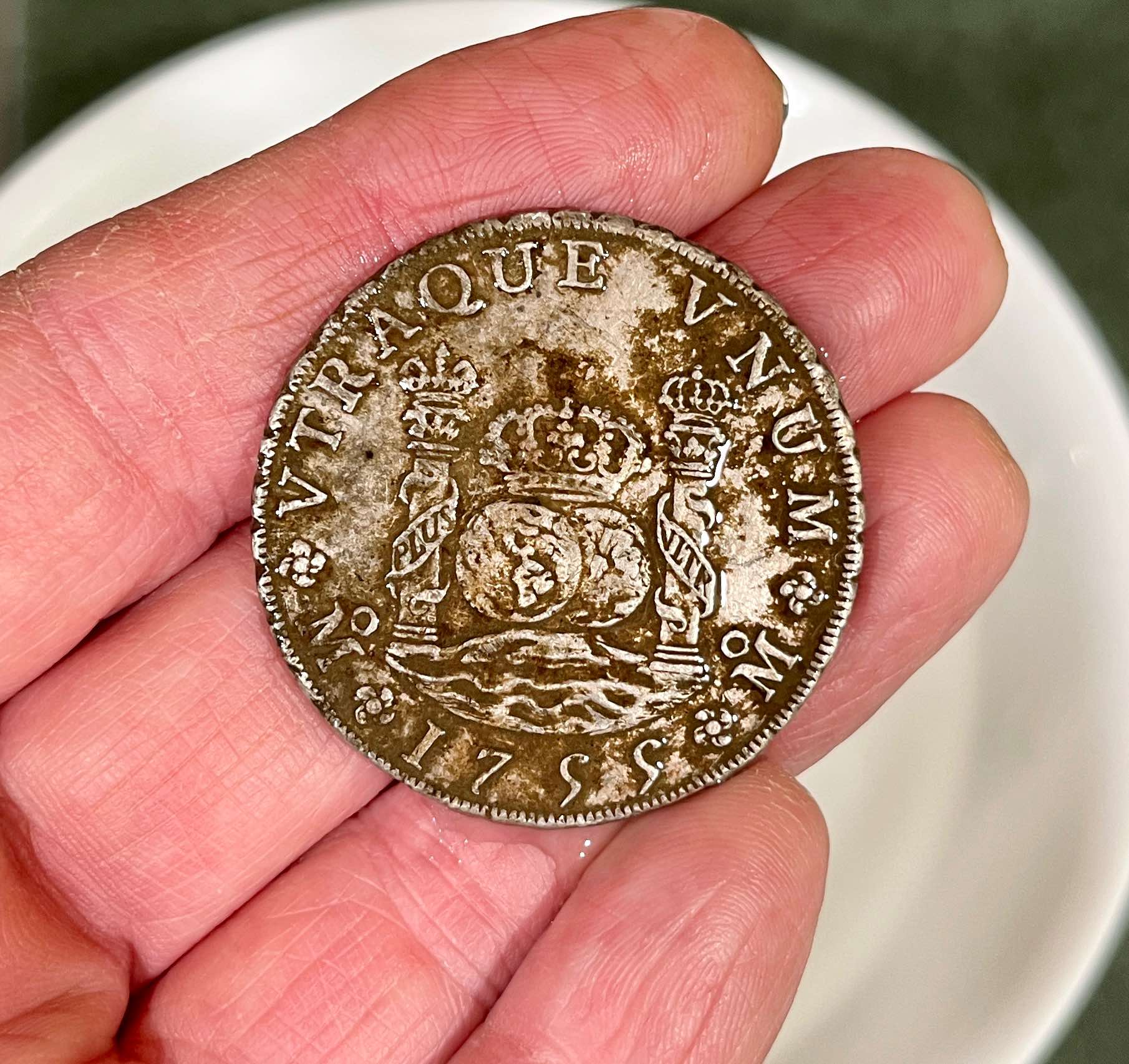 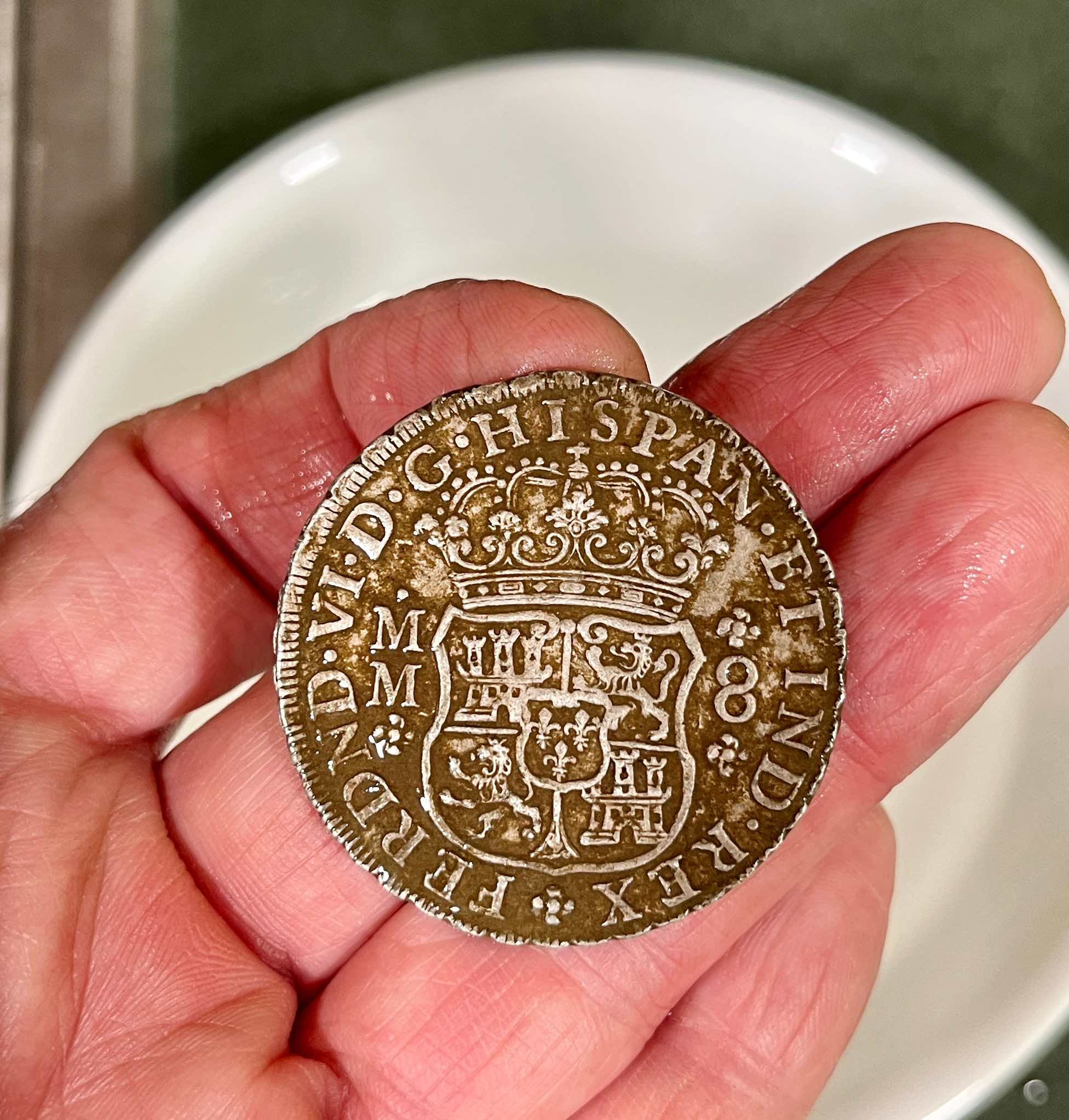 |
|
New Member
United States
20 Posts |
Thanks for reply, Hondo. The silver comes out of the ground good at this site, good drainage. I understand how some people may be suspicious who are not in the hobby. I also found a 1740 pillar half Reale that came out just as nice. The details that were more worn, the coin was circulated more. 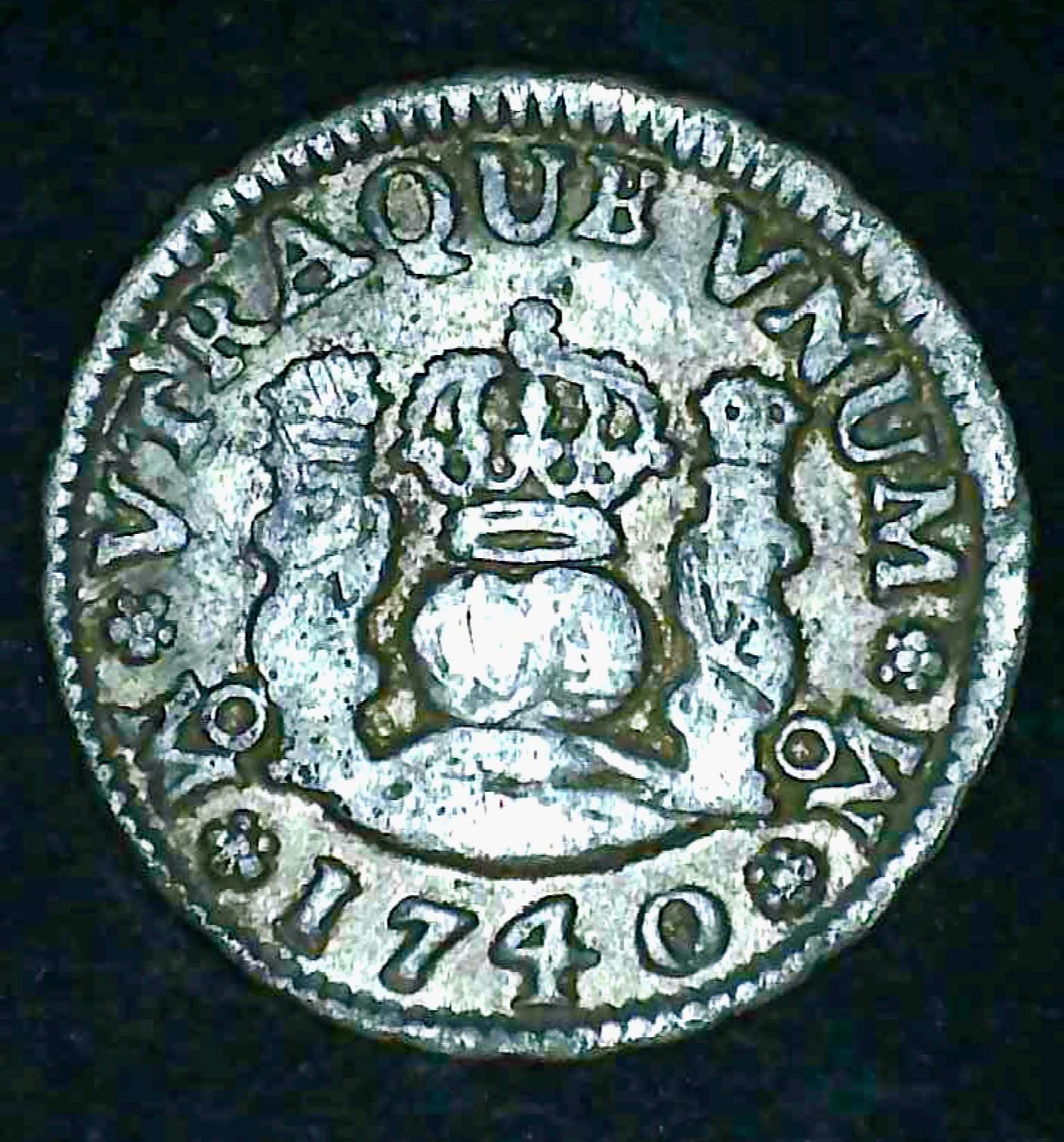 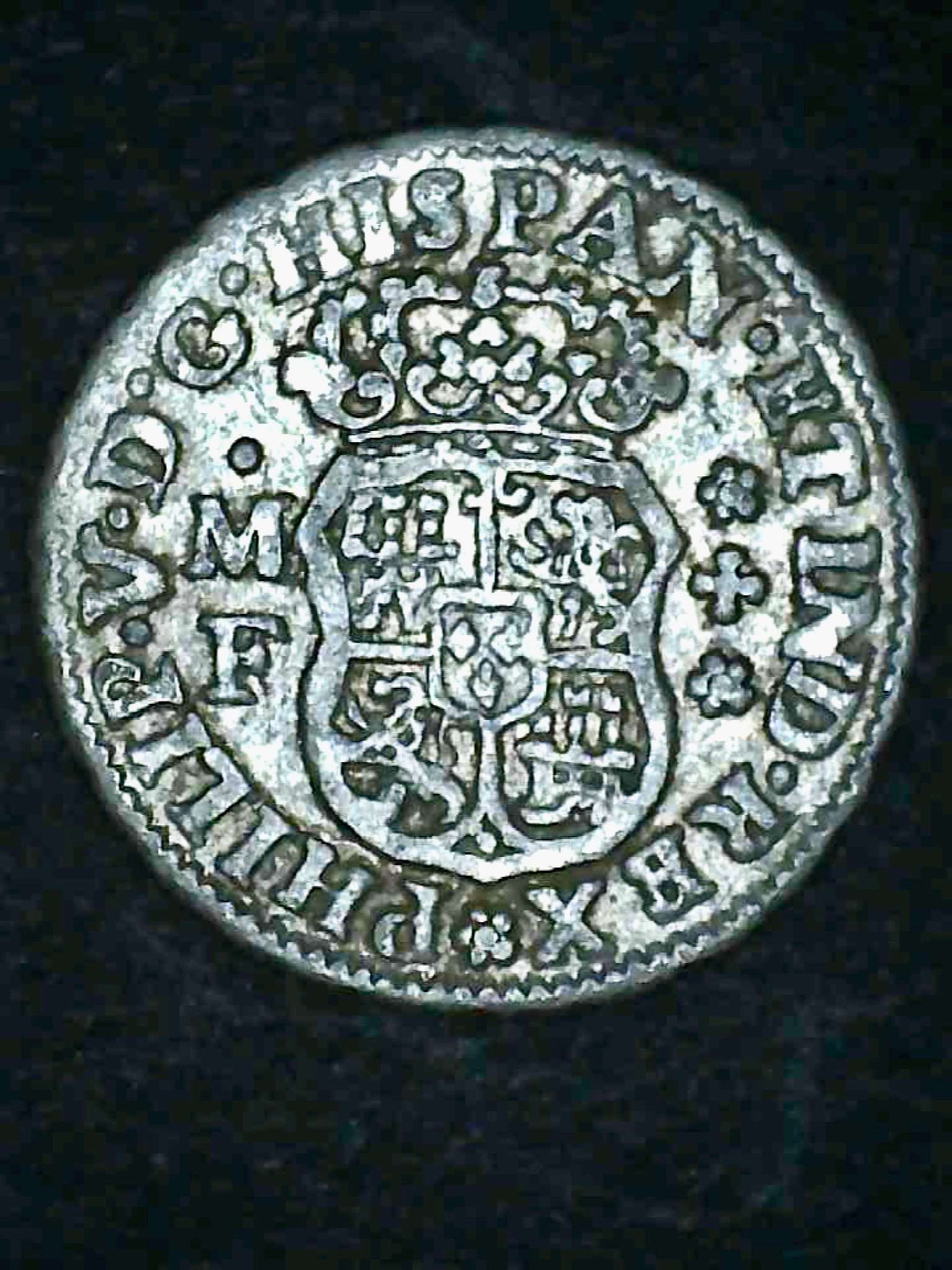 |
|
Valued Member
Canada
363 Posts |
Super great condition from the ground, luckier than most!
That's a good looking coin, a keeper!
|
|
Pillar of the Community
United States
1962 Posts |
This came out of the ground like that - near Westchester? Geez.
VERY nice find - sharp genuine example
.
|
|
New Member
United States
20 Posts |
Hi realeswatcher. I will not divulge the location of the find beyond saying state of NY.
Thanks for reply. I glad it's your opinion that the coin is genuine, from what I understand there are many forgeries. Do you or anyone think I should send NGC to get certified? I don't want to waste time and money if it is a forgery.
|
|
Bedrock of the Community
United States
10982 Posts |
My apologies for misidentifying your coin.
For authenticity I would send it to ANACS. It is an amazing find and once certified genuine it deserves a follow-up post. :)
|
|
Pillar of the Community
United States
2311 Posts |
Anacs is the best with foreign coins.
You realize when you know how to think, it empowers you far beyond those who know only what to think.
-Neil deGrasse Tyson
|
|
Pillar of the Community
United States
5362 Posts |
Pillar 8 Reales (Dos Mundos) are very difficult short of a couple tests to absolutely sure of. I have a nearly complete date set of Numismatic Forgeries of this type that contain 90% silver. They were all produced in China in the past 30 years and come from known forgers. The date 1755 appears as a silver NF.
To be positive, I suggest two tests. The first test is density. It appears you have cleaned the surfaces very well and that no significant porosity is present. So, a straight forward calculation of density is called for. The second test is an XRF test set for both silver and gold. Any reasonable quality testing apparatus found in a laboratory setting like a university should be fine. The newer the apparatus the better and the higher power beam the better. There is virtually no chance of any damage resulting but the results should be run through a scrubbing program (most decent laboratories are so equipped). This scrubbing is needed to identify the three levels from which photons escape and it also reduces false positives from elements that are not actually present. The test should run $30-50 and will be definitive. You may want to explain the origin of the coin in a dig to see if you can interest them from an academic point of view.
In 1755 silver used at Mexico City was primarily refined using the patio process (by a significant margin). The output for the year was high enough to assure a mixed silver supply.
If the coin contains roughly 90 % silver, I would expect no less than 800 to 1000 ppm gold. In 1755 the cost to get the silver refined to a purer state than about 99% was too costly to pursue at Mexico City.
The gold left behind by the mercury amalgam process will leave a very significant trace in any silver coin if the era. The highest level of contamination recorded to date for a coin made in Mexico using silver refined by amalgamation with mercury was 3.8% gold or a contamination level of 38,000 ppm gold. So, 1,000 ppm or one tenth of one percent (0.001) is really not much.
|
|
New Member
United States
20 Posts |
Thank you for the replies numismaticsFTW and BH1964. I will look into ANACS.
|
|
New Member
United States
20 Posts |
Hello swamper Bob thank you for your reply.
A lot of information I will have to try to figure out where I can get those two tests done. Are they offered with a coin certification company?
Another question I have you, I didn't understand this phrase in the first paragraph "The date 1755 appears as a silver NF." What do you mean by silver NF ?
|
|
Pillar of the Community
United States
5362 Posts |
NF refers to Numismatic Forgery. It is one of two primary forms of forgery. NF refers to a coin specifically made to defraud collectors. It is the most dangerous class of fakes. These coins were never made to actually circulate as money in day-to-day transactions. The threat is to collectors who believe they are worth more than face value because of numismatic value. CCC means Contemporary Circulating Counterfeit. CCC refers to a coin made to circulate alongside coins found in day-to-day transactions. In large numbers, CCC's can pose a threat to a nation's monetary stability. Individually the fraud is the face value only. Counterfeiting laws were designed to protect a country's currency from being destabilized. It covers only coins found in day-to-day circulation (using the definition of coins being current money). Counterfeiting laws were not designed to protect collectors from fraud. Counterfeiting laws do NOT apply to coins that are non-current - like a three-cent piece or demonetized like ancient coins. NF coins are not typically prosecuted under counterfeiting laws but rather under laws regulating commerce because they are fraudulent. The distinction between the two types is legally very significant. Passing a single dollar coin under counterfeiting law is a crime involving only a dollar. These crimes are rarely prosecuted. However, selling a collector coin (say an 1889 CC Morgan dollar) is a felony under fraud statutes because it sells for over $1,000. The distinction is why the possession and sale of CCC coins are legal in most jurisdictions as long as the coin is properly described at the point of sale. A key difference in the law is the concept of "current money". Counterfeiting involves only "current money" which is routinely seen in day-to-day commercial transactions. Current does not mean the same as being monetized. Money is monetized by an entity that has the lawful basis for issuing money. In the US it is the government, and they designate a value for a coin. Only the Half Cent has been demonetized in the US. Regarding the two tests, NO third-party grader offers a comprehensive service that includes both tests together with an accurate presentation of the results with conclusions. They usually do not even weigh the coin. They rely on a visual inspection by experts for over 99% of all authentications. They are not set up for the scientific analysis needed to be 100% certain. With very minimal training and a decent quality scale that measures weight to one one-hundredth of a gram almost anyone can perform a Specific Gravity test. The principle is simple. The density of the coin is the coin's weight in air divided by the volume of the coin expressed in cubic centimeters. The volume of the coin is equal to the weight that the coin "seems" to lose when it is weighed suspended in water. See you tube for how it is done. Some TPG's will for an added fee do a quick screening XRF but isolating counterfeits with XRF is a relatively new scientific field and the results they get are rarely interpreted for the owner. You will need to find a laboratory - like those associated with universities to locate the needed equipment. Typically, these tests are used in environmental applications looking for contamination (like lead in paint). You can sometimes find a junk yard that uses XRF to evaluate unknown metals. Those tests are good as long as the unit is set for gold content. The apparatus will unlikely be powerful enough to accurately determine the silver/copper ration but for gold it is good enough. Once you have the results there are several members on the forum familiar with interpretation of the results. If you have other questions please ask.
|
|
New Member
United States
20 Posts |
Wow, thanks for your comprehensive reply swamperBob.
I so until I get the two tests completed only other question I have is, visually my coin, doesn't look like an obvious forgery? Now I understand that a visual, weight and diameter measurements isn't enough to confirm it's authenticity.
I'm away on a trip right now, so the Coin is not in my possession. When I get back next week, I will perform the specific gravity test. I'll let you know the results.
I will search for a laboratory for the XRF .
Once again, much thanks
|
|
Pillar of the Community
United States
1962 Posts |
Bob, obviously this is all prudent information in general... but even disregarding anything about its origin, this piece is pretty clearly genuine. Quote:
I will not divulge the location of the find beyond saying state of NY. You have your location in your profile - just assuming it's within a sensible drive. My cousin just had her kid's Christening at their fire dept. HQ hall last weekend. Point being, very nice preservation for a fairly humid part of the country. Obviously, circumstances of how/where things are situated can vary. Aside from the 1/2R pieces, what other coinage has been found at the site? You don't need to be told, but obviously pound the daylights out of it with the best equipment you can... and dig carefully to avoid scrapes on any other large pieces that may surface. Have scoured TNet's archives for years... many times when something that old/big surfaces, there are others nearby. Quote:
Do you or anyone think I should send NGC to get certified? Presumably, you're asking how to get the most money out of it when selling. NGC or PCGS. In hand, the few surface marks on the pillars side "might" be considered enough to call it "Details - Damaged" or similar, rather than "straight grading"... but it has a chance. Detail-wise, it's XF, perhaps AU. |
| |
Replies: 35 / Views: 6,054 |












 Posted 04/22/2023 12:10 am


