| Author |
 Replies: 10 / Views: 990 Replies: 10 / Views: 990 |
|
|
New Member
United States
2 Posts |
I have recently acquired this 1936d walker with some characteristics I've not seen before. At 1:00 on the obverse, the rim has some metal that appears to be folded over. I've included a picture of that. I thought maybe a planchet error, or lamination issue before minting, but noticed the face and oak and laurels. The face appears very flat, the bottom line of the cap is completely gone, and no hair detail. Furthermore, the E in liberty is concave, as is the R, and the details in the oak and laurels are almost completely gone. On the reverse, I see the same concave flatness in the LAR of HALF DOLLAR. I see no wear on the coin, and suspect that this is an MS coin, great skirt lines, no rubbing or wear on the reverse wing. Good breast feathers on the eagle with no wear. Has anybody seen this type of issue before? Thank so much in advance for your time! 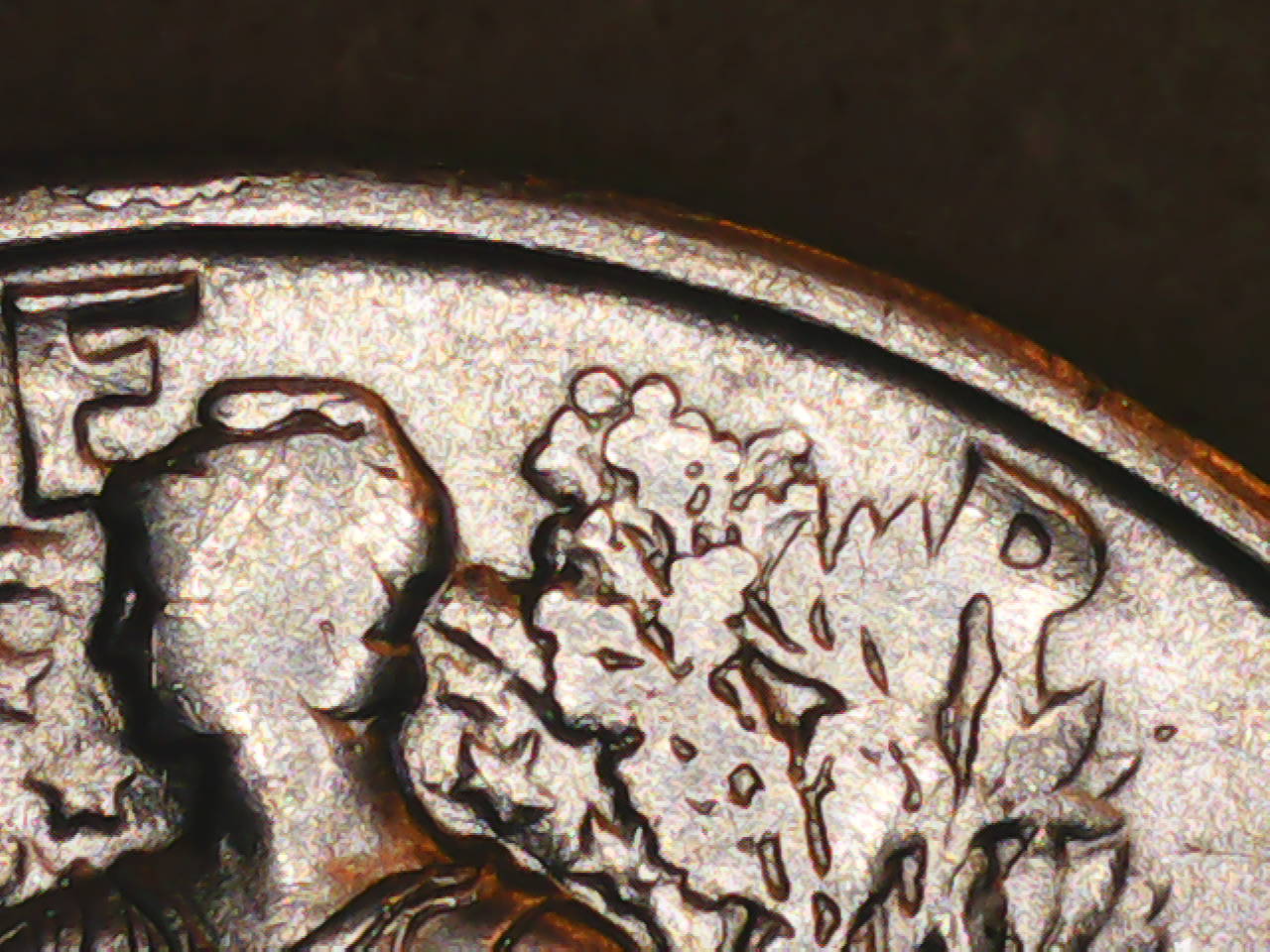 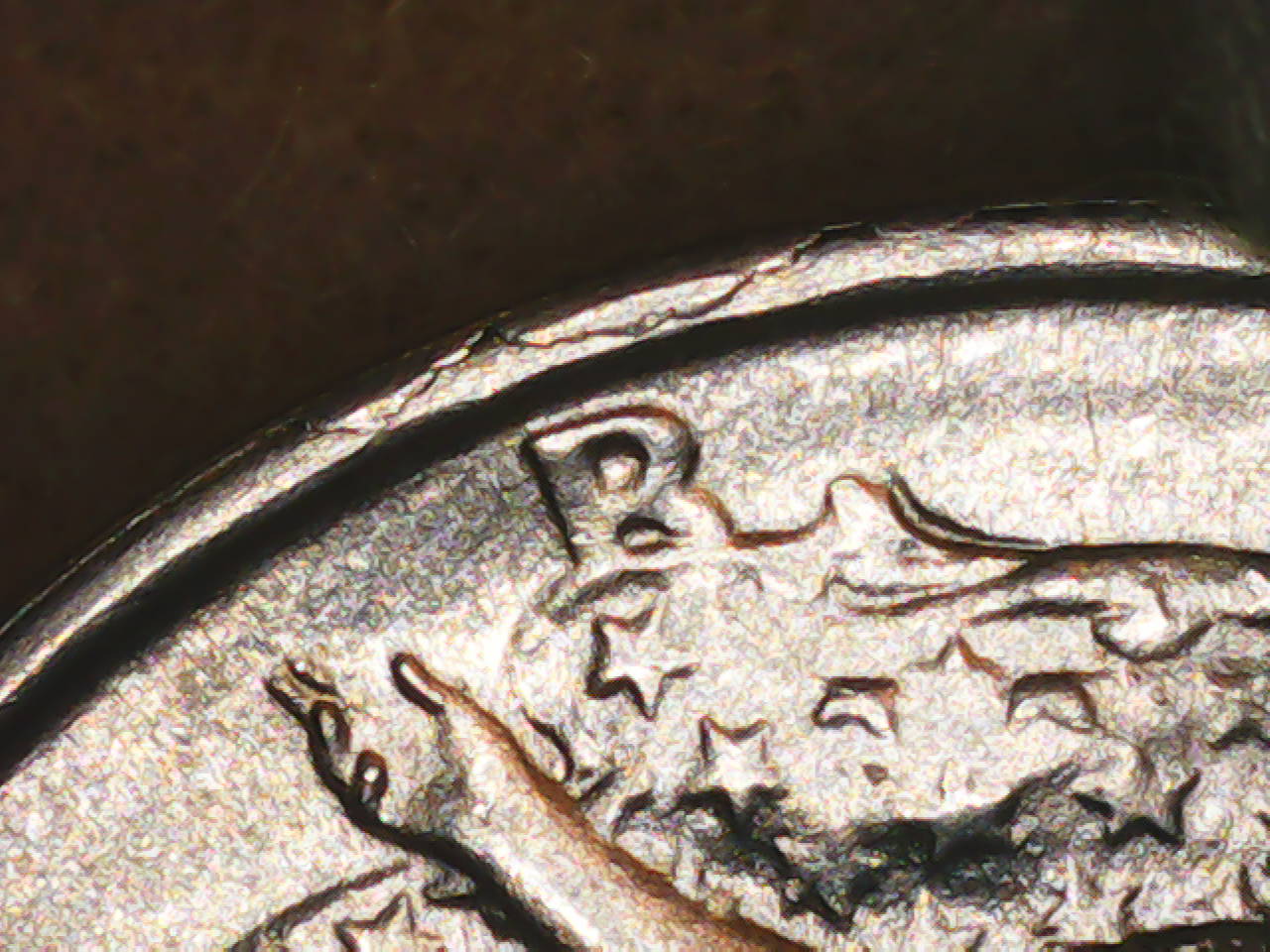 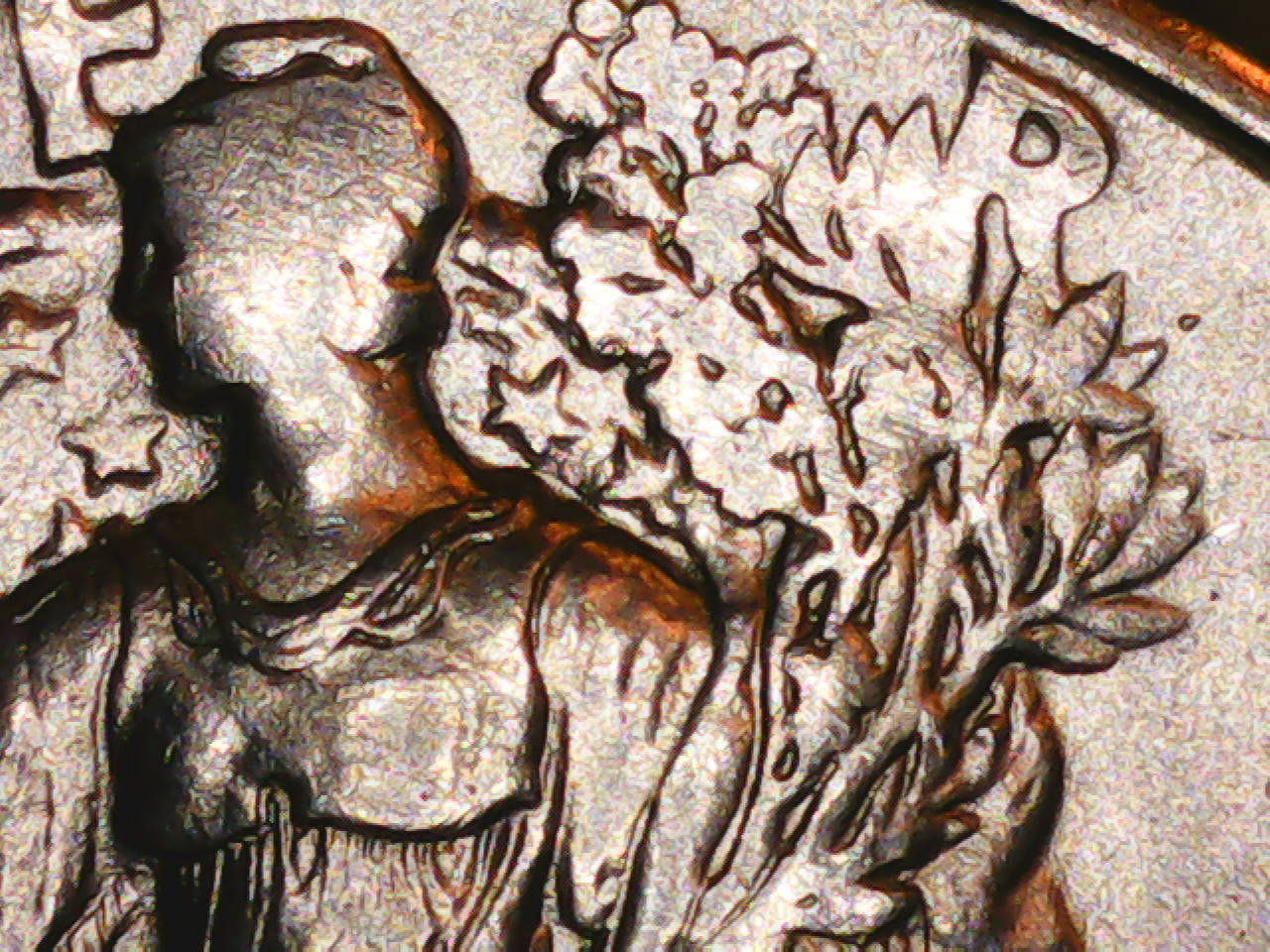 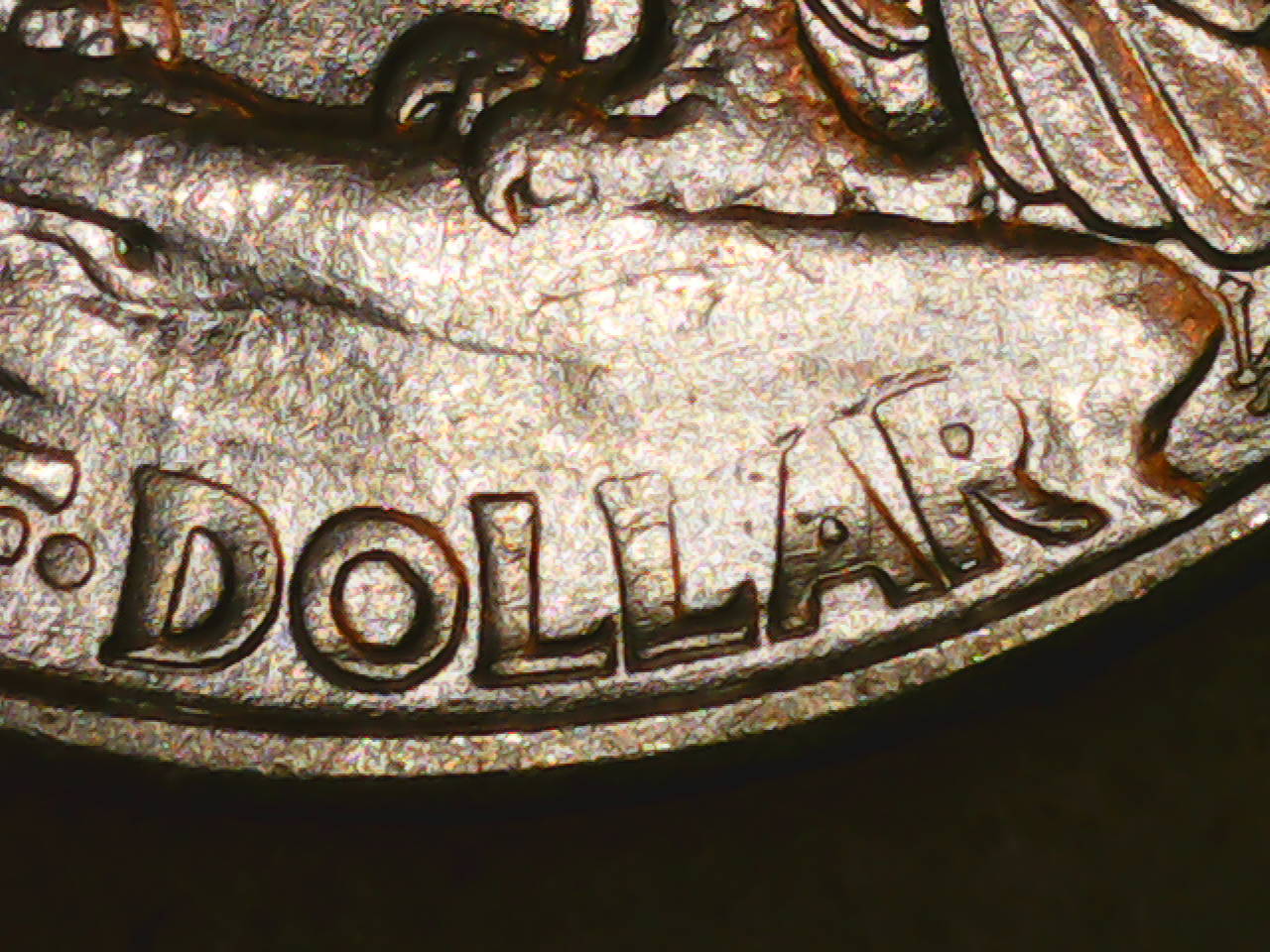 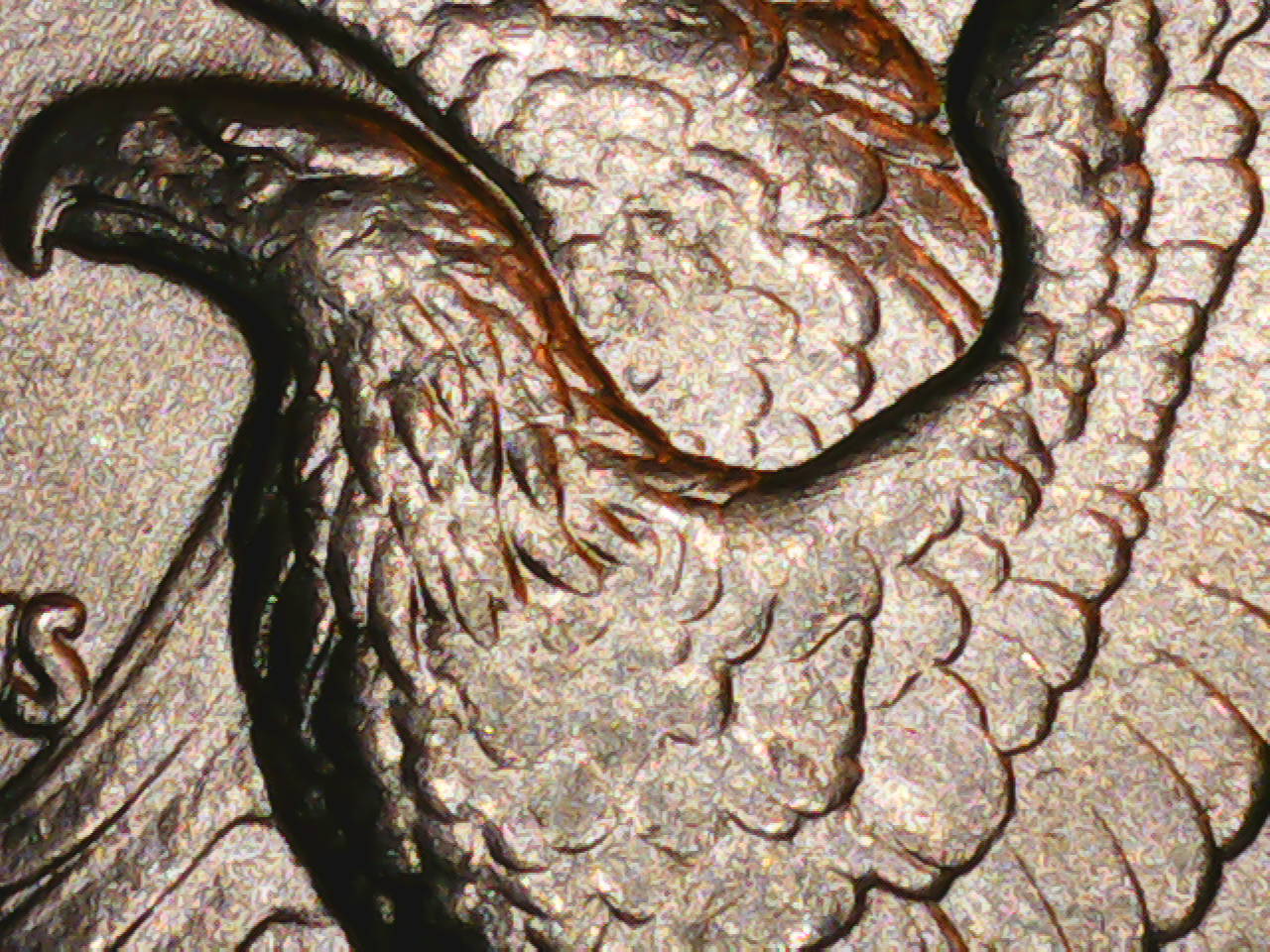 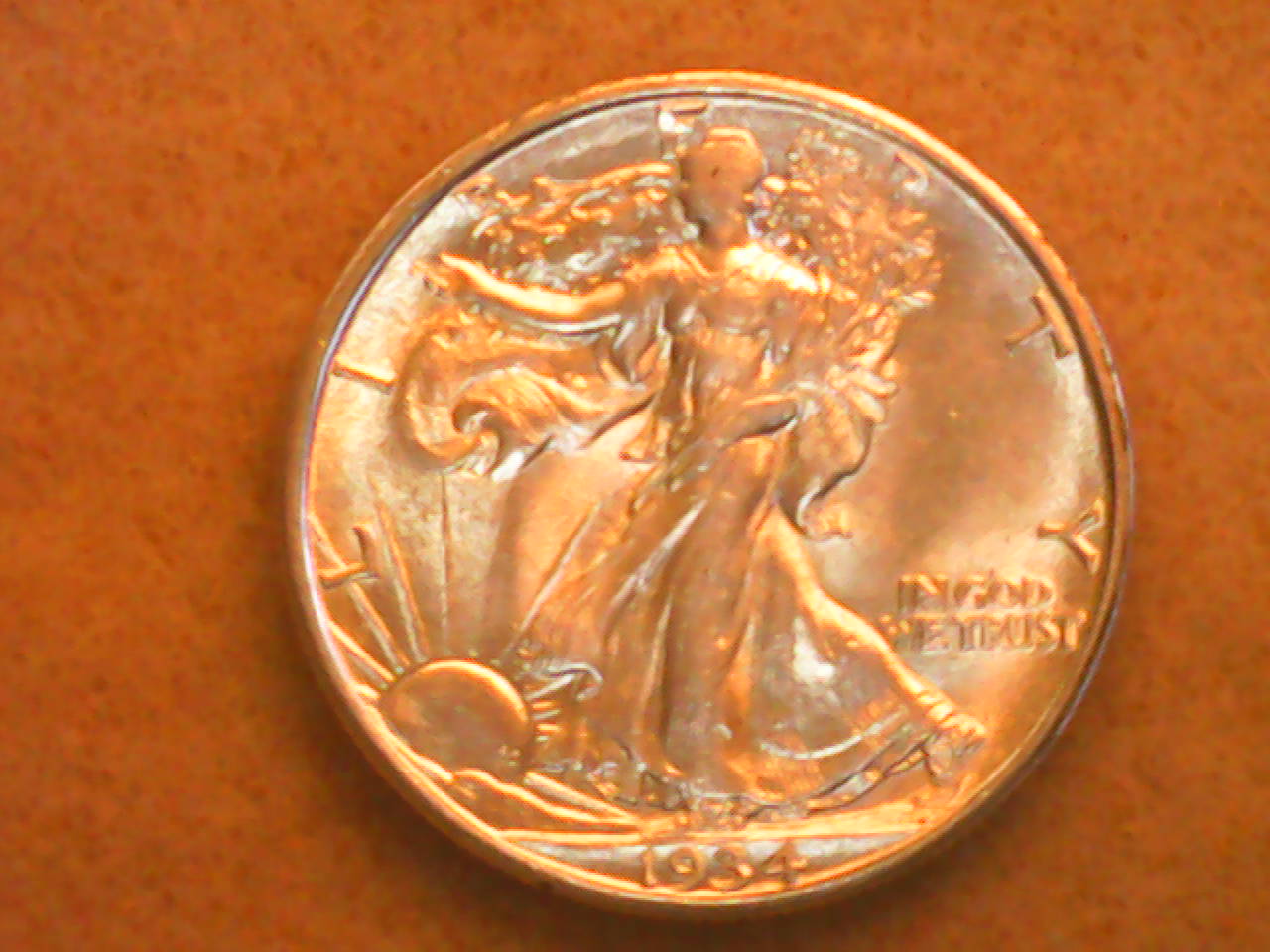 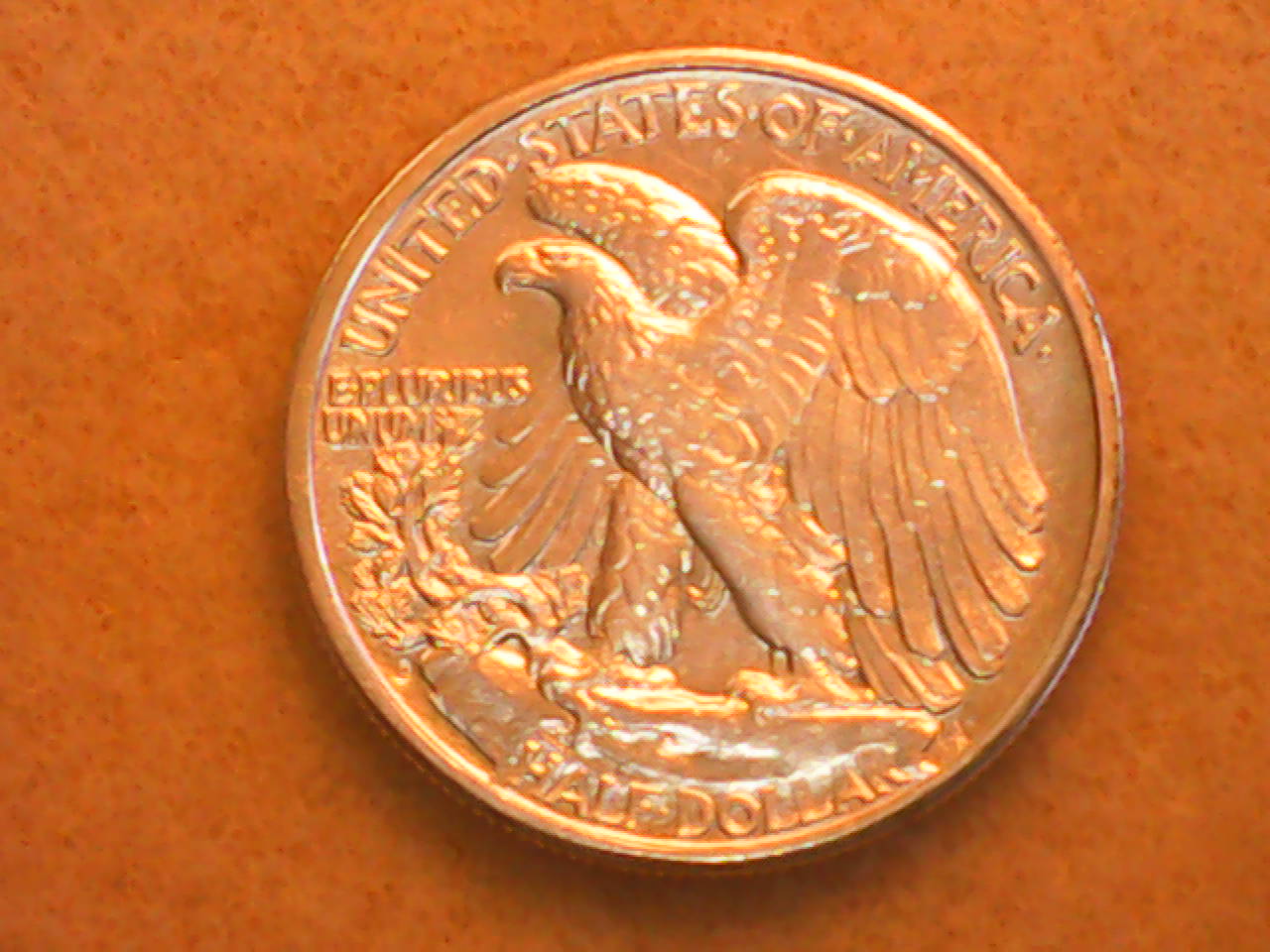 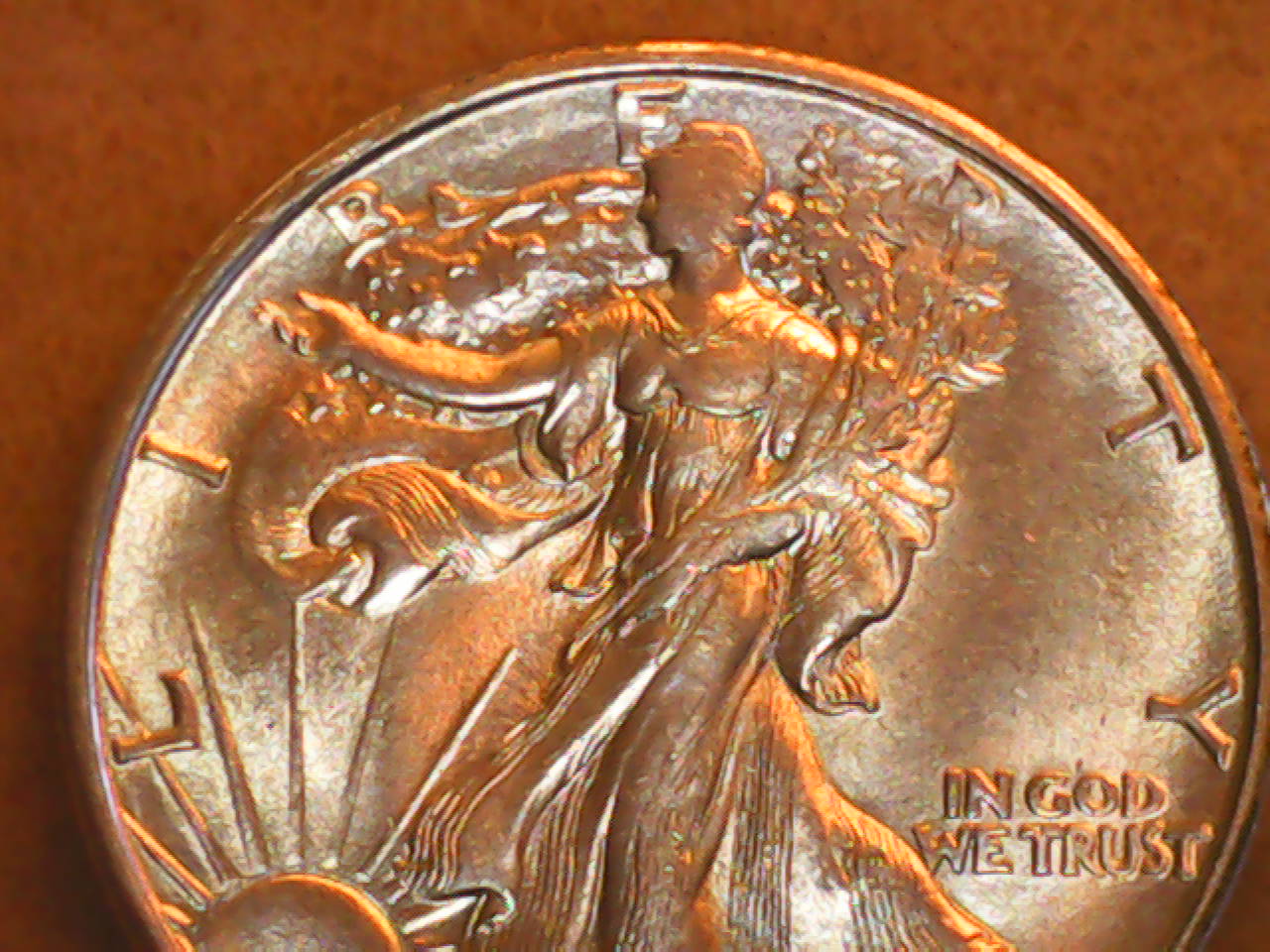 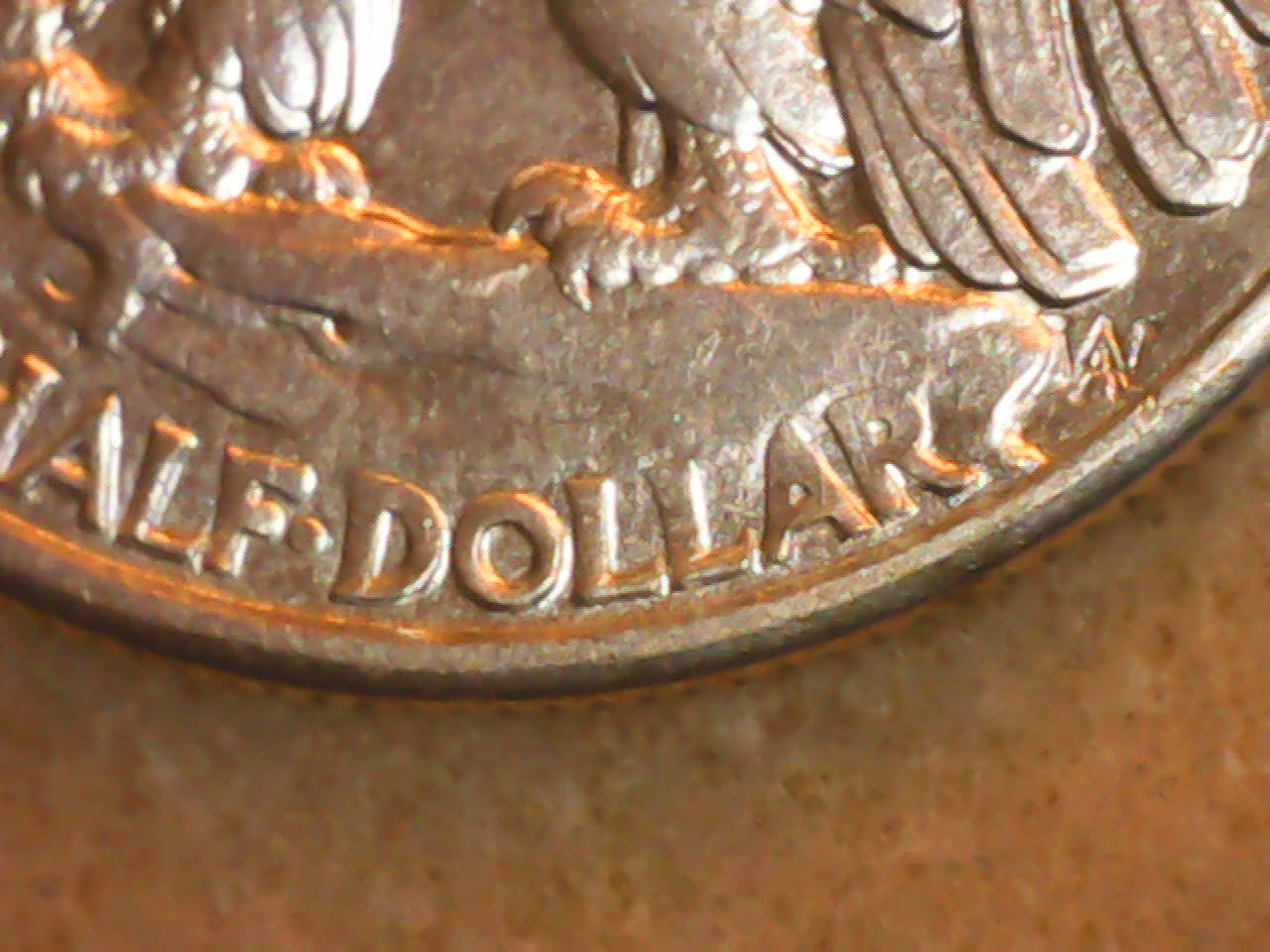 |
|
|
|
Moderator
 United States
100548 Posts |
That looks like a Rim Fin that has been folded over, MD on the words 'half dollar', the appearance of the concave devices is due to a worn die. |
|
Pillar of the Community
Canada
6244 Posts |
For me seem to be a gem coin. The head week strike is characteristic for 1934-D and the apparently doubling on the right of the B. That year of Denver it is the most rarest coin in the 1934 -1947 series. I will send for certification.
|
|
Moderator
United States
191400 Posts |
 to the Community! |
|
Bedrock of the Community
United States
94367 Posts |
Full-size images are soft and orange-tinted, not helpful. to the CCF! |
|
New Member
 United States
2 Posts |
Thank you for the replies and the welcomes! This is a great source of info, I've already spent hours looking at posts! I concur, those orange pictures were garbage. Below are some new photos, a bit better, but a bit blurry on the reverse. So the explanation is a Rim Fin bent over and then a worn die. What I think is odd, why is the die worn only around the face and weeds on the obverse? And then on the exact same spot on the reverse? I think that's a better explanation than I came to, maybe a defective planchet. If I wanted some input on what folks would grade this, do I post the same pics in the grading opinion forum? Thanks again! 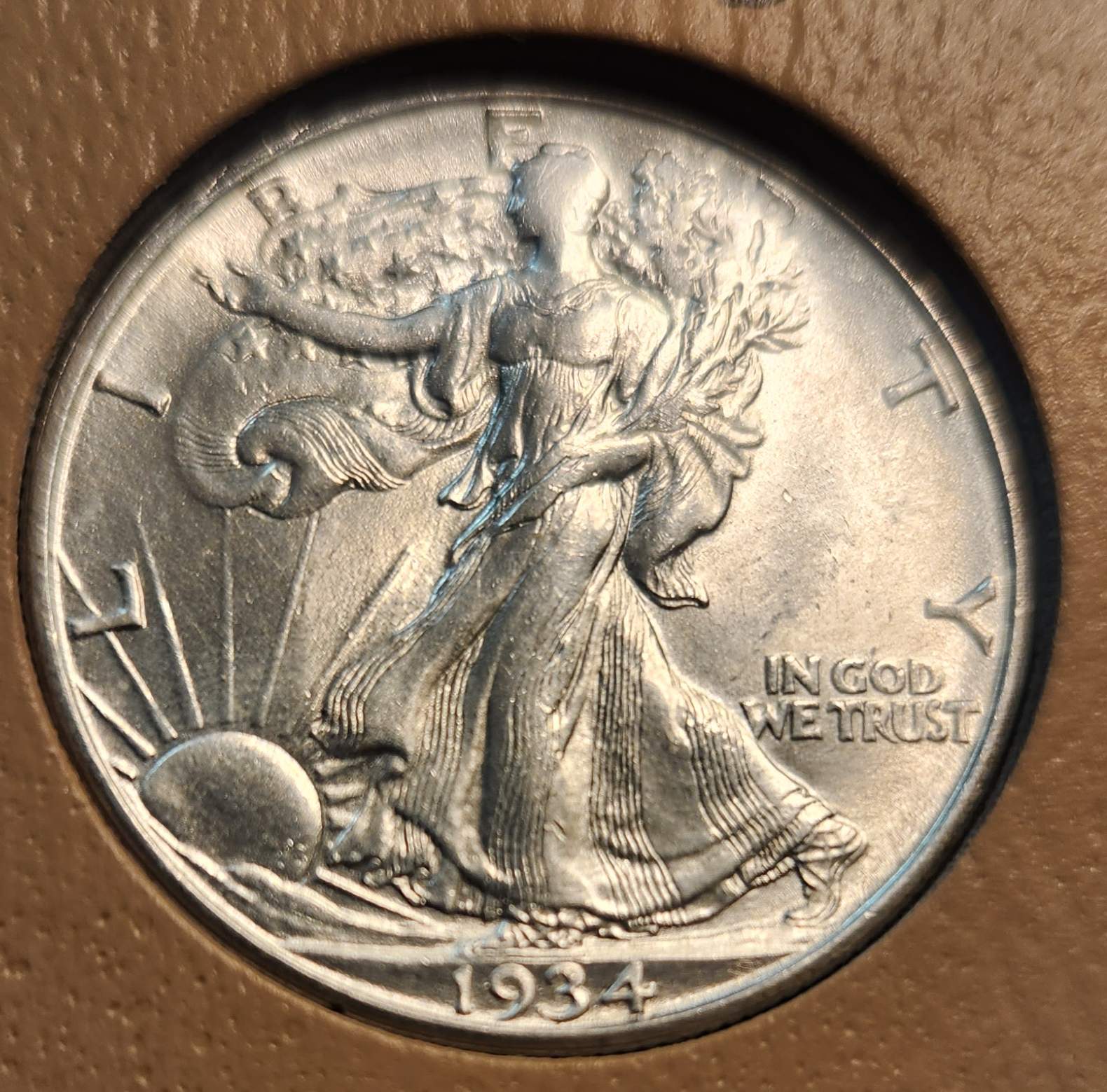 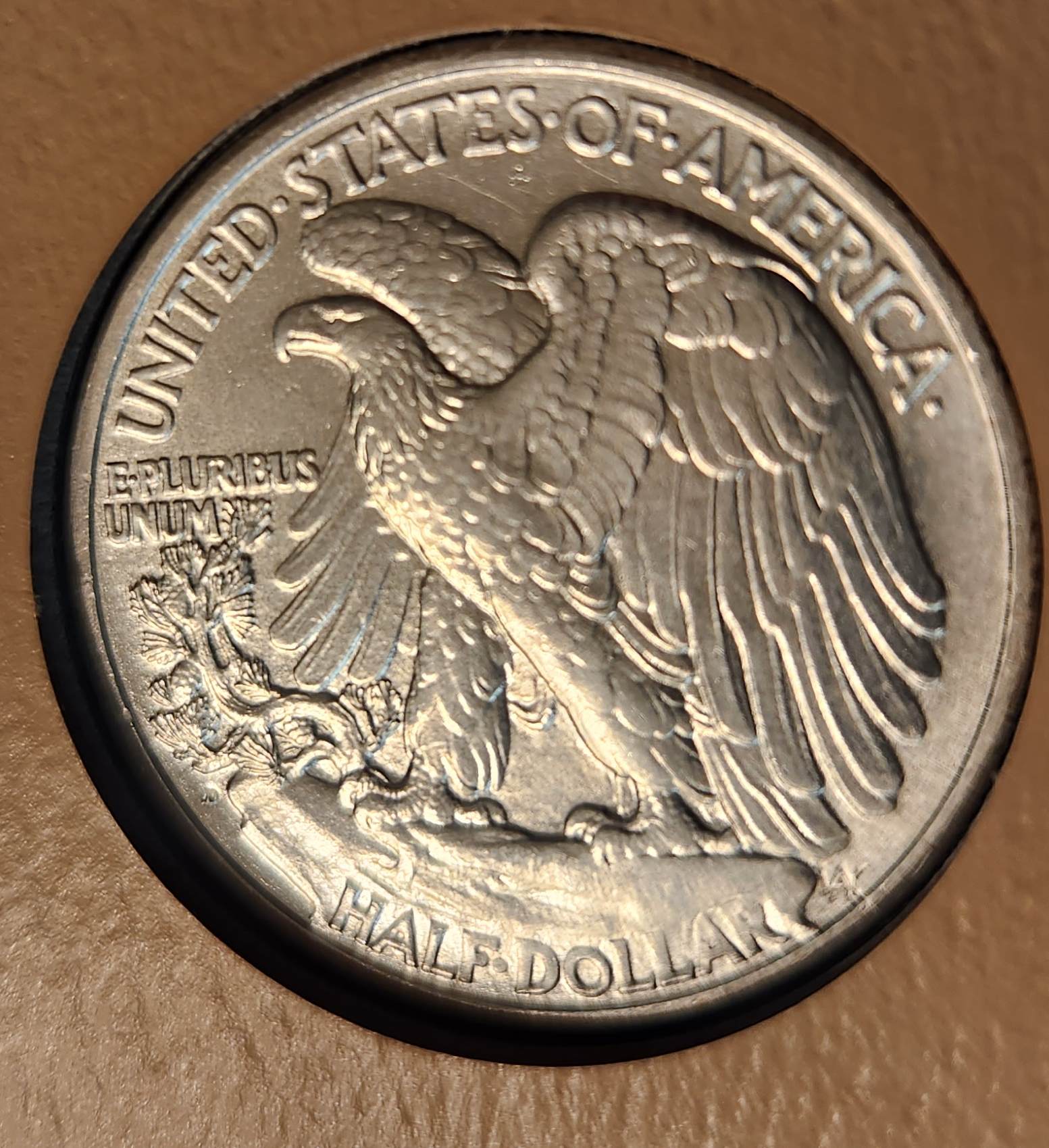 |
|
Pillar of the Community
Canada
6244 Posts |
Me I will say 62 to 63. The strikes in Denver 1934 was week strikes. Go see PCGS for MS 67 and will be not much better. If the head strike is week the other side also. Your coin show a older Die, Nice coin.
Edited by silviosi
04/23/2023 12:02 am
|
|
Moderator
United States
34476 Posts |
@nen, first welcome to CCF. Second, my recollection is that Liberty's head is not always fully struck on these half dollars. As that design element is created by a deep part of the die, the metal didn't flow all the way to the bottom to fill out those details completely.
"If you climb a good tree, you get a push."
-----Ghanaian proverb
"The danger we all now face is distinguishing between what is authentic and what is performed."
-----King Adz
|
|
Moderator
United States
100548 Posts |
Spence makes a good argument for this. Combine a weak strike with circulation wear...
|
|
Pillar of the Community
United States
3848 Posts |
It is strike weakness.
Suffering from bust half fever. Want to learn how to attribute early half dollars by die variety? Click Here: http://goccf.com/t/434955Shoot me a PM if you are looking to sell bust halves. |
|
Pillar of the Community
United States
3755 Posts |
This is a perfect example of why a "full head" designation jumps the value of a Walker. They typically have relatively weak heads even in high grade. Just the nature of the coin design. This simply looks like a typical mushy strike to me.
|
| |
Replies: 10 / Views: 990 |
|










 Posted 04/22/2023 9:43 pm


