| Author |
 Replies: 14 / Views: 592 Replies: 14 / Views: 592 |
|
|
Pillar of the Community
 United States
1345 Posts |
|
|
|
|
Pillar of the Community
United States
9052 Posts |
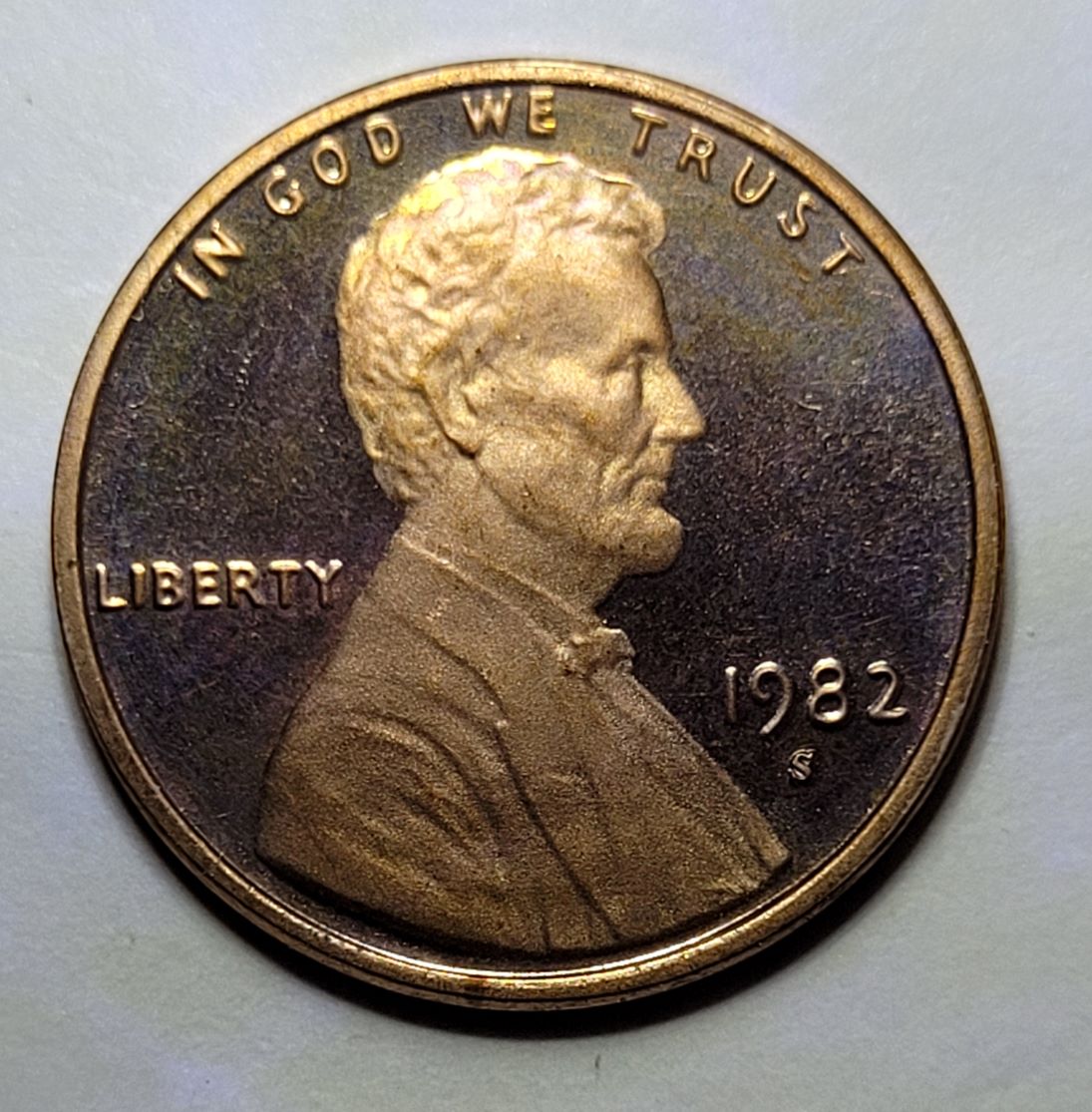
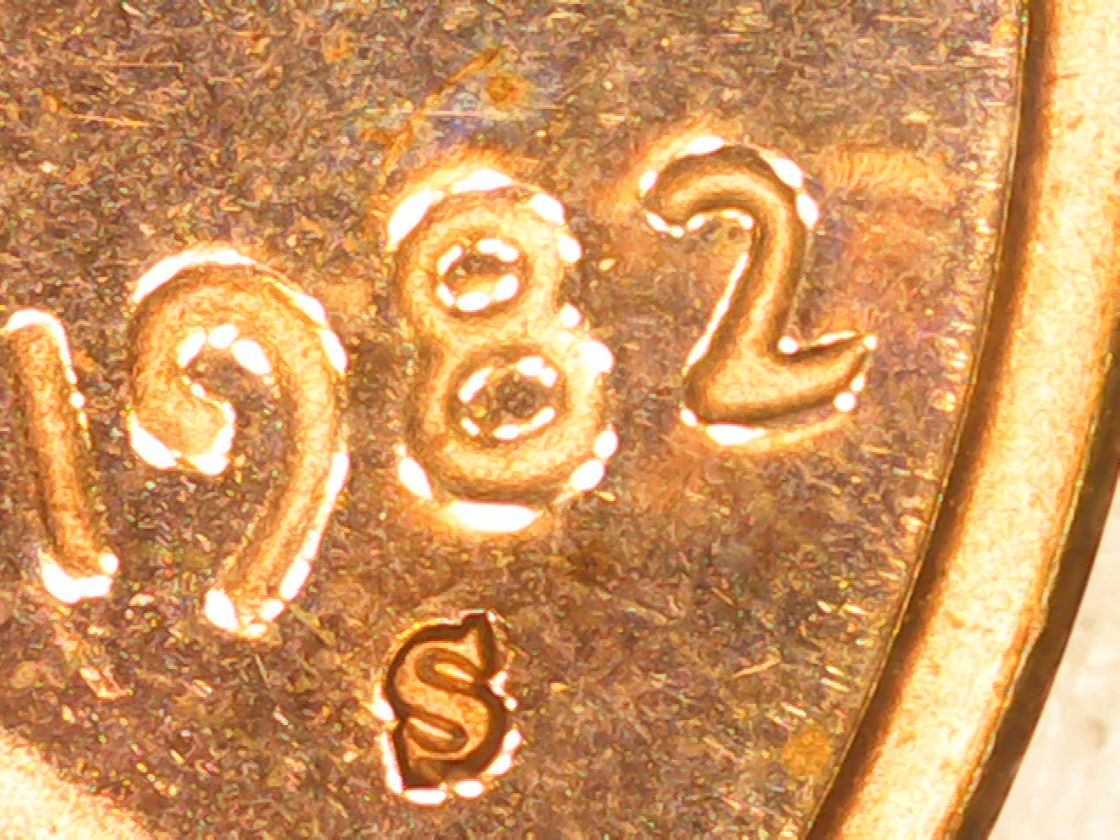
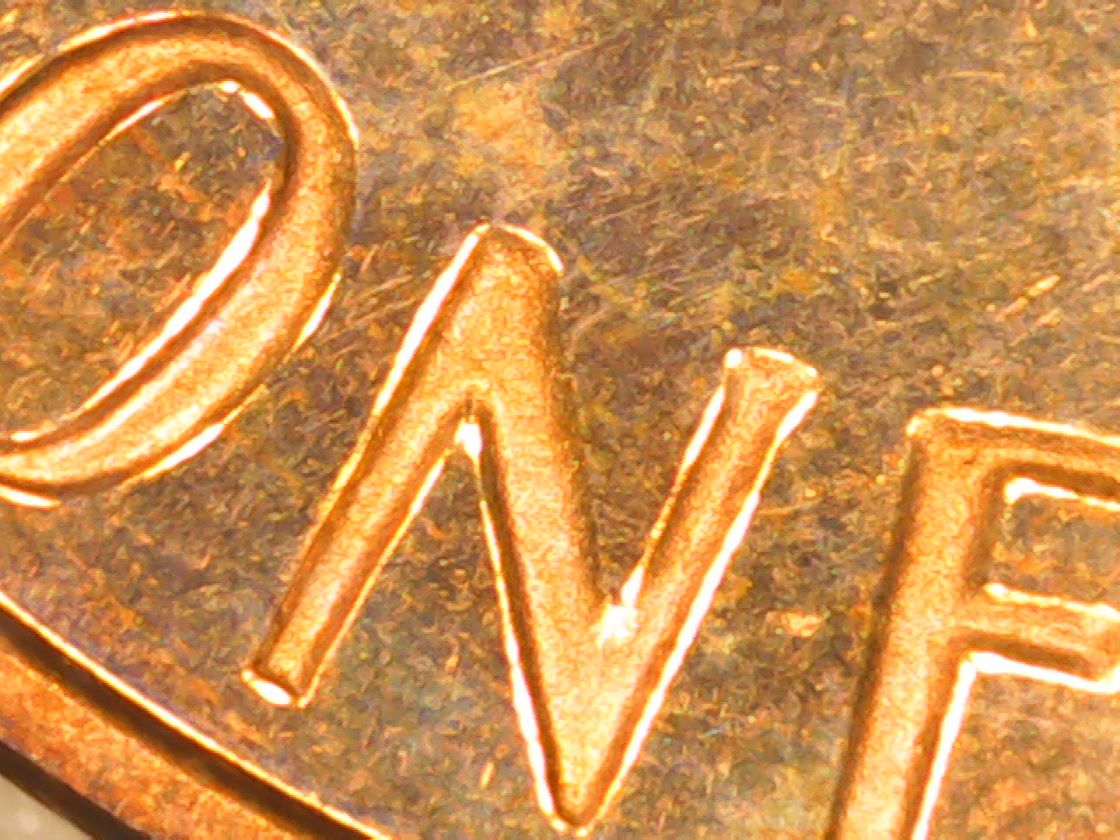
I would like for someone more knowledgeable in proofs to respond, but remember, in this time frame, mintmarks will still physically applied to the die. MM punches, just like dies, get worn out and replaced. I'm thinking you have an older couple of obverse and reverse dies, with a new punch. They would even use proof dies as long as they could, just like business strikes.
-makecents-
Edited by -makecents-
06/09/2023 9:44 pm
|
|
Pillar of the Community
 United States
1345 Posts |
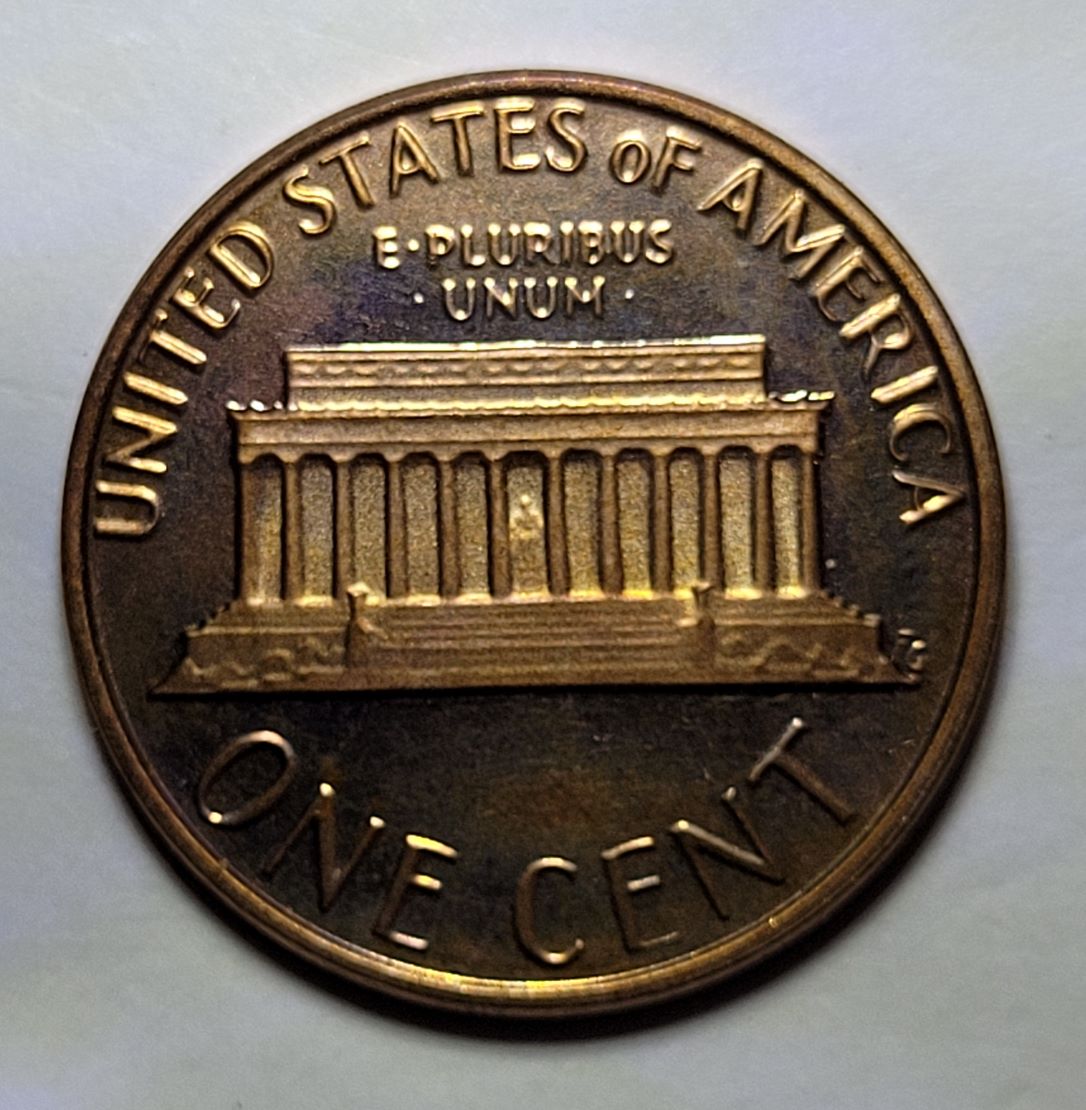
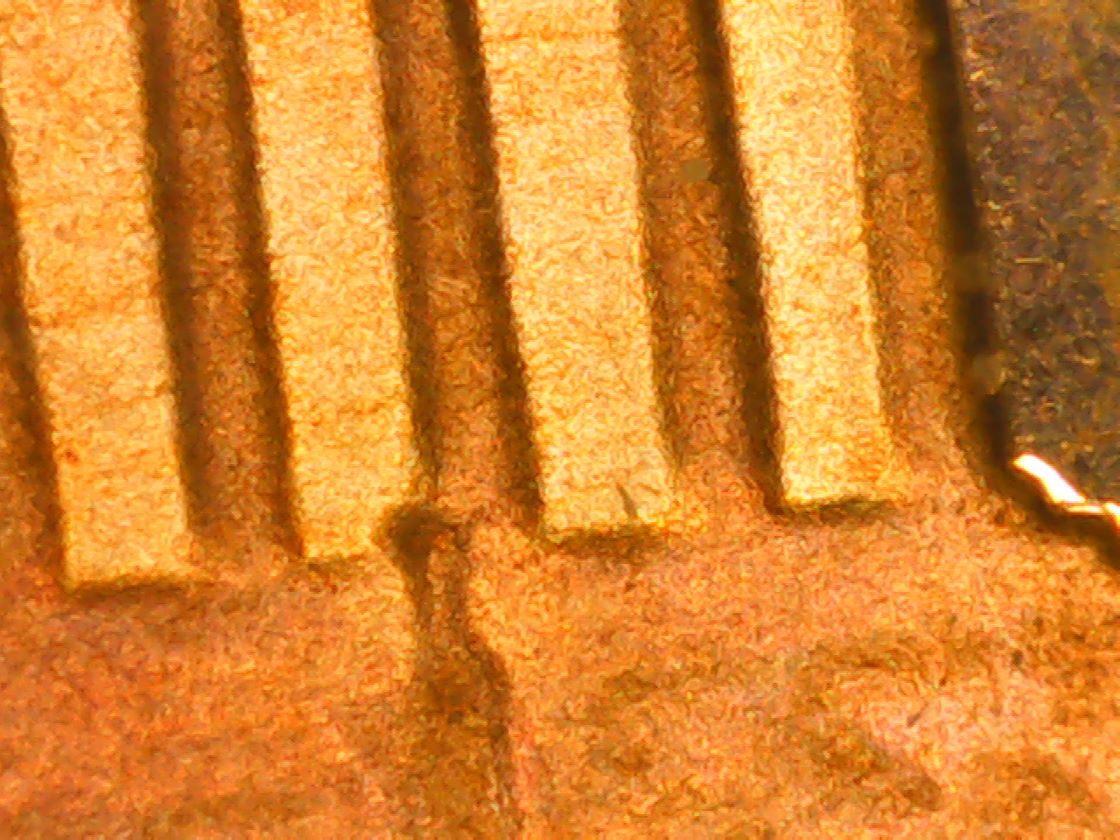
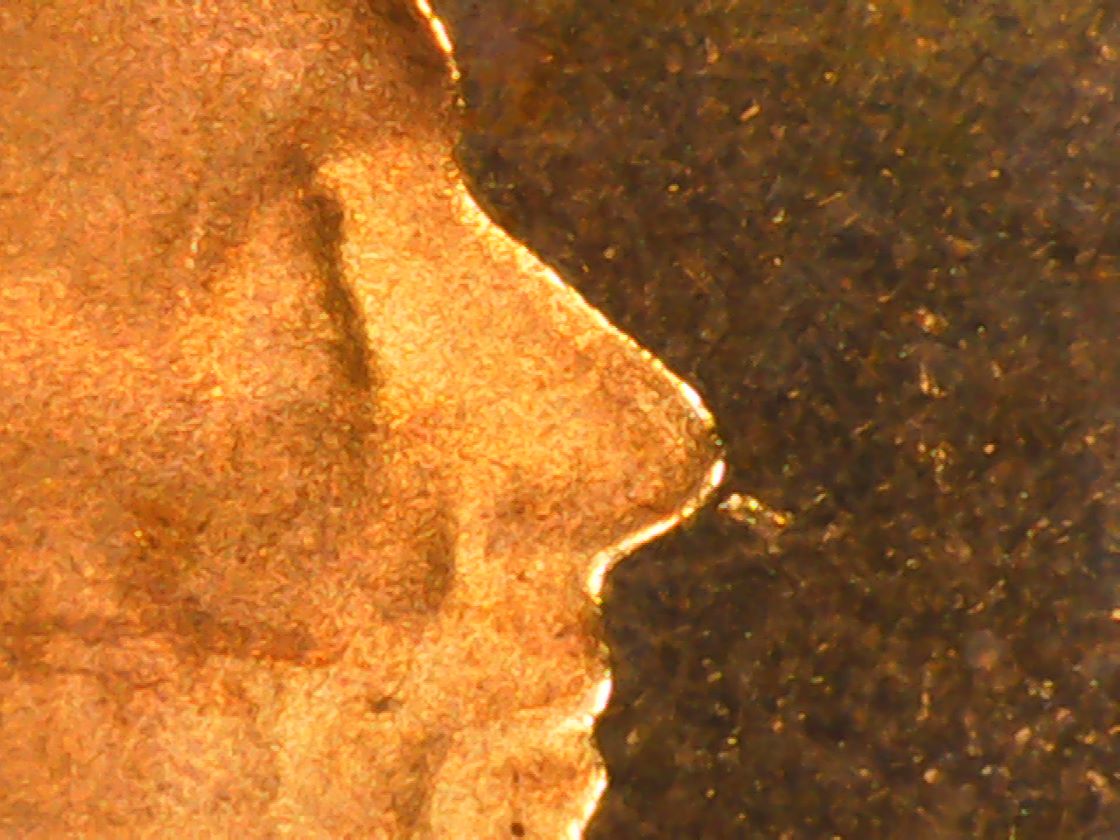
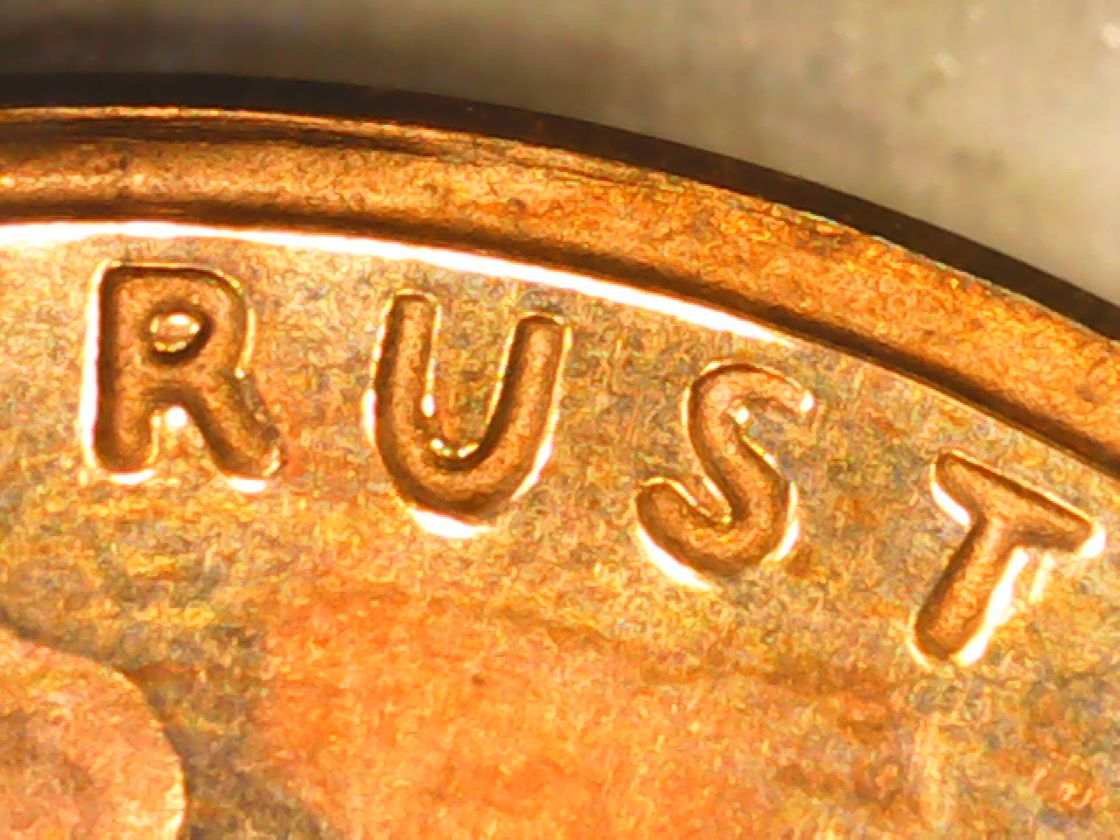
Thank you Makescents.. Perhaps you are right.. I guess I need to study more about proof strikes.. are they struck twice? Once for the field and once for the devices? This one actually has fairly sharp IGWT compared to Mr. Lincoln. Is it normal for the obverse and reverse dies to be so weak at the same time? I appreciate your input.. Have a great weekend.
|
|
Moderator
 United States
110117 Posts |
It appears that at some point when a worker was punching MM's onto the dies, had to switch to a new MM punch. Maybe the one he (she) was using broke. It certainly a sharp contrast between the date and the MM. Now of course at that time the date was carved onto the die at the same time the design was carved into the die. (the MM was placed on later) I have read that all die were made in Philadelphia and then shipped off to the other mints, where each mint added their own MM. I must say that this proof is more of a keeper than any other I have seen because of how sharp the MM is.  Edited by Dearborn
06/09/2023 10:24 pm
|
|
Moderator
United States
110117 Posts |
Yes the proofs are struck twice in order to make a sharp impression of the design elements.
(on a side note - this is a large date cent)
Edited by Dearborn
06/09/2023 10:25 pm
|
|
Pillar of the Community
Canada
6244 Posts |
Quote:
the detail parts are very weak and more dull without definition when compared to a normal cameo proof Yes it happened. In that year the Mint has to strike different varieties so what they do, they prolonger the life of the Dies by re-polishing. By this the letters and design seem to be smaller. Re-polishing also took out the original DCAM, and CAM and become to be simply PROOF. |
|
Moderator
United States
56855 Posts |
Proofs are struck more than once and with higher tonnage. John1  |
|
Valued Member
United States
450 Posts |
That looks like a pretty normal 1982 proof cent. The mint had recently changed the mint mark fonts (1979 and 1981) to a much clearer more distinguishable one.
|
|
Pillar of the Community
United States
1345 Posts |
Thanks to all.. 1982 was a "interesting" year for the penny makers.. Just a note.. It weighs 3.099 so it's copper. Photo of 1981 S Proof attached to show difference in MM. The cent has the same fuzzy devices as the 1982 S. 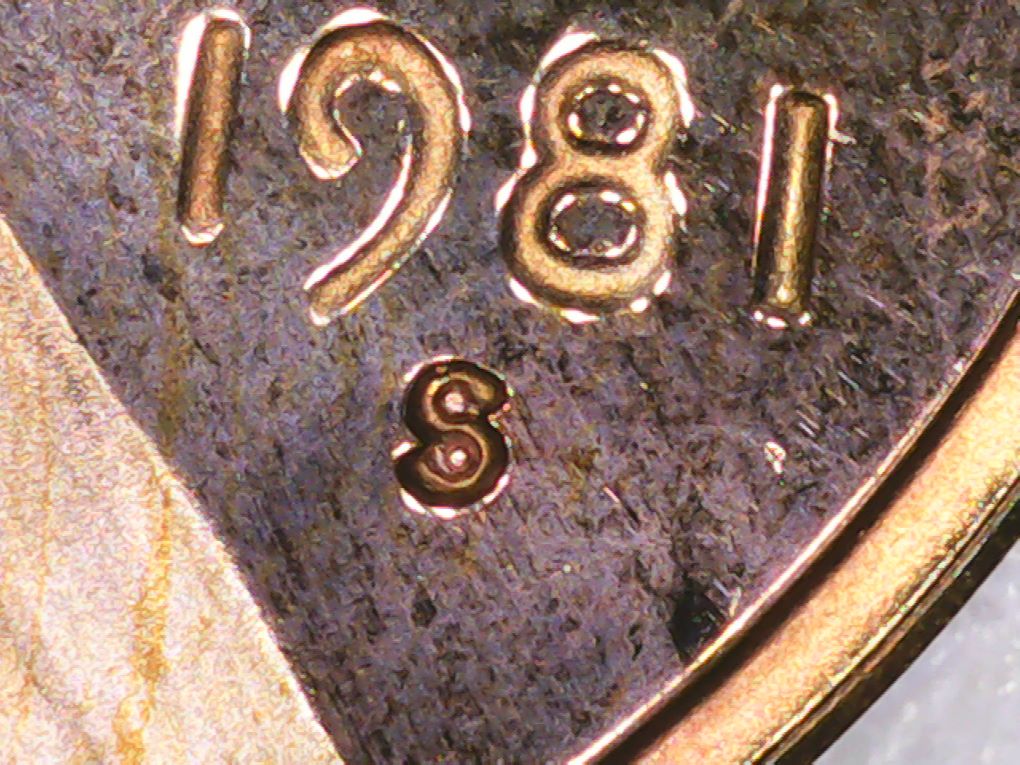 |
|
Moderator
United States
56855 Posts |
Aren't all the 1982-S proofs made of copper? John1 |
|
Pillar of the Community
Canada
6244 Posts |
All proofs cents are cooper.
|
|
Pillar of the Community
United States
9052 Posts |
|
|
Moderator
United States
110117 Posts |
It sure would be nice if the proofs only were still copper - you know for the collector, since proof sets ARE for collectors anyway.
|
|
Pillar of the Community
United States
1345 Posts |
Dearborn.. I totally agree. As far as I'm concerned, a nice cameo proof should be framed and hung on the wall. They are amazing works of art.
|
|
Pillar of the Community
Canada
6244 Posts |
I talk about 1982 S not for 1983 and after.
|
| |
Replies: 14 / Views: 592 |
|









 Posted 06/09/2023 10:14 pm


