| Author |
 Replies: 11 / Views: 1,822 Replies: 11 / Views: 1,822 |
|
|
Pillar of the Community
 United States
1331 Posts |
|
|
|
|
Moderator
 United States
107673 Posts |
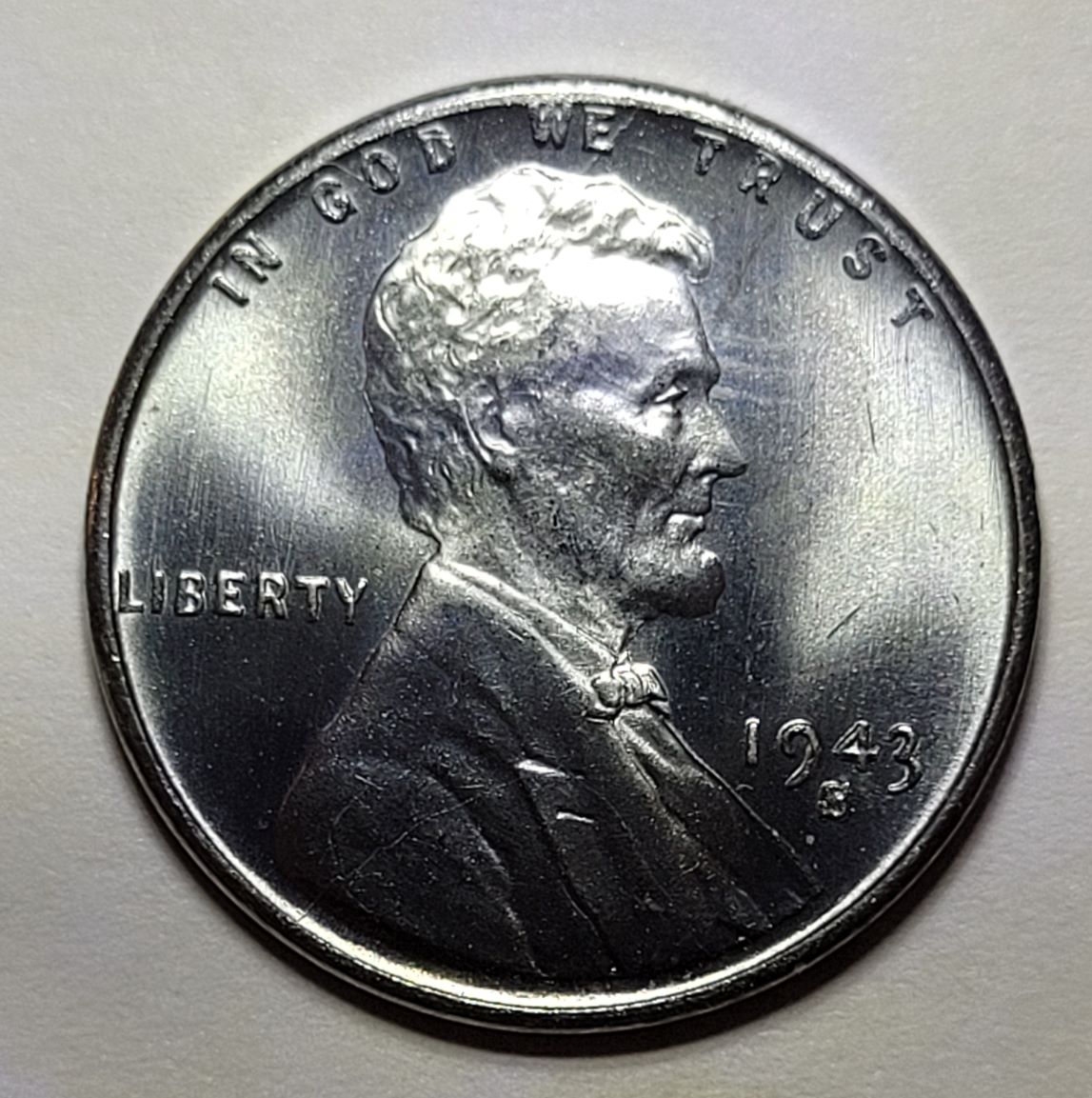
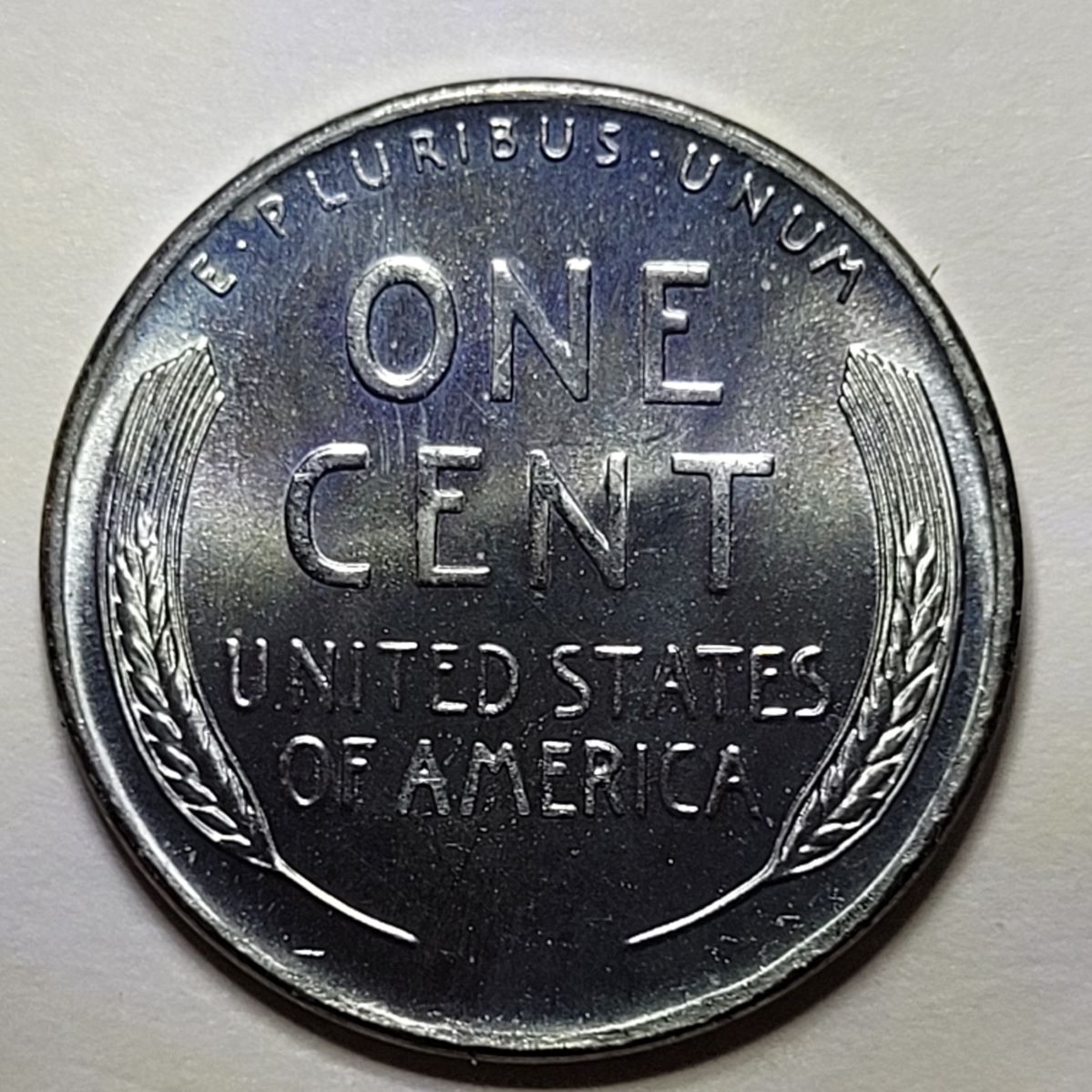
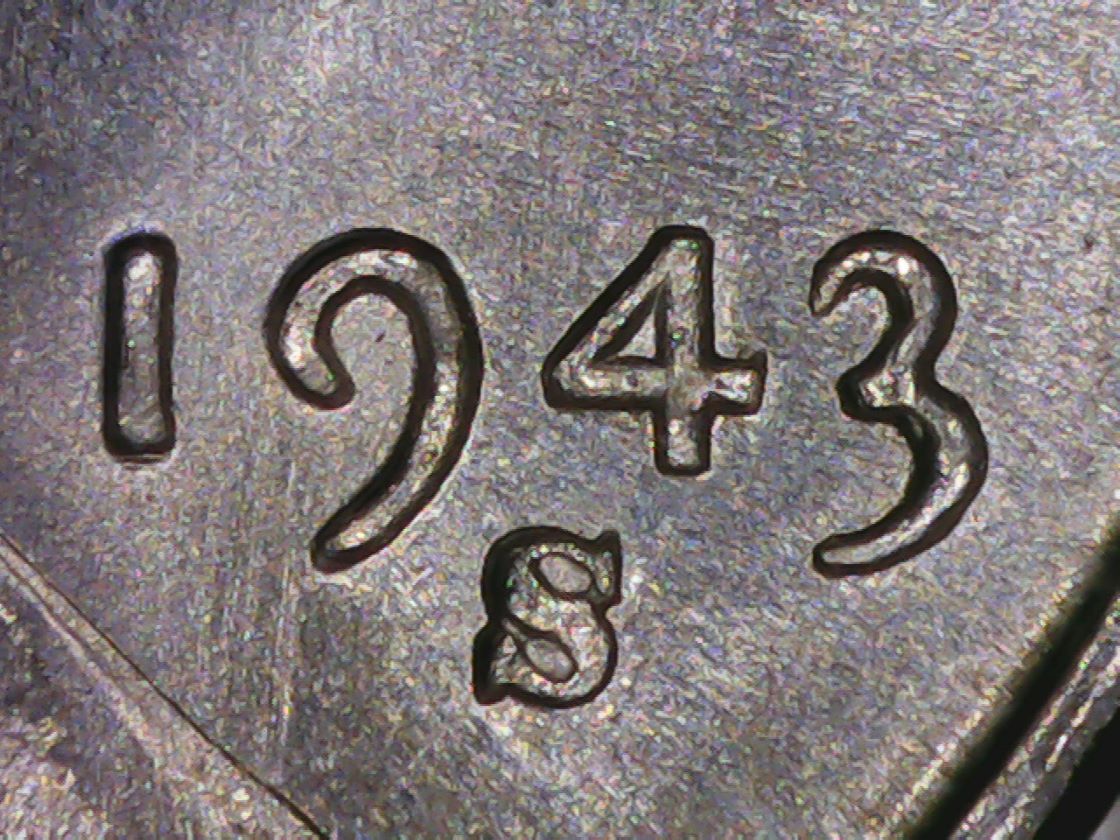
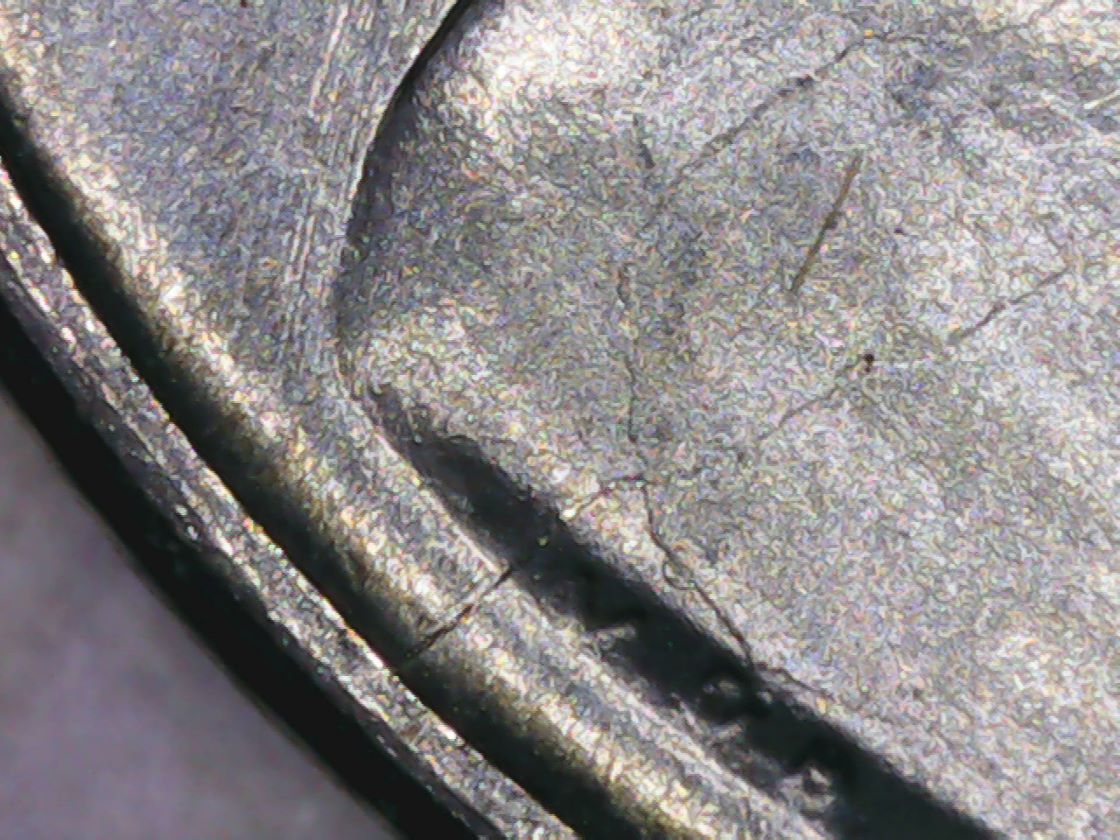
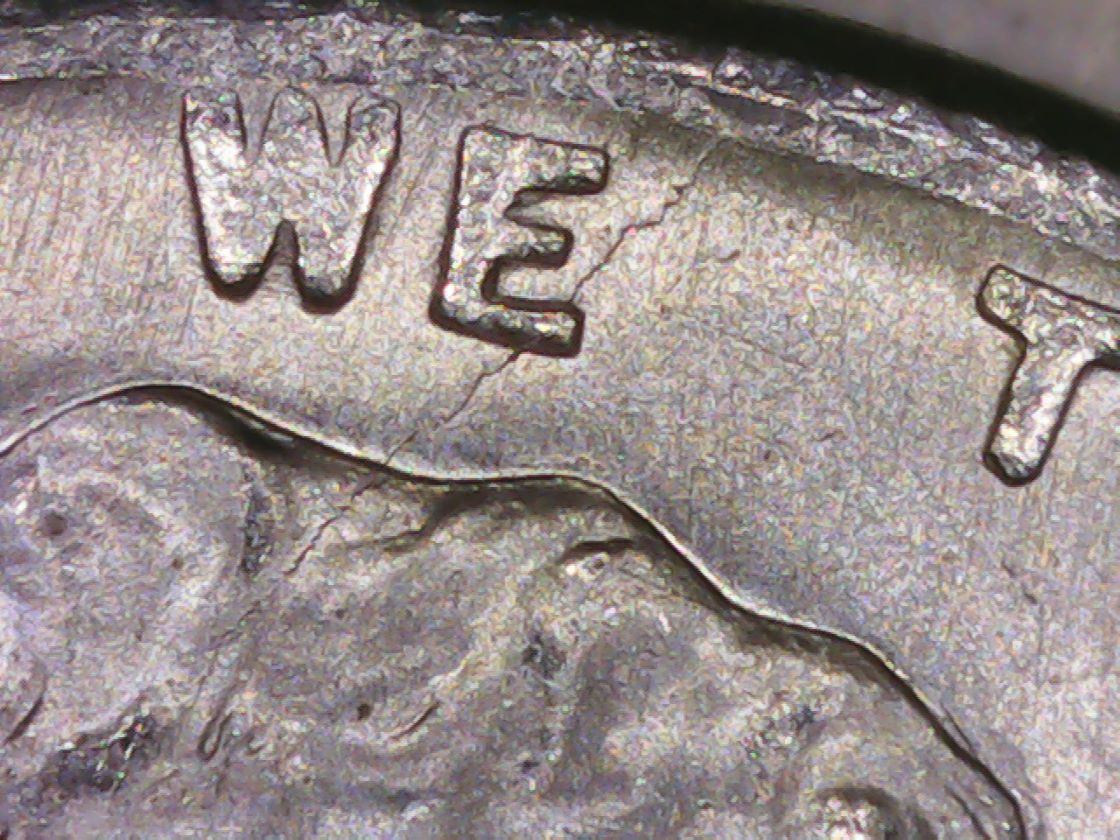
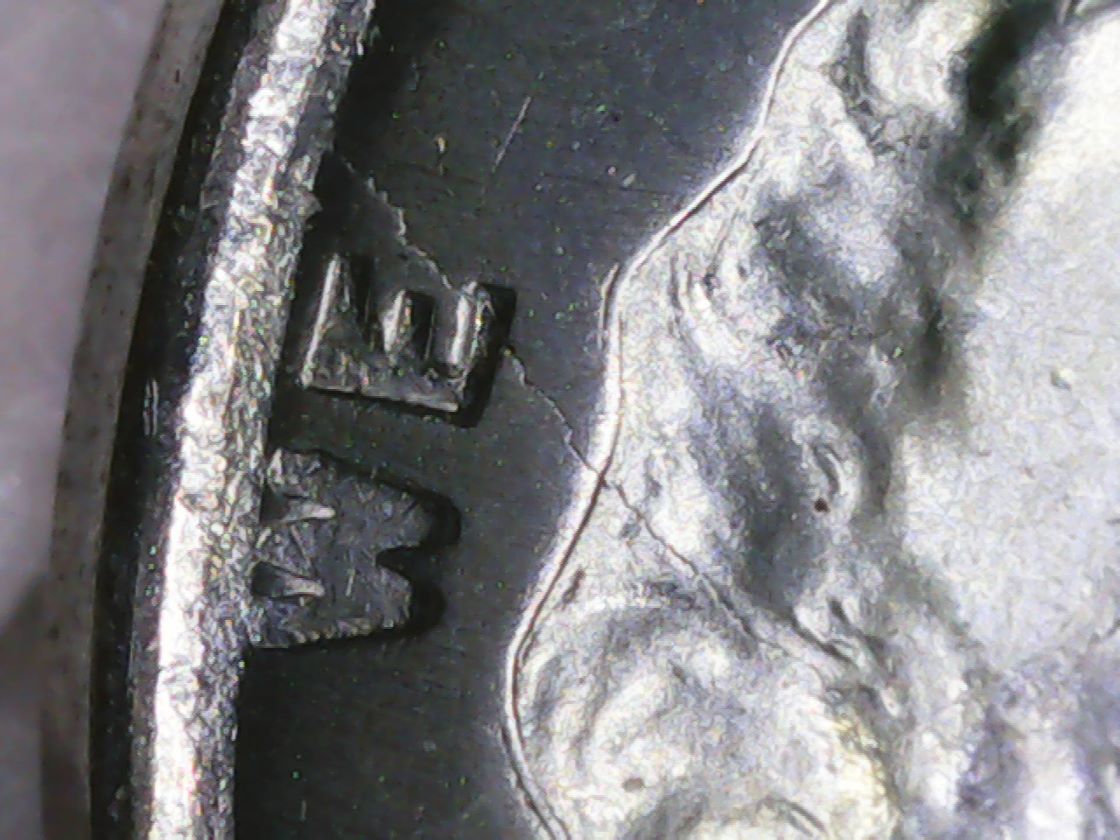
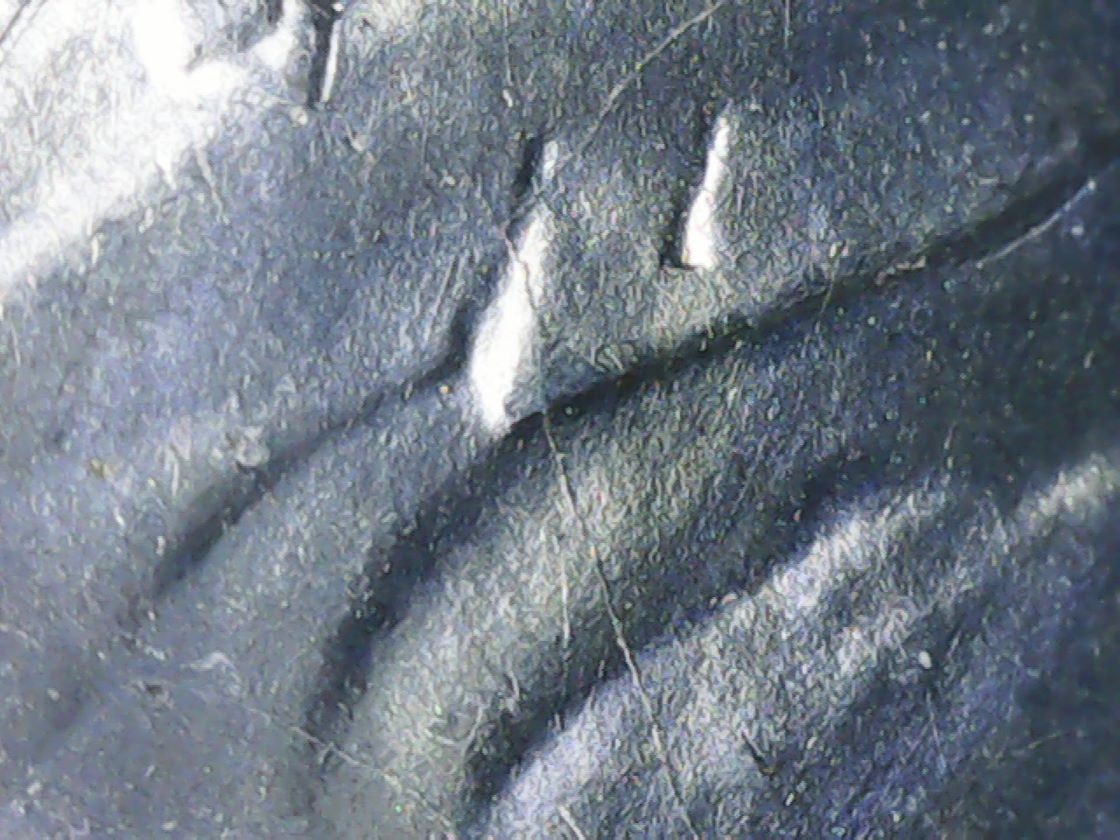
Nice set of die cracks - it took me a moment to figure out where the last one was located, at least until I figured that the image is sideways. ant it is the lapel we see - a continuation of the crack from the shoulder near the rim.
|
|
Moderator
United States
107673 Posts |
as near as I can see from the disjointed images, I count 3 maybe 4 cracks.
|
|
Bedrock of the Community
United States
94367 Posts |
|
|
Pillar of the Community
 United States
1331 Posts |
Looking at it in hand, I think there are four cracks. Some join others. Thanks...I've been working on my photo taking skills. Someone once told me "Listen and you will learn"
|
|
Pillar of the Community
United States
9011 Posts |
|
|
Pillar of the Community
United States
1331 Posts |
Got it.. How about "Look, Listen and Learn". ? Appreciate the link. :)
|
|
Pillar of the Community
Canada
6244 Posts |
I do not understand the term Severe Crack? What I see it is a steel crack planchet coated with zinc. On steel, the plating show different then other plated coins. We had to understand one metal is negative (steel) and zinc (positive) If a crack in negative, then attract more ions of positive. This we have here.
Edited by silviosi
06/20/2023 12:27 am
|
|
Pillar of the Community
United States
3212 Posts |
The coin isn't cracked, the cracks are on the die.
|
|
Pillar of the Community
Canada
6244 Posts |
Quote:
Tunnioc said:
The coin isn't cracked, the cracks are on the die. By the meaning of cooper cents. Can you look more close please. |
|
Moderator
United States
196100 Posts |
Nice example!  |
|
Pillar of the Community
United States
6904 Posts |
Quote:
The coin isn't cracked, the cracks are on the die. Quote:
We had to understand one metal is negative (steel) and zinc (positive) If a crack in negative, then attract more ions of positive. Silvio can correct me if I am wrong. =) Tunnioc/coinnuT, you are talking about positive and negative like stamping. What is incuse on the die will be relief on the struck coin. A die crack stands above the coin surface for that reason. Silvio is talking about electrons and metal interactions. The iron is more negative than the zinc. So in the presence of cracks, there will be very slow metal migration and corrosion around those cracks. To my eyes also, the cracks looked like weathering. The iron and the zinc will expand and contract at slightly different rates when exposed to temperature changes. Over time, that would cause cracks on a super thin metal-on-metal coating. However, one of the cracks runs up and over the E and down the other side. I doubt weathering would produce such a straight line that moves over devices, but a crack in the steel die surface definitely would. |
| |
Replies: 11 / Views: 1,822 |
|












 Posted 06/19/2023 9:57 pm


 Uncirculated American Silver Eagles


