| Author |
 Replies: 33 / Views: 5,114 Replies: 33 / Views: 5,114 |
|
|
|
Pillar of the Community
United States
3207 Posts |
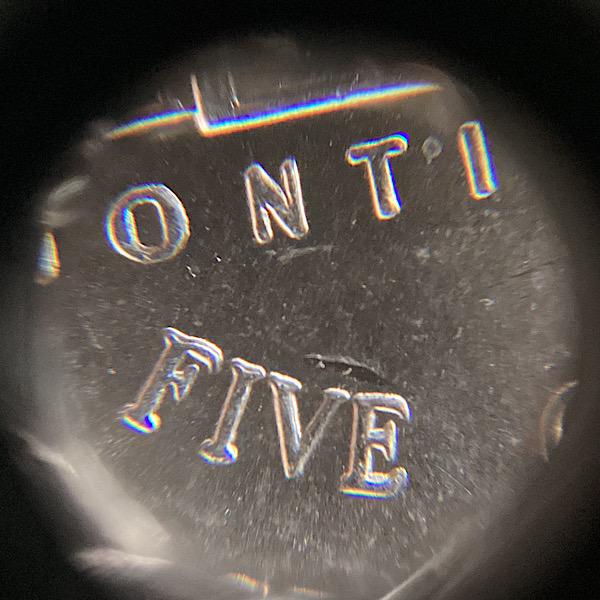
since this one is questionable, I'd set it aside to see if other examples turn up, IMO only reason to submit it for attribution at this time is if you want the chance at a discovery coin to your name
|
|
Pillar of the Community
Canada
6244 Posts |
Quote:
Or where DD/MD produces a doubling effect that is detached like a copy from the device, which seems impossible given the commonly stated causes. On this it is more easy to understand. The MD must be vertical so North to South or vice versa because the collars and the planchet come to be strike in this direction. Many ignore this, the movement of the Bi-Ball band moving vertically and the frequency of the Die horizontal at 750 to 850 minute strike the MD will be always vertically to the axe of the design. Normal to happened. If occur horizontal then we has others issues. Strike rotations was eliminated, Die loose on mini hub die also. Me I see old attributions on those coins and I smile. the best engineers from West Point laugh also. I talk with some and theirs concern are the Hub doubling. Hope open for you some doors. Silvio |
|
Moderator
 United States
56855 Posts |
The glare is still a problem for me. Maybe high bounce MD? John1  |
|
Valued Member
United States
301 Posts |
Such an awesome post, with many minds working together. I feel strongly that the coin needs to be seen in hand by ? This will help because of the optical equipment that will be used. Thanks again for posting this Brandmeister.  |
|
Pillar of the Community
 United States
6907 Posts |
Silvio, I missed your comment earlier: Quote:
Me personally I do not look at the coins from 2000 till now as the same as before on two squeeze. I wrote many time not to look at the coins in the same way. Seem the communities of collectors are stack with the old 9 plus 3 doubling classes and the Mint process before 2000. Essentially what you are saying is that the post-2000 changes to the minting process (including hub and die making) must be treated as separate from the older manufacturing. Some old doubling classifications are no longer likely—or perhaps no longer even physically possible—and new quirks have been born that cannot be accurately described by the old I-VIII. Nickels are a good example coin, because the transition to single squeeze changed a great deal about how and where errors can be introduced in the manufacturing process. What you are saying reminds me of semiconductors after Y2K. As transistors kept shrinking, the problem classifications shifted considerably in manufacturing. When transistors were huge (relatively speaking), they dominated the faults. As transistor geometries shrank faster than everything else, chips became dominated by the wires. The wires became insanely thin and went much, much greater distances. Metal migration was a huge problem, standby leakage currents became a huge problem, speed testing millions (or billions) of internal pathways became a huge problem. Superficially, making chips was the same process of using metal, chemical, and photo-lithography techniques to etch semiconductors. But the old problems went away, and were replaced by entirely new (and sometimes completely unforeseen) problems. So perhaps a better question would be: what are the irregularities in the current tooling and minting strategies that produce doubling effects? What are the signatures of the results, and can we reliably diagnose those back to a cause? |
|
Moderator
United States
108378 Posts |
Edited by Dearborn
06/21/2023 9:31 pm
|
|
Pillar of the Community
United States
6907 Posts |
According to the site, John Wexler has retired as of February 2023 and is no longer accepting submissions. Daniel Griffin and Tanner Scott are taking over the site, but they have not published any guidelines to resume sending them coins for evaluation.
|
|
Pillar of the Community
United States
6907 Posts |
Well, I did a lot more reading on single squeeze hubbing tonight. Now that I am learning the terms to search for, it's easier to find materials tucked away on various coin sites.
News to me: there is an entire Class IX of Shifted Hub Doubling that is particularly attributed to single squeeze die. Apparently the hub makes contact in a not quite correct position. Then the extreme pressure causes it to slide into the correct final place, without breaking contact with the die surface.
I also found a few more images of tilted, flat doubles behind letters that were listed as VIII (Tilted).
The claims are that single squeeze makes most prior hub doubling types impossible (although as an experienced engineer I did enjoy a wry smile at their giddy optimism).
Also unsurprising but nevertheless news to me: there are no more reduction lathes. The coin model is built directly in CAD tools or sculpted and scanned. The master hub is CNC cut directly.
|
|
Pillar of the Community
United States
6907 Posts |
|
|
Pillar of the Community
United States
6907 Posts |
|
|
Pillar of the Community
Canada
6244 Posts |
I like your logic presentation. It is really deep analysis. PM me and I will send you an document and then you will find many interesting materials. The parallels you made with electronic industry is perfect. New technology world new problems. Every technological classes was affected and re-align with this new. Or look at this post: http://goccf.com/t/448257Edited by silviosi
06/22/2023 3:38 pm
|
|
Pillar of the Community
United States
6907 Posts |
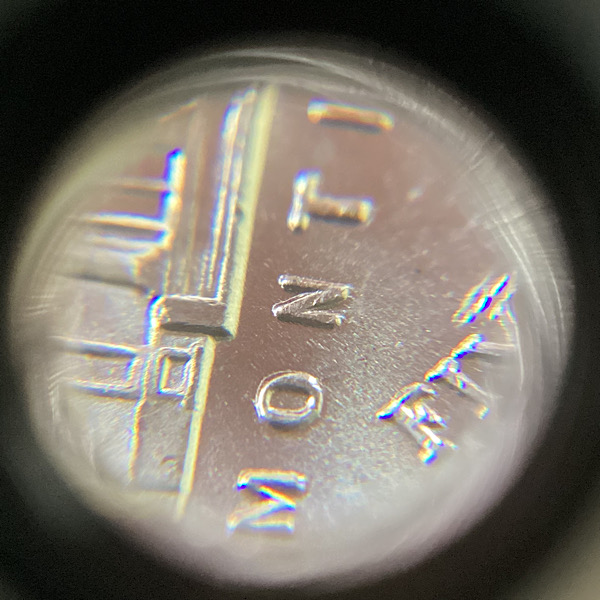
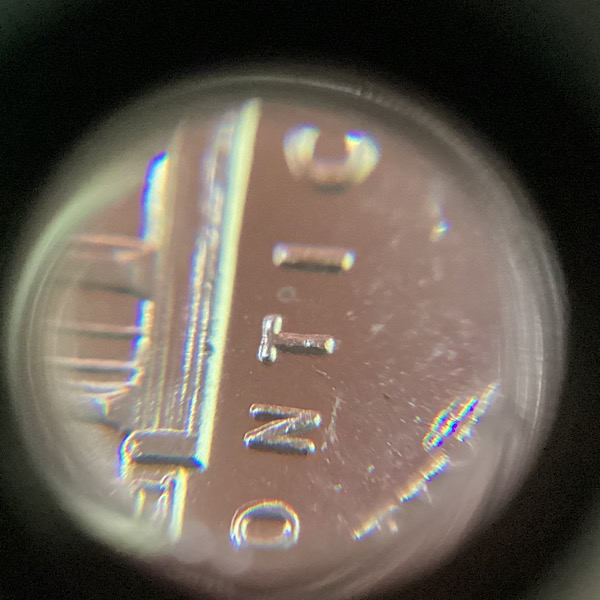
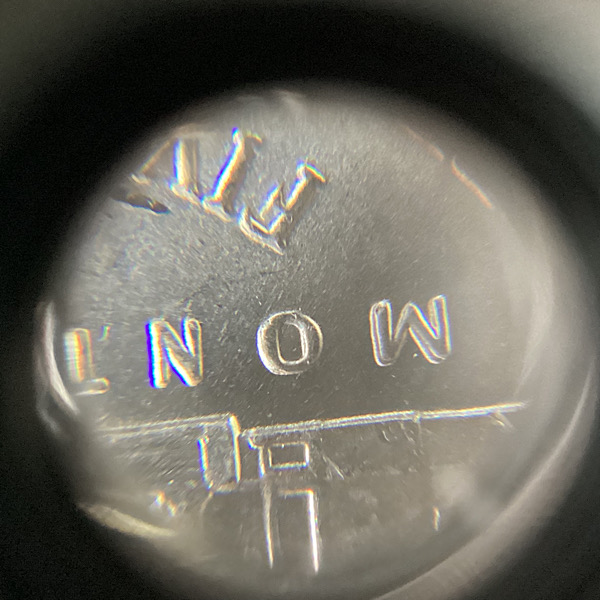
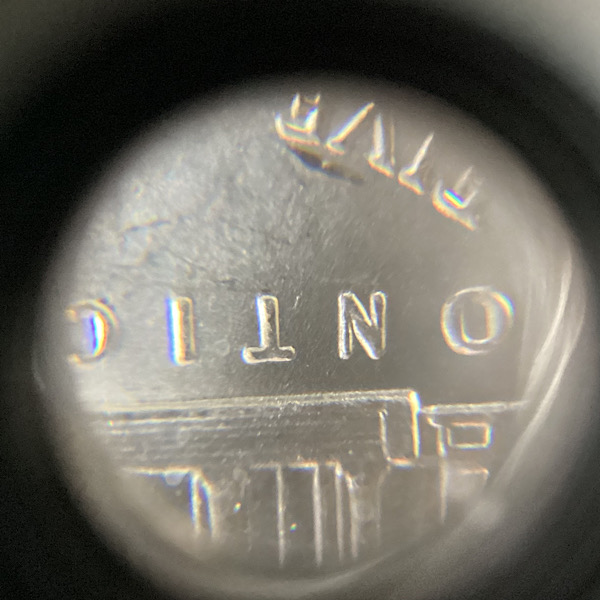
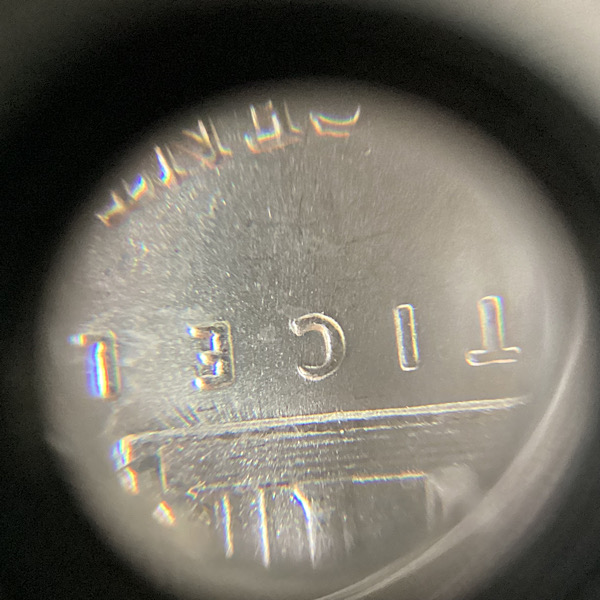
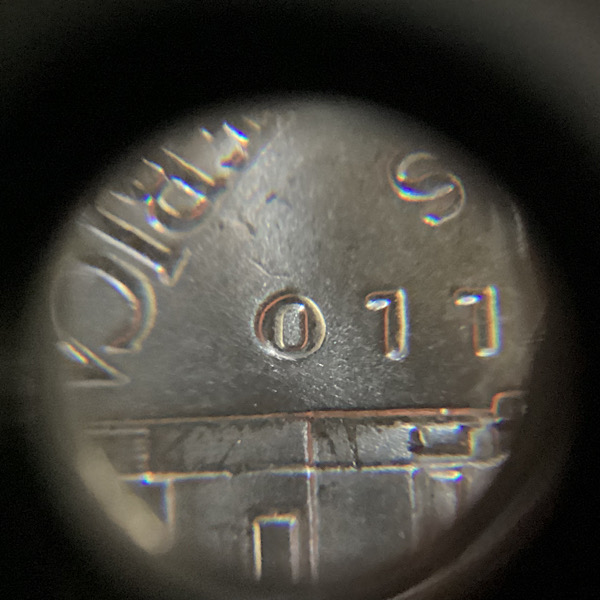
Well, I went through the piles of nickels waiting to be inspected. There was another 2023-D Jefferson nickel in the BU-FS stack: 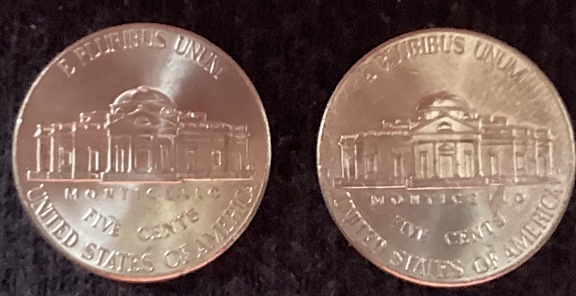 The 2023-D that started this conversation: 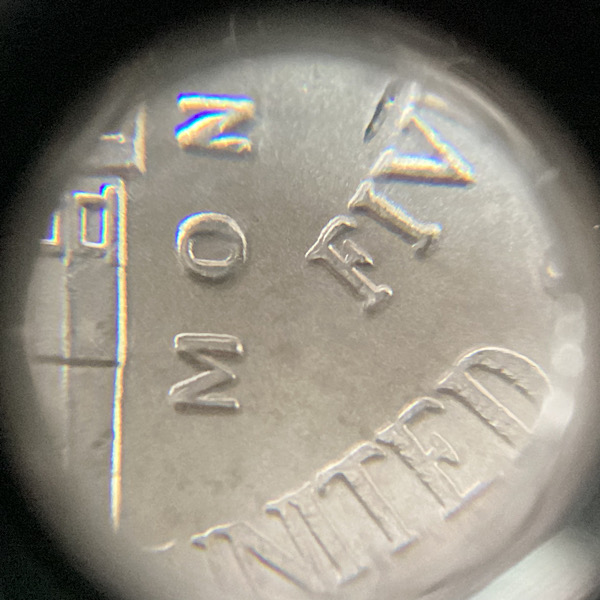 Twinsies! 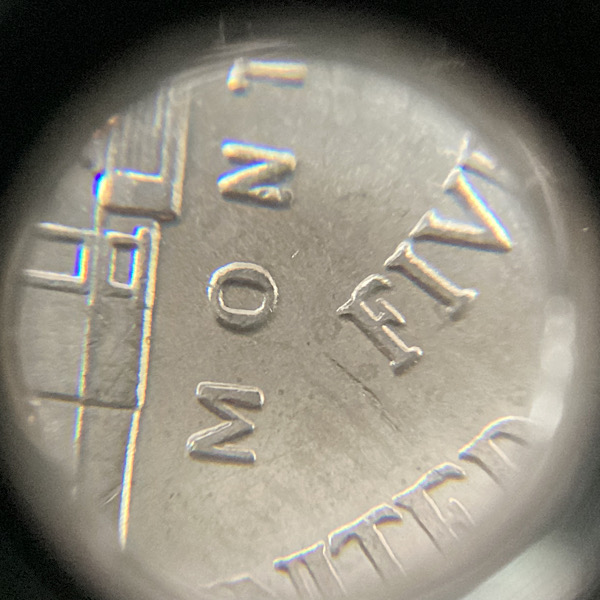 So now what? Obviously many forms of Machine Doubling are mechanically repeatable. It does seem odd to have two nickels that present the same way. I will check for other markers tonight. I don't know if I have enough magnification for that, or enough experience spotting the tiny imperfections that match two different nickels to the same reverse die. |
|
Pillar of the Community
Canada
6244 Posts |
If you can you can use the production - QA video machine for electronics. I was successful a few years ago. PhotoScape X can transform the photo format in Web or Jpeg.
|
|
Pillar of the Community
United States
6907 Posts |
Haha! Alas, I just consult in software and requirements now. Hence my little $8 magnifier from Amazon. If I were still working in ASIC test, I would have all my coins on the machines for checking solder joints, or the microscopes in the lab. The newest models can export enough data to stitch together a 3D rendering in CAD tools. That would be something fun to see, although I don't think it would fit under the 300kb forum limit! =) |
|
Pillar of the Community
Canada
6244 Posts |
My software recommended do. I use RAW three-dimensional photo and I can adapt in Web
|
| |
Replies: 33 / Views: 5,114 |






 First Page


 Posted 06/21/2023 5:17 pm