First Page
 Previous Page


 ,but I have a pretty good idea


 Posted 06/29/2023 7:08 pm


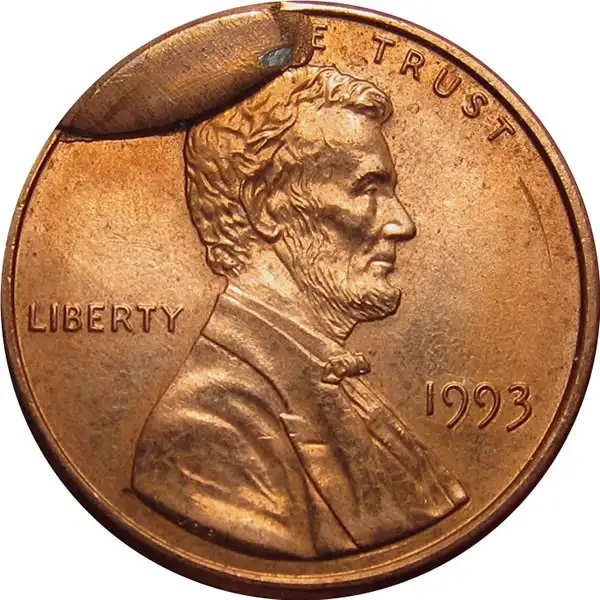
What Causes Cuds on a Coin?
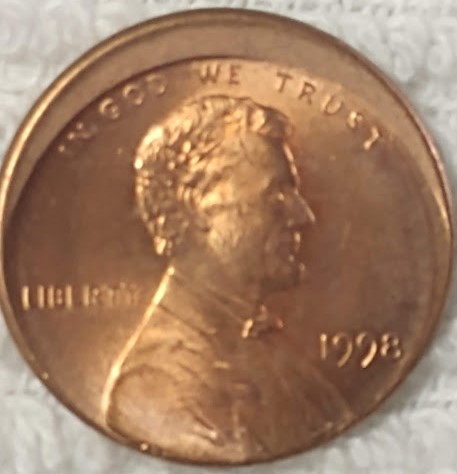
As a coin die continuously strikes coins in the coining press, the tremendous pressure used to mint coins causes stress on the metal coin die. Additionally, the friction on the surface of the die from striking the planchets causes the surface of the die to deteriorate. Combine these with a variety of other factors and a coin die can become damaged through normal usage. Eventually, all coin dies will deteriorate and fail in one way or another.
Additionally, the metal collar that holds the planchet centered above the anvil die can sometimes move and get struck by the hammer die. If a die has been in the coining press for a while and has experienced the stresses of coining for a while, a piece of the die can break off. This breakage will leave a damaged coin die that will produce a Cud.
In the early years of the United States Mint coin dies were made by hand and were very expensive. Therefore, they were used in the coining press until they deteriorated or produced such low-quality coins that they were no longer deemed adequate to strike coins. Therefore, many early coins have Cuds on them because the mint employees were trying to extend the life of the die for as long as possible.
Modern minting processes allow coin dies to be mass-produced and they are significantly cheaper than the early coin dies of the United States Mint. Therefore, at the first sign that a coin die is showing deterioration or stress cracks, the die will be retired in a new die used in its place. This improved quality process has resulted in fewer Cuds appearing on modern coins. Retained Die Breaks
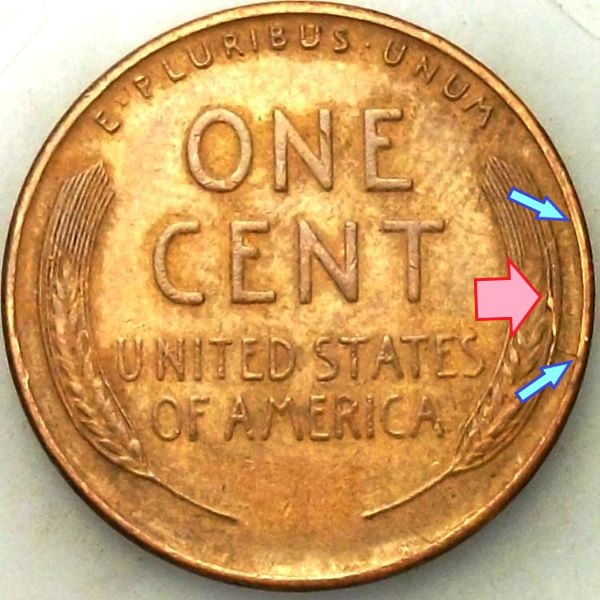
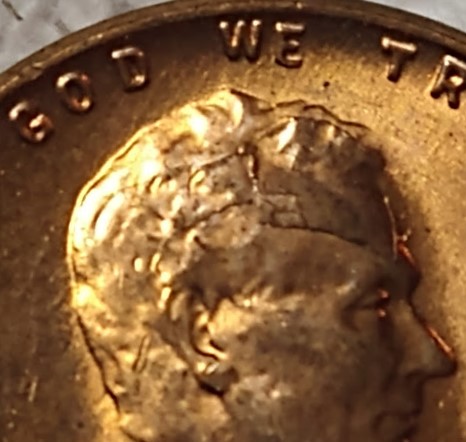
As a coin die begins to break, the piece of metal may not immediately separate from the coin die. The crack in the die will leave a ragged and raised defect on the surface of the coin. If the break extends from one edge to the other, it may start to work its way towards the outside of the coin before it detaches. This die defect will leave a weak image of the design on the Cud.
These retained die breaks leave the unique "fingerprint" on every coin it produces. Numismatic authenticator sometimes use these imperfections to identify genuine coins or to prove a coin is a counterfeit. For someone who posts a lot, you sure don't know your stuff.
As a coin die continuously strikes coins in the coining press, the tremendous pressure used to mint coins causes stress on the metal coin die. Additionally, the friction on the surface of the die from striking the planchets causes the surface of the die to deteriorate. Combine these with a variety of other factors and a coin die can become damaged through normal usage. Eventually, all coin dies will deteriorate and fail in one way or another.
Additionally, the metal collar that holds the planchet centered above the anvil die can sometimes move and get struck by the hammer die. If a die has been in the coining press for a while and has experienced the stresses of coining for a while, a piece of the die can break off. This breakage will leave a damaged coin die that will produce a Cud.
In the early years of the United States Mint coin dies were made by hand and were very expensive. Therefore, they were used in the coining press until they deteriorated or produced such low-quality coins that they were no longer deemed adequate to strike coins. Therefore, many early coins have Cuds on them because the mint employees were trying to extend the life of the die for as long as possible.
Modern minting processes allow coin dies to be mass-produced and they are significantly cheaper than the early coin dies of the United States Mint. Therefore, at the first sign that a coin die is showing deterioration or stress cracks, the die will be retired in a new die used in its place. This improved quality process has resulted in fewer Cuds appearing on modern coins. Retained Die Breaks
As a coin die begins to break, the piece of metal may not immediately separate from the coin die. The crack in the die will leave a ragged and raised defect on the surface of the coin. If the break extends from one edge to the other, it may start to work its way towards the outside of the coin before it detaches. This die defect will leave a weak image of the design on the Cud.
These retained die breaks leave the unique "fingerprint" on every coin it produces. Numismatic authenticator sometimes use these imperfections to identify genuine coins or to prove a coin is a counterfeit. For someone who posts a lot, you sure don't know your stuff.