| Author |
 Replies: 25 / Views: 2,280 Replies: 25 / Views: 2,280 |
|
|
|
Pillar of the Community
  United States
1502 Posts |
Thanks all - so much to learn from all of you. Ty2020b - thx a ton for the info dump on markers - great data points to have. Acetone soak helped expose a bit more detail. I think the MM position is the best indicator to say no 3.5 leg - slight rotation but with higher placement.  Also does not appear to be any flow lines on rear legs or the belly. Really hard to be absolute given the condition.   There is still an indication of a die break or something hitting the rim at 3. At this point I'm inclined to think it may simply be a crack in the encrustation - it is difficult to discern if raised or depressed.  Post Acetone soak and with a little manipulation of angle, the lead leg becomes much more pronounced.  |
|
Bedrock of the Community
United States
94367 Posts |
Well done, not the 3.5 leg.
|
|
Pillar of the Community
United States
7733 Posts |
Do not get discouraged and keep looking! They do still turn up and is an easily overlooked variety! I've found a few over the years! (Don't forget the 1935 DDR and the 1936-D 3 1/2 leggers are still out there, too!) |
|
Pillar of the Community
United States
1502 Posts |
Too much fun digging to get discouraged :-) It is like opening a present every time you pull a coin out of the ground. A few weeks back I pulled a 1901 Barber quarter and almost wrecked on the way home. Driving with my knees at 70 with a loupe in one hand and the coin in the other - looking for that S (probably would have wrecked if it was there). |
|
Moderator
 United States
108000 Posts |
Nice newer images too - sorry it ain't the 3.5er
|
|
Bedrock of the Community
United States
94367 Posts |
|
|
Pillar of the Community
United States
6905 Posts |
10 days ago, I wrote: Quote:
To see if it would be helpful, I tossed a 1963 nickel with a heavy brown patina (probably a beach coin) into a cup of 1/3 vinegar, 2/3 water. Perhaps that can gently lift the patina after a few days. I know that the pure vinegar soak can really corrode the surface, as tested in the nickel CRH threads. Vinegar still seems more gentle than Nic-a-date, though. The experiment did not go so great. The diluted vinegar still chewed up the surface. Or more likely, the corrosion patina had chewed up the surface, and the diluted vinegar slowly stripped that patina away to reveal the damage. 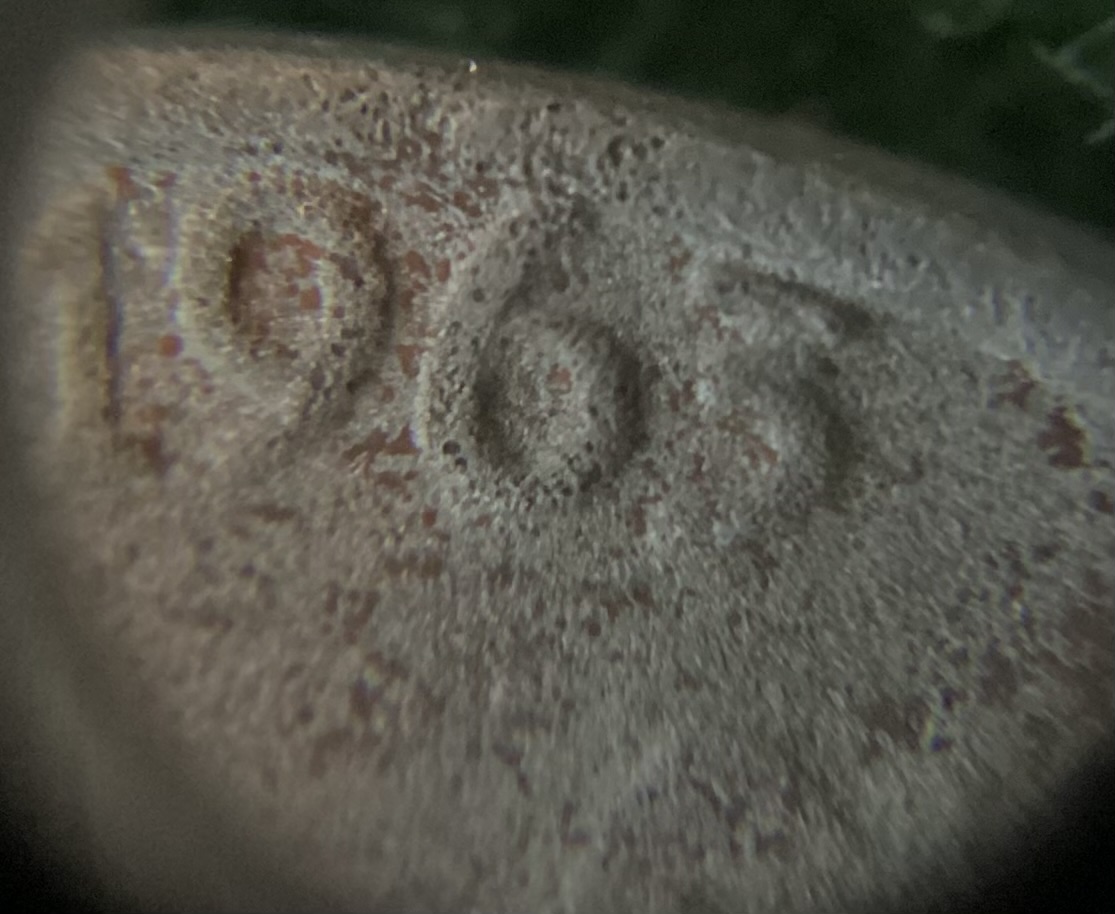 |
|
Pillar of the Community
United States
1502 Posts |
Quote:
The experiment did not go so great. I tossed Vinegar (and all acids) out of the toolset a long time ago, never (ever) had success with it. I'll give the nicadate a shot on a cull or two but I fully expect it to perform in similar fashion. |
|
Valued Member
United States
109 Posts |
Might try soaking the coin in baking soda and water, it will stop corrosion, but it might take awhile.
Don't let it set too long, just rinse the coin with soft or distilled water and retry.
Of course, don't try wiping the coin with the soda paste still on the coin.
|
|
Pillar of the Community
United States
1502 Posts |
Quote:
Might try soaking the coin in baking soda and water Not a paste fan either! Alkali Wash with Sodium Sesquicarbonate is my choice for a coin in this state. I'll run it slim at 1.5%, pH will be around 8 which is essentially neutral. Have never had issues in the 7-9 range. |
| |
Replies: 25 / Views: 2,280 |







 First Page


 Posted 09/26/2023 8:13 pm





