











 Posted 11/21/2023 6:09 pm


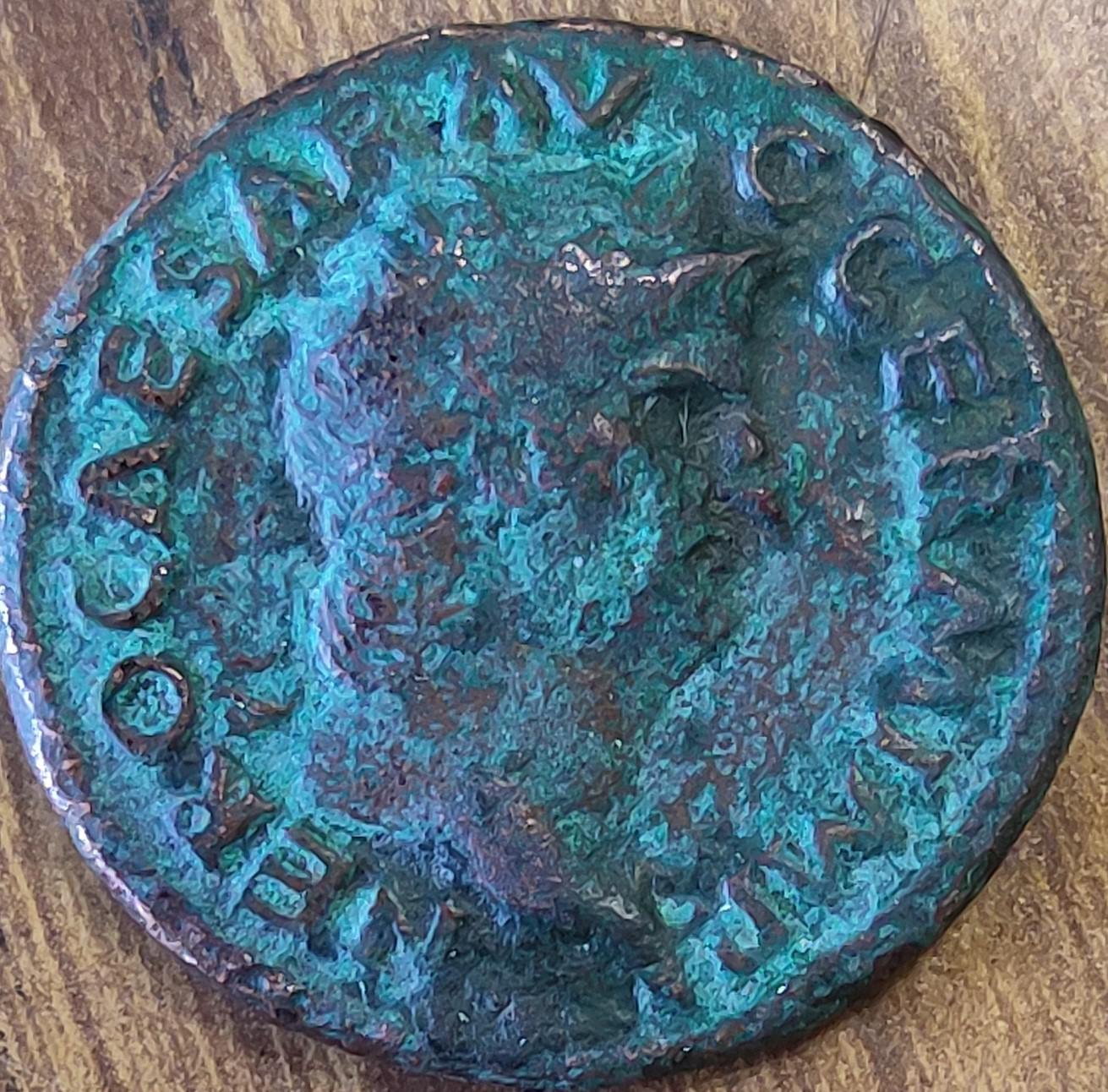
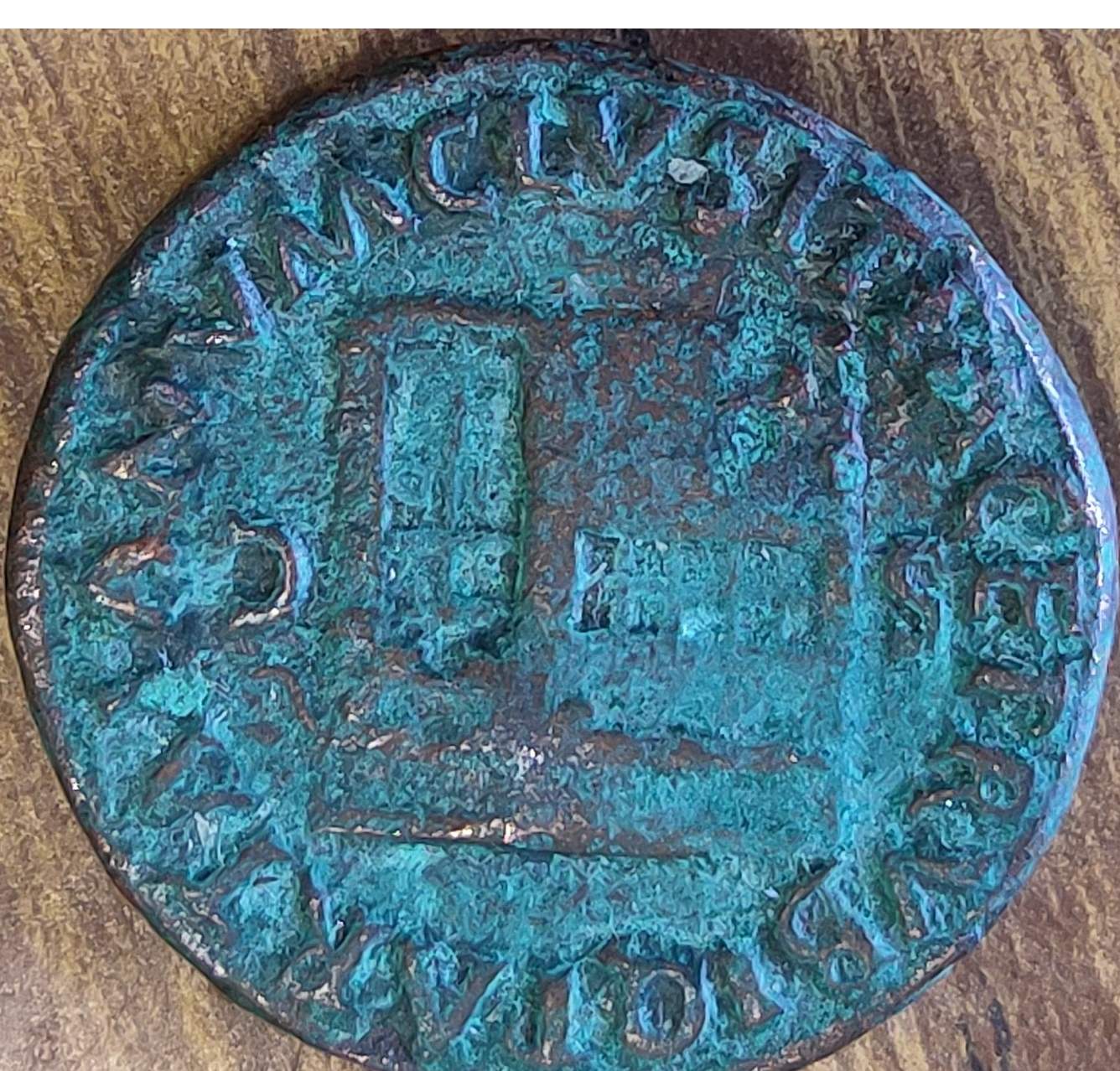
The different spacing isn't really an issue; dies back then were hand-engraved and different letter-spacing was normal. If it is a fake, it is a cast fake, and the original coin it was copied from would have had that spacing.
The different weight is more of an issue, as significantly lighter weight combined with more or less correct size and no indication of mass loss, implies a lightweight metal and/or it's considerably thinner than a typical coin.
The green-blue "patina" is more concerning; this is not a typical patina for coins found in Italy, and has to me all the appearances of a dipped-in-vinegar fake patina over fresh metal.
So for me, the overall appearance is not conducive to it being genuine. This is a very popular coin type, of probably the most infamous emperor; it is not a typical random Roman coin you might happen to stumble upon in Italy.
The different weight is more of an issue, as significantly lighter weight combined with more or less correct size and no indication of mass loss, implies a lightweight metal and/or it's considerably thinner than a typical coin.
The green-blue "patina" is more concerning; this is not a typical patina for coins found in Italy, and has to me all the appearances of a dipped-in-vinegar fake patina over fresh metal.
So for me, the overall appearance is not conducive to it being genuine. This is a very popular coin type, of probably the most infamous emperor; it is not a typical random Roman coin you might happen to stumble upon in Italy.
Don't say "infinitely" when you mean "very"; otherwise, you'll have no word left when you want to talk about something really infinite. - C. S. Lewis


