| Author |
 Replies: 20 / Views: 1,256 Replies: 20 / Views: 1,256 |
|
Valued Member
Italy
290 Posts |
Hello all!  This is another of my interesting USA coin, in much better shape than my Morgan.. 1920 Buffalo nickel (no mintmark, so minted in Philadelphia, right?). Does anyone see anything more to be noted about this specimen that I missed? How would the grade be in your expert opinion? I think this is not a details, though I'm not even going to guess it this time as it seems quite nice to me so I'll probably shoot too high! 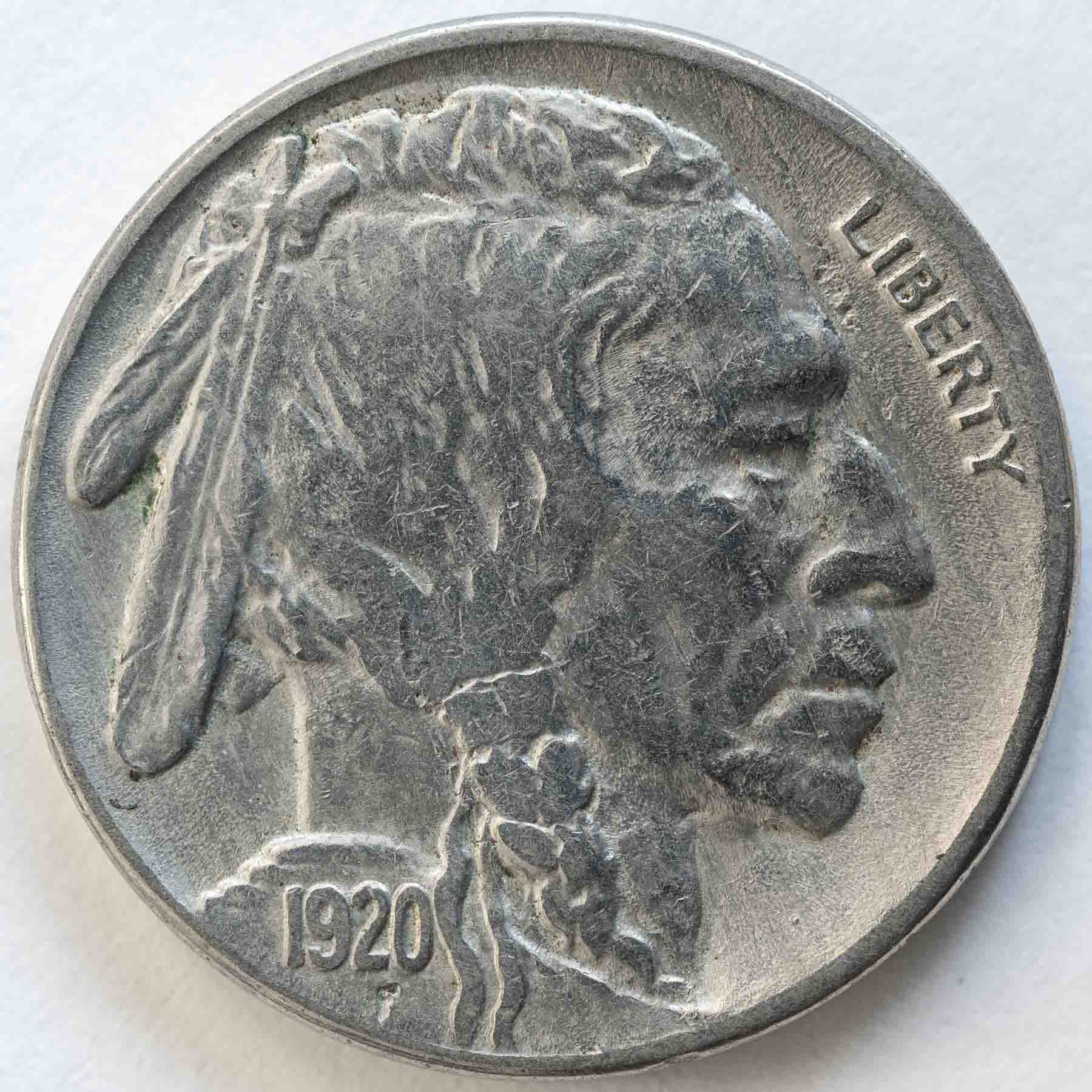 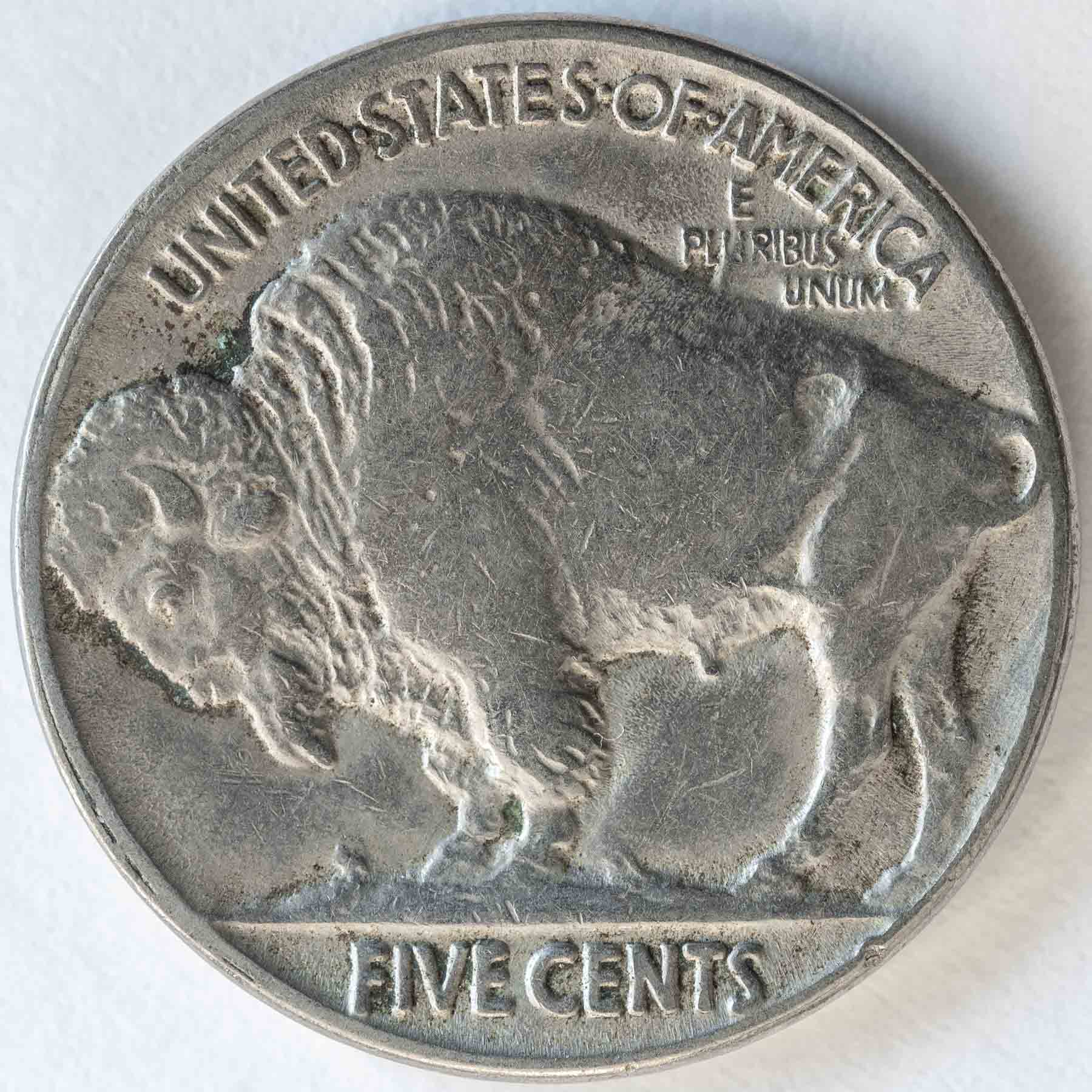 Thank you for your time and have a great day!  *** Moved by Staff to a more appropriate forum. *** *** Moved by Staff to a more appropriate forum. *** |
|
|
|
Pillar of the Community
United States
3007 Posts |
Yes, minted in Philadelphia, as the mm would be on the reverse between and below the words five cents. Full horn and overall appearance looks into the AU-50 condition grade, with possible weak strike. I also see a clash mark spike coming off the buffalo into the motto E.P.U.  |
|
Bedrock of the Community
United States
94367 Posts |
|
|
Valued Member
 Italy
290 Posts |
Thank you! Quote:
I also see a clash mark spike coming off the buffalo into the motto E.P.U. What is a clash mark spike? I did some research and are we talking about a die having a chip? Like in this case a chip that ran from the buffalo back to the EPU? Thus resulting in this imperfection? I took a better pic to hopefully better identify that. 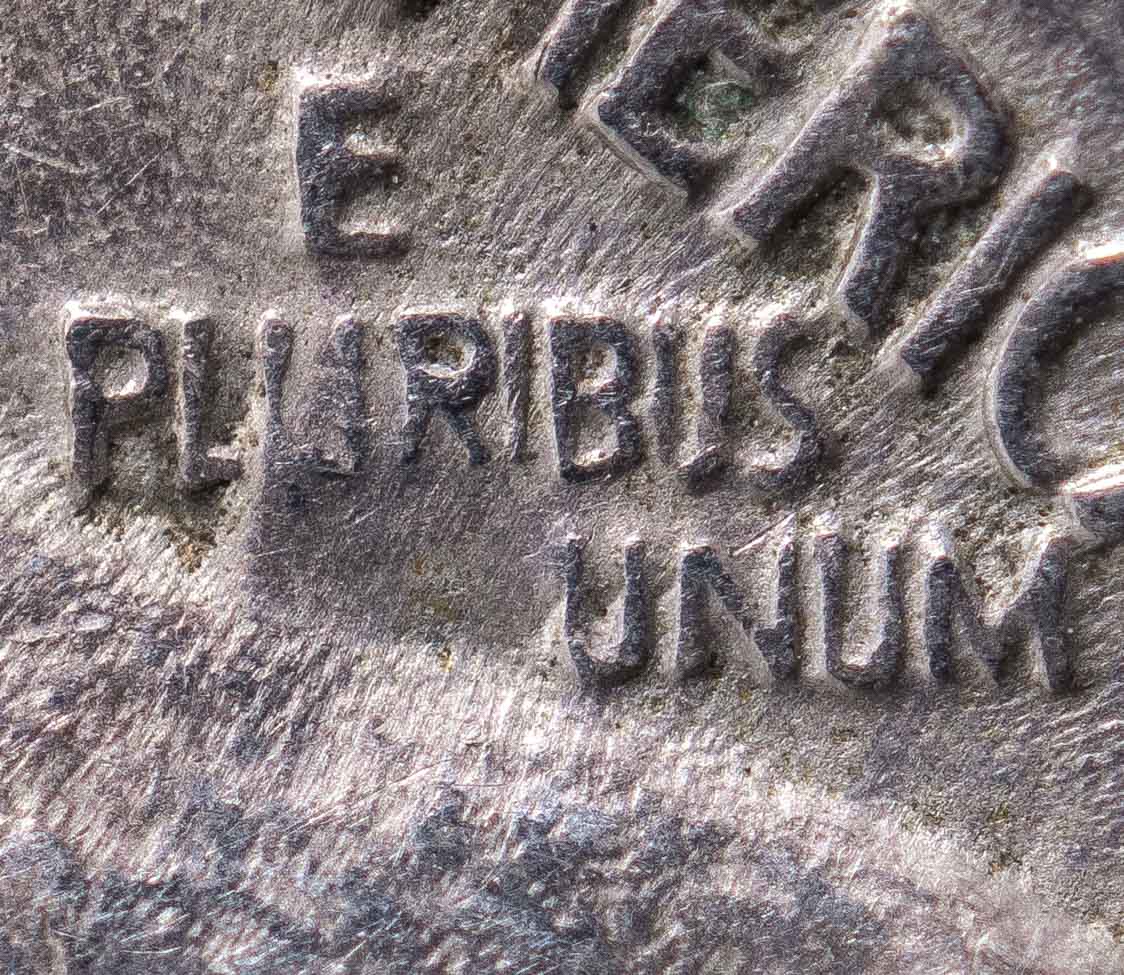 If this is indeed such an artifact, does it detract from the value or does it add a premium? Or irrelevant? Thanks! |
|
Bedrock of the Community
United States
37188 Posts |
|
|
Pillar of the Community
United States
599 Posts |
I gotta say it looks chemically restored. AU details.
|
|
Bedrock of the Community
United States
94367 Posts |
Chemically restored? In what way?
|
|
Bedrock of the Community
United States
79345 Posts |
I'll say AU.
Errers and Varietys.
|
|
Bedrock of the Community
 United States
18929 Posts |
buffs are one the toughest series to grade. lots of things went on with these from mismatched dies to strike issues to lots of die polishing etc. Quote:
I gotta say it looks chemically restored. AU details. this actually was my first thought when I looked at it. the surfaces appeared to be pitted from some type of chemical however it could be from a LDS. this one is a challenge. the reverse looks like it was at minimum cleaned. I'm at AU details (cleaned) also |
|
Valued Member
Italy
290 Posts |
Quote:
the surfaces appeared to be pitted from some type of chemical however it could be from a LDS. this one is a challenge. the reverse looks like it was at minimum cleaned. LDS is "late die state"? If so could the die chip (still not sure if I understood the previous comment by mrwhatisit) reinforce this theory? By the way, coin was inside a sealed envelope for the past 30 years. It was together with many other dirty coins (I'll post them!) so I would assume it wasn't cleaned 30 years ago when it was sealed (otherwise one would have cleaned the others too). Before that, it was probably left alone for 20 years. Before that (so talking about 50 years ago, when it was in the hands of its real first collector owner) I wouldn't know if it was cleaned or not. As for me I had my hands on it for about a week and so far I haven't cleaned it  Thanks to all for the comments and discussions, keep 'em coming! |
|
Valued Member
Italy
290 Posts |
I took some new pics of the reverse, hoping to show better the texture of it.. do they help in the cleaned vs not cleaned debate? They also show better whats going on in the EPU area for the possible die chip? 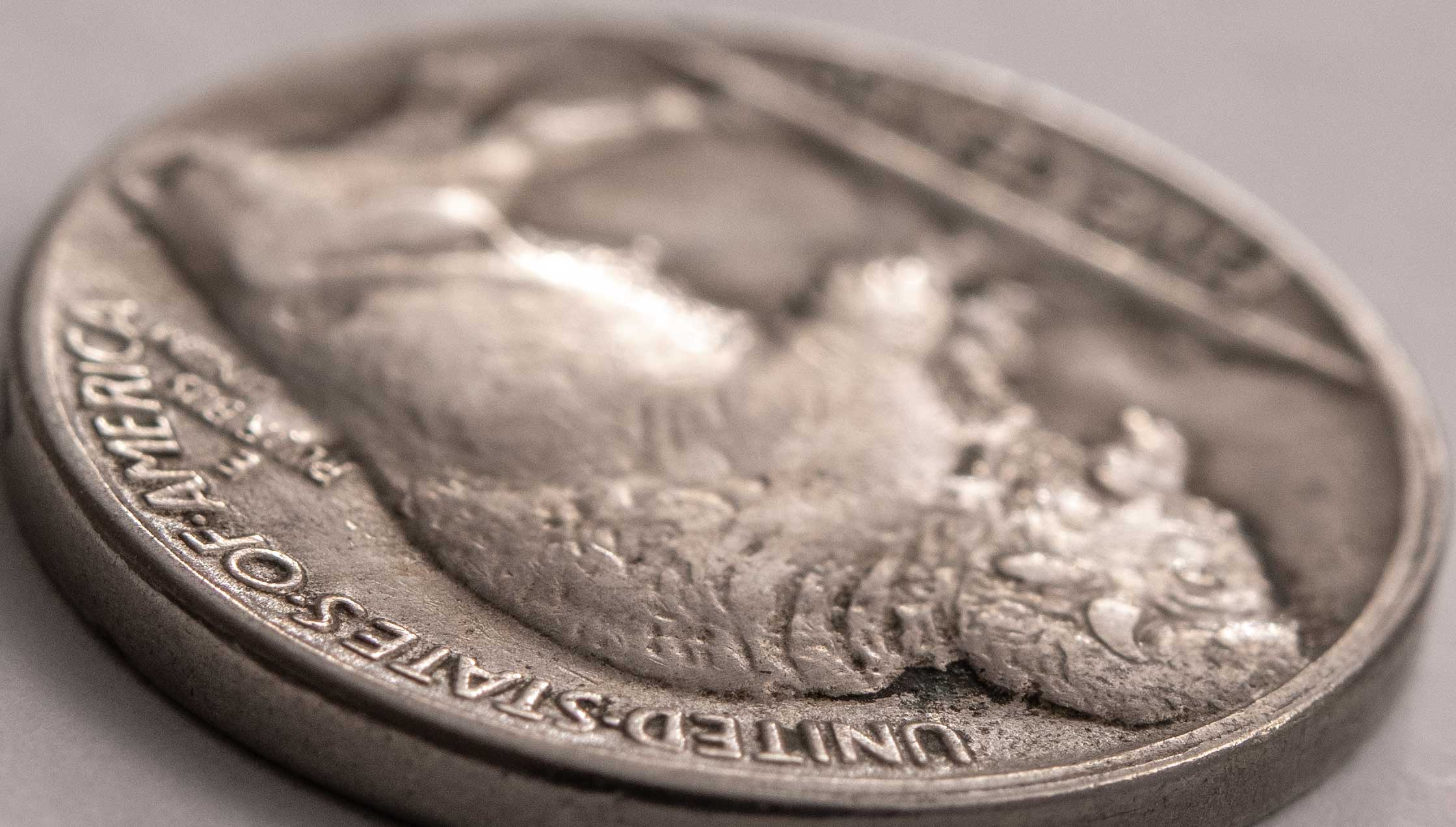 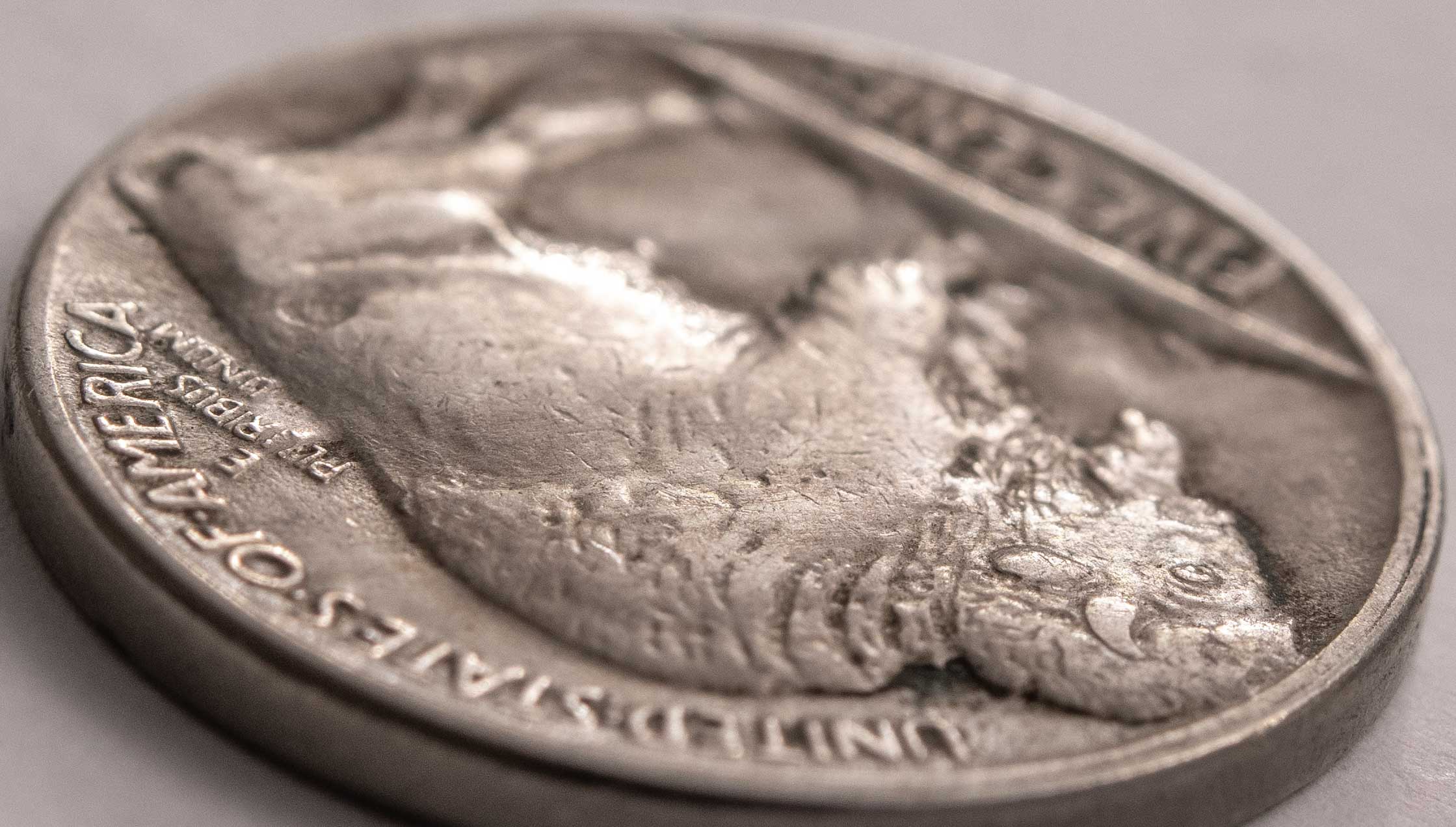 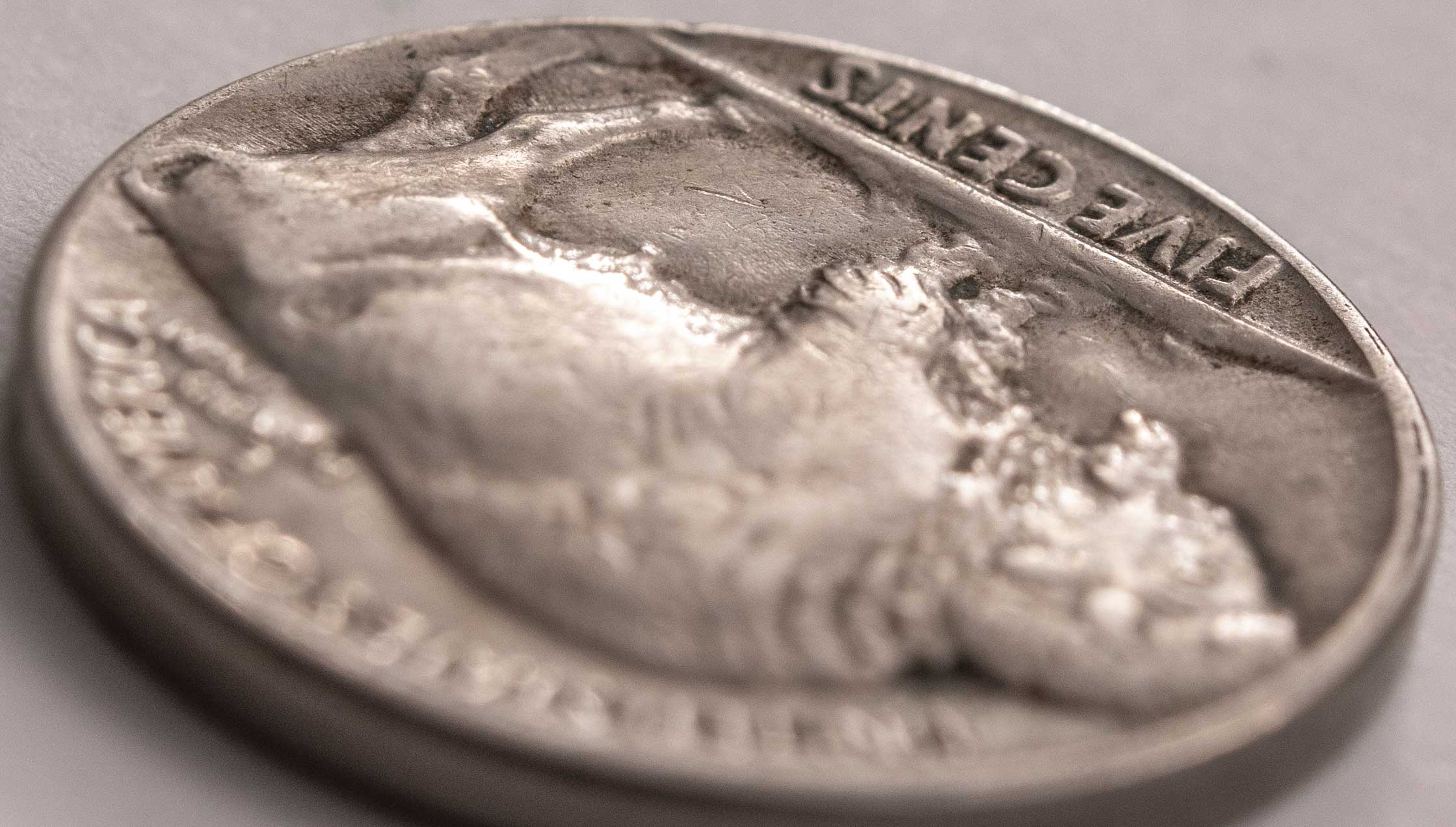 Edited by joe_77
01/10/2024 11:43 am
|
|
Pillar of the Community
United States
599 Posts |
Quote:
Chemically restored? In what way? The device looks hazy. There's also a streakiness to the field that I don't like. After reading about how it was in an envelope for so many years, I realize what I was seeing is probably the action of the chemicals from the paper. Storing it in an envelope was not a good idea. Edited by sickpuppy78501
01/10/2024 12:01 pm
|
|
Pillar of the Community
 United States
6878 Posts |
Photos in that orientation, don't help at all. Unless we are looking at the rim/ edge
Edited by Keith67
01/10/2024 11:56 am
|
|
Bedrock of the Community
United States
12057 Posts |
XF40 details, cleaned, environmental damage. Obverse has what might be a lamination peel at K2 below LIB. Clash marks at EPU, but I can't see the corresponding clash below the chin on the obverse, another strange observation. Very late die state so it may have been polished off the obverse die.
This entire coin looks odd. The rim separation at the top of the reverse is extremely unusual.
Member ANA - EAC - TNA - SSDC - CCT #890 "Most of the things worth doing in the world had been declared impossible before they were done." -- Louis D. Brandeis |
|
Pillar of the Community
United States
6878 Posts |
Quote:
The rim separation at the top of the reverse is extremely unusual.
 |
|
Pillar of the Community
United States
4233 Posts |
Quote:
What is a clash mark spike? I did some research and are we talking about a die having a chip? Looks like nobody answered this. A die clash is when the obverse and reverse dies bang together with no planchet in between them. Parts of the design from one side get transferred to the other die, and then subsequent coins get those "clash marks" minted onto the coin. The coin will then have those features backwards (because the die was essentially struck as if it were a coin, and then the planchet is struck as if it were being struck by another coin instead of a die, if that makes sense). In the case of US coins which use coin alignment, the clashed features are also upside-down. mrwhatisit is pointing out that the vertical mark through Pluribus is probably a common place for these die clash marks. An overlay from maddieclashes illustrated this. It would be the portrait's neck line clashed onto the reverse die. 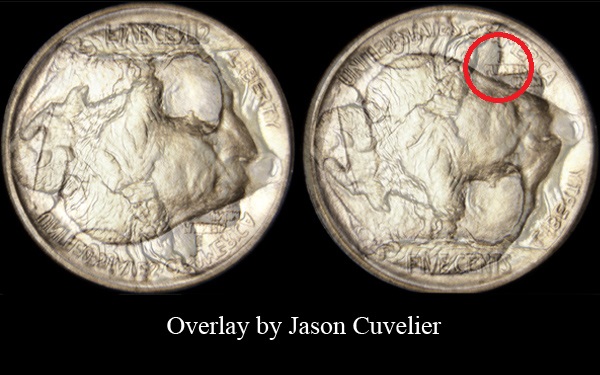 |
| |
Replies: 20 / Views: 1,256 |







 Posted 01/09/2024 12:35 pm





