| Author |
 Replies: 21 / Views: 1,104 Replies: 21 / Views: 1,104 |
|
Pillar of the Community
United States
6188 Posts |
I've seen a lot of blanks and unstruck planchets, but none have had this satiny/frosty look to them. Thinking this blank is a proof blank but can't find any really good description of what a proof blank actually looks like for a clad quarter. Any input on whether this is a regular blank or a proof blank would be appreciated.  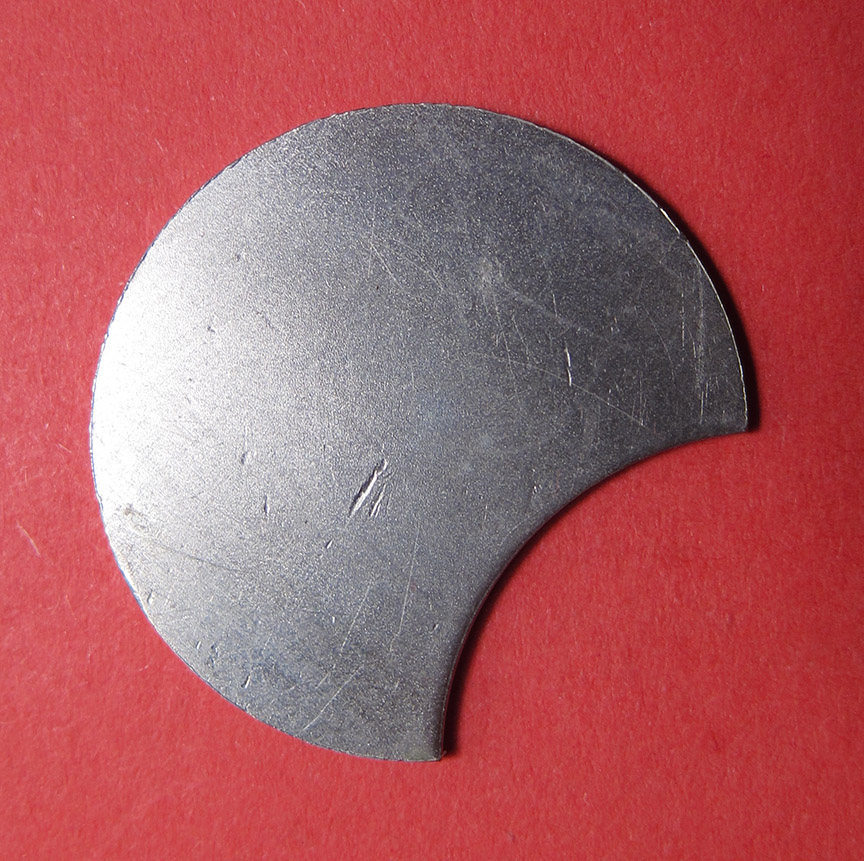 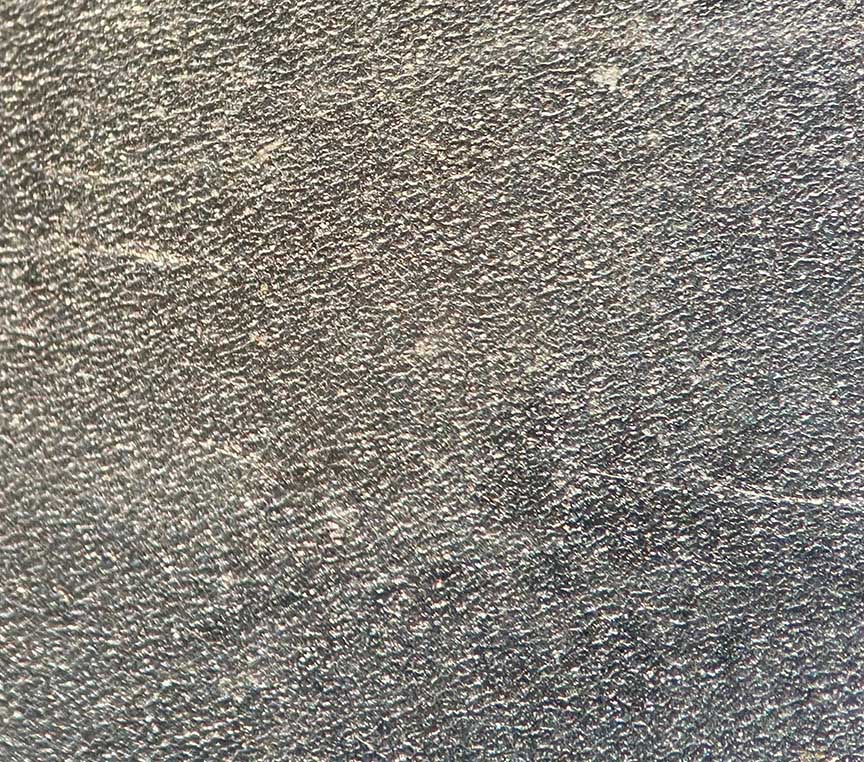 |
|
|
|
Bedrock of the Community
United States
78077 Posts |
Very interesting for sure!   Errers and Varietys.
|
|
Moderator
 United States
56855 Posts |
What does the edge look like? John1  |
|
Pillar of the Community
United States
2775 Posts |
The normal process for a blank I read as follows.
a. Annealing
b. Upsetting
c. Burnishing (for Proofs)
Unless it skipped step b. I'm thinking regular blank, with a nice clip. Thanks, Doug.
|
|
Moderator
United States
104890 Posts |
This could have been in preparation for the 2005-2010 uncirculated sets with the satin finishes.
|
|
Pillar of the Community
 United States
6188 Posts |
Thanks for the comments! A satin finish is certainly something else to consider, and I was unaware of the order of operations for proof coin prep.
|
|
Pillar of the Community
United States
2775 Posts |
|
|
Bedrock of the Community
United States
94367 Posts |
Very interesting as always!
|
|
Pillar of the Community
United States
6188 Posts |
Interesting article for sure. But while they started talking about proofs, I'm not sure the rest of the article is about proof planchets specifically. Or does SF only make proof coins these days?
|
|
Pillar of the Community
United States
2790 Posts |
Interesting and nice capture of that surface texture.
|
|
Pillar of the Community
United States
2775 Posts |
TB,  The mint's description. Thanks, Doug. Quote:
Special proof and uncirculated planchets go through a cleaning process called burnishing. They are placed in a drum with cleaning agents and small metal pellets to smooth and polish the surface. An employee then rinses the planchets and hand-dries them with towels. https://www.usmint.gov/learn/produc...n-production |
|
Moderator
United States
104890 Posts |
|
|
Moderator
United States
15841 Posts |
Interesting thread - hope we can come to some sort of consensus.
Take a look at my other hobby ... http://www.jk-dk.art |
|
Pillar of the Community
United States
2775 Posts |
Started not to bring this up as the link below makes reference to Burnishing misconceptions and or post strike burnishing. That is considered PMD. The blank in question here seems to be missing the upset process as well as being UN-struck. After chewing on my thoughts a bit, got me to thinking, is it possible the blank itself was burnished or altered after it left the mint? Still haven't found an example to compare it to. Does the clip edge look typical or pitted like the close up? Thanks, Doug. https://mikebyers.com/coinworld061801.html |
|
Pillar of the Community
United States
6188 Posts |
A little hard to tell but my opinion is that the satin surface does cover the edge of the clip as well as the regular edge. So seems it came to be on there after it was punched and clipped.
|
|
Moderator
United States
104890 Posts |
One would think that any burnishing would be done to a blank (or planchet) after it was blanked from the raw material. I can't see the metal processers burnishing a full 1000 pound sheet of rolled material before it was set into the blanking machine. So I would expect to see that the edge would also get some sort of treatment as well during the burnishing process.
Edited by Dearborn
05/06/2024 07:59 am
|
| |
Replies: 21 / Views: 1,104 |








 Posted 05/05/2024 04:00 am


