| Author |
 Replies: 10 / Views: 1,404 Replies: 10 / Views: 1,404 |
|
|
Valued Member

United States
466 Posts |
I have some SL dimes that are TPG straight graded that I think are, or have been dipped. But I am not sure on some, particularly ones that are toned or retoned. Any wisdom on what to look for? |
|
|
|
Pillar of the Community
United States
3848 Posts |
Weak luster is the first big tell. If the coin is blast white, that is a sign it is dipped as well.
Suffering from bust half fever. Want to learn how to attribute early half dollars by die variety? Click Here: http://goccf.com/t/434955Shoot me a PM if you are looking to sell bust halves. |
|
Pillar of the Community
United States
4514 Posts |
Edited by Slider23
06/21/2024 10:30 pm
|
|
Pillar of the Community
 Canada
9913 Posts |
See my signature,
"Dipping" is not considered cleaning...
-from PCGS website
|
|
Valued Member
United States
450 Posts |
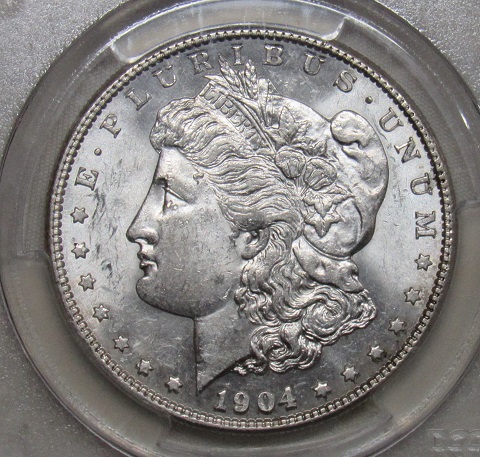
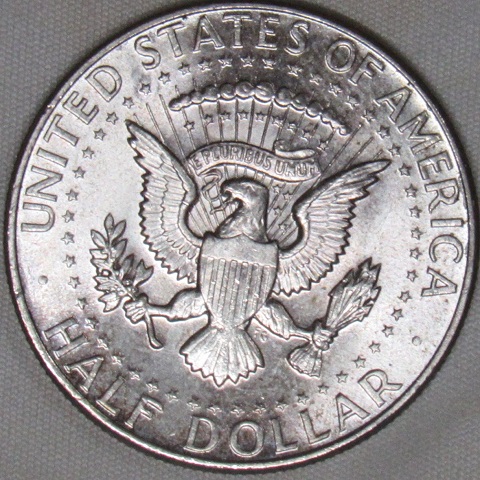
@ Slider 23, that is a very nice Morgan. Pics of the reverse would be cool. I would not know if it was dipped or not. On the Kennedy's, my guess would be #2, it seems to be a trick question. Again, reverse pics would help.
|
|
Pillar of the Community
United States
4514 Posts |
Quote:
@ Slider 23, that is a very nice Morgan. Pics of the reverse would be cool. I would not know if it was dipped or not. On the Kennedy's, my guess would be #2, it seems to be a trick question. Again, reverse pics would help. No trick questions. On the semi key date Morgan AU 58 I paid $1700 for the coin, and I sent it to PCGS to be conserved because of black terminal toning on the obverse. I was so disappointed in the dip to remove the toning as the dip removed a top layer of metal when the toning came off. PCGS should have never dipped the coin, and I did not have enough knowledge to know any better. I have never sent another coin into a TPG to be conserved. After 10 years, the coin is starting to retone and looks much better today. |
|
Pillar of the Community
United States
4514 Posts |
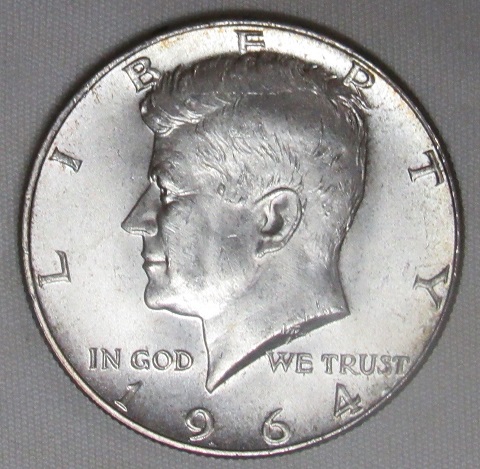
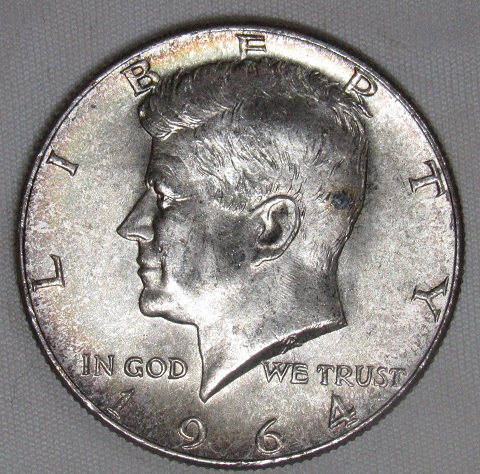
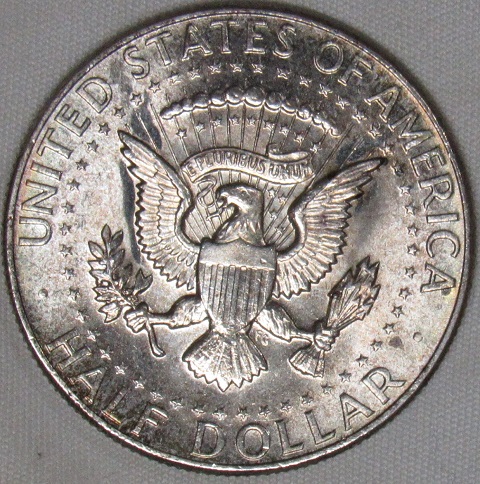
These two 1964 half dollars came out of the same original roll. One was dipped and was not dipped. Both have been sitting in the same environment for about a year after the dip. What one was dipped? The toned example on the left is 1964 Kennedy that was dipped, and the dipped example is toning at a much faster pace than the undipped coin as the example on the right with original surface shows very little toning. Below is a photo of the coin storage, and I flipped the coins about every 3 months. 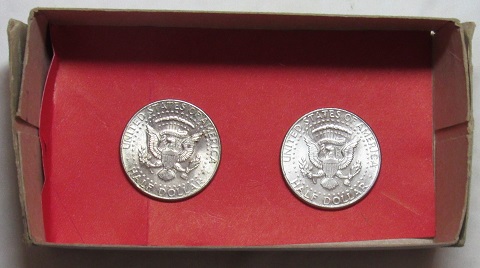 |
|
Moderator
United States
198004 Posts |
Did you use a flowing rinse of acetone to remove the dip residue?
By the way, I am not saying it would stop the accelerated re-toning, since the "potentially protective" layer of original tone has been removed.
I am just curious, because it will affect the results.
|
|
Pillar of the Community
United States
4514 Posts |
On this dip, I did not use a rinse of acetone. The test was to determine if dipped coins do in fact tone different than examples with original surfaces.
|
|
Rest in Peace
United States
632 Posts |
Just a thought, but I would never use acetone under any circumstance. Many dippers use a blast Heavy Duty Oven Cleaner after dipping. Blast-rinse-pat dry. That's all that's needed.
|
|
Moderator
United States
198004 Posts |
Quote:
The test was to determine if dipped coins do in fact tone different than examples with original surfaces. As well it should, since dip residue will cling to the coin. Quote:
Many dippers use a blast Heavy Duty Oven Cleaner after dipping. Blast-rinse-pat dry. That's all that's needed. Bad idea.  Dip, oven cleaner, and the stuff it has removed likes to cling to the coin. You should always rinse a dipped coin. Always. No expectations. With distilled water at the minimum, but a flowing rinse of fresh acetone is preferred since it will self dry. |
| |
Replies: 10 / Views: 1,404 |
|







 Posted 06/21/2024 5:56 pm