| Author |
 Replies: 14 / Views: 1,319 Replies: 14 / Views: 1,319 |
|
|
Valued Member
United States
342 Posts |
|
|
|
|
Moderator
 United States
6563 Posts |
Quote:
Or almost Proof I should say. Now it has been circulated. A proof is always a proof. That's why there's a grading system |
|
Bedrock of the Community
United States
62064 Posts |
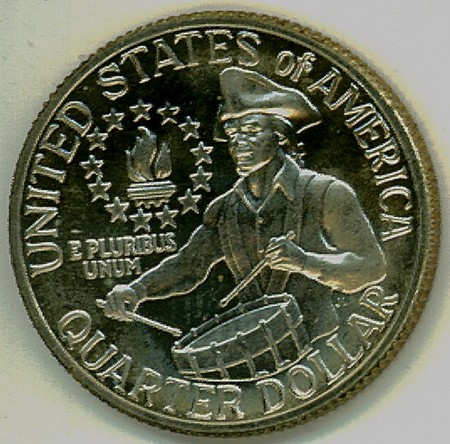
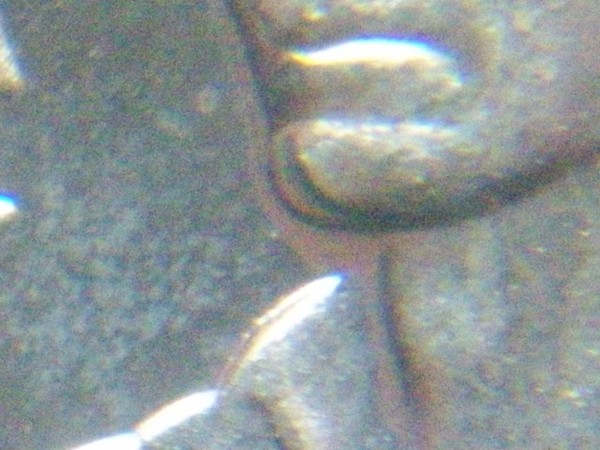
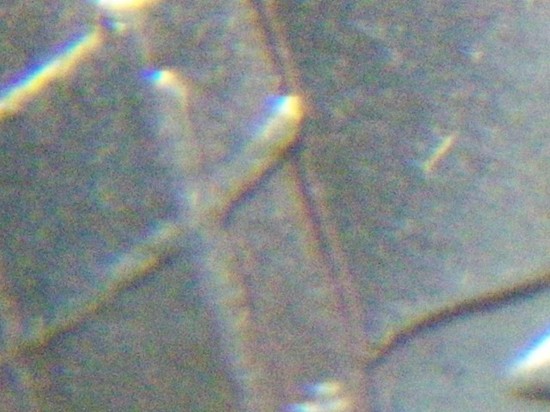
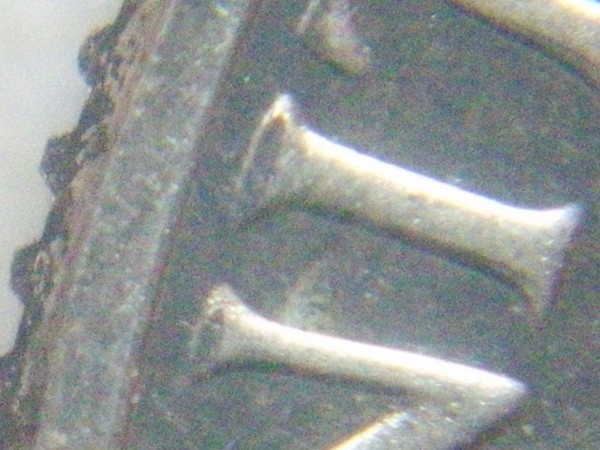
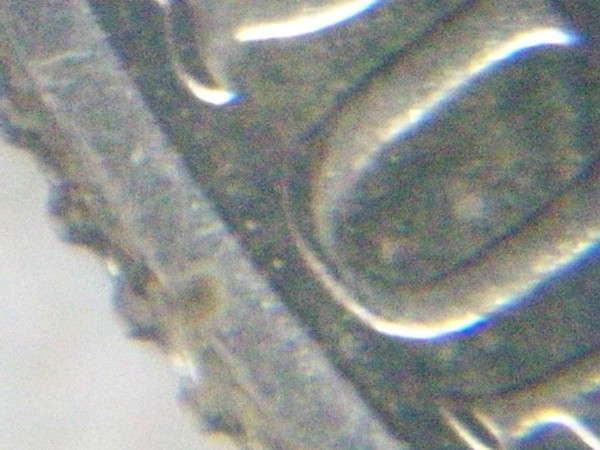
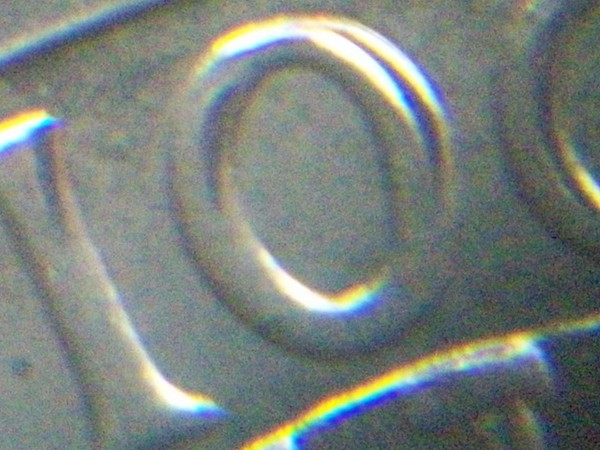
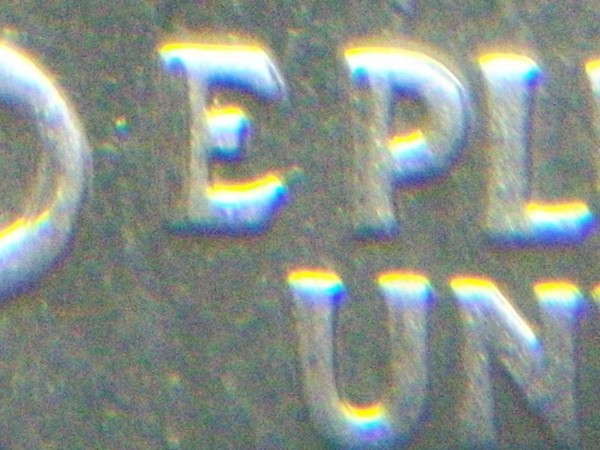
Machine doubling. Die movement distorting the devices. Not a doubled die. The die is normal the striking wasn't.
|
|
Moderator
 United States
56855 Posts |
I believe the proper term for your coin would be an impaired proof. John1  |
|
Valued Member
 United States
342 Posts |
I guess I should have been more clear? I meant circulated Proof. But I guess if I want to be dishonest, I could say proof. There are no circulations scratches or other problems with it. I guess I received it early.
Edited by zakota
05/03/2009 10:09 am
|
|
Rest in Peace
United States
1943 Posts |
|
|
Pillar of the Community
United States
7629 Posts |
There is nothing dishonest about calling a proof coin a proof coin. Proof is a method of manufacture, not a grade. If the coin is proof, it's always proof, whether damaged or not. It's like a new car and a new truck. If you damage the truck it doesn't become a car - it's just a damaged truck. Proof strikes and business strikes are completely different, there is no mixing the two. And I agree that this is Machine Doubling. |
|
Pillar of the Community
United States
1882 Posts |
Quote:
The coin was not struck a second time. Proofs generally are struck more than once... |
|
Valued Member
United States
342 Posts |
I thought that Proofs were struck multiple times.
|
|
Pillar of the Community
United States
1807 Posts |
Quote:
The coin was not struck a second time.  Who said that? |
|
Moderator
United States
195203 Posts |
From the Coin Community - Numismatic Glossary (emphasis is mine): Quote:
Proof
A coin usually struck from a specially prepared coin die on a specially prepared planchet. Proofs are usually given more than one blow from the dies and are usually struck with presses operating at slower speeds and higher striking pressure. Because of this extra care, Proofs usually exhibit much sharper detail than regular, or business, strikes. PCGS recognizes Proofs (PR) as those struck in 1817 and later. Those coins struck prior to 1817 are recognized as Specimen strikes (SP). |
|
Pillar of the Community
United States
7629 Posts |
Proof coins are usually struck more than once. Some proof coins are struck three to five times...larger ones.
|
|
Rest in Peace
United States
1943 Posts |
That was my mistake above about the coin not being struck a second time. I saw the Machine Doubling and forgot the fact that it was a proof coin we were talking about. Sorry. |
|
Bedrock of the Community
United States
17884 Posts |
What really looks wierd is when a Proof has MDD from the first strike and then the second strike mashes and spreads that flat doubled shelf from the first strike.
|
|
Valued Member
United States
342 Posts |
What looks really cool is the legs of the R's. They come up to a point in the middle, they look as ridges. They look pretty cool. I can't believe I did not post a photo of an R.
|
| |
Replies: 14 / Views: 1,319 |
|









 Posted 05/03/2009 02:03 am





