| Author |
 Replies: 14 / Views: 988 Replies: 14 / Views: 988 |
|
|
New Member
United States
14 Posts |
Edited by stufanone
10/08/2025 12:07 pm
|
|
|
|
Pillar of the Community
United States
6880 Posts |
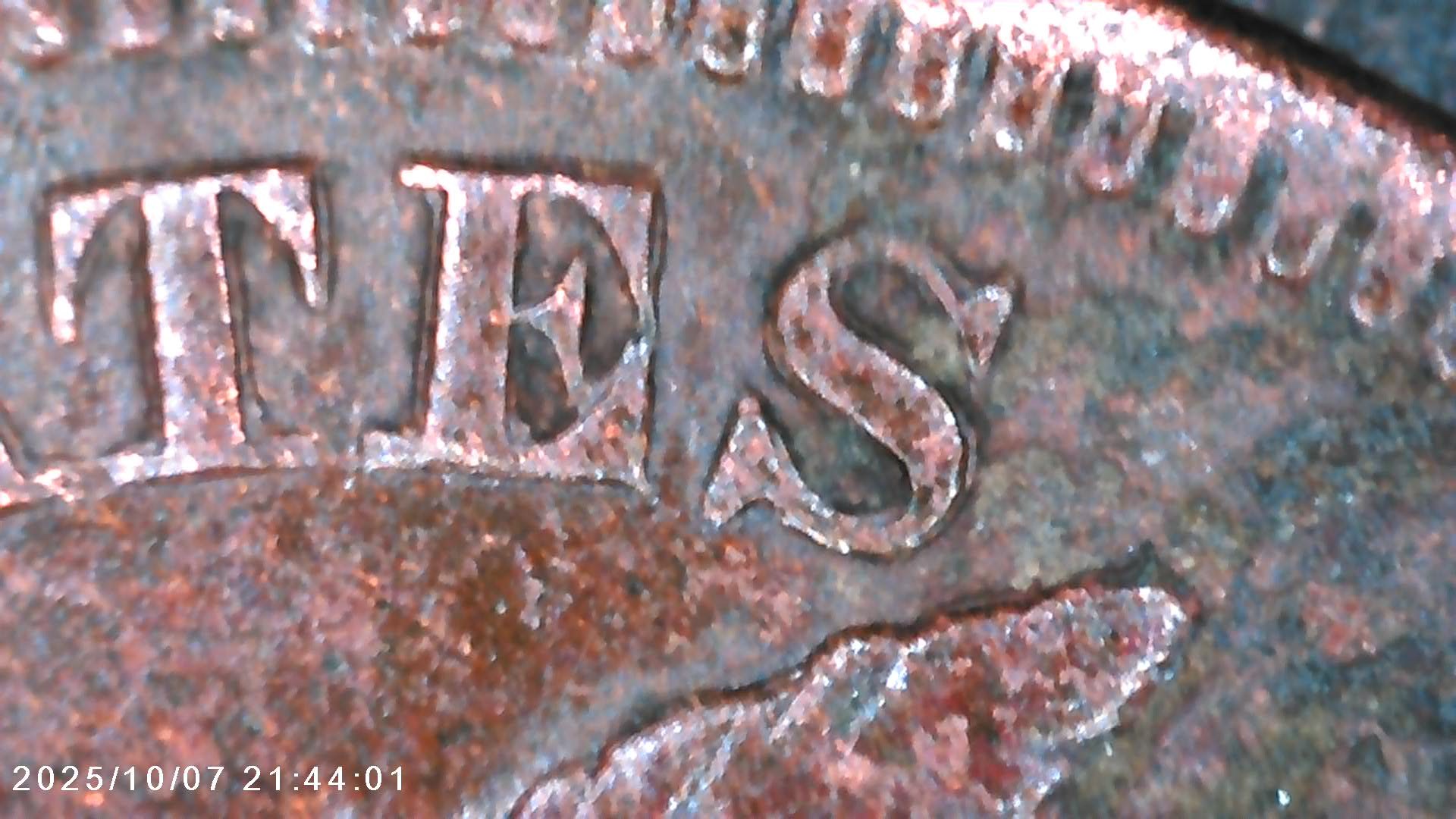
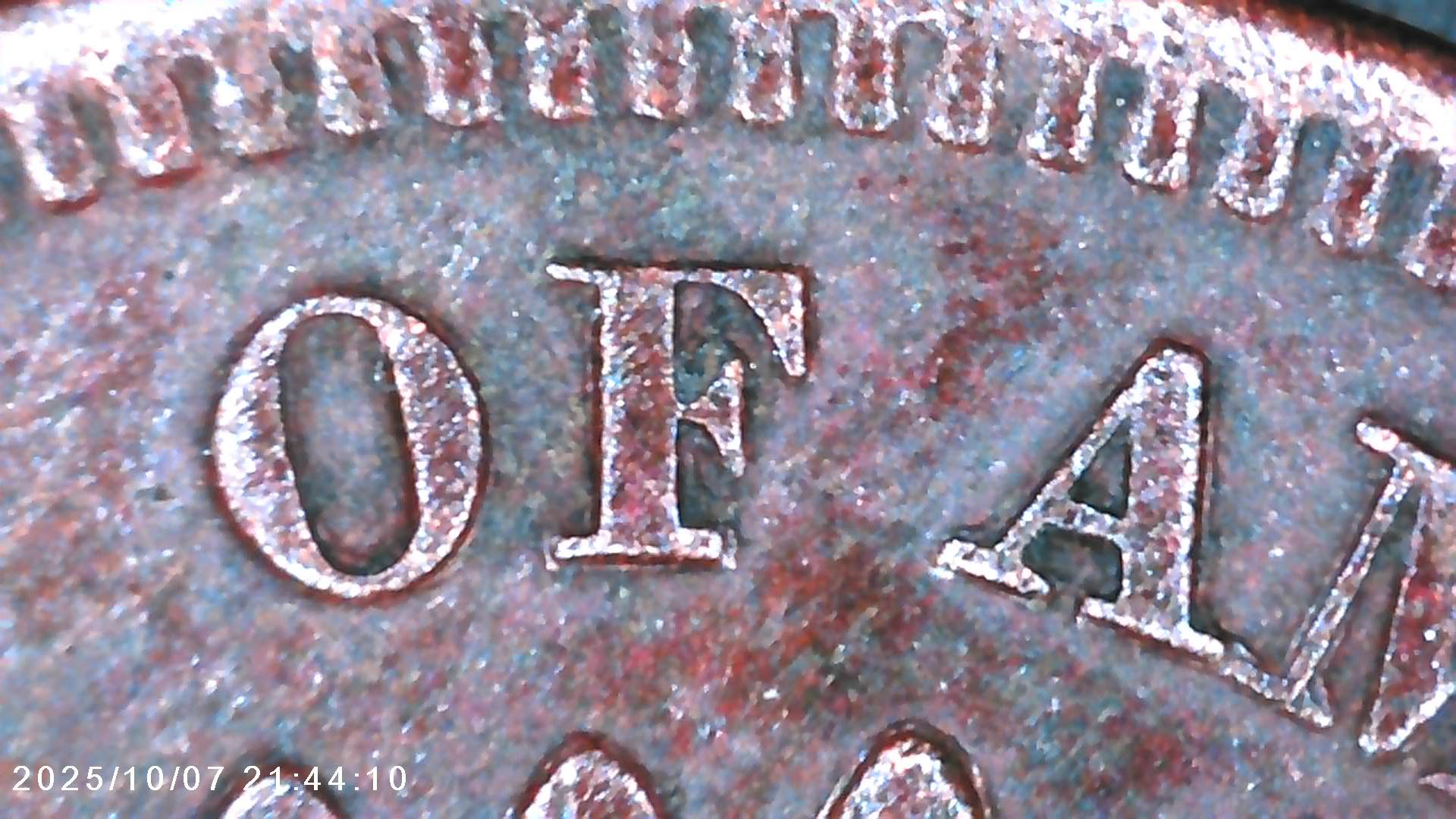
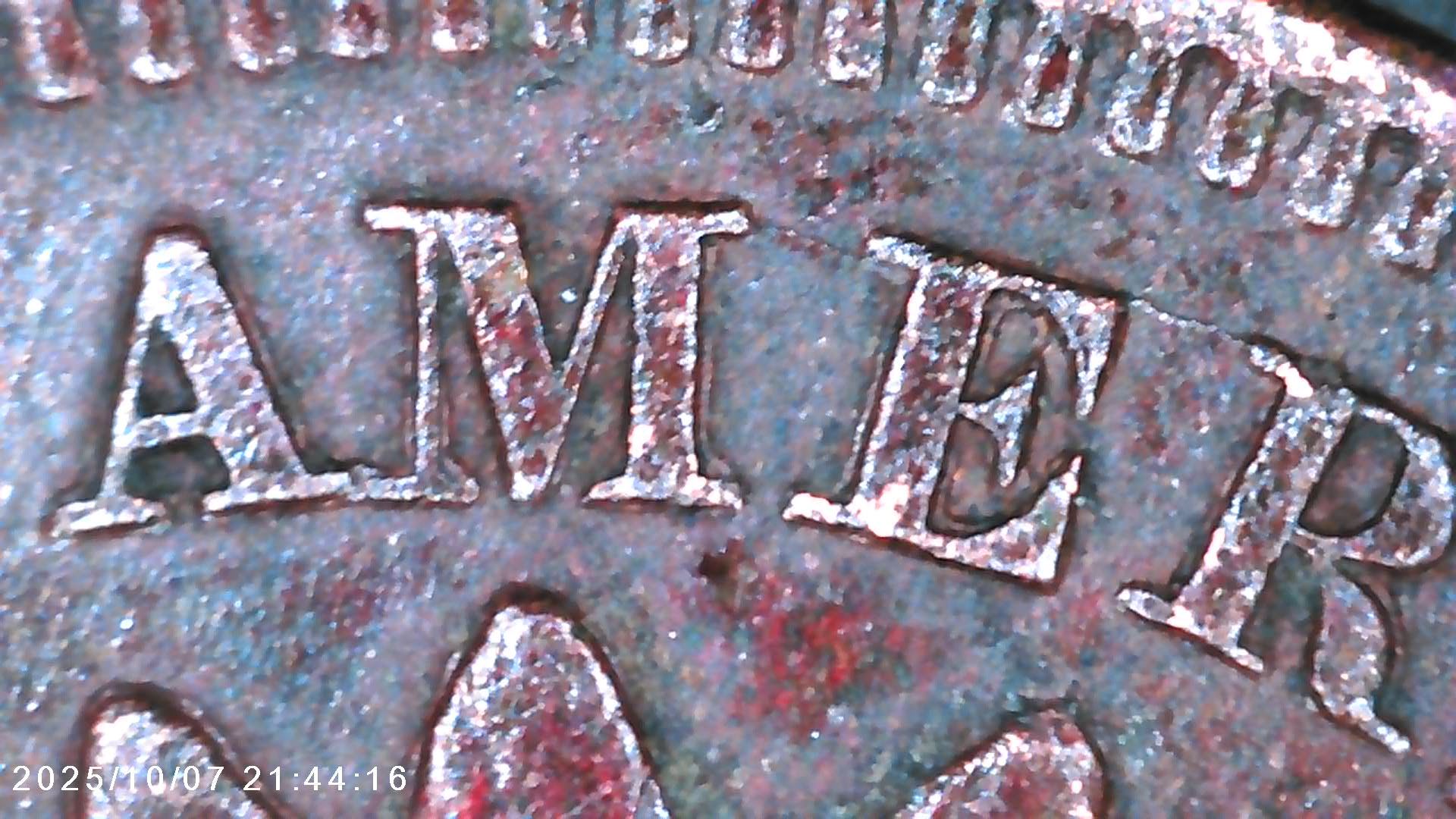
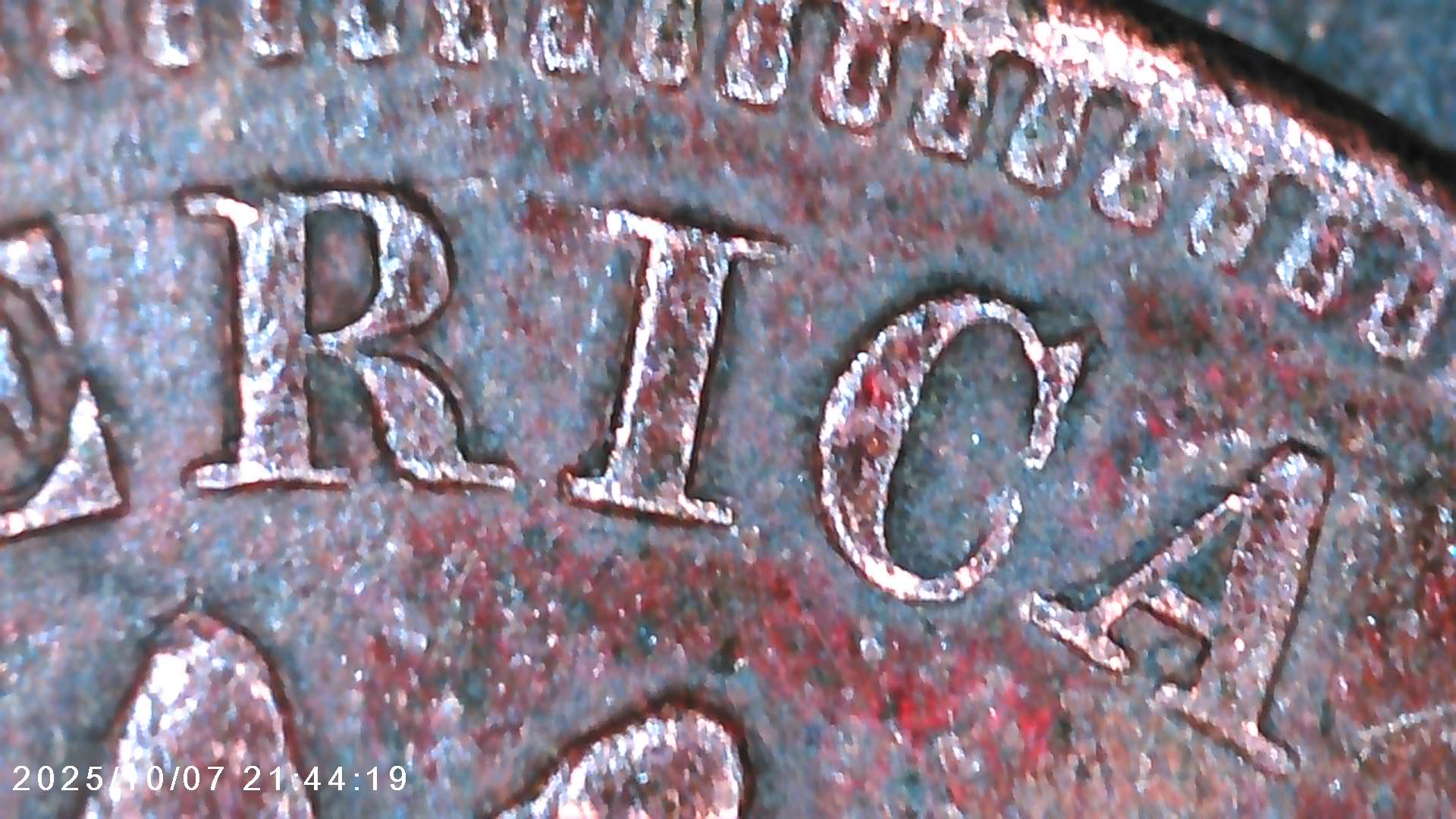
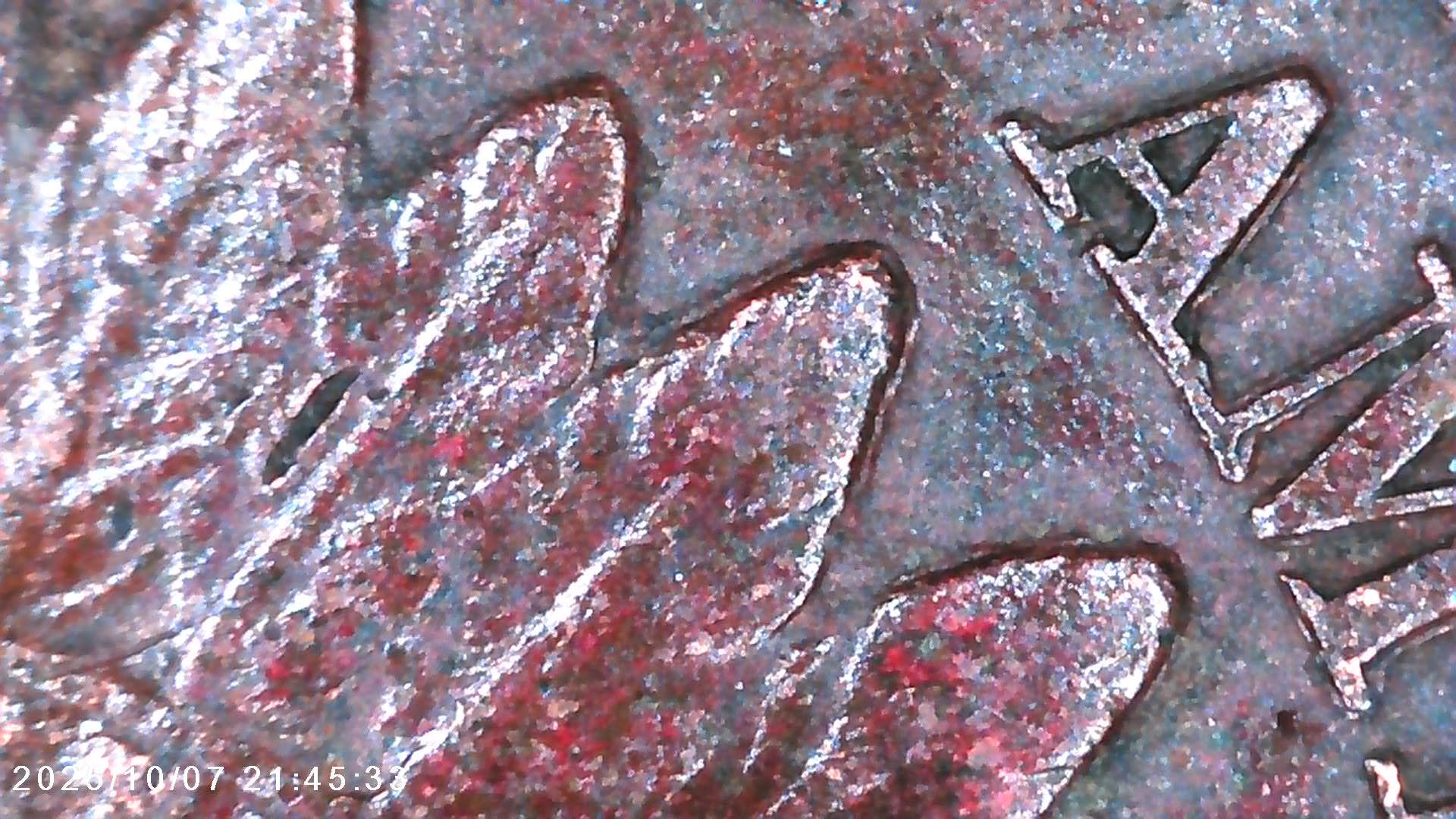
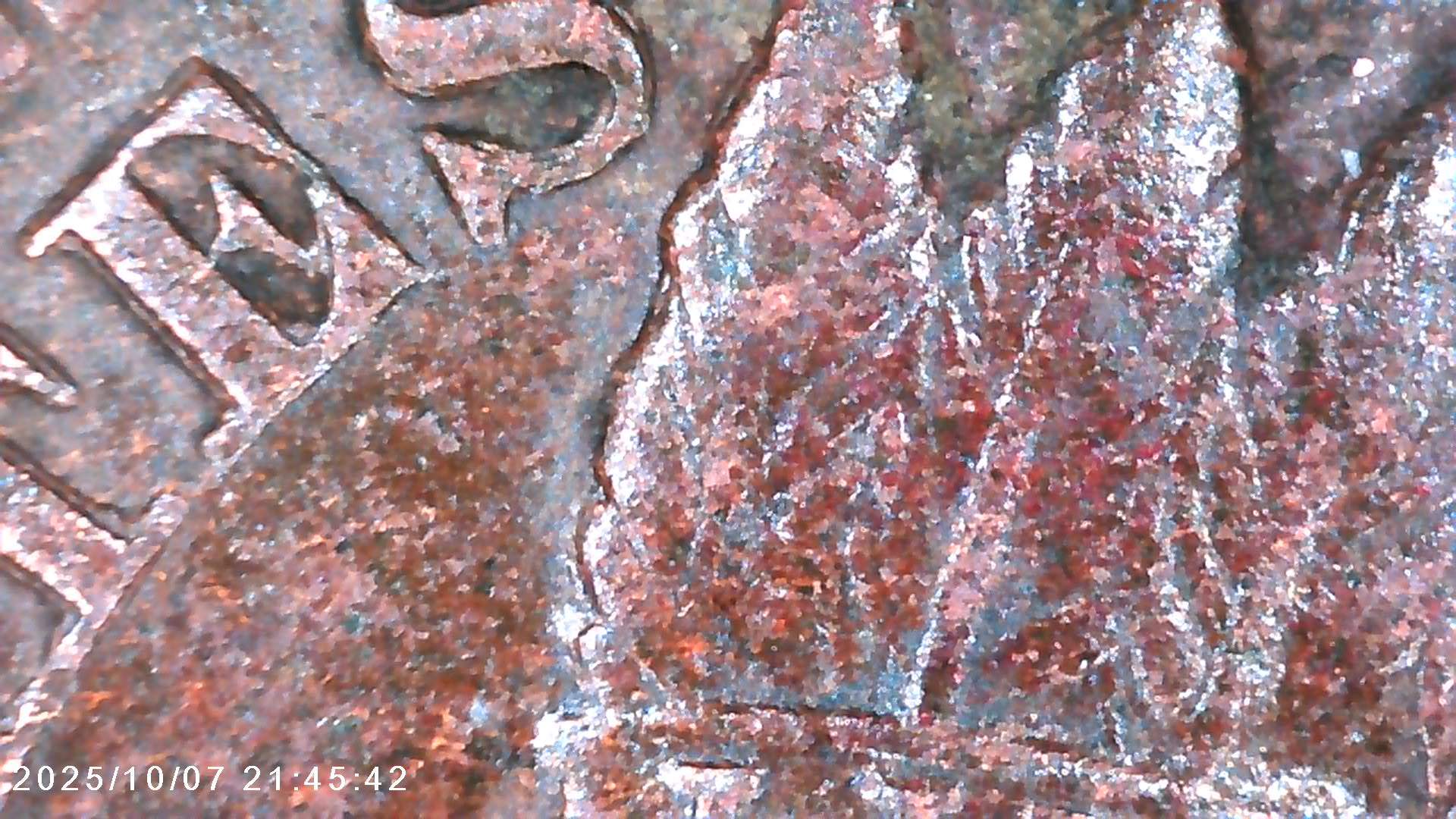
From the Cherrypicker's Guide entry for 1868 1¢ FS-101: "Doubling is evident on the RTY of LIBERTY and on the ribbon, especially at the L." What you are looking at on USoA is longacre doubling, Die Deterioration Doubling, or possibly Machine Doubling. It is entirely possible that the specimens of FS-101 displayed on PCGS also have LD, DDD, MD in that area. You need to compare your RTY of the word Liberty and the ribbon to the examples of FS-101. Hope this helps. |
|
Pillar of the Community
United States
6880 Posts |
|
|
Pillar of the Community
United States
2015 Posts |
 What I am seeing is Longacre doubling. |
|
Moderator
 United States
194970 Posts |
|
|
Bedrock of the Community
United States
10065 Posts |
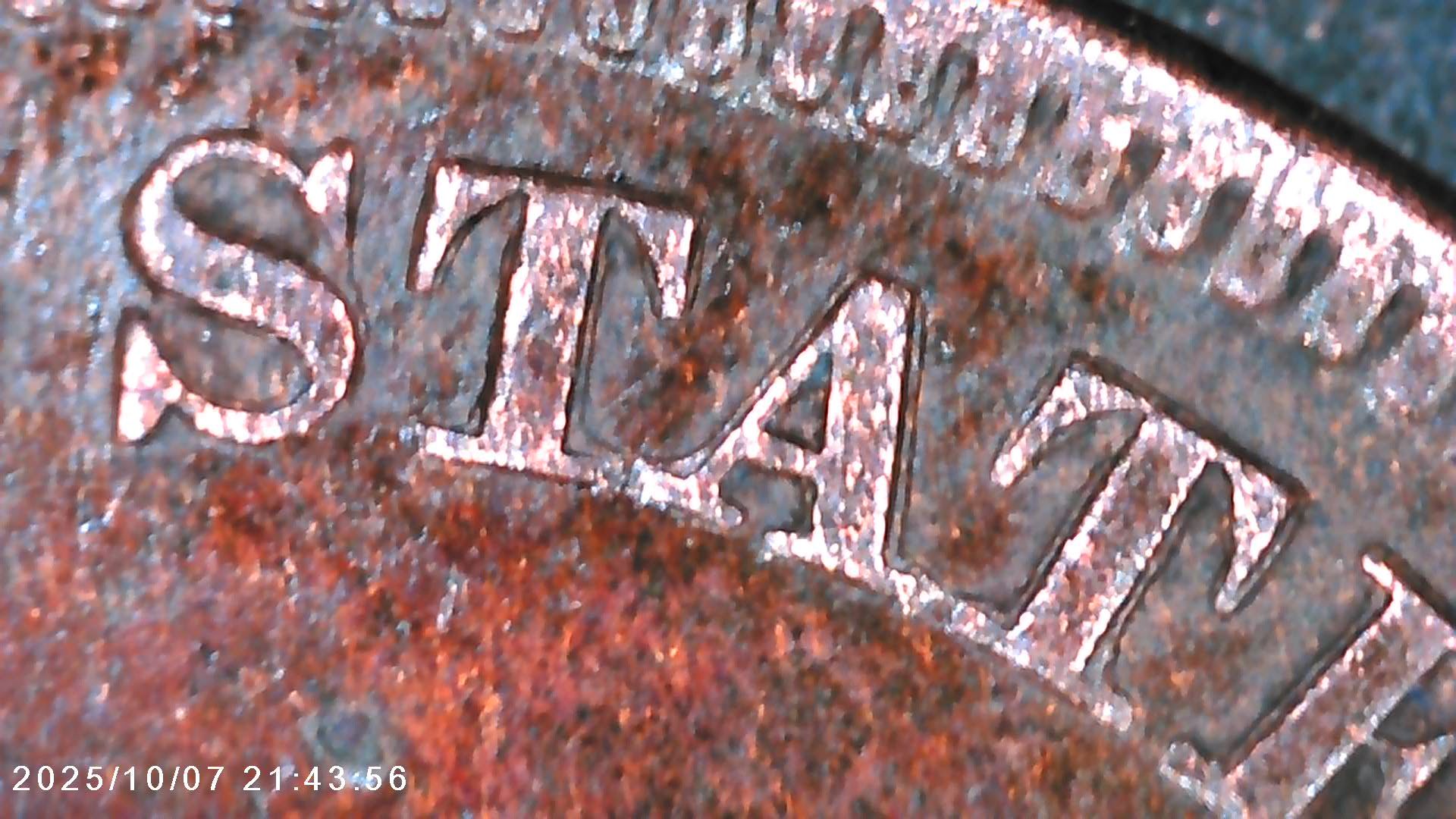
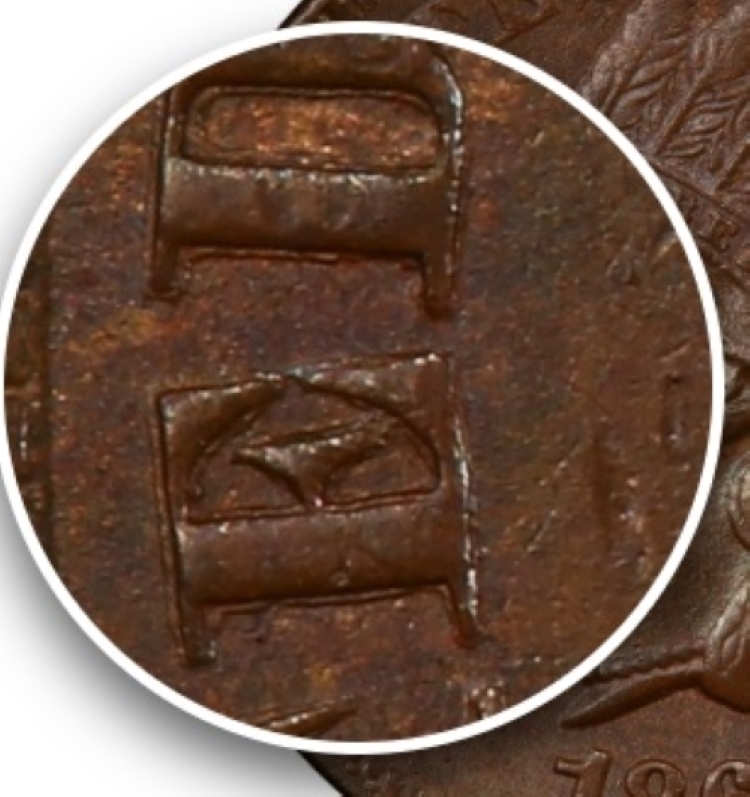
Funny I was just writing about this yesterday in the book I am putting together. Longacre doubling typically surrounds the letters such as your UNITED STATES pics are showing. I also remember reading online someplace that seems to be most prevalent on IHC and Seated Liberty coinage. Theories include the punch making the letters was shaved down on the sides to produce a shelf. The punch was then hit hard enough to make the shelf also show up. Second theory is after the punch was hit into the die the punch was slightly moved and tapped to make the shelf ("doubled" area). The idea was the shelf made it easier for the metal to flow into the letter's void and extended the die life. |
|
Pillar of the Community
United States
6880 Posts |
Earle, on this particular coin, I think it would be hard to argue that the punch was moved and struck again. The doubling extends around the letters in all directions. I seems easier to make a case that the punch was edged first, or that this coin is displaying DDD from late stage die flow. |
|
New Member
 United States
14 Posts |
unfortunately my coin doesn't show the liberty well. 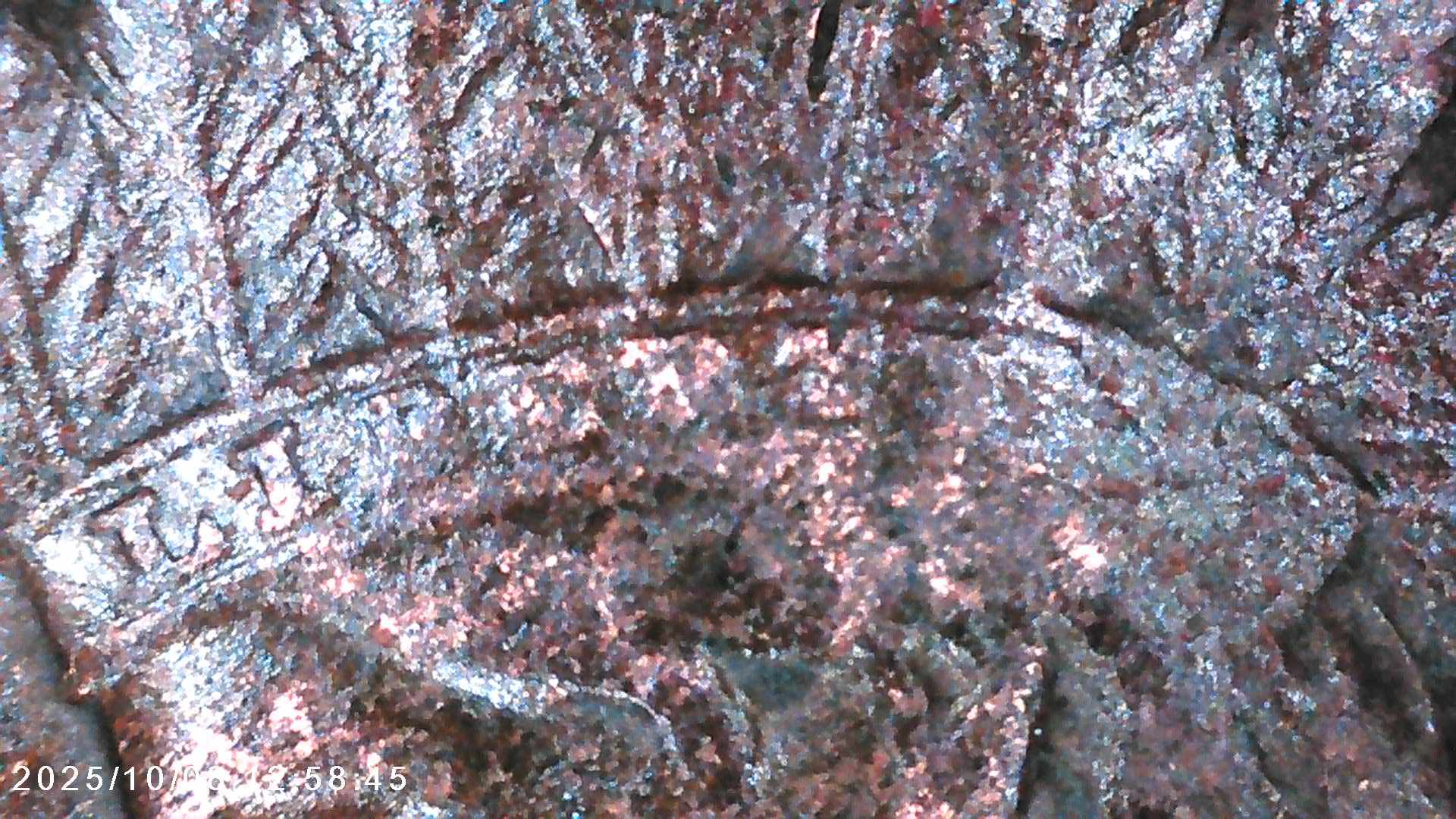 |
|
Pillar of the Community
 United States
1502 Posts |
There are other markers to look for - it is also advised to include complete Obverse and Reverse images.
Reverse
Die clashing seen between ONE CENT and the left side wreath. Die scratch from the O of ONE to the wreath.
I swing a metal detector and have a knack for finding dirty old coins. Dirt coin restoration projects - https://www.prodetecting.com/restorationsDirt coin restoration blog - https://www.prodetecting.com/blog/ccawDirt coin dig videos - https://www.youtube.com/@prodetecting |
|
New Member
United States
14 Posts |
I'm sorry I didn't add full coin pics. I know better than that. So here they are. 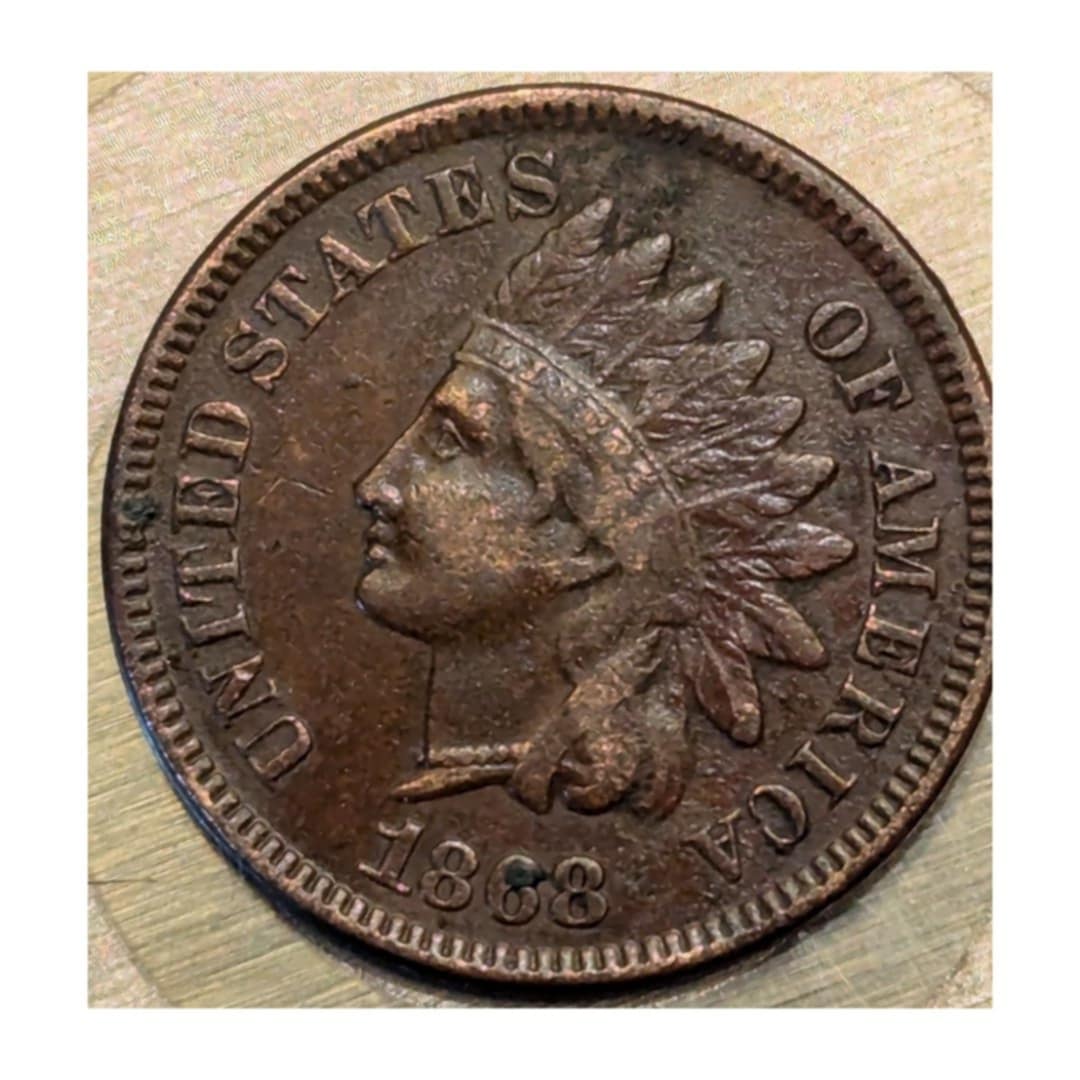 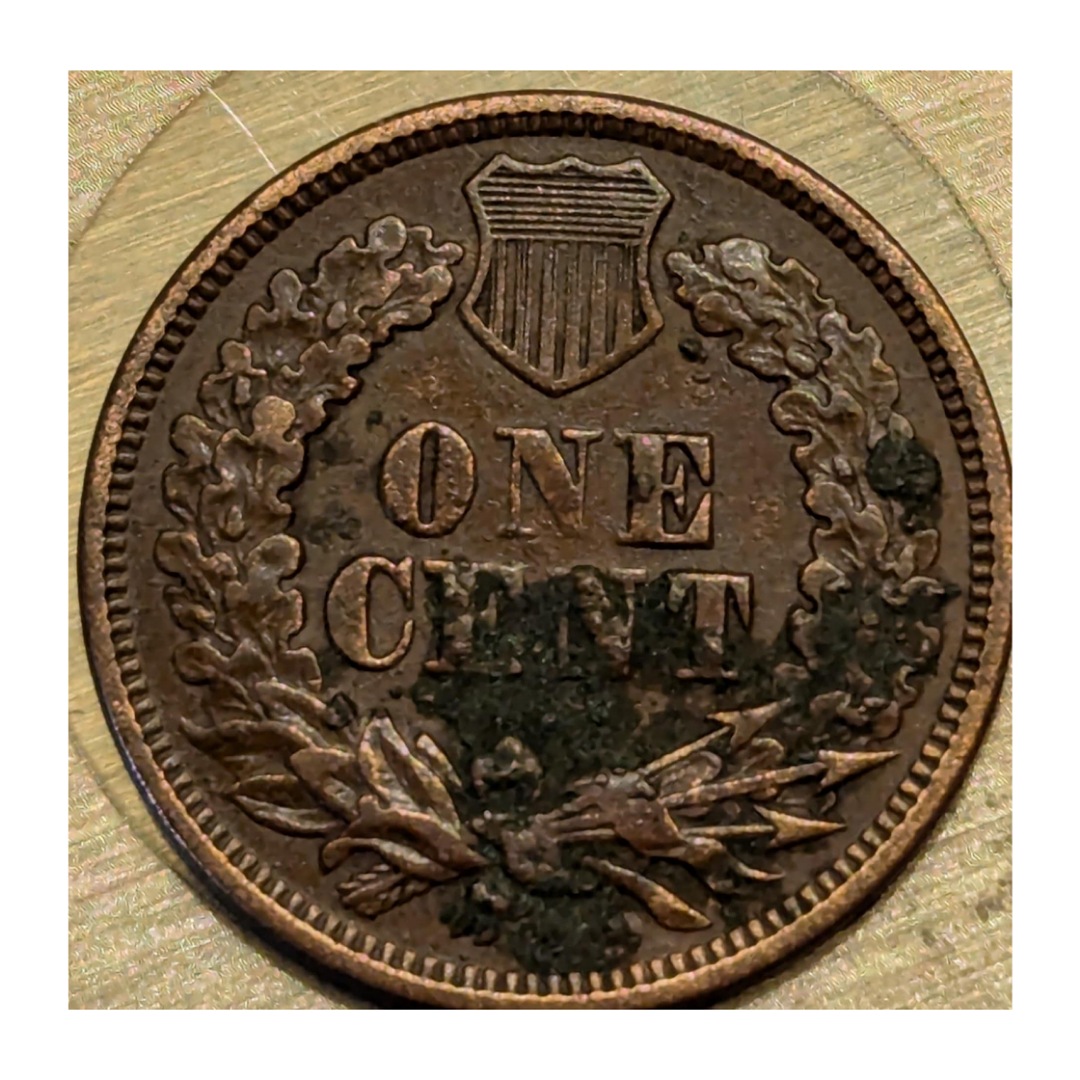 |
|
Bedrock of the Community
United States
10601 Posts |
|
|
Bedrock of the Community
United States
78529 Posts |
I'm thinking Longacre's Doubling as well.
Errers and Varietys.
|
|
New Member
United States
14 Posts |
so that means it's just a run of the mill 1868 1c in about average condition...? I appreciate the time and effort you all have put into helping me with this. it's both fun and disappointing sometimes to learn about coins.
Edited by stufanone
10/09/2025 05:59 am
|
|
Moderator
United States
105865 Posts |
yep, appears to be Longacre doubling. (thanks MisterT - I didn't remember the name of it..)
|
|
Moderator
United States
194970 Posts |
Quote:
I'm sorry I didn't add full coin pics. I know better than that. So here they are. Thank you.  |
| |
Replies: 14 / Views: 988 |
|










 ***
***

 Posted 10/08/2025 12:19 pm


