Archraz I suspect the market for the 8Rs did dry up well before the time that mainland China demonetized the "Bustman" 8R in 1933. I believe the bulk of the 8Rs made by this particular group were made in the 1890s but have no firm documentation on that either. The suspension of the Japanese silver trade in 1897 (with the use of the Gin counterstamp to keep silver trade coins from returning to Japan) would have likely caused a major reduction in the market for Bustman coins in mainland China as well.
The dies likely were retained and may still exist, but I have no proof of any recent activity. Since 8Rs were not illegal to produce the dies for such coins would not violate US laws. I really doubt that they kept the US dies around for long because those would be illegal to possess. There are a few stories about 8R dies floating around as late as the 1980s. One New Bedford coin dealer I knew suspected that the dies were used in the 1940s and 1950s for very small production runs.
I do know from several other sources (as early as an 1894 newspaper article) that the Boston group had turned to making US dollar coins before the turn of the century. In fact by the late 1890s, I suspect that forgery of US dollars was actually their primary focus. The old fellow I spoke with was just covering his tracks with me I guess. You have to remember that I was just a 12 year old kid when I had this discussion and he may have been concerned who I would tell. It was illegal to make
Morgan dollars but not illegal to make 8Rs for export. When I spoke to the old gent he had a box of 1805 8Rs all AU-MS. I saw at least 50 of them in his possession at that time. Perhaps he still had the dies and the one I own was made in 1958, but he told me it was from the 1890s.
I suspect but have never been able to prove my uncle's involvement with this same forgery ring. He knew this old fellow (my uncle was 20 years older than my mother and was about 60 when he told me about the older fellow). My uncle was a man of many talents. He was an engraver by "trade". He made dies for tokens or so he told me. The whole family knew that he skirted the law and we also knew he never had a "real job". He was always "self employed" but drove a brand new Cadillac and wore very expensive suits. He had a big house full of rare antiques and sent his kids to expensive private schools. During prohibition when he was in his 20s, he was a bootlegger. He operated a trucking business that took broken empty wooden boxes from Rhode Island to Canada for "repair". WHAT A LUCRATIVE BUSINESS

That was a tongue in cheek reference to his smuggling operation but one that my grandmother accepted without question.
At one point he had a tool and die shop in the back room of a pizza parlor he ran in East Providence. The combination never raised questions for my family but even as a kid it made me wonder. I do know he sold guns out of the trunk of his car (I saw several when I was in high school. One day he offered to sell me a working fully automatic Thompson sub machine gun for $100.) His son-in-law was involved in drug smuggling out of southern RI using fishing boats in the 1970s. So I know my uncle had clear ties to people operating outside the law, but he was never arrested as far as I know.
My mother always told me "never buy anything from your uncle" and I heeded her advice. He was always selling something but never coins. He died before I could actually talk to him man-to-man about counterfeiting. I really wish I had been a bit older, I might have learned more about die making.







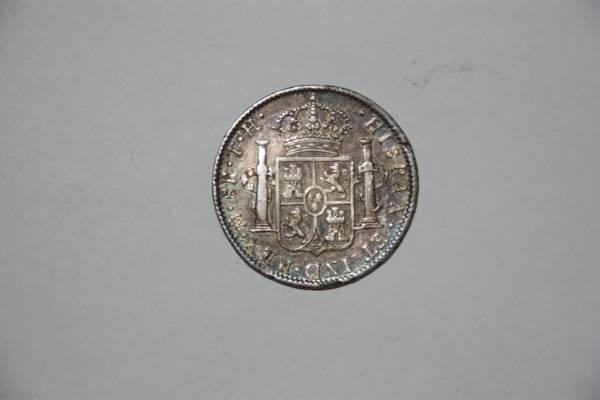
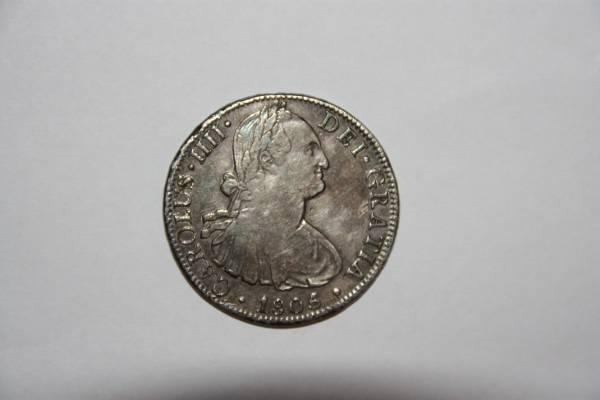


 Posted 08/07/2009 09:48 am


