| Author |
 Replies: 9 / Views: 2,582 Replies: 9 / Views: 2,582 |
|
|
Valued Member
Canada
166 Posts |
I found this in a roll of Canadian cents and actually thought initially it was a normal ding etc, then I was like I'll scan it for fun. Perfect strip of metal within and across the mint mark :) Thought I'd share it with you folks! 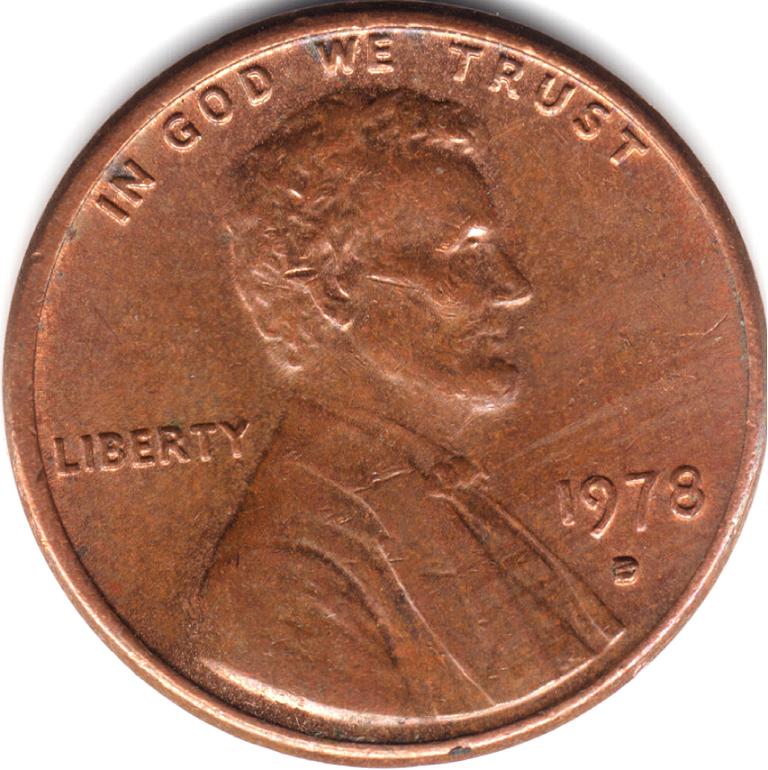 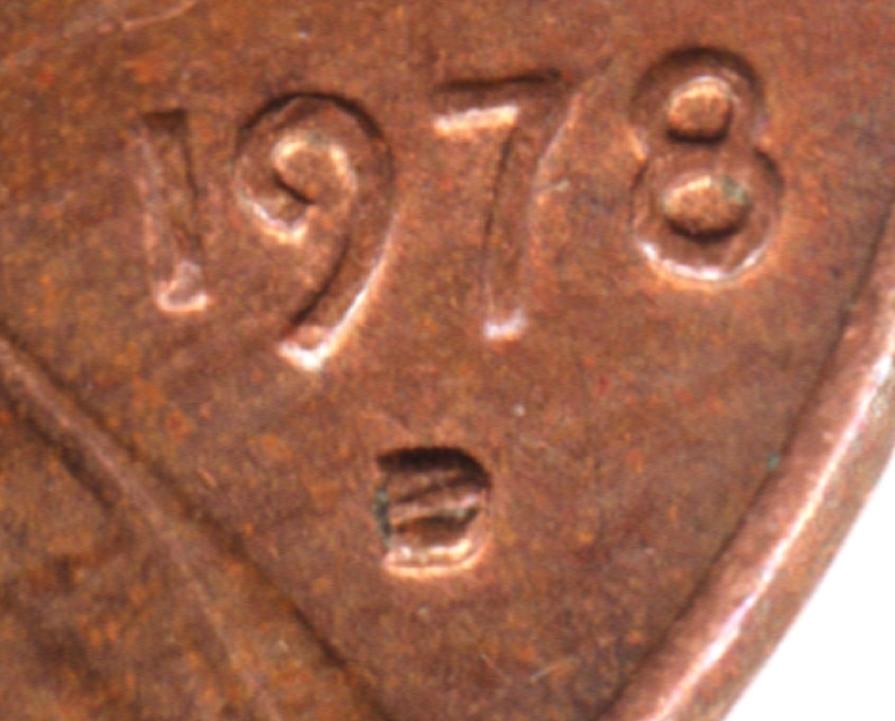 |
|
|
|
Valued Member
Canada
248 Posts |
Without your scanner, others would have just tossed it in a pile of thousands! ---Again what a scanner!  ---What a nice Cud and find! Edited by commoncents13
03/27/2011 05:44 am
|
|
Moderator
 United States
56855 Posts |
Not a Cud. Cuds only happen around the rim. I;m not even sure it's a die chip either. Not sure what it is, but it's neat lookin' John1  EDIT: What scanner do you use thatcanuckyguy? Edited by John1
03/27/2011 05:57 am
|
|
Valued Member
Canada
248 Posts |
Ok! Then what is the difference between a Cud extra metal or chip. I always thought they about the same? I would like to know? |
|
Moderator
United States
56855 Posts |
cudAn area of a coin struck by a die that has a complete break across part of its surface. A Cud may be either a Retained Cud, where the faulty piece of the die is still in place, or a full Cud, where the piece of the die has fallen away. Retained Cuds usually have dentil detail if on the edge, while full Cuds do not. die breakAn area of a coin that is the result of a broken die. This may be triangular or other geometric shape. Dies are made of steel and they crack from use and then, if not removed from service, eventually break. When the die totally breaks apart, the resultant break will result in a full, or retained, Cud depending whether the broken piece falls from the die or not.
|
|
Pillar of the Community
Canada
1166 Posts |
A Cud is a break that includes the edge of the coin. |
|
Valued Member
 Canada
166 Posts |
Thanks folks. I was about to just throw it back in the copper pile lol.
The scanner I use is just a flat bed Epson Stylus CX4200 all-in-one :)
Epson has some great scanning software and this one can go as high as 9600dpi. If I want to just check a bunch of coins at once for variety/error etc I just load them in, scan and go over the enlarged photo. The full obverse photo attached here was scanned at 2400dpi with high contrast and a bump in brightness to help with detail. The second photo is just a enlarged crop of the first.
|
|
Bedrock of the Community
United States
62064 Posts |
Appears to be a contact mark from another coin from what I can see.
|
|
Valued Member
Canada
166 Posts |
Another at 9600dpi...and I have added the reverse as well (2400dpi). Seems to be some extra metal on the 'E' in ONE as well. 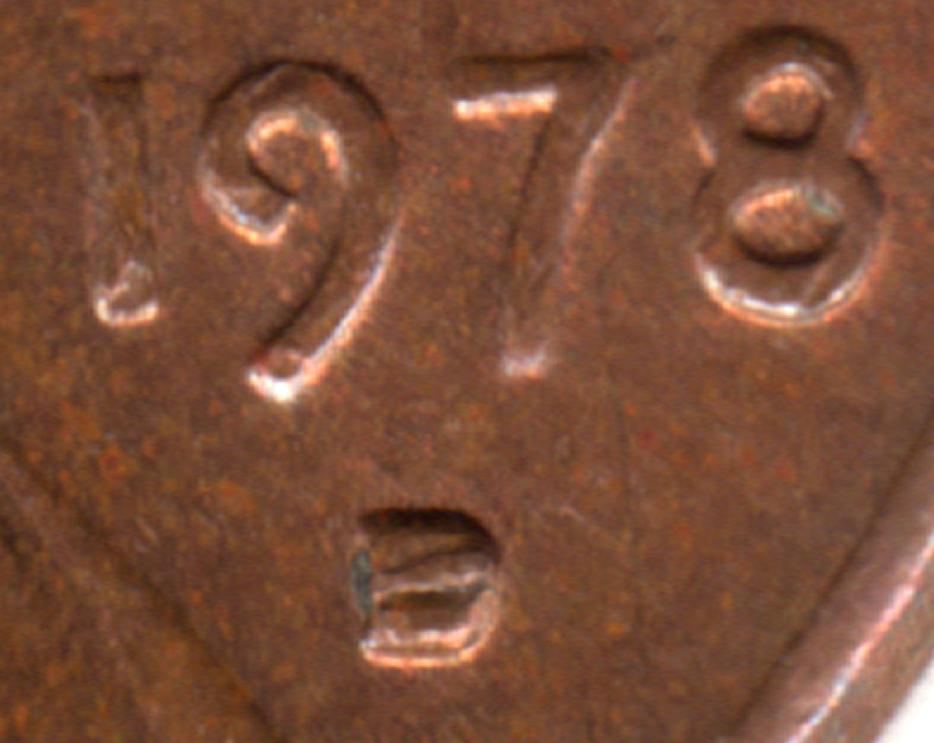
Reverse 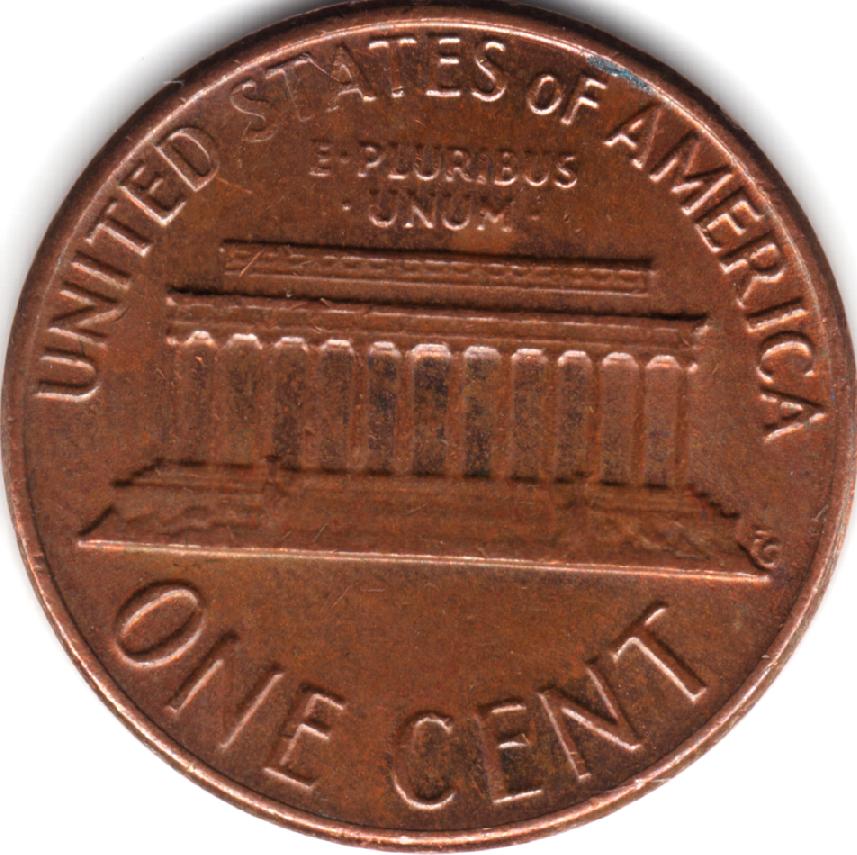 |
|
Valued Member
Canada
248 Posts |
I caught that TC/Guy.  Not magnified could be PMD for us who don't have! Not magnified could be PMD for us who don't have! ---That is a pretty large piece of debris that has shape when magnified I believe (extra metal) that has logged in the "D" almost looks like a large piece of a letter that broke somewhere on a previous punch that caught in the "D" of the die? IMO. --- Thanks for the input -john1- Sorry I did not supper analyse! I do try to be as accurate as I can and try to contribute with my posts, not just say nice coin! It would seem to have been a possible Cud and have mistaken the term? To me (a Cud) was any piece of something (extra metal) retained in a Die, then pressed into a coin, caused by a Die deterioration, breakage (chips) or other metal debris (extra metal). ---All these terms are not defined in the Glossary and are commonly used, so is not clear still, as there are no denticles ( Cuds) if I understand your explanation correctly, as the US Penny doesn't have any denticles?. With respect.*** --- Here's a suggestion for the powers that be in control of this site!
---That there be an extended Glossary reference of terms with collaborated definitions! not listed in Charlton or others and be developed and provided on site for all to learn so to have a more educated comment basis, for us that don't know exactly?
Thanks
|
| |
Replies: 9 / Views: 2,582 |
|










 Posted 03/27/2011 05:56 am


