| Author |
 Replies: 16 / Views: 2,873 Replies: 16 / Views: 2,873 |
|
Pillar of the Community
United States
1042 Posts |
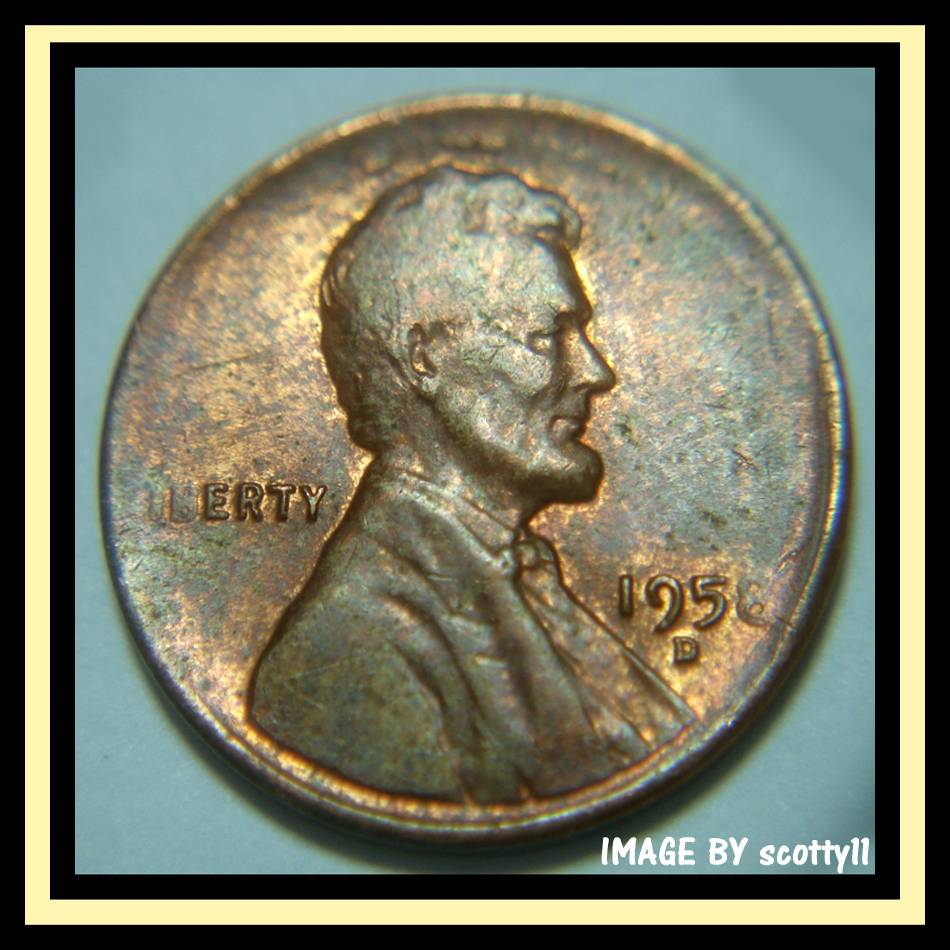
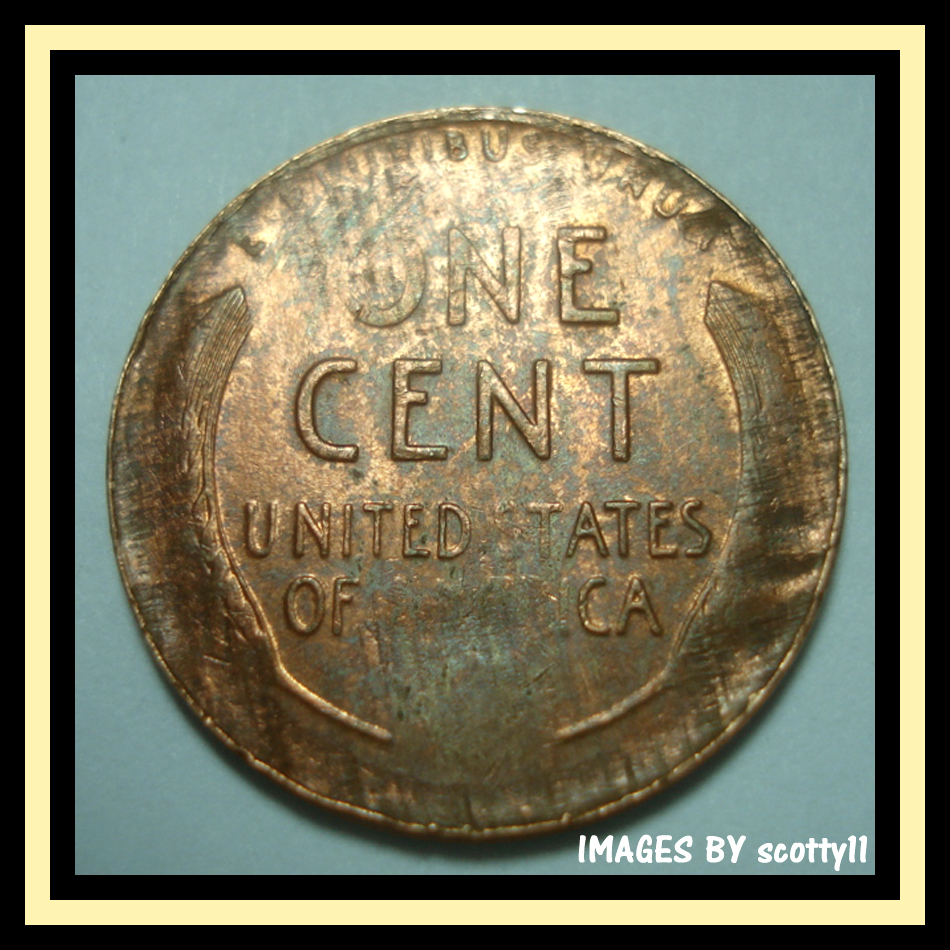
     My apologies for the large pics, I was too lazy to crop and resize. There is still quite a bit of "luster" on this coin. It's quite a bit thinner than a normal 58-D. But...it still shows some very nice detail on the high points, and the fields look fairly decent. Dropping it onto a table, it has a "silver"/"aluminum" sound.  The sound is nothing like a zincoln though. I don't own a digital scale, but by hand, it weighs less than a standard copper cent. In hand, it's the same diameter as other 58-d's that I have. If the consensus is PMD...I'll agree, and tuck it into my "oddities" box, and I apologize for wasting your time. This one is simply more odd than some of the others I've found. My thanks in advance. Scott
|
|
|
|
Bedrock of the Community
United States
10045 Posts |
The reverse reminds me of an acid dipped coin in ways, but the lack of detail on high points in the hair and shoulder is interesting. I'm unqualified to figure this one out.  |
|
Moderator
 United States
56855 Posts |
Quote:
The reverse reminds me of an acid dipped coin in ways, but the lack of detail on high points in the hair and shoulder is interesting. I'm unqualified to figure this one out.  Could it be struck on a split planchet? John1  |
|
Pillar of the Community
United States
4846 Posts |
IMO its not struck on a split planchet because you would see marks that look like a huge lamination in the fields.
i think this is genuinely struck on a thin planchet, the full rims and lack of detail point me towards it.
|
|
Bedrock of the Community
United States
10045 Posts |
And I think I see mint luster in protected areas, which would be absent on an acid coin. This is one for the error guys to see.  |
|
Pillar of the Community
United States
744 Posts |
I think the weight would eliminate a lot of questions.... If the coin is under weight, I would lean towards PMD, but it is tough to figure out with incomplete information.....sorry I'll bookmark to see where this ends up....thanks But if I had to guess, the obverse looks to be greased with the reverse greased and worn die, that's if the coin weighs out. Edited by Wild Bill
06/30/2011 11:55 am
|
|
Bedrock of the Community
United States
10045 Posts |
And look at the reverse opposite the shoulder and head--the strike is very weak.
It's almost like there was not enough metal/pressure to strike up all the details.
|
|
Bedrock of the Community
United States
12437 Posts |
Quote:
IMO its not struck on a split planchet because you would see marks that look like a huge lamination in the fields.
i think this is genuinely struck on a thin planchet, the full rims and lack of detail point me towards it.
Adam gets the gold star, very well reasoned The rim is initially formed during the upsetting process before the coin is struck, an underweight planchet with an appropriate diameter will still have rims but they will not be quite as strong as the rims of a normal coin. There is still a significant amount of mint Red on the coin which means that this one has to be at least high AU. Based on the provided pics, I would estimate that this coin could weigh 2-2.4 grams. I found a thin planchet 1954-D wheatie in a bulk bag a couple years, it was not nearly as weak as this one but I did find it strictly by the sound it made. Mine weighs 2.7 grams(the 53-D is normal for comparison) but IMO, the 58-D is a much nicer example of a thin planchet    |
|
Pillar of the Community
 United States
1042 Posts |
It's taken me awhile, but I finally have the weight results. 2.0 grams My thanks to everyone for all of the input! |
|
Pillar of the Community
United States
2742 Posts |
As John1 said, this cent was struck on a split-before-strike planchet. The characteristic striations can be seen on the reverse face, where they haven't been effaced by the strike.
Error coin writer and researcher.
|
|
Pillar of the Community
United States
1042 Posts |
Ok...as of now...this discussion has gone well above my pay grade when it comes to error coins...
In laymans terms, someone needs to explain to me the difference between a thin-planchet, and a split-planchet.
Keep it simple please...I manufacture prescription opthalmic lenses for a living. Roll-searching and coin collecting is only my hobby.
|
|
Bedrock of the Community
United States
12437 Posts |
A split planchet is a lamination on a grand scale- the planchet literally splits into two pieces. It can split before or after striking, yours split prior to striking.
|
|
Pillar of the Community
United States
1042 Posts |
Quote:
A split planchet is a lamination on a grand scale- the planchet literally splits into two pieces. It can split before or after striking, yours split prior to striking. Thank you biokemist6. It makes sense now... Very much appreciated. |
|
Bedrock of the Community
United States
62064 Posts |
Edited by coop
07/26/2011 09:06 am
|
|
Pillar of the Community
United States
1042 Posts |
Thanks Coop! I'm honored! |
|
Pillar of the Community
United States
1042 Posts |
  This coin has been driving me crazy! The thing has been sitting on my desk, inside a 2x2 flip for over 6 months now. My local coin dealer tells me it's a "thin-planchet". Is that the same thing as a "split-before-strike"? It'll cost me upwards of $50 to have it slabbed. I'm not sure if I found it inside a bank box, or it was one I found inside one of the wheat bags that I've bought. Either way, I paid less than a nickel for it. My question is... Is it worth the cost of having it slabbed? |
| |
Replies: 16 / Views: 2,873 |









 Posted 06/30/2011 06:18 am