


Coin Community Family of Web Sites
Vancouvers #1 Coin and Paper Money Dealer Royal Canadian Mint products, Canadian, Polish, American, and world coins and banknotes. Specializing in Modern Numismatics Shop for APMEX Bullion on eBay!Shop CCF Members on eBay! Coin, Banknote and Medal Collectors's Online Mall 300,000 items to help build your collection!


Username:
Password:
Save Password
Forgot your Password?


This page may contain links that result in small commissions to keep this free site up and running.

Welcome Guest! Registering and/or logging in will remove the anchor (bottom) ads. It's Free!

1877 MO Mexico 8 Reales Fake?

To participate in the forum you must log in or register.
Author Previous TopicReplies: 3 / Views: 5,180Next Topic  
New Member
bobstam's Avatar
United States
47 Posts
 Posted 07/17/2011  10:04 pm Show Profile   Bookmark this topic Add bobstam to your friends list Get a Link to this Message Number of Subscribers
Hi everybody,

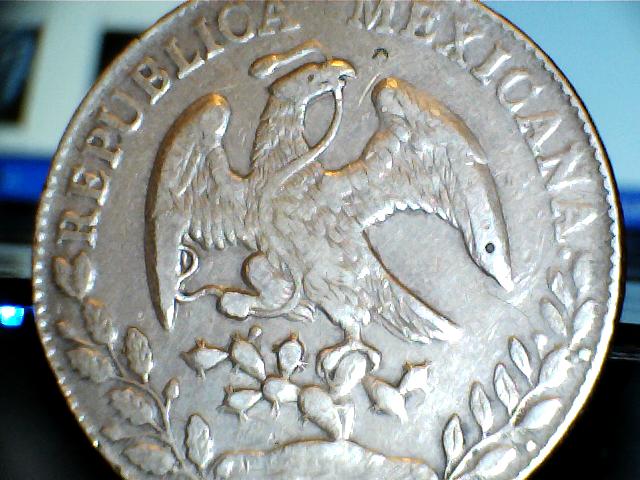
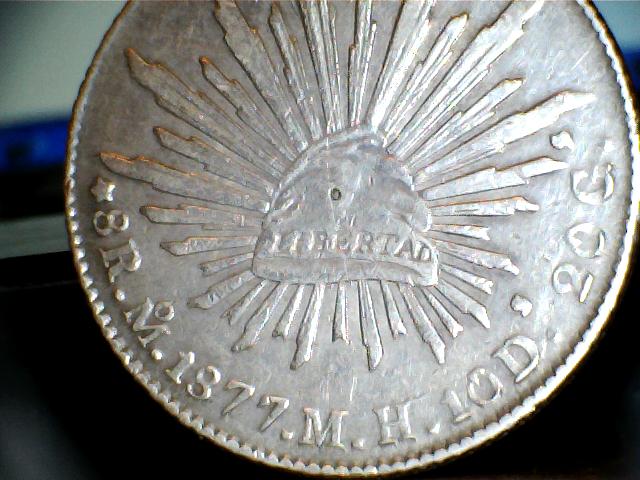
Here is 1877 Mo Mexico 8R.
My concerns are:
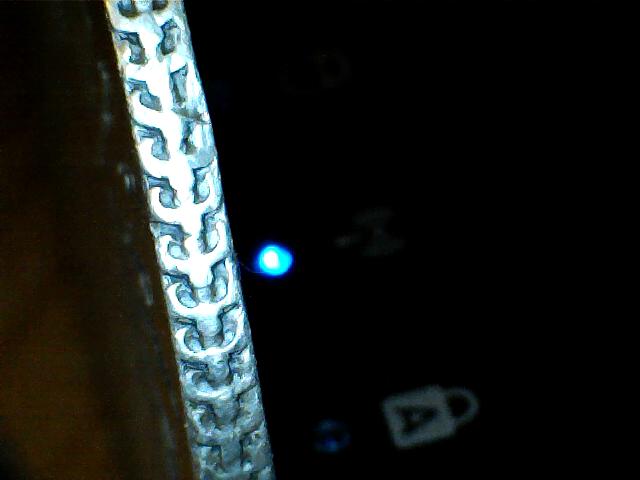
1. Did coins have "dragon teeth" protection in 1877?
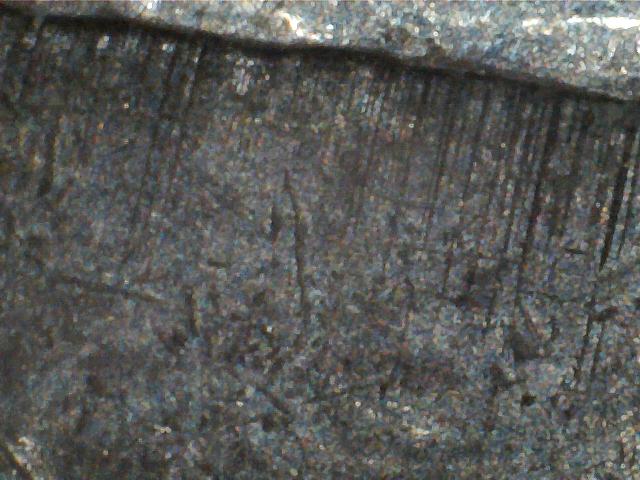
2. Lines between numbers/letters and edges of the coin
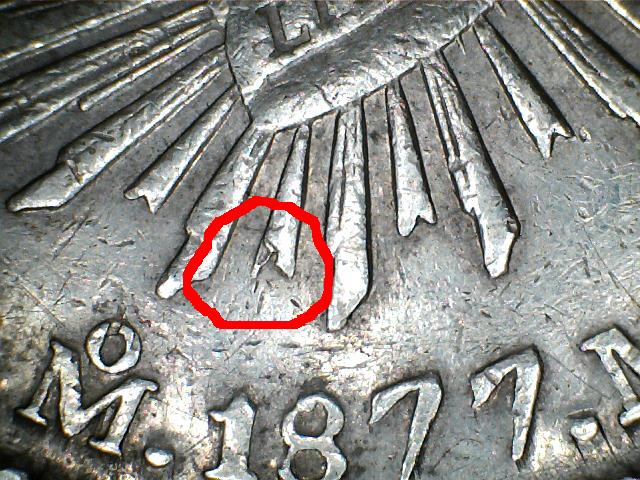
3. One of the sun beams looks "empty"
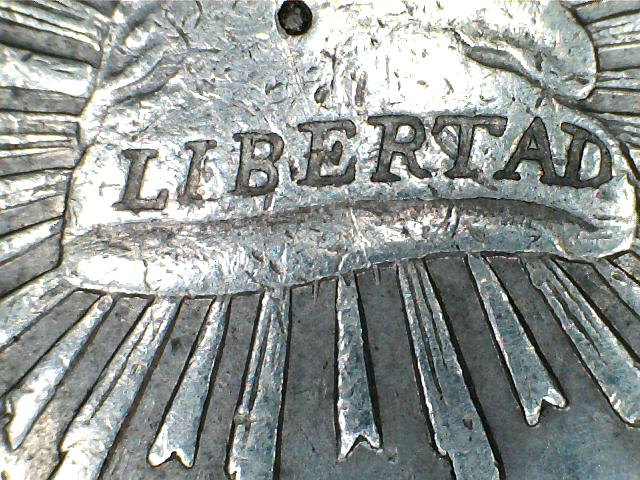
4. Scratches on letters of word LIBERTAD - look like they were before the letters.
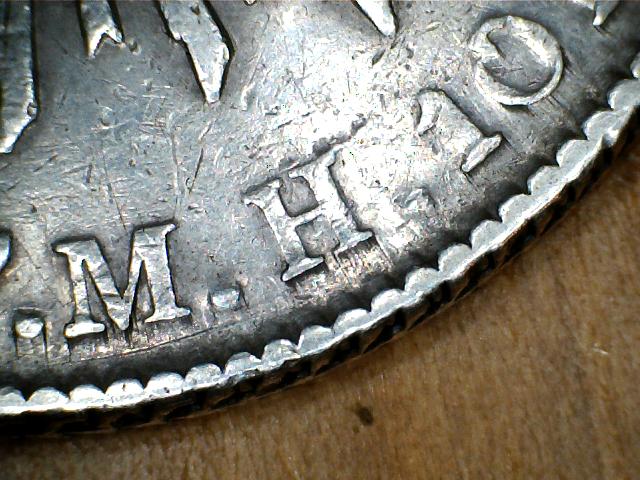
5. Die crack letter H
Please, let me know your opinion. Thank you very much.

1877-MO-Mexico-8-Reales-Fake?

1877-MO-Mexico-8-Reales-Fake?

1877-MO-Mexico-8-Reales-Fake?

1877-MO-Mexico-8-Reales-Fake?

1877-MO-Mexico-8-Reales-Fake?

1877-MO-Mexico-8-Reales-Fake?

1877-MO-Mexico-8-Reales-Fake?

1877-MO-Mexico-8-Reales-Fake?
Pillar of the Community
swamperbob's Avatar
United States
5362 Posts
 Posted 07/17/2011  11:07 pm  Show Profile   Bookmark this reply Add swamperbob to your friends list Get a Link to this Reply
bobstam The coin is real.

1. The Dragon's Teeth were first used in Mexico City in 1867 after the conversion back to 8Rs following Maximilian's removal as Emperor. The other branch mints phased in the use of Dragon's teeth in different dates. BUT all Standardized Dies have Dragon's Teeth unless excessive die lapping occurred.

2. The lines between the letters and the rim (at least the ones I see) are typical wear lines in the die caused by the flow of silver over the die surface after repeated strikes. It is the mark of a worn die. The problem occurs when you see curved flow lines that all bend in one direction. These non-radial flow lines are most often seen on worn injection molds. But the lines I see here are very consistent with how real dies wear.

3. The ray that looks "empty" appears to be the result of a post strike "hit" that gouged metal from the surface and rolled it back toward the cap. This is NOT what I have referred to in earlier posts as a "hollow" or outlined ray. In those cases the outlines are typical of the entire length of a ray not just a small portion seen here.

4. I think I understand your comment. The protected surfaces of the letters LIBERTAD often show parallel lines which were on the surface of the PUNCH used to create these letters. The lines are expected and typical of originals. On the die - the tops of these letters are above the level of the cap (which is a recessed die feature) but they are still below the die fields and are therefore protected. The lines being on an upper die surface, but not the uppermost, are not as subject to flow wear because they displace metal outward in all directions at the point of the strike. They are not like the letters at the edge of the coin which are infill.

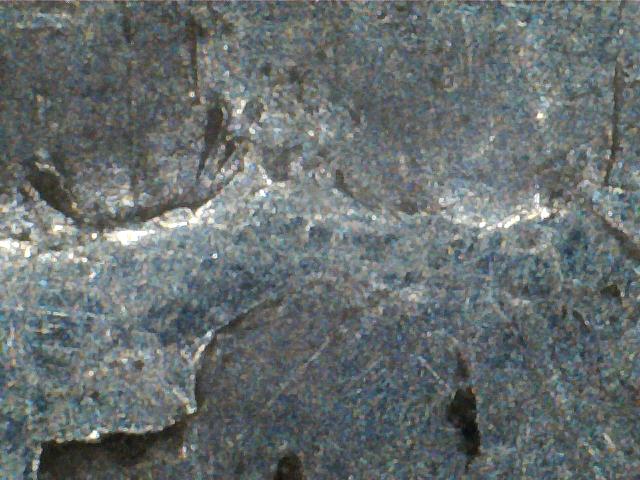
5. The die crack (if that is what it is) at the upper right seriff of the H is a stress crack and is in a place that does concentrate stress. It is expected.

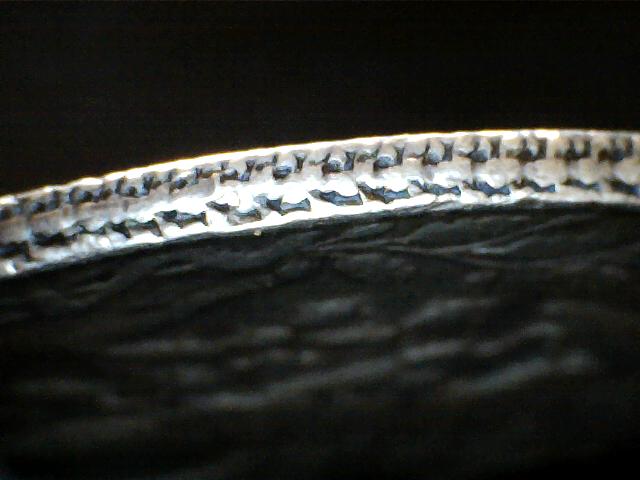
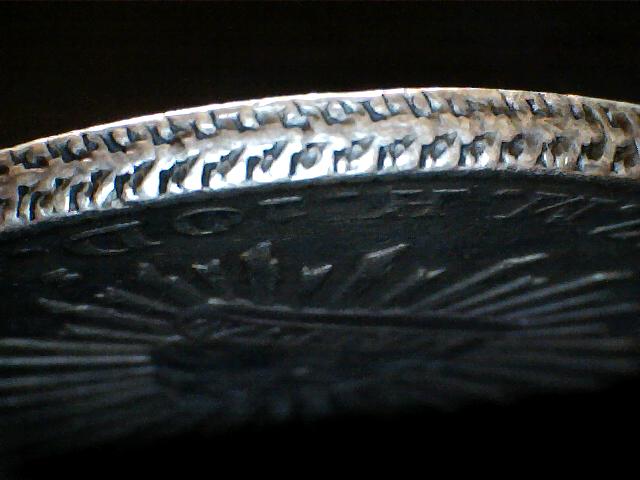
The edge detail is also correct for an 1877. It used a deeper than usual recurve and in my opinion marks the advent of the power edger at Mexico City. This coin blank appears to have made at least one full rotation in the edger. Coins from this time period which were edged on the new steam driven edgers often stuck in the apparatus and received multiple edging.

I could not tell what the final picture was or why you thought something there was wrong.


New Member
bobstam's Avatar
United States
47 Posts
 Posted 07/18/2011  6:33 pm  Show Profile   Bookmark this reply Add bobstam to your friends list Get a Link to this Reply
Thank you very much for all the information.
The last picture was a magnified stress crack at the upper right serif of the H.
The edge of the coin has symmetrical same length overlapping edging (approximately 10-12 and 4-6). I think it is OK, just curious.
Thank you so much for your time.
1877-MO-Mexico-8-Reales-Fake?

1877-MO-Mexico-8-Reales-Fake?
Pillar of the Community
swamperbob's Avatar
United States
5362 Posts
 Posted 07/19/2011  11:24 am  Show Profile   Bookmark this reply Add swamperbob to your friends list Get a Link to this Reply
bobstam The stress crack at the H has been hammered down by circulation, but even so it looks OK to me. As a coin circulates the impact of other coins and objects can alter the shape of tiny details and that effect must always be taken into account.

MS grade coins (which you can examine at many coin shows without the expense of buying them) are a good place to start so that you can see what happens during the strike. After exposure to a few (dozen) high grade coins (from the correct era and mint) you can get a good feel for what the mint actually produced.

This is the fascination and difficulty of the series - the incredible number of variables. After 50 years, I keep learning (possibly re-learning) new details of methodology and limits. One thing I have found is that for every "RULE" in this series there seems to always be two exceptions. So be patient. After a while things suddenly get clear and you will say to yourself "how come I didn't see that before? It is so obvious."

Remember a few critical facts when dealing with this series:
1. Not all branch mints did things in the same way.
2. Not all branch mints used the same designs or fonts.
3. Technology was not introduced at all branches at the same time.
4. Technology did not always IMPROVE over time - there is regression at some branches.
5. Standardized dies were not introduced at all branches until late 1887.
6. Standardized dies does NOT indicate standardized striking technology.
  Previous TopicReplies: 3 / Views: 5,180Next Topic  

To participate in the forum you must log in or register.


Disclaimer: While a tremendous amount of effort goes into ensuring the accuracy of the information contained in this site, Coin Community assumes no liability for errors. Copyright 2005 - 2026 Coin Community Family- all rights reserved worldwide. Use of any images or content on this website without prior written permission of Coin Community or the original lender is strictly prohibited.
Contact Us  |  Advertise Here  |  Privacy Policy / Terms of Use

Coin Community Forum © 2005 - 2026 Coin Community Forums
It took 0.2 seconds to rattle this change. Forums