| Author |
 Replies: 31 / Views: 4,888 Replies: 31 / Views: 4,888 |
|
Valued Member
United States
69 Posts |
I saw some something in another thread that made me think of something that I was wondering about last night. Suppose that you have a 1904 S Morgan silver dollar graded XF. Now suppose that, unbeknownst to you, some old miser, who loved to have bright shiny silver dollars, cleaned this Morgan back in the year 1914 and added it to his safe full of shiny silver dollars. The old miser finally dies in 1930 and the coins are dispersed among the heirs. Eventually the coin ends up in your collection 100 years after it was minted and 90 years after it was cleaned. Is there any way to tell that the coin had been cleaned, and would it be less valuable because the old miser cleaned it 10 years after it was minted? |
|
|
|
Bedrock of the Community
United States
14454 Posts |
unless he cleaned the coin with some scotch brite or some kind of abrasive object like that it would be very hard to tell a coin was cleaned 90 years ago
|
|
Pillar of the Community
United States
2269 Posts |
With today's technology and experience of professional graders, I would think that it can be noticed and the value would be less.
|
|
Moderator
 United States
23522 Posts |
Depending on the way it was cleaned, it could be impossible to tell 90 years later. I've got a pretty good example of what escapes the eyes of the "best" TPG in my collection, and it isn't pretty. |
|
New Member
United States
4 Posts |
The Cleaning of the coin and whether it affects the natural look of the tarnish and the if it mildly damaged the coins are where this really matters. If the coins were cleaned in a manner that wasn't abrasive to the surface, then they are likely okay. But if they have a nice antiqued patina and someone buffs that off no more is cleaning more glaringly apparent. The rag or polish has a hard time working into the crevices and therefore will leave tarnish along the relief spots of the coins. This will give the coins an appearence of either having been circulated or they will look like they were aparently cleaned.
The safest way I have seen to clean the coins is with the "Quick Silver" Silver Tarnish Remover Plate that Robin Leach has sold on TV for years. It also cleans the crevices and does so almost instantaneously when the coin is in direct contact with the plate. The trick is that it uses the reactivity of the plate in comparison to the reactivity of silver and the tarnish is removed once you put the plate, hot (almost boiling) water and dissolve Arm and Hammer Washing Soda before you carefully dunk the coins in, touch them to the plate and handle them with tongs.
This too is not without its levels of risk and though I have done it, I don't recommend it.
An Addage from The Official Whitman Guide to US Coins
"A Dirty coin is always preferable to a damaged coin."
But depending on mintage, age and the actual appearance of the coins I don't think it will adversly affect the price.
Edited by Sylverwolfe
12/06/2006 7:31 pm
|
|
Pillar Of The Community
3147 Posts |
Sylverwolfe there is NO SAFE WAY for the average collector to clean a coin and the method you are describing will absolutely DESTROY the value of the coins. Take my word and over 30 years of experience in numismatics that Silver Tarnish Remover destroys the eye appeal and does damage to the surface of a coin. Get out a magnifying glass and have a real look! DO NOT EVER clean coins! And, to answer the question here, a great number of coins cleaned years and years ago will most definitely show up under magnification and most times, if evident, the value of the coin will drop by a grade or two, more if the cleaning was harsh! It is best to live with a little dirt and or grime, which I like to refer to as history passed down than to take the time to destroy that history along with the coin underneath!
|
|
Valued Member
 United States
69 Posts |
quote:
Originally posted by crystalk64
Sylverwolfe there is NO SAFE WAY for the average collector to clean a coin and the method you are describing will absolutely DESTROY the value of the coins. Take my word and over 30 years of experience in numismatics that Silver Tarnish Remover destroys the eye appeal and does damage to the surface of a coin. Get out a magnifying glass and have a real look! DO NOT EVER clean coins! And, to answer the question here, a great number of coins cleaned years and years ago will most definitely show up under magnification and most times, if evident, the value of the coin will drop by a grade or two, more if the cleaning was harsh! It is best to live with a little dirt and or grime, which I like to refer to as history passed down than to take the time to destroy that history along with the coin underneath!
Thanks, Terry. I saw a post on another forum that said cleaning a coin reduces its value by 50%, but I think that they wanted to attack the prospect of someone selling a coin when the person is acknowledging that it has been "cleaned." So am I correct to understand that it's the grade that actually counts after it has been cleaned, and that the cleaning itself does not render the coin "undesirable"? For example, if you have an 1884 P Morgan silver dollar in VF condition that has been cleaned, and it sells for $16, would that be the going rate for that coin, regardless of whether or not it has been cleaned? |
|
Valued Member
Australia
125 Posts |
Don't like cleaning coins either, but ....... Knew was early threepence merely by it's size, only all covered in what appeared was cream-coloured paint. So with no way of properly identifying coin, why wouldn't you immerse in turps and prod away with toothpick? Only wished had taken before/after shots for better impact. Simply imagine small cream coated disc as found .. and now ... http://users.chariot.net.au/~villai.../Page_2.html |
|
Pillar of the Community
Australia
3841 Posts |
I disagree. Whether you like it or not, cleaning is recommanded only when future damage to the coin can occur, that is, early stages of fingerprints, PVC damage, rust, verdigris and so on. To completely condemn cleaning is bad is as bad as not knowing anything about numismatics.
That said, regardless of cleaned status, coins will be worth at least their metal or face value (unless damaged). Key dates are always valuable and hence should not be completely thrashed just because of their overall appearance.
My partial coin collection http://www.omnicoin.com/collection/gxseriesMy numismatics articles and collection: http://www.gxseries.com/numis/numis_index.htmRegularly updated at least once a month. |
|
Pillar of the Community
Canada
1267 Posts |
OK, I may not be popular with this, but here it goes............I hate cleaned coins, and that includes dipping. To me crusty, dirty, even fugly toning adds character, and I like uniqueness in a collection.  |
|
Moderator
United States
23731 Posts |
Unless the coin was harshly cleaned back in 1914, I think in the last 90 years it would had got back the ten years worth of patina it lost and than some. So I don't believe that old cleaning would effect the value.
|
|
Valued Member
United States
256 Posts |
quote:
Originally posted by Spider5689
With today's technology and experience of professional graders, I would think that it can be noticed and the value would be less.
I have a 1875s 20c that I (and many others) swore was never cleaned but ANACS returned it "BU details, cleaned, net graded AU-58". When I contacted anacs to question the label they told me that it had been cleaned, at best guess, probably around 100 years ago and had since re-toned. So I would say yes they can tell if a coin was cleaned long ago and yes it does effect the value. |
|
Moderator
Australia
16991 Posts |
There is little practical difference between a coin that was cleaned long ago and retoned naturally, and a coin that was cleaned last week and artificially retoned (unless the retoning agent produced a surface which was not chemically stable in the medium-to-long term). The main difference is in the intent of the owner(s) of the coin. So this is really just a part of the larger question, "Can we reliably detect cleaned-and-retoned coins?". From what I've seen from books and from reading the postings on this and other forums, the answer seems to be, "Not always.". However, most forms of cleaning will physically alter the surface of the coin, such that it will oxidise in a different way from an otherwise-identical but never-cleaned coin. In other words, the cleaned 1904 dollar should in theory look different to the freshly-minted 1914 dollars that were sitting next to it in the miser's safe. Of course, the trick would be in spotting the cleaned coin without the uncleaned one next to it for comparison. I guess if you saw an awful lot of coins (like the TPG graders would) you could develop an eye for that sort of thing. Don't say "infinitely" when you mean "very"; otherwise, you'll have no word left when you want to talk about something really infinite. - C. S. Lewis
|
|
Pillar of the Community
United States
1083 Posts |
I have cleaned two coins and both were to remove tarnish in a few edges that someone else left when they cleaned the coins originally. No harm done because they had obviously been cleaned before. I recently acquired an old Bust Quarter from a dealer in Florida. It is in a high circulated grade, but is tarnished almost black except for the raised fields. I'm not going to touch it because I like the way it looks and dipping it would not add one thing to looks or value. Of course no one should even think about cleaning a copper coin! For a nineteenth century type collector like me, one who can only afford high grade uncirculated, usually raw coins, cleaning is the bane of my existence. Cleaned and thus damaged coins are highly prevalent on ebay and bid boards. Peace. |
|
Pillar of the Community
United States
1083 Posts |
Make that "can afford only hig grade CIRCULATED, usually raw coins". Not uncirculated. Sorry!
|
|
Moderator
United States
23522 Posts |
quote:
Originally posted by SE
quote:
Originally posted by Spider5689
With today's technology and experience of professional graders, I would think that it can be noticed and the value would be less.
I have a 1875s 20c that I (and many others) swore was never cleaned but ANACS returned it "BU details, cleaned, net graded AU-58". When I contacted anacs to question the label they told me that it had been cleaned, at best guess, probably around 100 years ago and had since re-toned. So I would say yes they can tell if a coin was cleaned long ago and yes it does effect the value.
Here's an example of PCGS' skill at detecting cleaning. Freshly-cracked from an MS63 slab: 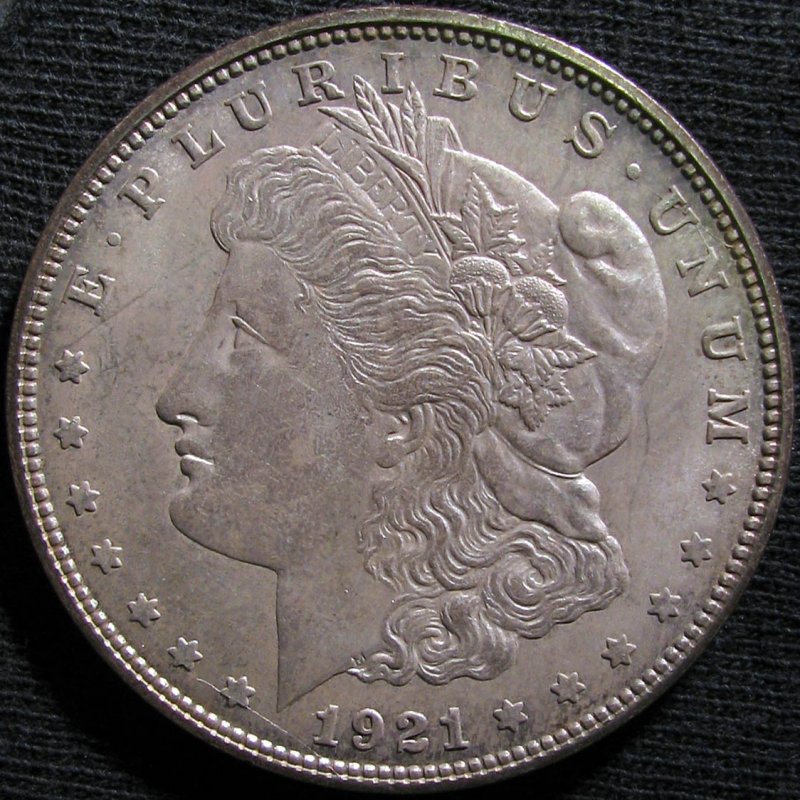 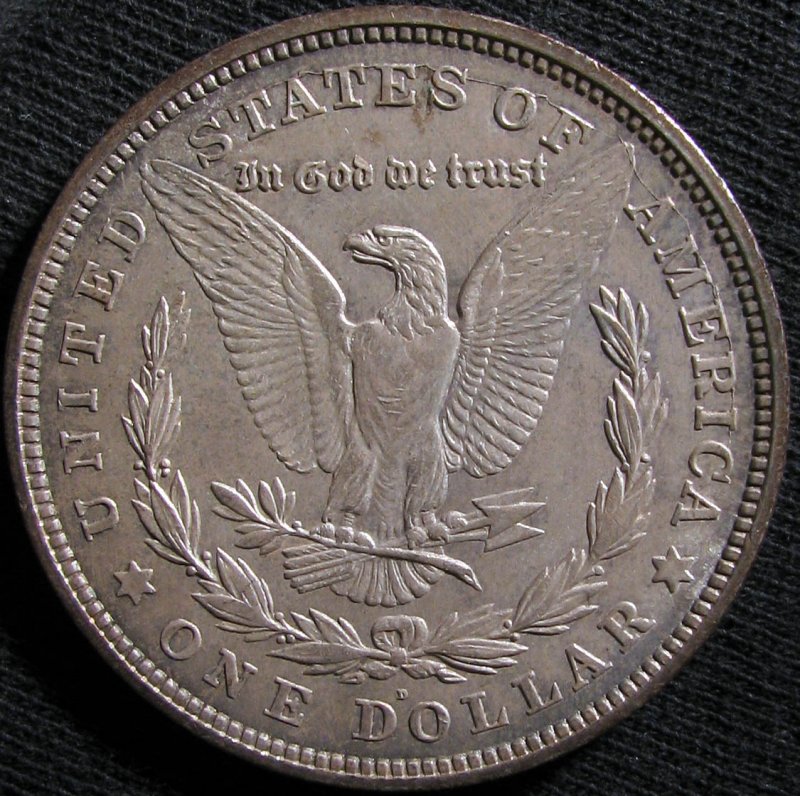 After being dipped: 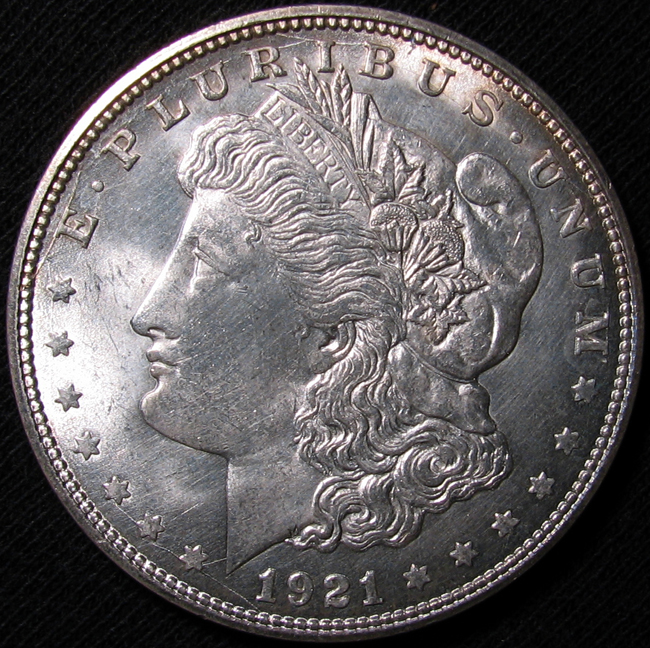 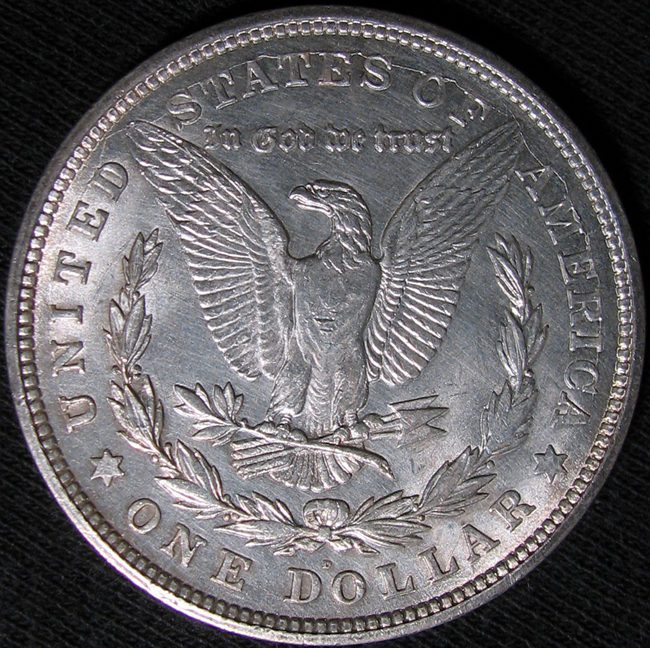 I would not accuse PCGS of missing coins like this all the time, but it's certainly proof that they miss some. I was not comfortable with the color of this coin in the slab, but I bought it because it was a near-Condition Census VAM, and in a slab from PCGS. There was a trust implied there which won't be happening again, obviously. |
| |
Replies: 31 / Views: 4,888 |







 Posted 12/06/2006 5:36 pm





