| Author |
 Replies: 17 / Views: 34,698 Replies: 17 / Views: 34,698 |
Page 2 of 2
|
|
|
|
Pillar of the Community
United States
3747 Posts |
coop, fantastic information and great photos! I have a question in light of your slides on accidental die abrasion. Your image of the triangular weakness in the NW quadrant of the LWC reverse started me thinking about one of the mysteries of the LWC series. A large number of the 1946-S cents have weak or missing details in the NW quadrant of the reverse, sometimes accompanied by weak or missing details in the SE quadrant of the obverse. In particular, "E PLU" and the "O" of ONE frequently are very weak or missing, and the "6" or "46" of the date along with the mm can be very weak. This also occurs on the 1946 cents and, to a lesser degree, on the 1946-D cents, but the frequency is much higher on the 1946-S cents. I've long wondered about this frequency and why it appears on so many die pairs for this date and mint. It doesn't seem to be all-or-nothing on any of the die pairings, so it had to occur after the working dies were made. It doesn't seem to be related to striking pressure or planchet composition, since both apparently were consistent at all three mints in 1946. It does seem to be related to die state. I have yet to find this weakness in EDS strikes. Based on the known die shipments and mintage figures, San Francisco worked its dies to death that year, more than the other mints. Here's the question. Do you think the 1946-S anomaly could be related to accidental die abrasion, maybe from feeder fingers, given the heavy mintages and high daily production numbers and overworked dies in 1946? Thank you again for your scholarship and insight. I learn a lot from you and I appreciate your work. |
|
Bedrock of the Community
 United States
62064 Posts |
First of all the weakness on the date of the last two digits were from a weak hub on the master die. About all of them have this issue with the digits being week. It has nothing to do with the strike as the mint marks appears strong. On the Lincoln cents there is a lot of metal/zinc movement on them The NW area suffers because the metal movement. even the Memorial cents have a weakness opposite the bottom of the bust area. That is more of the issue on them. On the Wheat cent there the feeder fingers damage are on the tops of the reverses. So it wouldn't affect the NW area. But the clashes are heavy on the NW and NE areas because of the outline of the bust on those sides. So I don't feel either of the issues I mentioned is a over die polishing issue. If it were an over die polishing issue the devices would be smaller and only the tops of the devices would be there. (Like the 1968 Memorial cent I posted. But more of a striking issue with the design. We see it less on the single squeeze dies as the profile of the bust/building is a lot lower.So it is more of an issue with the higher profile. Ever notice the proof cents don't have that issue? That is because they are struck twice. The higher the profile, the more pressure to make the profile higher. |
|
Pillar of the Community
United States
3747 Posts |
|
|
Valued Member
United States
159 Posts |
Absolutely amazing post!
Just wondering what kind of coining press has such feeder fingers?
The pics at the top of the post look like they are parts of an older press.
Taylor and Challen? HME? Ulhorn?
|
|
Bedrock of the Community
United States
62064 Posts |
Well most have to have some way to remove the struck coins. Several coins per second on some machines.
|
|
Pillar of the Community
United States
2775 Posts |
Coop, concerning the 2018P dime by Petespockets55. The die damage seems to run horizontally. Would that suggest the die was rotated at the time the die damage occurred? I missed that topic so looked it up and I'm curious if that coin strike was rotated as well. Not sure if the same horizontal Schuler press(s) are still used in 2018, but do not recall seeing the Feeder Finger Damage run that direction before.  Thanks, Doug. More food for thought. http://goccf.com/t/320672&SearchTer...thanks,,doug |
|
Bedrock of the Community
United States
62064 Posts |
All the feeder finger damaged dimes are showing the horizontal line. So they must be setup that way.
Edited by coop
01/08/2019 1:12 pm
|
|
Pillar of the Community
United States
3747 Posts |
Quote:
Not sure if the same horizontal Schuler press(s) are still used in 2018, Doug, all three mints are currently using Schuler presses for business strikes. I do not know what Philadelphia, San Francisco, or West Point are using for proof coins. Denver sold its many Bliss mechanical and two Bliss hydraulic presses several years ago in a couple GSA auctions (for much more than they were worth, I may add). I do not know if the other mints retained any of their older presses. |
|
New Member
United States
30 Posts |
|
|
Valued Member
United States
154 Posts |
So glad I came across this post Coop. This helped me with several questions I had. Thanks for all of your hard work and effort you put into this site. Means alot!
|
|
Moderator
 United States
108482 Posts |
Thanks Coop for staying on top of the issues that most commonly pop up here.
|
|
Bedrock of the Community
United States
62064 Posts |
I use the common comments to help me save time to get the best answers to re-post the links to. Then I have more time for other comments. Others can do this also. Just look up the links on the CoopHome page and then post the links on the question on the threads. |
|
Valued Member
United States
154 Posts |
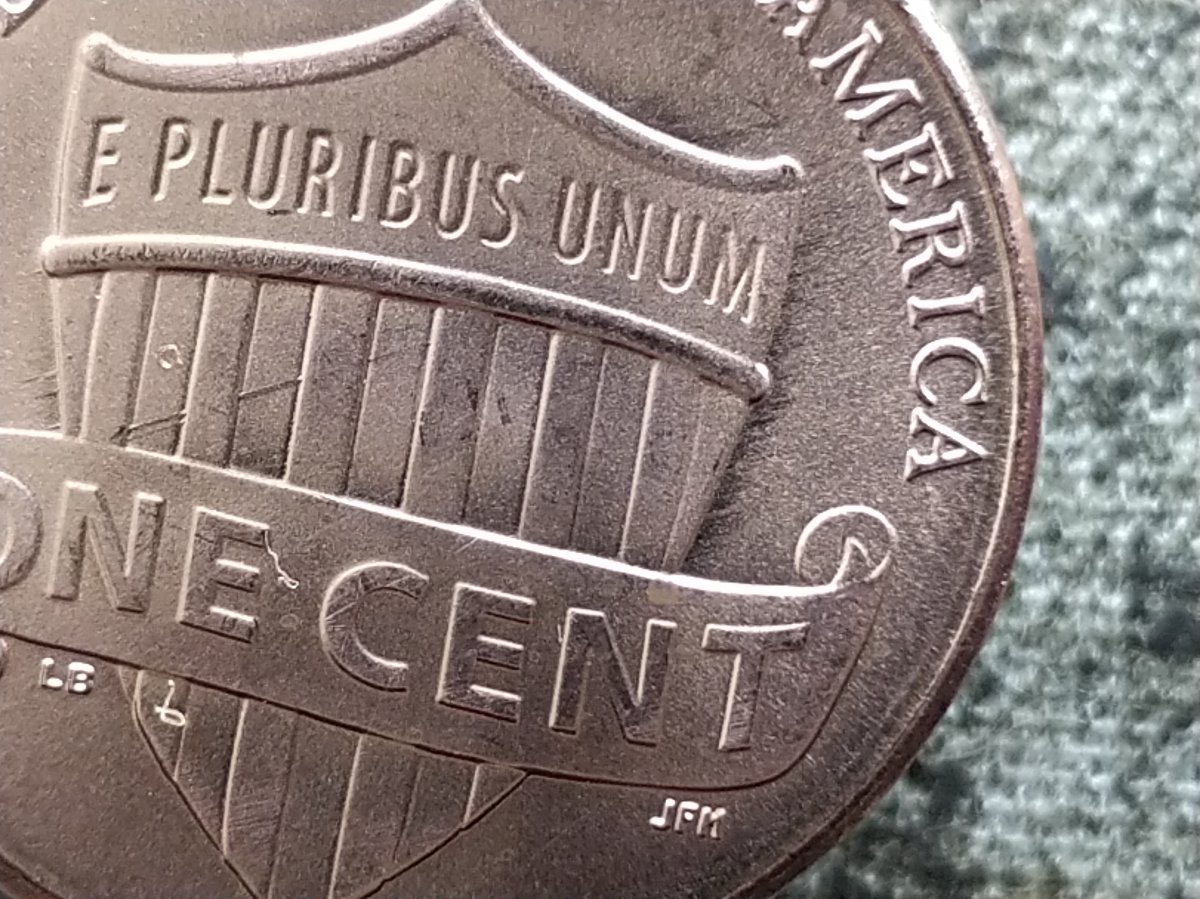
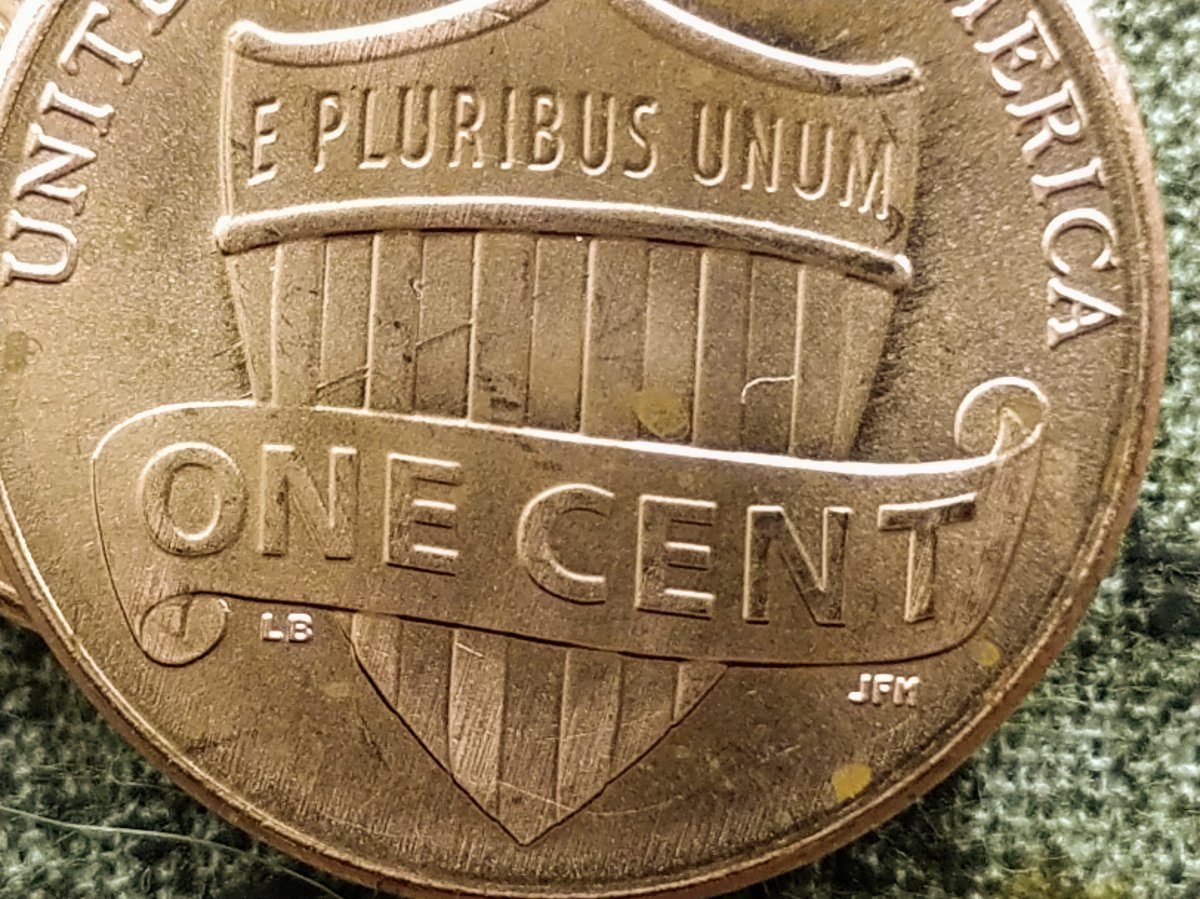
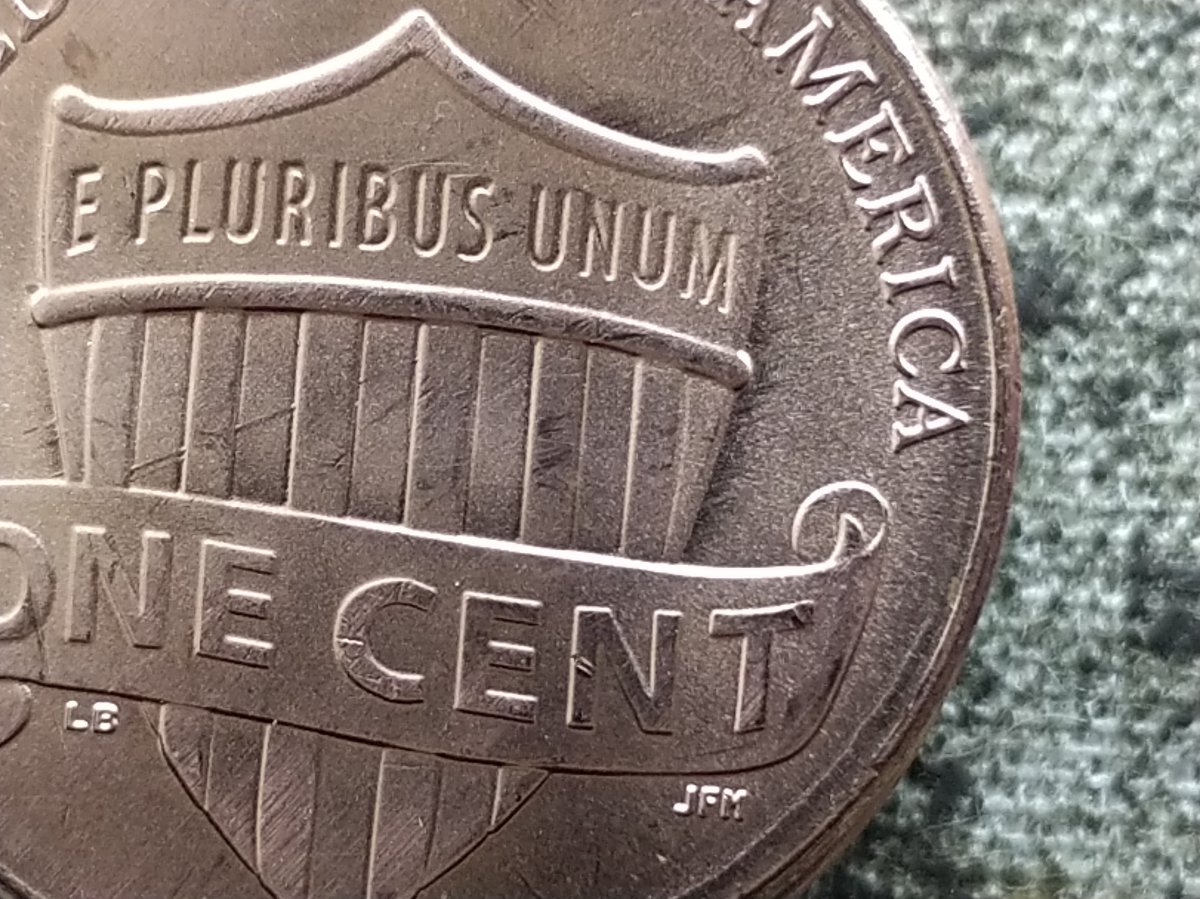
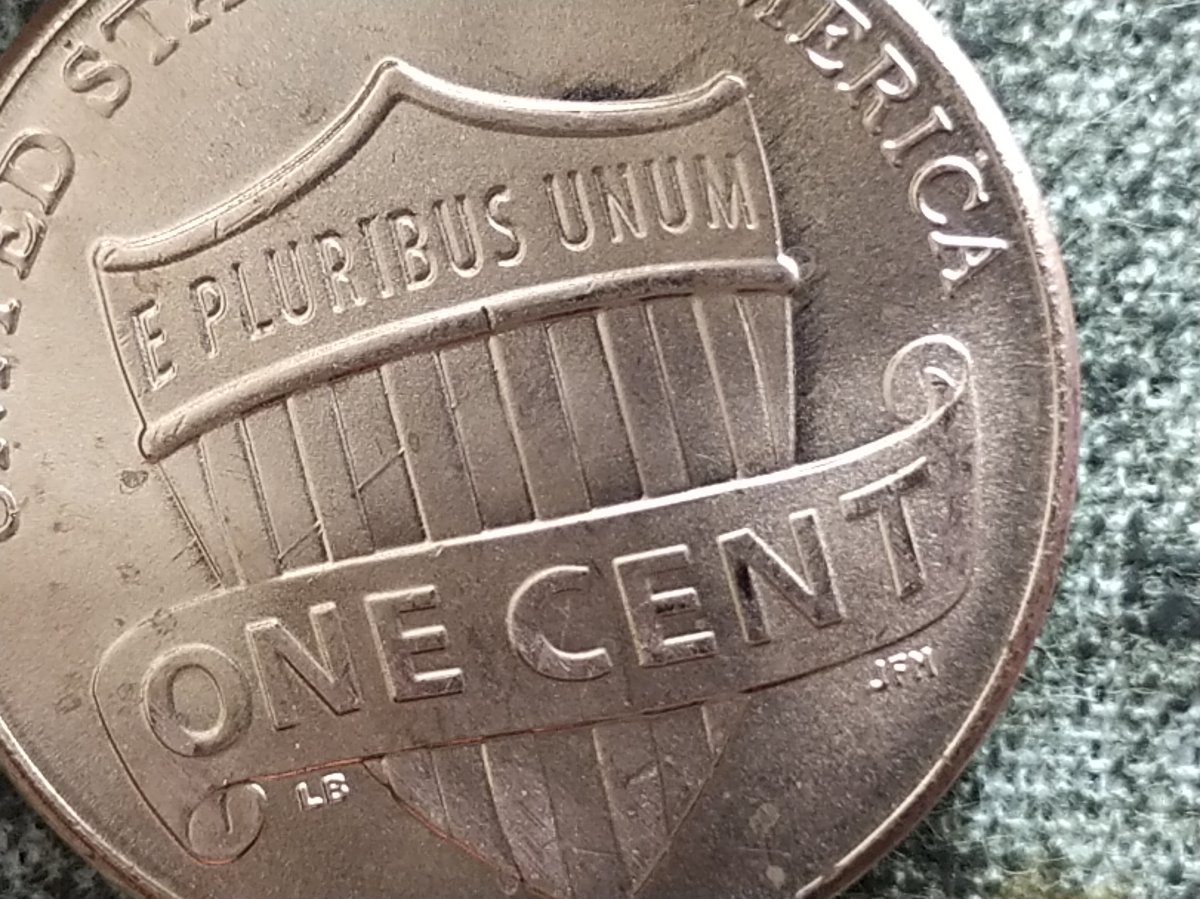
I just came across these today. Are these both considered Feeder Finger Damage? If look across the bottom of the penny some of the lines coming straight down from the shield. I just noticed that some of them line up. So I'm not sure exactly what that is. 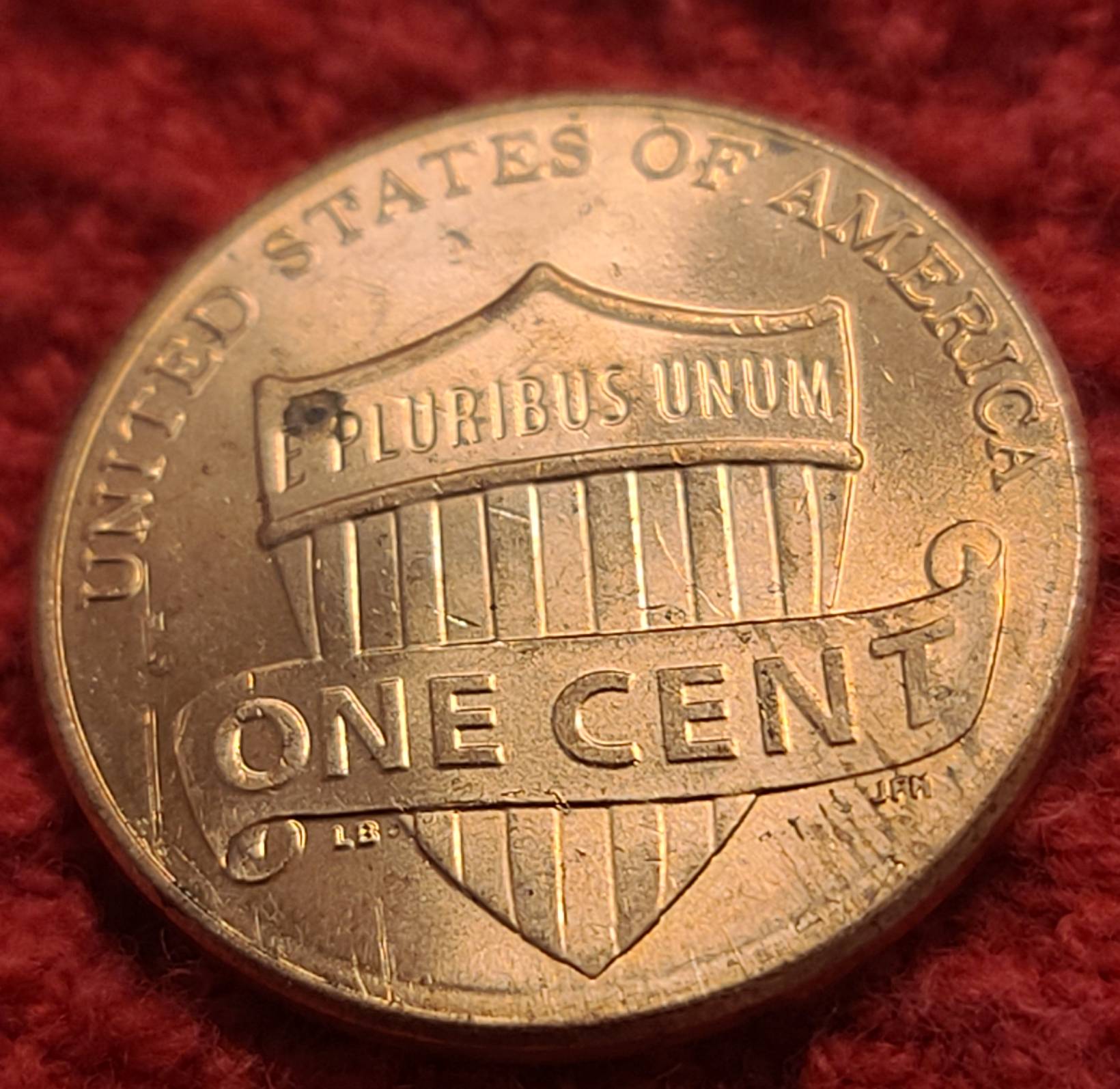 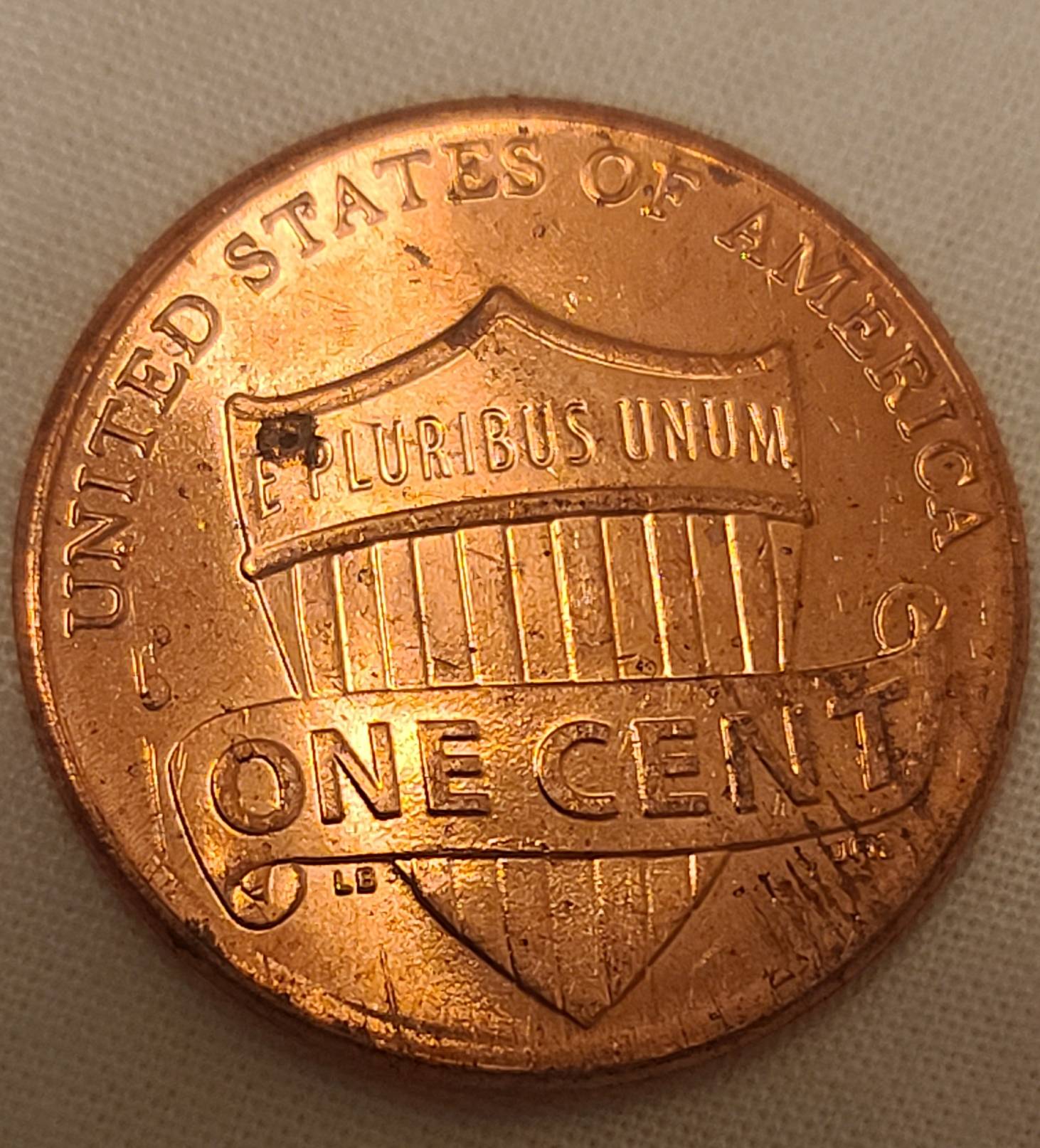 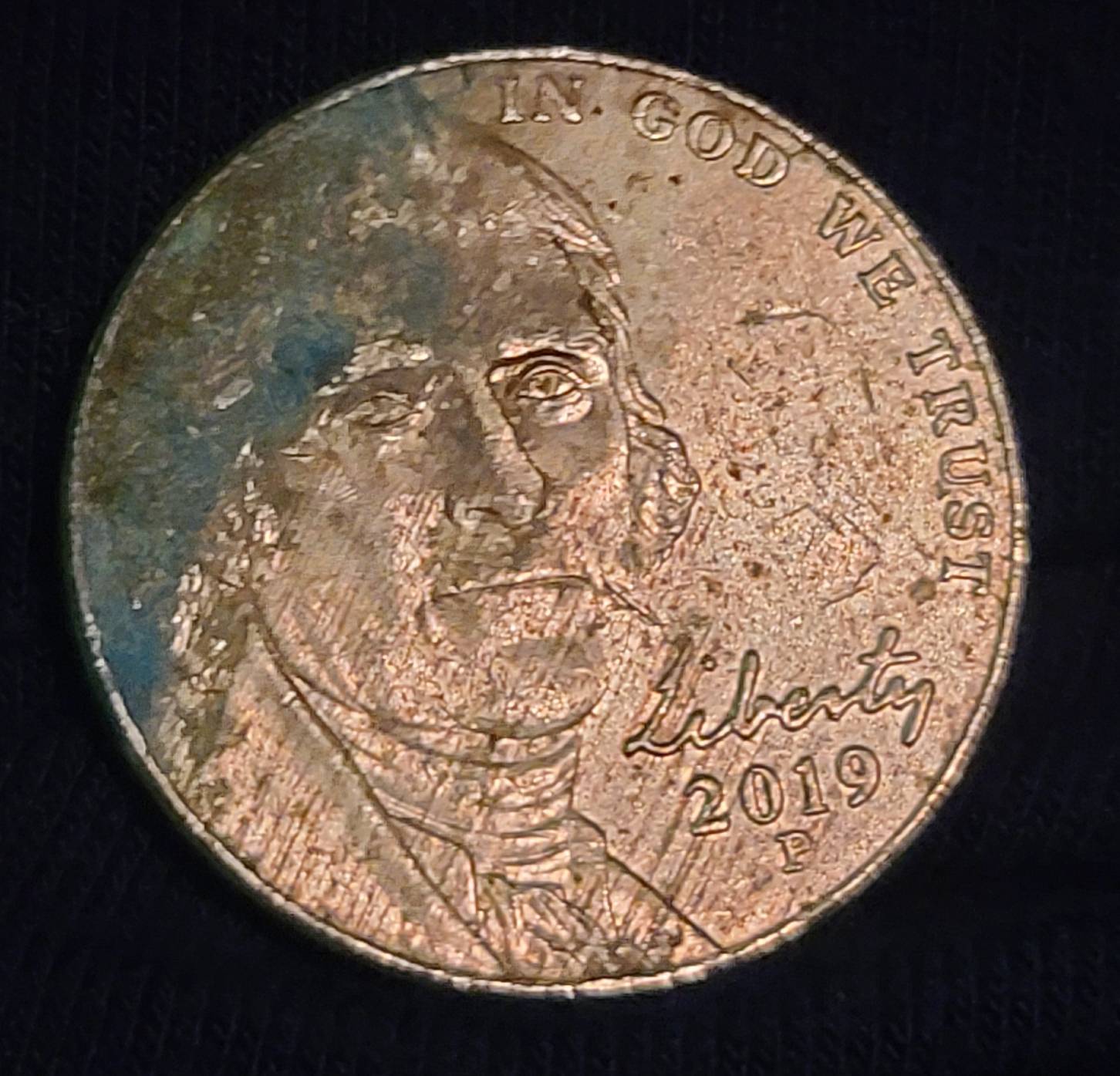 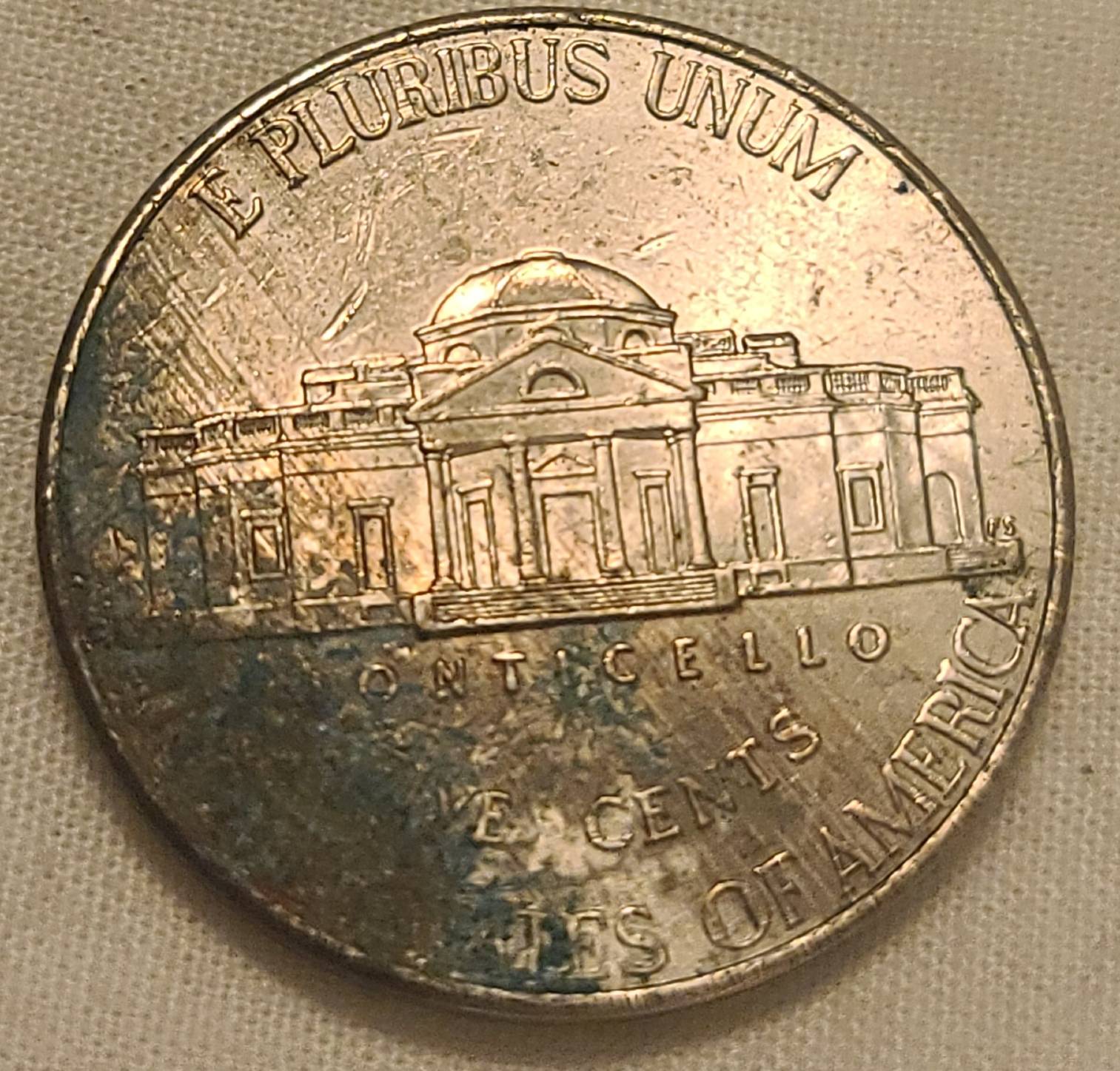 Coop..can you help me out with these 2 coins? Thanks!! Edited by Emaroots23
07/08/2022 6:12 pm
|
|
Bedrock of the Community
United States
62064 Posts |
Quote:
mlov asked:
Just wondering what kind of coining press has such feeder fingers?
Pretty much all of them. That is how the coin exits the chamber: 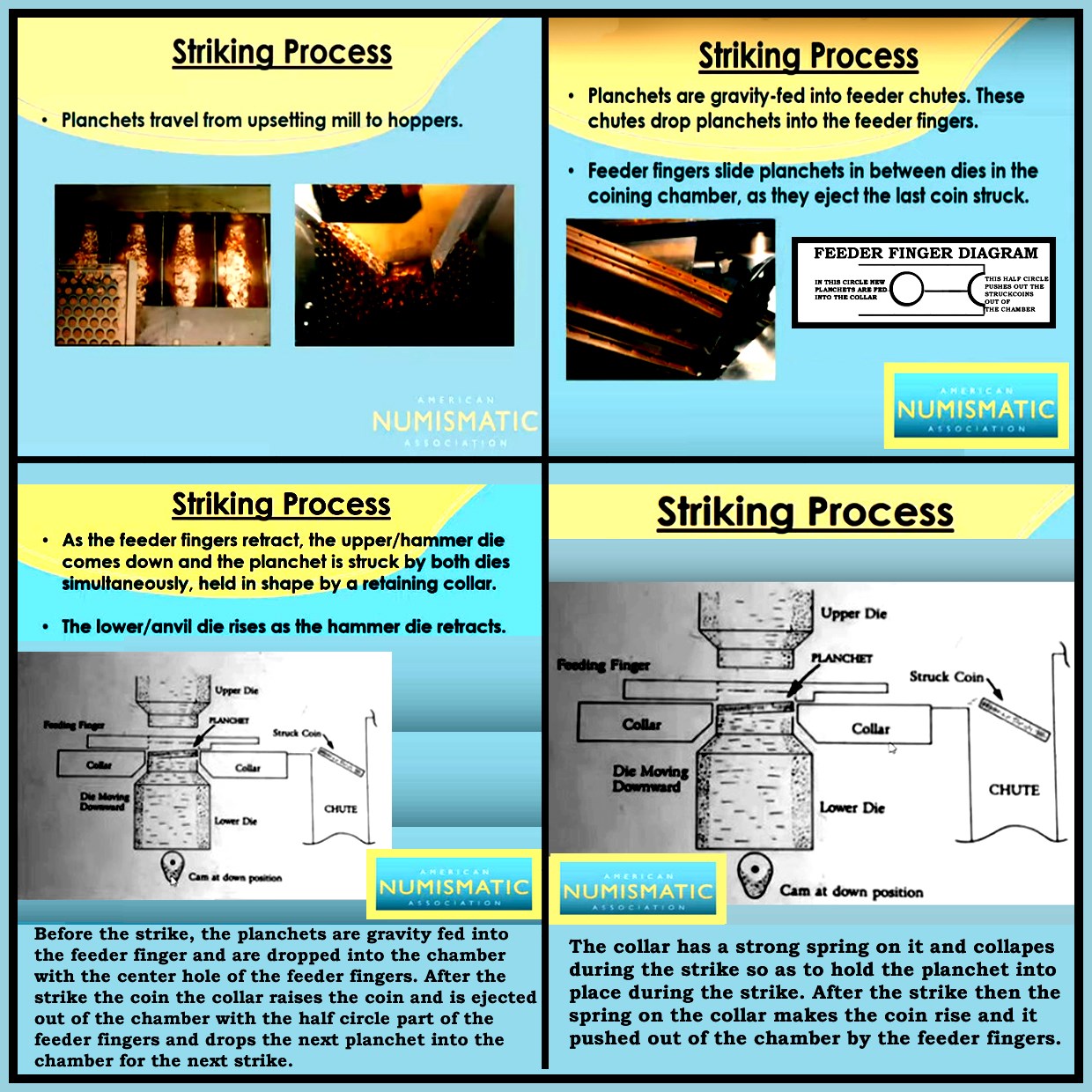 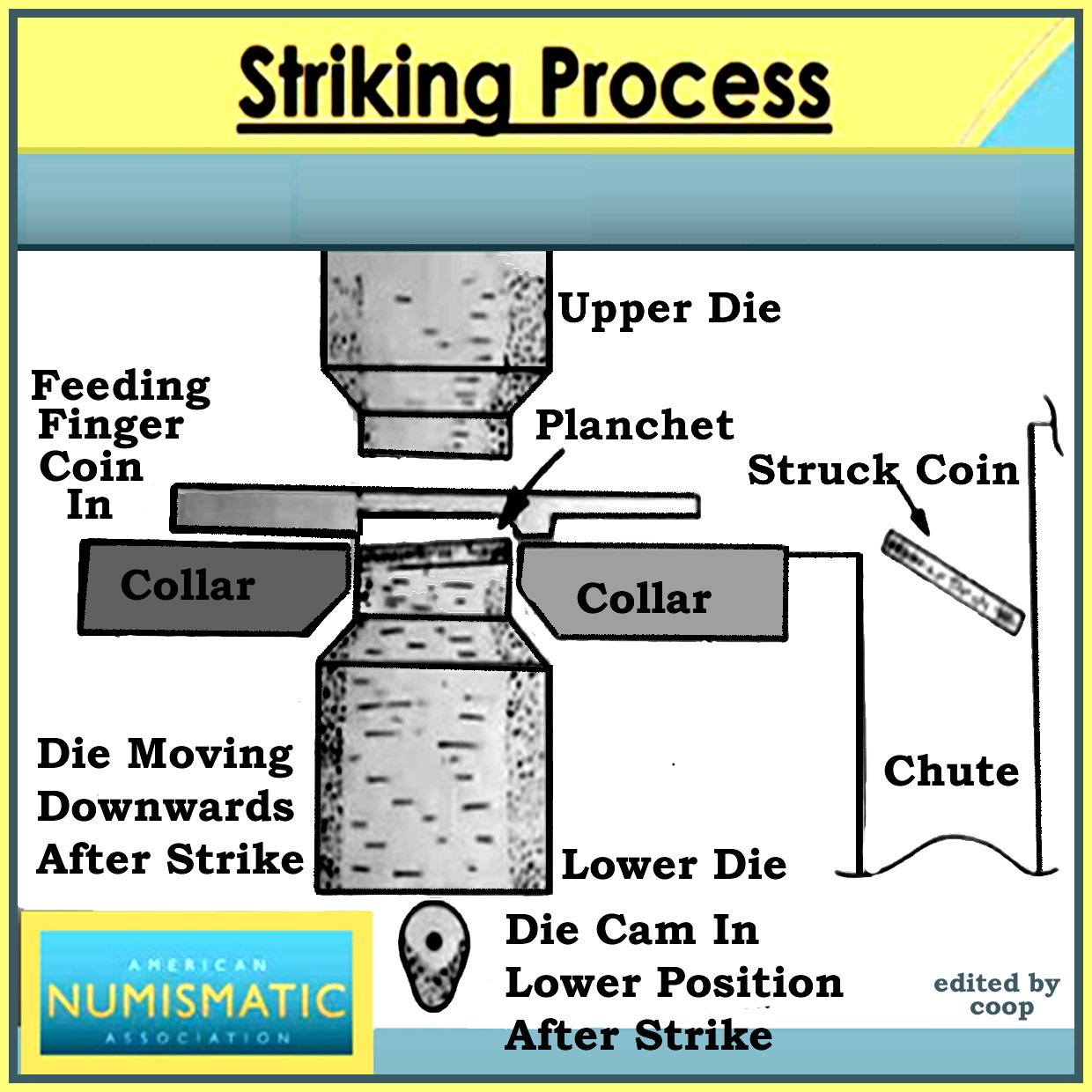 After the strike that anvil die sinks the coin into the Feeder Fingers to exit the chamber. |
|
New Member
United States
1 Posts |
Super info. Thank you for posting. I hope to post pics of a severely damaged Roosevelt dime that has raidius-like striations from about the center. I have never seen another example of it and am hoping some of you have. |
|
Page 2 of 2
|
Replies: 17 / Views: 34,698 |
Page 2 of 2
|





 First Page


 Posted 01/05/2019 7:20 pm