









 Posted 05/27/2014 07:20 am


I agree with John1
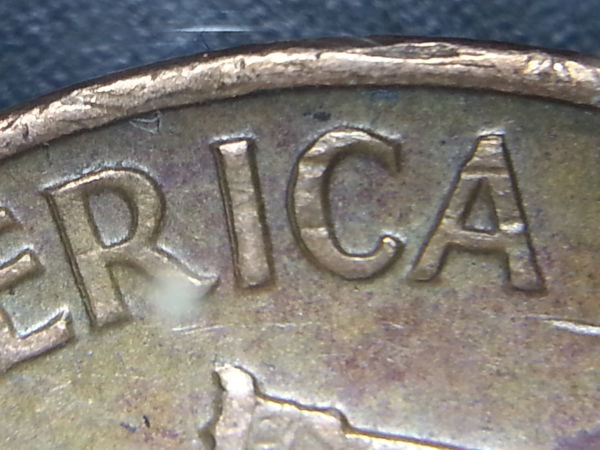
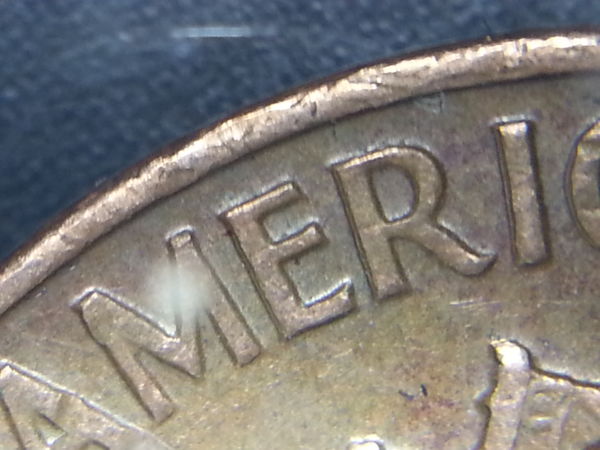
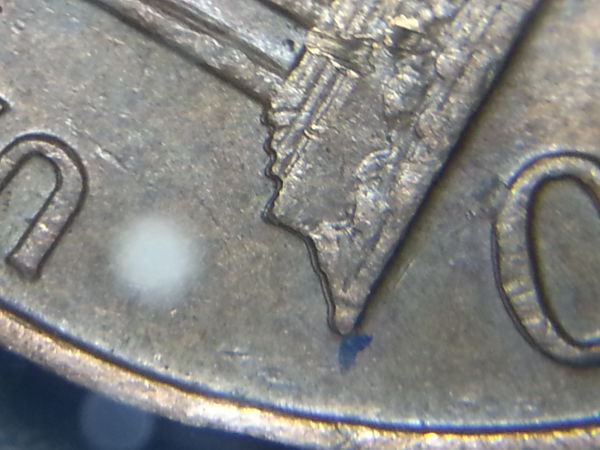
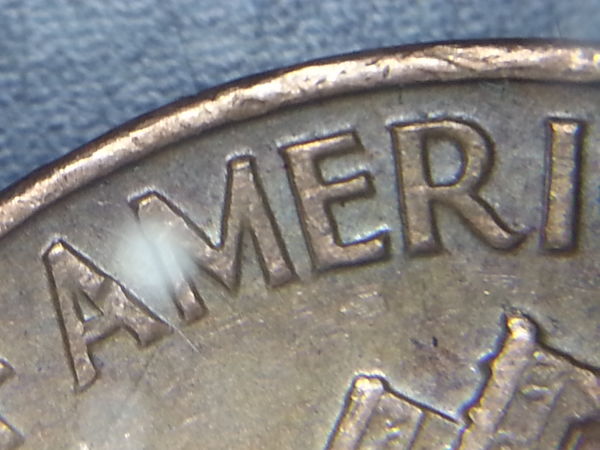
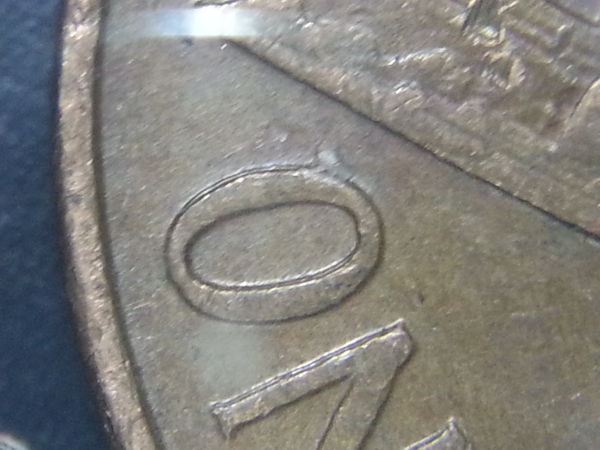
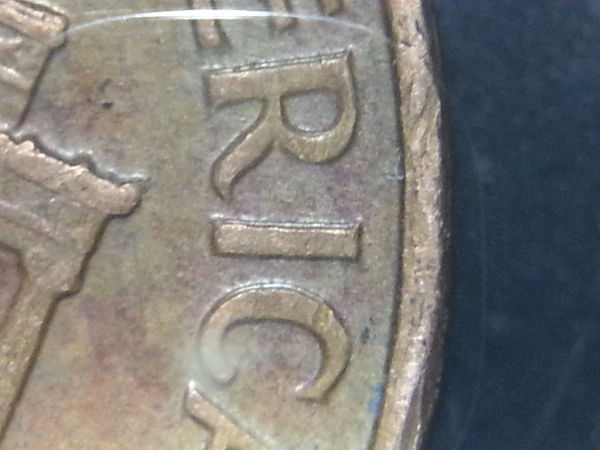
MD... Machine Doubling can be one of two types: Push Doubling and Slide Doubling. MD Push Doubling is the most common and is a product of a loose hammer or anvil die, where after the hit or strike it shifts that sends the die back down, in a slightly altered position. The result is a flat, shelf like area of the design that appears to differing degrees, as being doubled.
Notice the flattened out doubling of the MD; the irregular appearance; and change in physical characteristics of the doubled area. Compare to the rounded and raised true doubling of the Doubled Die
This is a great drawn image I linked from other threads in this forum.

MD... Machine Doubling can be one of two types: Push Doubling and Slide Doubling. MD Push Doubling is the most common and is a product of a loose hammer or anvil die, where after the hit or strike it shifts that sends the die back down, in a slightly altered position. The result is a flat, shelf like area of the design that appears to differing degrees, as being doubled.
Notice the flattened out doubling of the MD; the irregular appearance; and change in physical characteristics of the doubled area. Compare to the rounded and raised true doubling of the Doubled Die
This is a great drawn image I linked from other threads in this forum.


