| Author |
 Replies: 12 / Views: 363 Replies: 12 / Views: 363 |
|
|
Pillar of the Community
 United States
6854 Posts |
|
|
|
|
Bedrock of the Community
United States
77922 Posts |
|
|
Bedrock of the Community
 United States
10601 Posts |
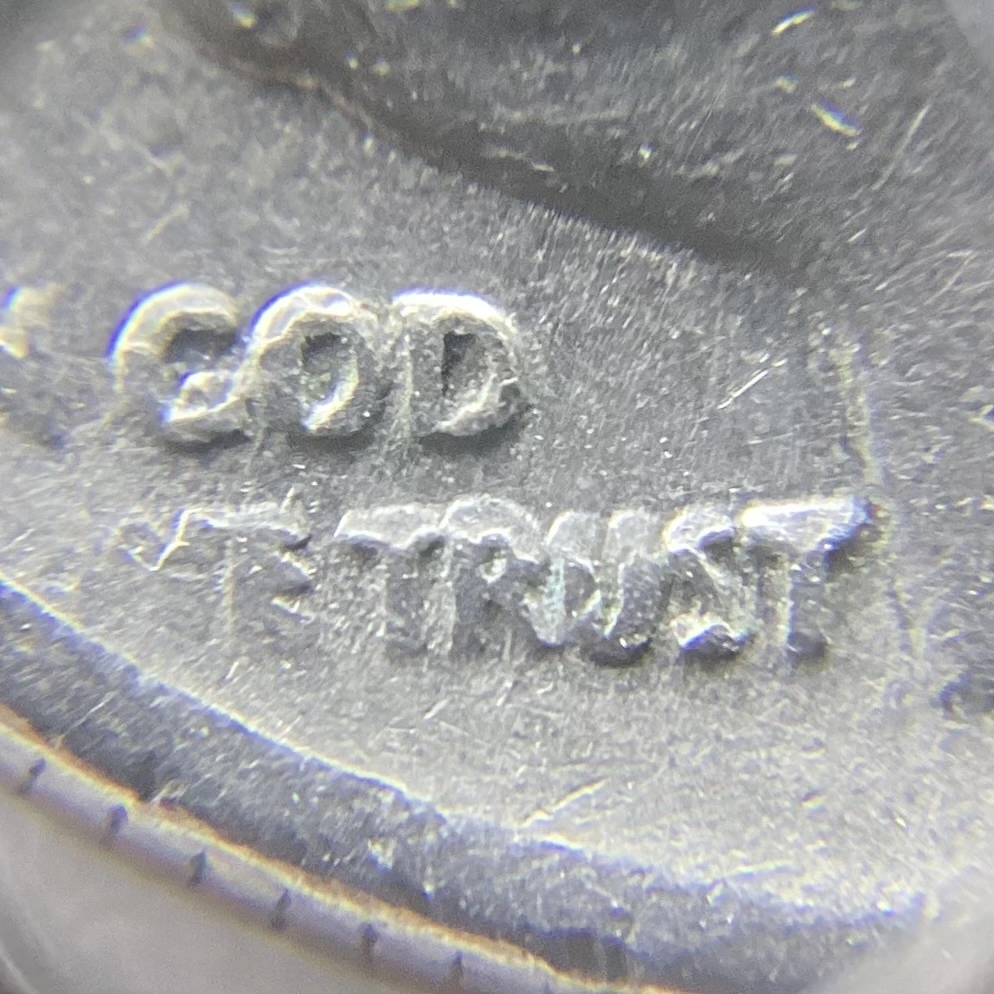
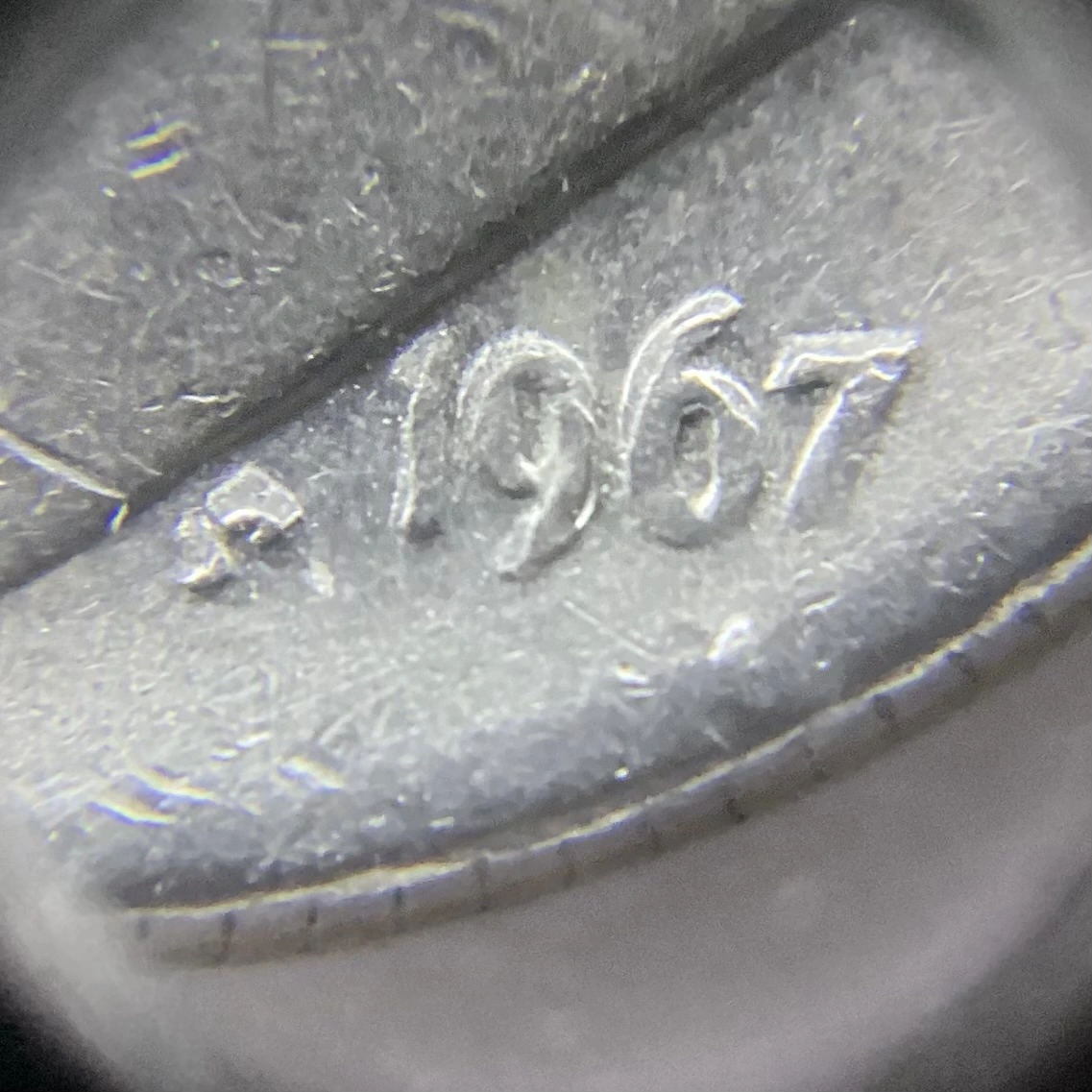
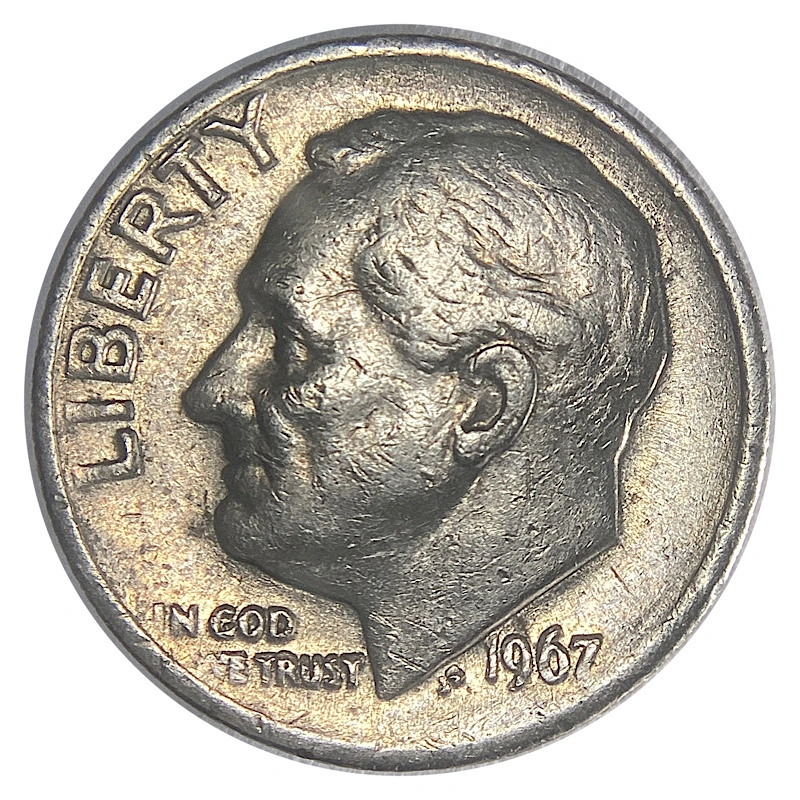
That's a pretty extreme example!
|
|
Moderator
United States
104608 Posts |
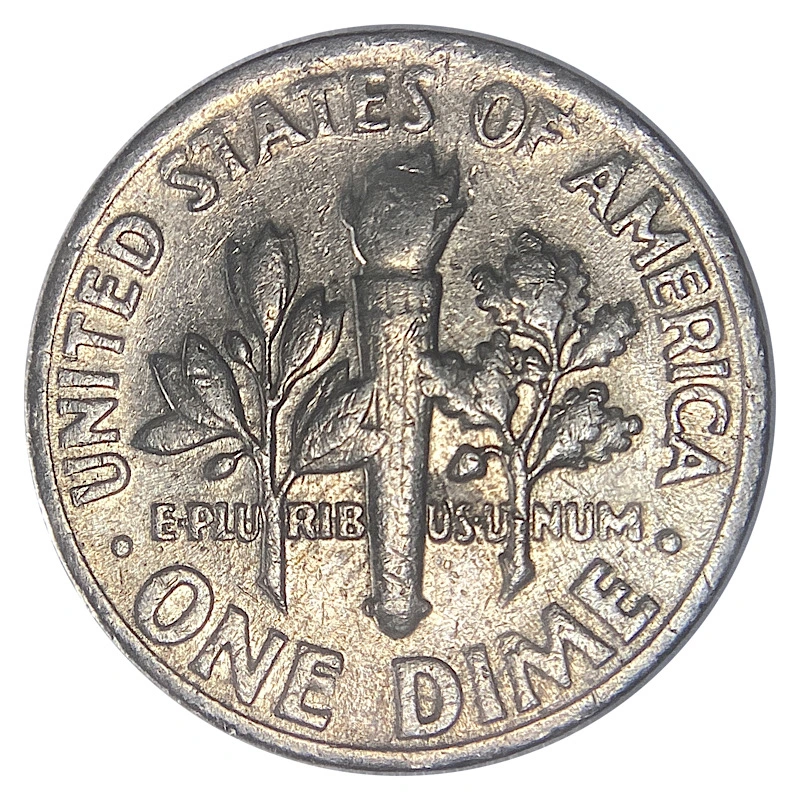
yes, nice MD showing - with the reduced devices showing well.
|
|
Pillar of the Community
United States
8939 Posts |
There may be MD involved but also looks like die chipping that was common on 1960 cents. Maybe both? 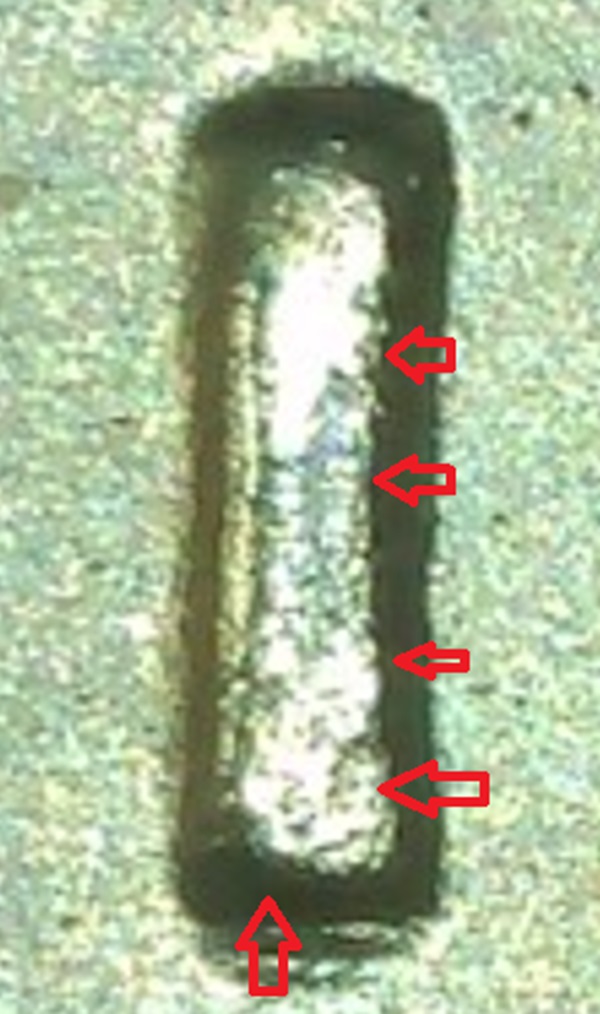 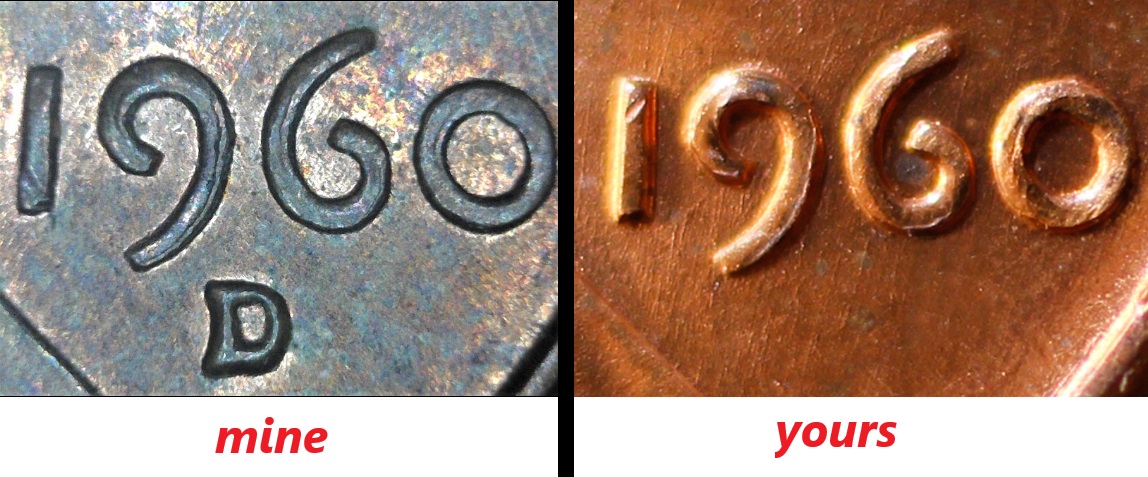 -makecents-
|
|
Pillar of the Community
United States
584 Posts |
I'm with makecents.
Given the signs of overall die wear present on the coin and the drastic unevenness of the effect, particularly on TRUST for instance, I'm inclined to put this down to chipping of the die at the edges of the devices rather than MD, although there are signs of MD on other parts of the coin, so both is possible.
|
|
Pillar of the Community
 United States
6854 Posts |
How would die chipping result in crushed or flattened devices? A die chip removes material from the die, which would add metal features to the struck coin.
Edit: I do see the squiggly stuff that you are comparing. But on that cent date, the height of the numbers increases with the die chipping. The devices on my dime are crushed almost to the fields. I think it's safe to conclude that it's strong push doubling. But there are many other weird circumstances documented on Error
Ref that might produce selectively crushed devices.
Edited by Brandmeister
02/20/2026 11:35 pm
|
|
Bedrock of the Community
United States
10601 Posts |
Quote:
How would die chipping result in crushed or flattened devices? A die chip removes material from the die, which would add metal features to the struck coin.
That sounds accurate. Not seeing where any die chipping is causing/affecting the MD at all. |
|
Pillar of the Community
United States
713 Posts |
 with Marv65 |
|
Pillar of the Community
United States
584 Posts |
On further reflection, you are correct that were the die to be chipping away on it's edges it would produce a raised area unlike what is shown.
However, I do not think the effect is the result of MD as I've never seen MD produce such a ragged and uneven edge as we see on TRUST in particular. It almost looks as if the cladding were flaking away after striking.
If someone can post an example of MD that looks like this, I'd appreciate seeing it.
|
|
Pillar of the Community
United States
6854 Posts |
HGK3, the final image of a cent RTY in this article looks close to the IGWT crushing: https://www.error-ref.com/?s=Push+doublingI imagine it might even be possible for us to reconstruct the direction and magnitude of the die shift by an overlay. It was probably a tiny amount, but it looks huge because the dime itself is so small. |
|
Bedrock of the Community
United States
10601 Posts |
Quote:
the final image of a cent RTY in this article looks close to the IGWT crushing:
I'll be darn - it does resemble what your dime looks like! Nice visual. |
|
Moderator
United States
194164 Posts |
Quote:
That's a pretty extreme example! Keep for reference.  |
| |
Replies: 12 / Views: 363 |
|









 Posted 02/20/2026 8:21 pm





