| Author |
 Replies: 23 / Views: 4,507 Replies: 23 / Views: 4,507 |
|
New Member
United States
3 Posts |
Any ideas? 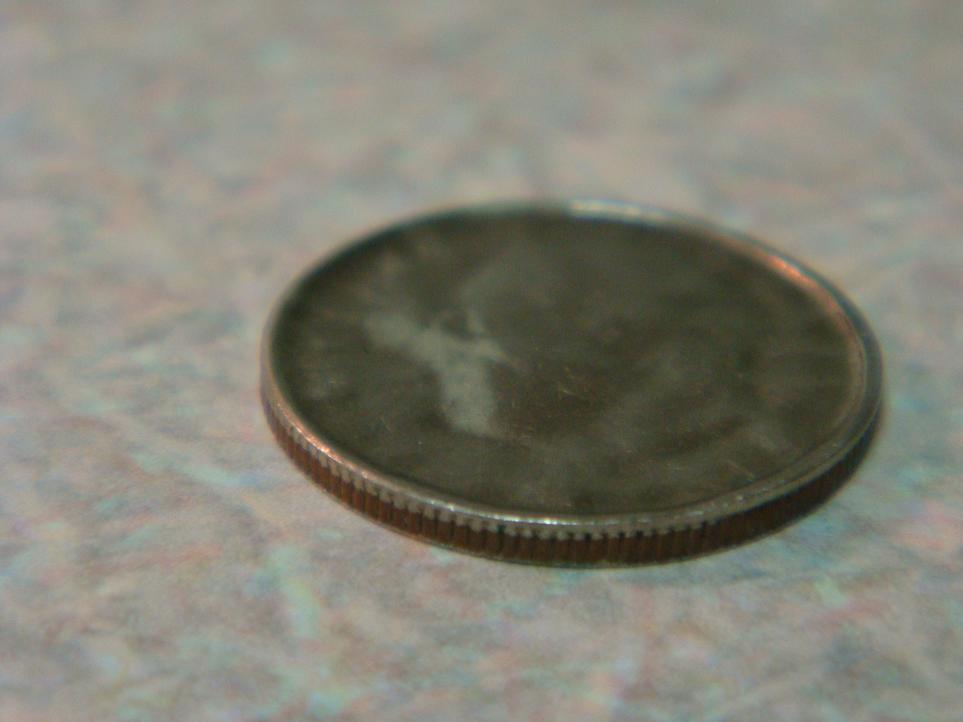 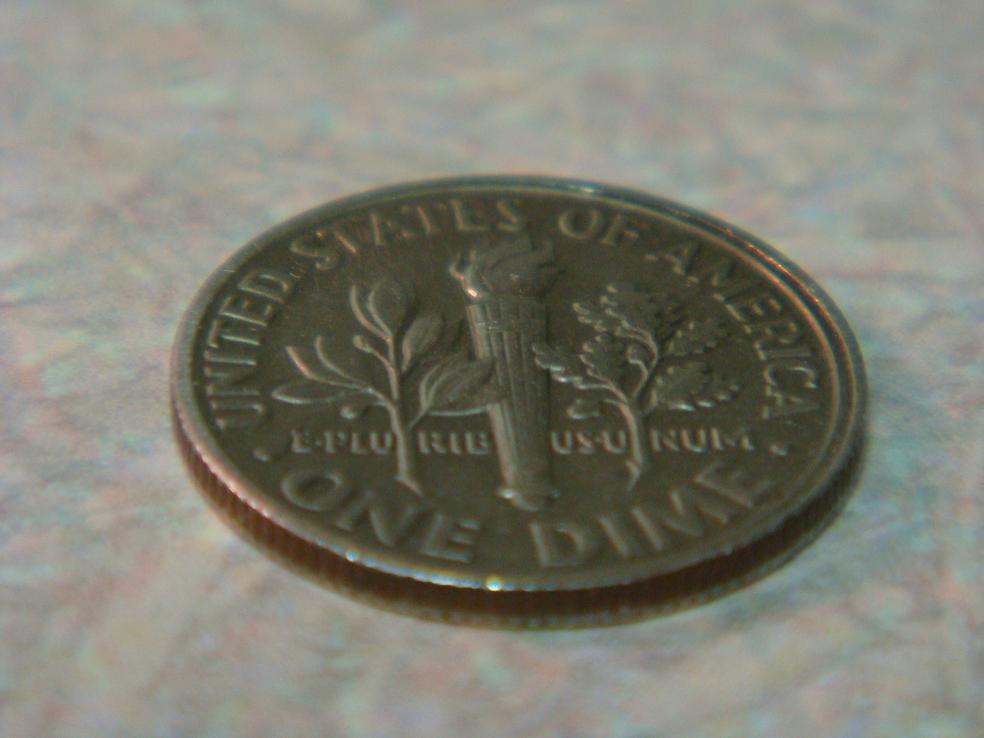 |
|
|
|
Pillar of the Community
United States
4846 Posts |
i can't see anything on the obverse
Edited by Adam_E
08/10/2010 10:01 pm
|
|
Pillar of the Community
United States
615 Posts |
From the picture, it just looks like dirt or grime to me.
|
|
Pillar of the Community
United States
4541 Posts |
 jon like others have said were going to need a better picture |
|
Pillar of the Community
United States
4000 Posts |
to CCF! It's hard to tell anything from the angle of the pics. Can you post a picture of the coin head-on? |
|
Moderator
 United States
16696 Posts |
Hey Jon, welcome! Try proping the coin up then taking the picture.
swcoin.ecrater.com
|
|
Valued Member
United States
476 Posts |
From the detail we can see in the photo of the reverse it looks like the obverse has some potential to be a capped die?
|
|
Pillar of the Community
United States
7629 Posts |
That's kinda what I'm thinking, but need MUCH better images.
|
|
Pillar of the Community
United States
2752 Posts |
Probably struck through a late-stage die cap.
Error coin writer and researcher.
|
|
New Member
 United States
3 Posts |
Thank you for the welcomes and sorry for the low quality pictures! I hope these help more! 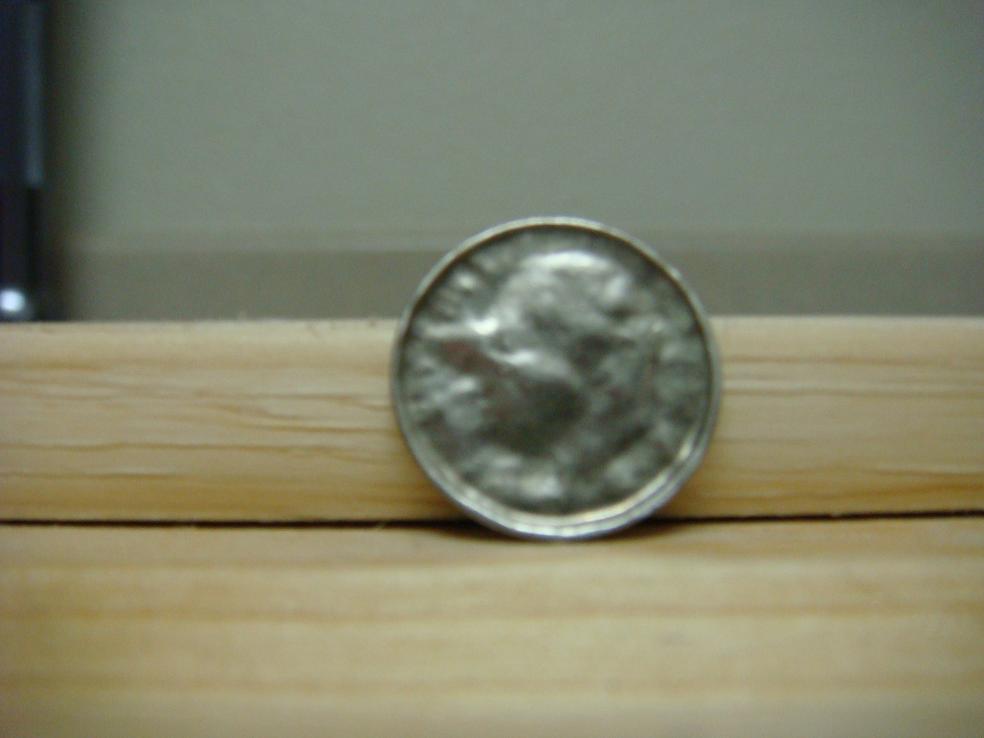 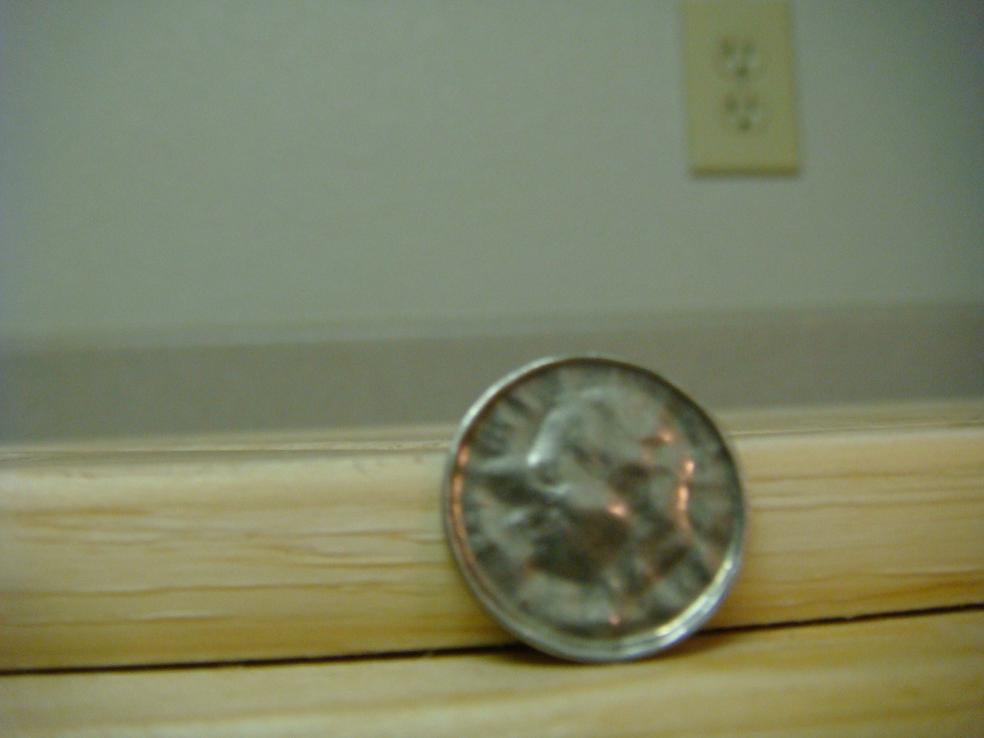 |
|
Pillar of the Community
United States
4846 Posts |
Just a normal dime to me now.
Thanks for the better punctures.
|
|
Pillar of the Community
United States
4000 Posts |
Adam, you call that normal?
I'm not sure if that still fits in the "struck through capped die" category or not. Let's hope it is and it will at least hold some value as an error. Wait for some more opinions Jon_883.
|
|
Bedrock of the Community
United States
12437 Posts |
Yep, struck though late stage capped die. Can you see a date?
This occurs when one coin sticks to a die after it is struck and essentially becomes a new die. If a coin is stuck(capped) to the obverse die(as what happened on this one) then the next coin struck will have a normal reverse and the obverse will be an incuse mirror image of the reverse(the struck reverse of a coin is now acting as the die). This error is known as a mirror brockage and it is quite valuable. As the capped coin continues to strike other coins, it thins out and starts to wrap around the shank of the die. This coin is now a die cap error and the rarest ones can be quite deep. As successive coins are struck with the capped die/die cap, the incuse mirror image starts to spread out and distort. This is the most common form of a brockage error. Eventually the die cap spreads so thin that it is no longer able to function as a die and a weak image of the obverse die starts to emerge on successive coins, this is what you have. I am not certain of value but I would guess about $25 or more.
Pick-up points for a genuine error would be a strong strike on the side opposite the strike-though, fully formed rim, and a normal weight.
Edited by biokemist6
08/12/2010 01:06 am
|
|
Pillar of the Community
United States
4000 Posts |
Great explanation bio! Too many times we get shortcut answers to leave our minds to wonder. This type of error is becoming clearer to me now. Great score Jon_883!  |
|
Bedrock of the Community
Australia
21792 Posts |
I looks like two planchets got stuck in the coining press and a struck through image is the result. I have an Australian copper nickel 5 cents that has a similar appearance.
|
|
Pillar of the Community
United States
4846 Posts |
oh I thought that was dirt.
FAIL
|
| |
Replies: 23 / Views: 4,507 |







 Posted 08/10/2010 10:02 pm





