| Author |
 Replies: 8 / Views: 1,433 Replies: 8 / Views: 1,433 |
|
|
Pillar of the Community
United States
1721 Posts |
|
|
|
|
Moderator
 United States
16694 Posts |
CC coins did in fact make their way East. Most stayed West, frequenting the saloons and general stores of California to Colorado. One CCF member awhile back found a pretty rare CC Half in New York I recall. Here ya go: https://goccf.com/t/119362swcoin.ecrater.com
|
|
Moderator
United States
23522 Posts |
I can't imagine it being other than rare, since so few people commuted over that kind of distance back then. Returning miners, maybe, soldiers, government officials....
I'm guessing San Francisco coins tended to stick relatively near the coast - more easily and safely transported by ship - while Carson City coins tended to occupy inland areas.
|
|
Pillar of the Community
United States
1432 Posts |
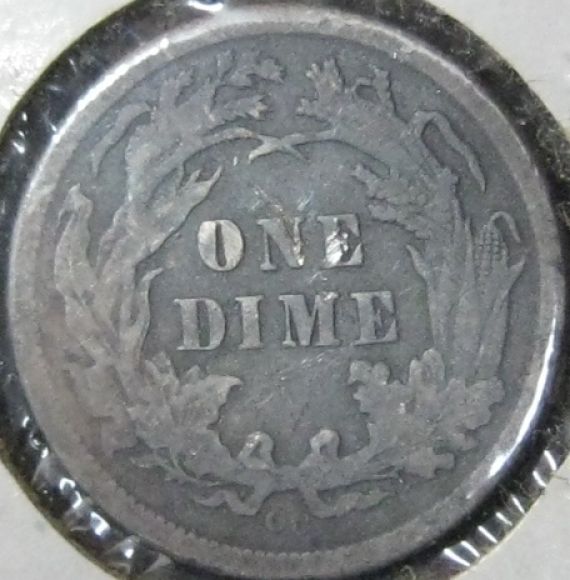
I don't know when this girl came East but it looks like she worked her way here. I pulled her out of a bank roll in the early 60s. 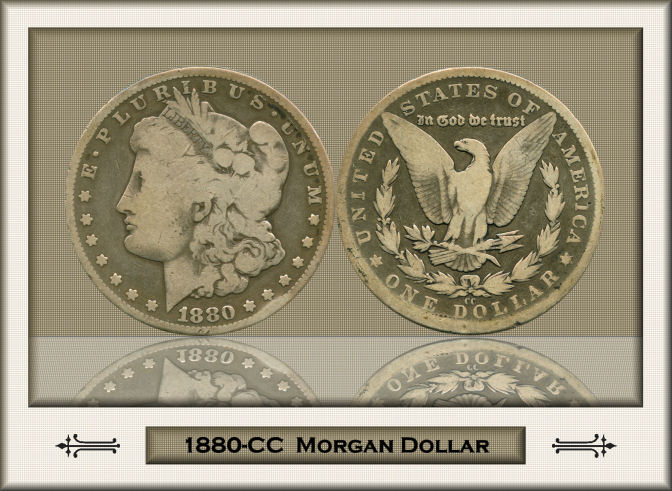 |
|
Pillar of the Community
United States
1704 Posts |
Yes, the coins of San Francisco and Carson City would have traveled eastward. Not all travel back then was one way, west. There were many people who had family remaining in the east and some had the means to travel back there to see them occasionally and would be carrying coins from the western mints with them. Ed ANA LM-3175 |
|
Pillar of the Community
United States
3253 Posts |
Of the coins that found their way from the west coast to the east in the 19th century, I believe few made the trip in one jump, in the pocket of a long-distance traveler. The majority likely made their way slowly, in dozens of transactions taking them farther and farther east. The last thing I am is an economist, but a very simple rule of exchange is that hard currency goes one way, while goods and services go the other. If a nation is uniformly rich in gold and in goods, there will be random movement of money, and no net geographical shift of coins. The 19th century frontier was where gold and silver were being pulled out of the ground, though, while the supplies to build the American West were still coming from back East.
|
|
Pillar of the Community
United States
3486 Posts |
There were two 1776 CC dimes among my Great Aunt's Dimes. One is an XF40. The other I gave to my chum years ago. She lived and worked in NYC which was the eastern hub for rail travel.
At the New Hampshire Coin Expo a man came to our tables with a CC dime that he found while metal detecting in the greater Boston area. Although damaged in the digging, it displayed an otherwise high state of preservation. And some unusual die characteristics.
The question came up, "Just HOW did this coin make such a long journey only to remain buried for many years?"
Among my dimes are two from San Francisco: a 1905 and a 1910. Both within kissing distance of mint state. Yet my Great Aunt found them in NYC, no doubt having passed through a telephone booth. She worked for the Bell Telephone Company in the coin counting room.
If only coins could talk!
|
|
Pillar of the Community
United States
1211 Posts |
I know this topic has been discussed before on Tnet. I don't know why but I do believe CC coins circulated on the East coast. I often see CC coins dug in my neck of the woods. A casual survey of the people who I normally hunt with revealed that most Seated coins dug in my area have a CC mintmark. A field quite near my house has produced 3 Seated coins, all CC mintmarks. |
|
Pillar of the Community
United States
652 Posts |
Don't forget the Transcontinental Railroad - completed in 1869. It connected San Francisco with New York City, and passed through Nevada. It would have been another good way of getting CC coins to the East Coast.
|
| |
Replies: 8 / Views: 1,433 |
|










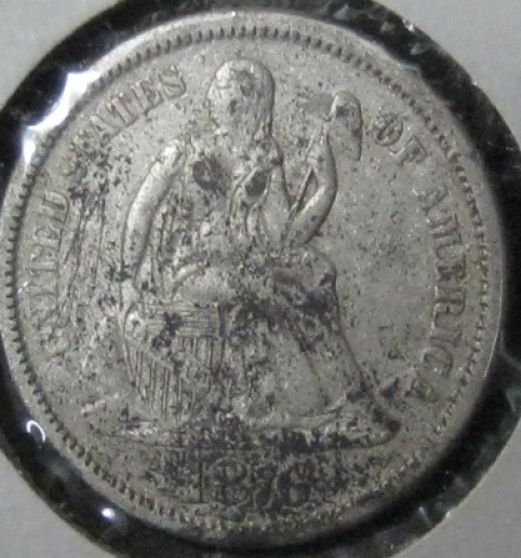
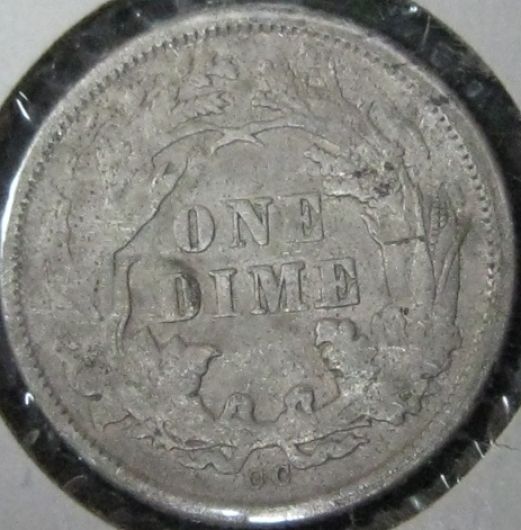
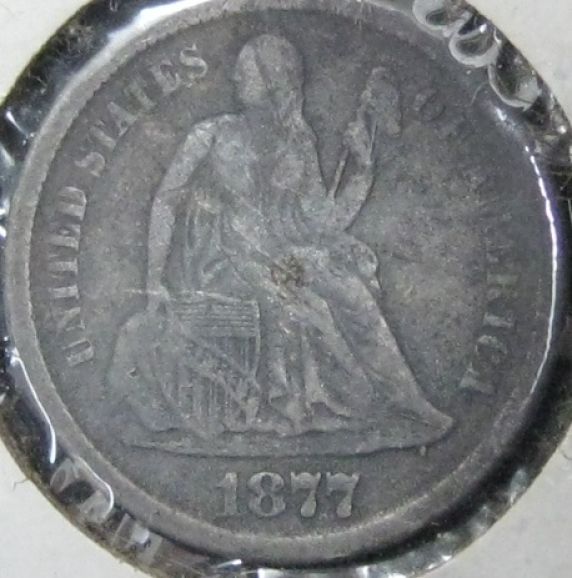


 Posted 12/31/2012 7:51 pm


