| Author |
 Replies: 14 / Views: 13,168 Replies: 14 / Views: 13,168 |
|
|
Pillar of the Community
France
1591 Posts |
Here are two example of the transitional Mexico 8 reales - called Klippe. This coin was a transition between crude cobs / macuquina type to the modern milled-edge pillar 8 reales. The second coin was a guatamela counterstamp. 1733 MoMF Klippe thin planchet / wide :   1733 MoMF Klippe, fat planchet (cob style ?) :    Edited by MathieuMa
06/13/2013 12:41 pm
|
|
|
|
Pillar of the Community
United States
1758 Posts |
Perhaps in July 2013 (late) you can send me these two pieces for XRF Analysis so as to complete this paper on the cast fakes?
John Lorenzo
United States
|
|
Pillar of the Community
 France
1591 Posts |
Sure, tell me when you want them if that helps (or any other coin I have actually).
|
|
Pillar of the Community
United States
1962 Posts |
Nice klippes... I always wonder with the "klippe dies on cob planchet" issue whether those were really just sloppily made klippes rather than true cob planchets. Those planchets always seem to be some kind of hybrid state - not as level/large as "obvious" klippes, YET much more level than traditional cob planchets. Maybe it was just the machinery flattening the planchets some upon mechanized (as opposed to hand) striking?
The one caveat though is that I've noticed a good number of 1732-dated cobs with planchets that are similarly "semi-level"...
|
|
Pillar of the Community
United States
689 Posts |
Very nice coins. Does thick coin mean KM 47a and thin mean KM 48? I remember hearing that the Mo mint ran out of round planchets so they reverted to cob and Klippe. Anyone else hear that story? This one is XF45, but I think better. 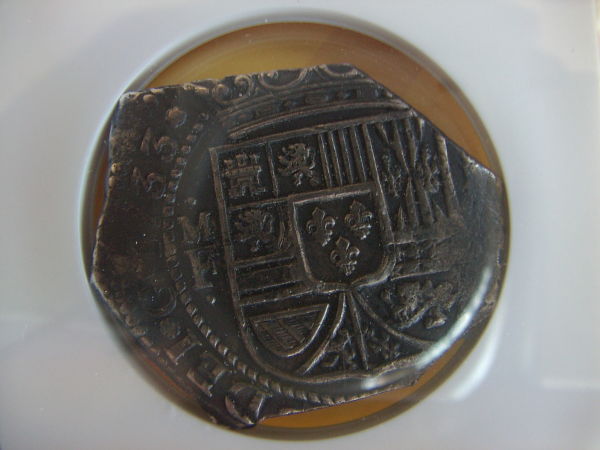 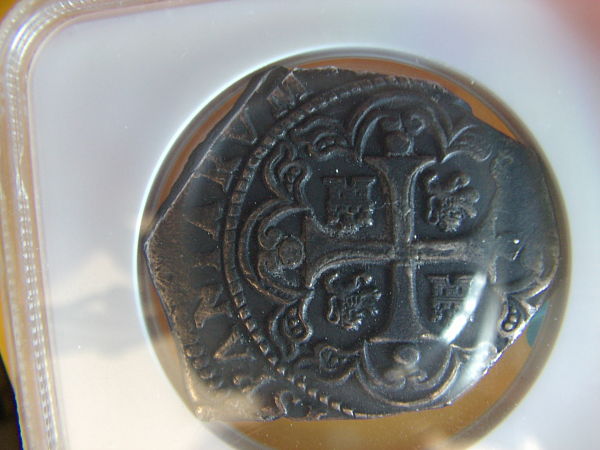 |
|
Pillar of the Community
United States
1962 Posts |
Westwood, I recall that you posted your piece before and we discussed this...
Krause #47a is simply the same coin as the earlier Philip V cob 8R (KM 47)... with the slightly lower silver fineness. KM48 is the klippe (any/all varieties). The issue (which Krause ignores) is that there are some 1733-dated pieces struck with the klippe-style dies which are considered by their shape (noticeably chunkier - thicker with smaller avg. diameter) and lack of total levelness (anything else?) to not be actual klippe planchets, but rather cob planchets.
The distinction to be does seem a little vague (unless there's some defining characteristic I'm not aware of)... That said, I'm pretty sure your piece would actually be considered one of these "klippe dies on cob planchet".
Edited by realeswatcher
06/13/2013 3:20 pm
|
|
Pillar of the Community
United States
689 Posts |
I admit I am confused about the klippes. Klippes and Chas. III to IV transitional are some of my favorite Mexico coins.
What is a good reference in this regard?
|
|
Pillar of the Community
United States
1962 Posts |
Good question... most of what I know has been gleaned from auction appearances. I just had the Ponterio Rooswijk auction catalog (1999) out last night when looking at the 1732 Mo F pillars it shows... there's an intro discussion in there on the transition years at the Mexico mint, with a small section devoted to klippes that begins: "Although little is published about how klippes were produced...". He cites Pradeau, Gilboy, etc. at the end of the intro... Specifically, he noted a lecture given by Clyde Hubbard titled "8 Reale of the Mexico City Mint 1730-1734" at the ANA Numismatic Theater in Aug. 1987. I believe the Menzel Cobs book should have some info as well... I know it actually has a photo of another permutation in the 1730's transition... a normally-produced round planchet, struck with the Klippe dies. It is essentially a pattern or trial... only a handful exist. |
|
Pillar of the Community
France
1591 Posts |
Here is a 8 reales cob made a year earlier, from Mexico, essayer F :   Westwood Arms, I don't see what you mean, transitionals are not from Mexico but from Potosi. That's where the design changed - after the long Potosi scandal - which changed the design from shield/cross to the later grid style. Mexico kept the shield/cross design. (I can post the ones I have in another topic, I love those as well :D ) I've also been looking for a reference on those transitionals.(ok, not that long). If someone have a reverence ... Edited by MathieuMa
06/13/2013 4:08 pm
|
|
Pillar of the Community
United States
1962 Posts |
Mat, the klippes by definition can also be called "transitionals" as were clearly part of the process of Mexico City changing over from cobs to milled coinage... ======= The PotosÌ Mint Scandal and Great Transition of 1652 by Sewall Menzel: http://www.amazon.com/Potos%C3%AD-m...p/B0006PFIEMNote that the information in there is pretty much covered within Menzel's broader work, Cobs, Pieces of Eight and Treasure Coins...Edited by realeswatcher
06/13/2013 8:20 pm
|
|
Pillar of the Community
United States
1801 Posts |
I believe the Carlos III to Carlos IIII transitionals referred to by Westwood are the 1789-1790 Portraits where they bear the bust of Carlos III and the legend reads either Carlos IIII or Carlos IV. Since we are doing a show and tell for cobs and Klippes may I contribute? 1732/1 cob (full weight, natural hole from a bubble in the silver) 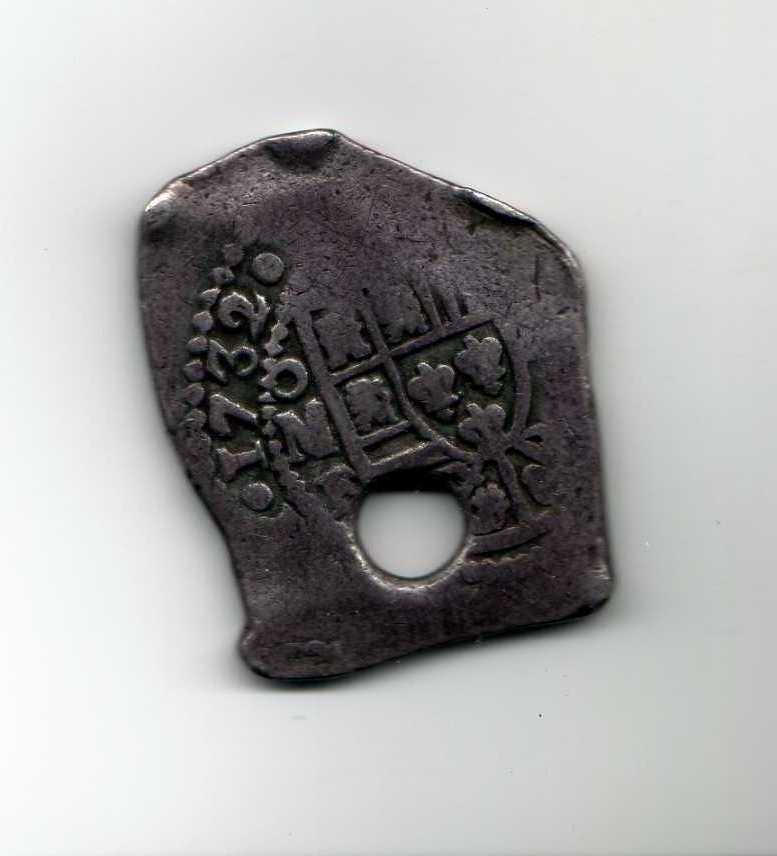 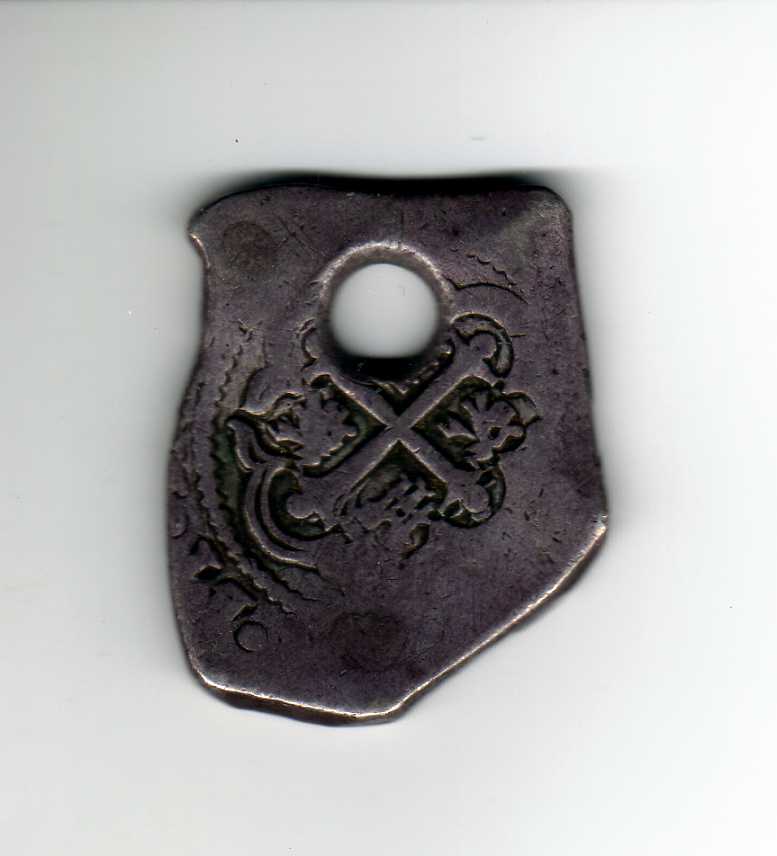 1733 Klippe 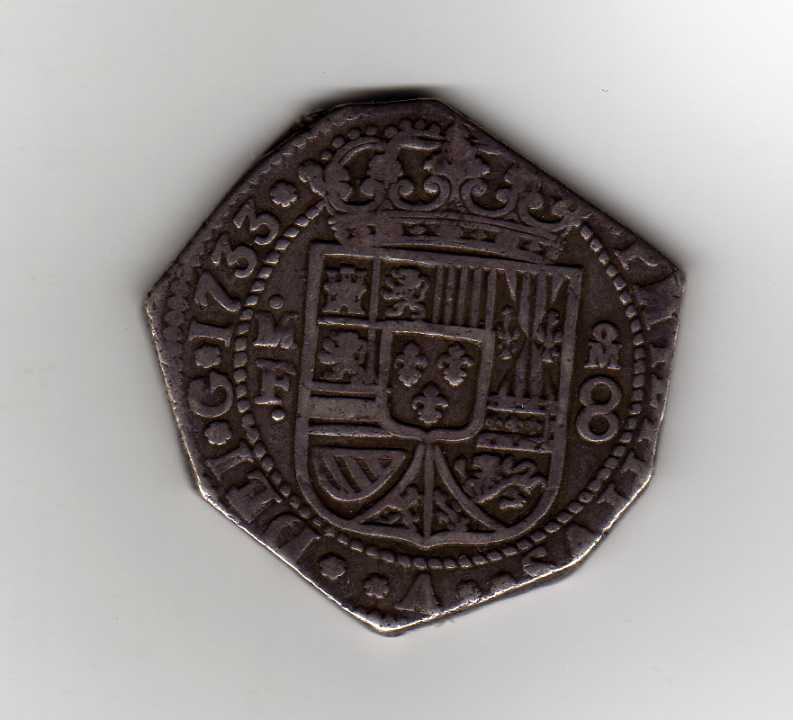 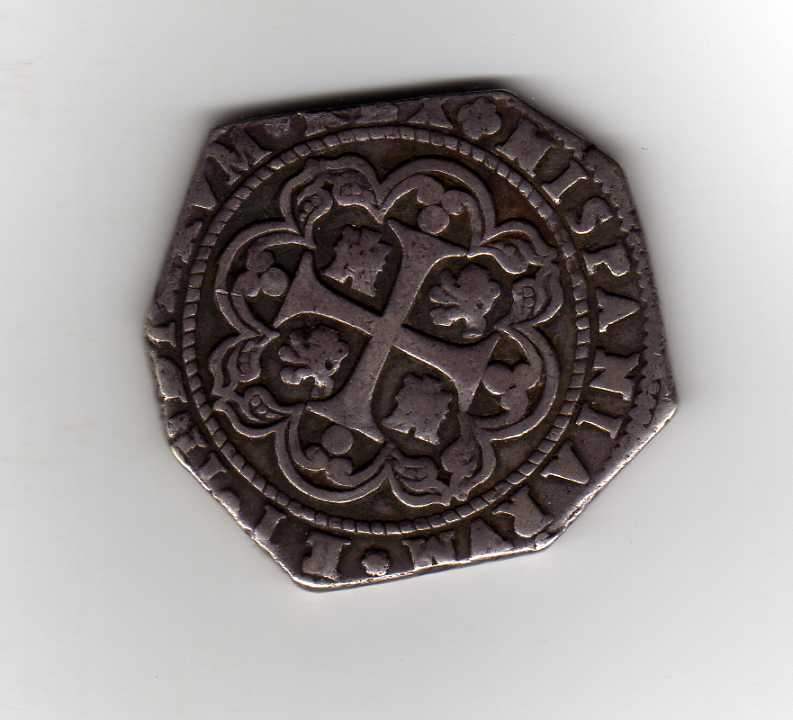 1734 over 33 Klippe 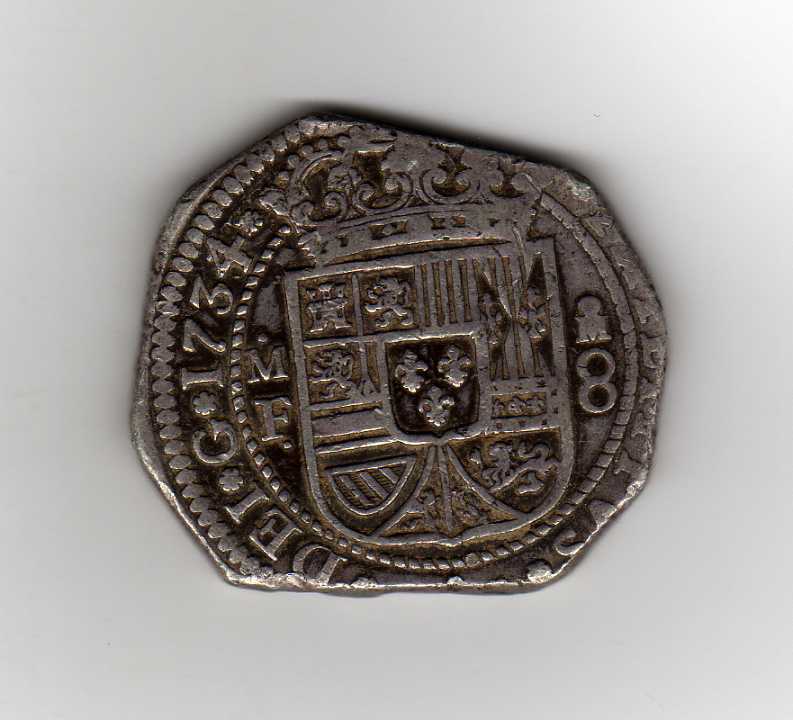 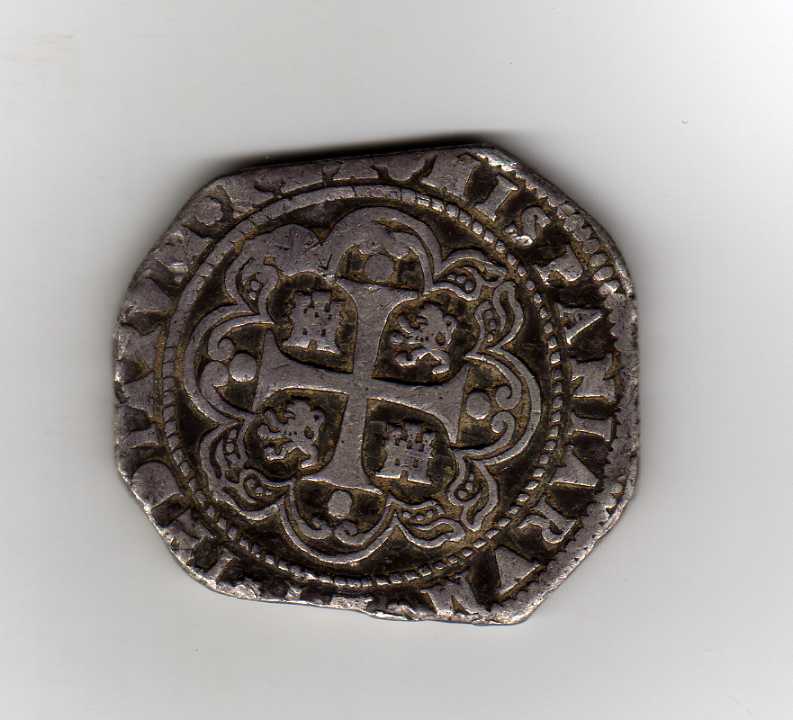 |
|
Pillar of the Community
France
1591 Posts |
jfransch : your 3 coins are amazing ! Two overdates, excellent details and much complete, not salvaged ... and for the old cob that bubble which is more common on those late Mexican cobs (I didn't saw that feature on other mints - I suppose they were not making planchets the same way) realeswatcher : did you saw the comment on that book by J. Proctor ? He is a reference in the field as well, and he got many points ... http://www.amazon.com/review/R1Z8B5...sThisHelpfulIs that reference the one which established the "class" of Potosi transitionals ? |
|
Pillar of the Community
United States
1962 Posts |
I think the Potosi 1652-ish transitionals were done by either Sellschopp, or when the Paul Karon collection was sold? RE: Proctor's Amazon review... YES indeed! I saw that a while back... that IS quite the professional pi$$ing match there! A good chunk of what he points out seems valid, some of it is nitpicky/editing issues. I imagine that anybody who is moderately interested in/knowledgeable on this coinage already (which is the market for such a book) will find much info useful and be able to weed out any errors/inaccuracies/BS on his own. As Proctor himself says, this is pretty much the only significant book in English focusing on this topic (Sellschopp, while still useful, is really too outdated to stand on its own)... |
|
Pillar of the Community
United States
1156 Posts |
I thought I would revive this thread because of all the nice examples that have already been displayed. Here's my 1733 klippe from the recent Soler y Llach auction. 26.24g. It retains quite a bit of luster although it appears to be struck from very worn dies, judging by the filled in letters and die cracks. I am not at all familiar with this type so your opinions are most welcome. 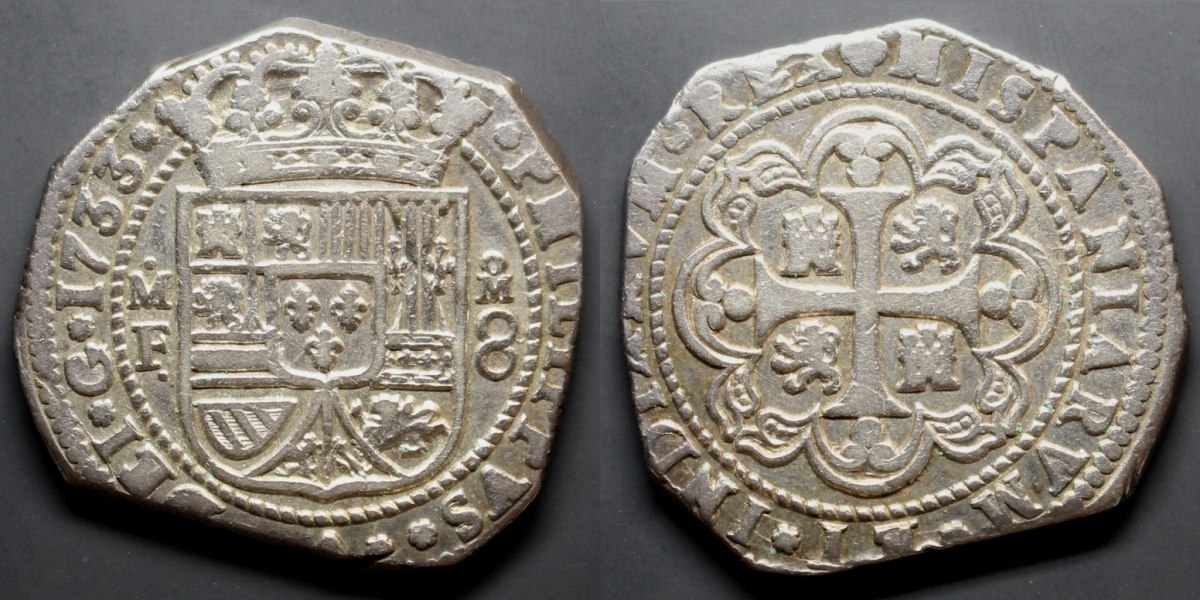 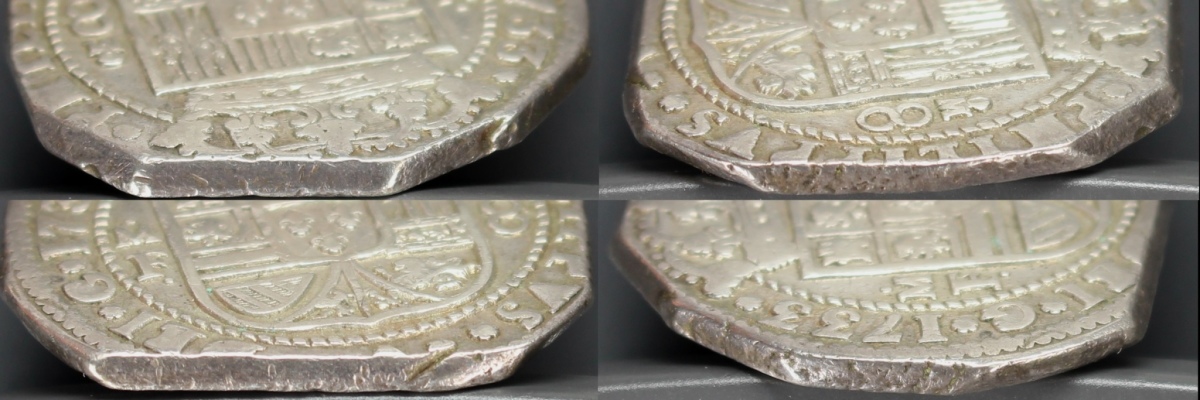 |
|
Pillar of the Community
United States
1156 Posts |
|
| |
Replies: 14 / Views: 13,168 |
|







 Posted 06/13/2013 12:39 pm





