











 Posted 08/29/2013 2:28 pm


I found a Mexican 10 centavo coin like this (1945M), but it's very subtle and probably wouldn't photograph well.
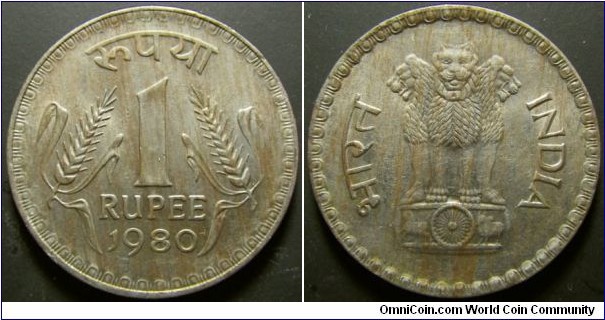
Copper-nickel is an alloy of copper and nickel, so at some point, the two metals need to be mixed. However, if they aren't mixed well enough, you will get a marbled effect (you can make marbled cake, and buy marbled cheese - same thing) as the two metals form ever finer layers without actually becoming homogenous.
With wood-grain pennies, I assume you get layers of copper and alloyed copper mixed in - certain years are more prevalent for this (in Canada, I've found 2 wood-grain 1991 pennies).
Quote:
So, what causes this type of streaking?
So, what causes this type of streaking?
Copper-nickel is an alloy of copper and nickel, so at some point, the two metals need to be mixed. However, if they aren't mixed well enough, you will get a marbled effect (you can make marbled cake, and buy marbled cheese - same thing) as the two metals form ever finer layers without actually becoming homogenous.
With wood-grain pennies, I assume you get layers of copper and alloyed copper mixed in - certain years are more prevalent for this (in Canada, I've found 2 wood-grain 1991 pennies).


