| Author |
 Replies: 10 / Views: 2,250 Replies: 10 / Views: 2,250 |
|
|
Pillar of the Community
Australia
1006 Posts |
|
|
|
|
Pillar of the Community
Australia
4411 Posts |
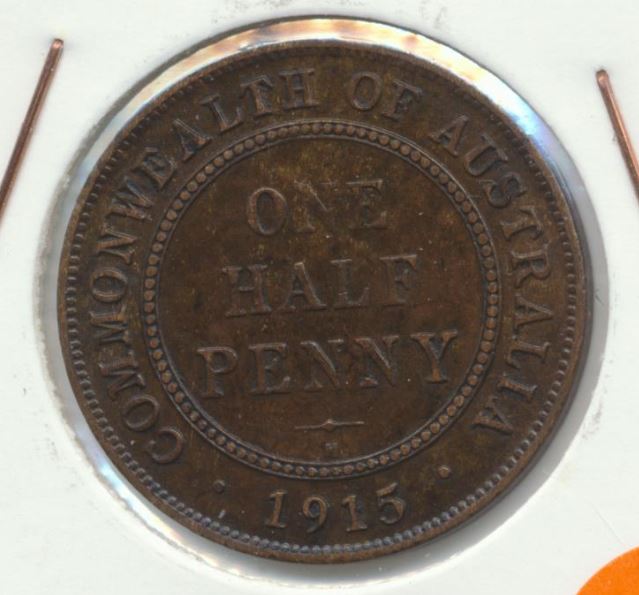
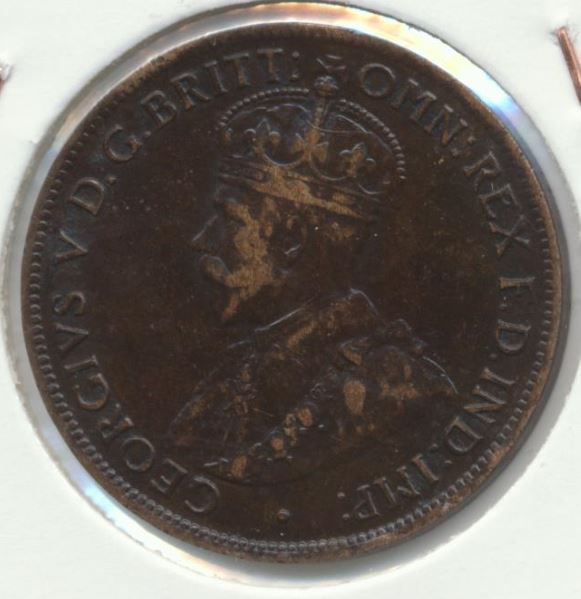
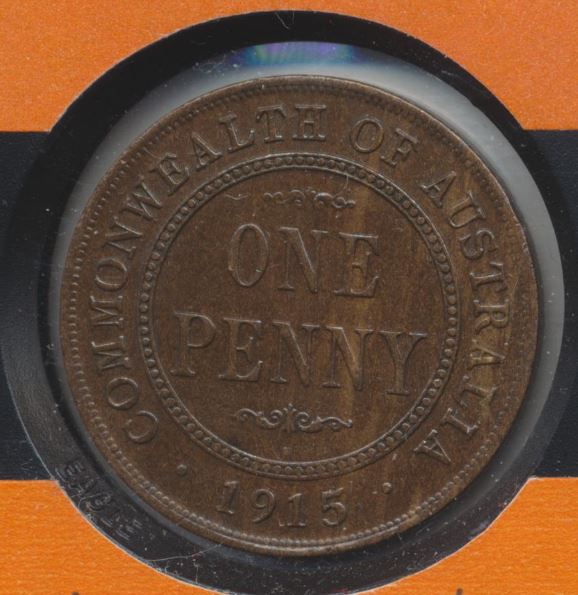
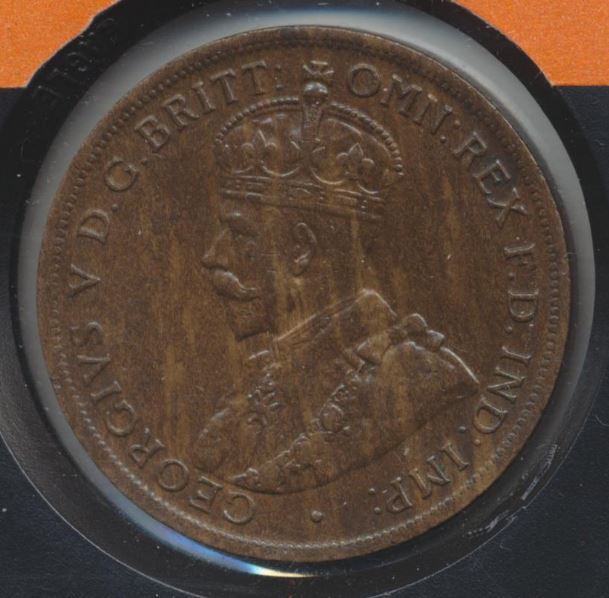
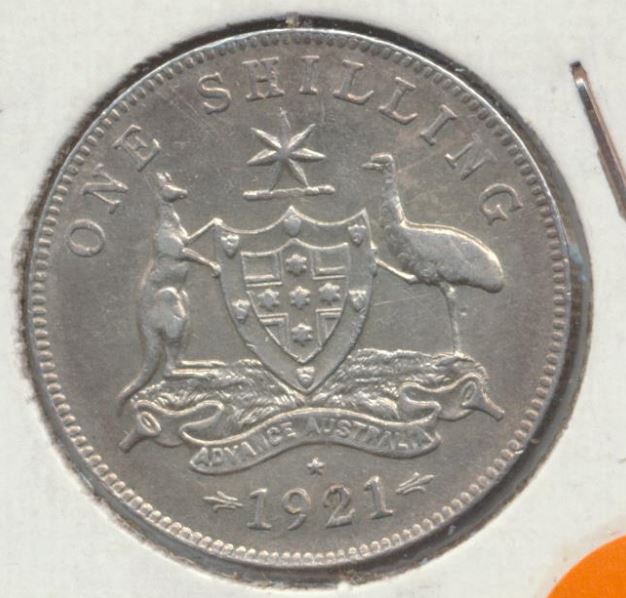
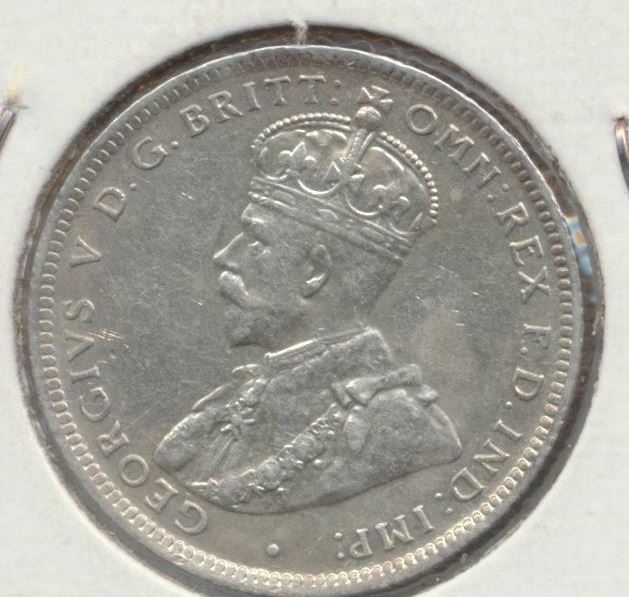
VF
gF
gVF
gVFobv/VFrev
gVF-aEF
Im not going to comment on cleaning because I'm not great at picking it.
Edited by enworb
09/01/2013 03:55 am
|
|
Pillar of the Community
 Australia
1006 Posts |
Thanks enworb they were offered as
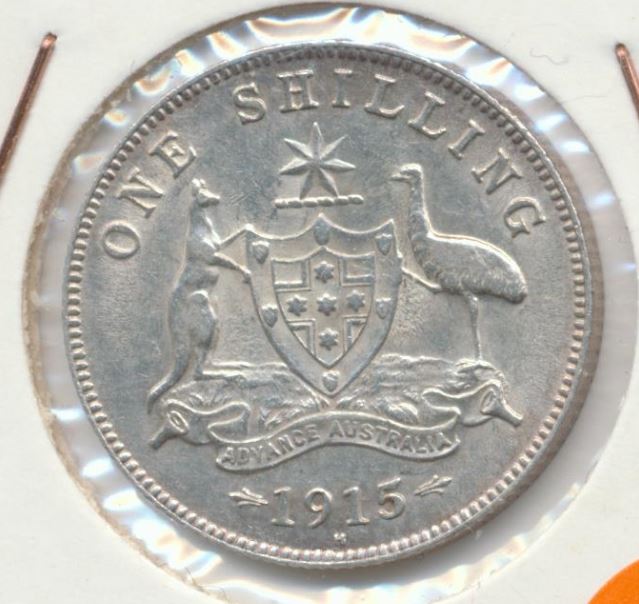
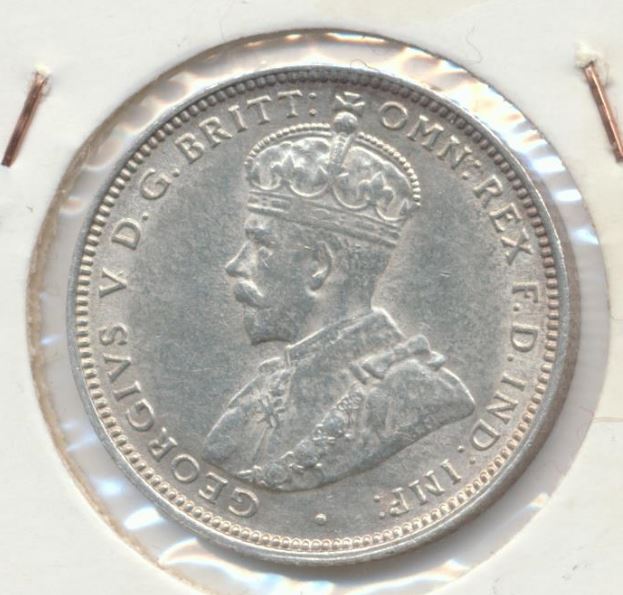
1915H shilling VF $625
1915H Halfpenny VF $400 (not sure on this price)
1915H Penny aEF/EF $225
1921* Shilling gVF $395
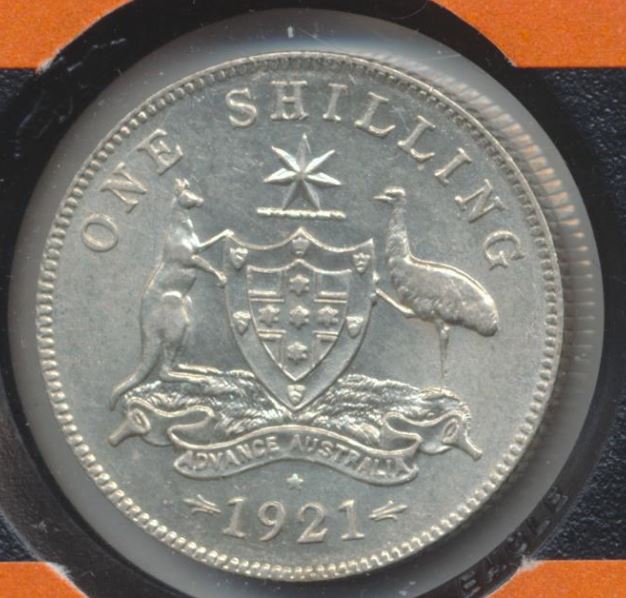
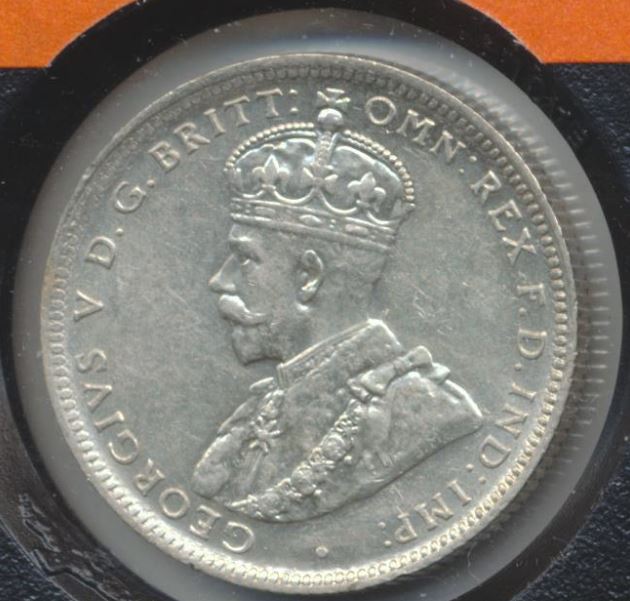
1921* Shilling EF $1250
Anyway just need a few oppinions on if they have been cleaned at the moment
|
|
Pillar of the Community
Australia
541 Posts |
All the silver looks to have been dipped.
|
|
Pillar of the Community
Australia
1006 Posts |
and just need an opinion on the following coin 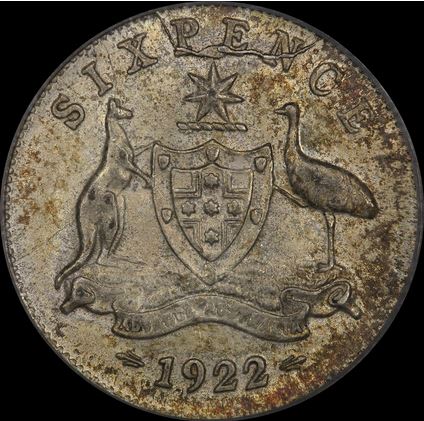 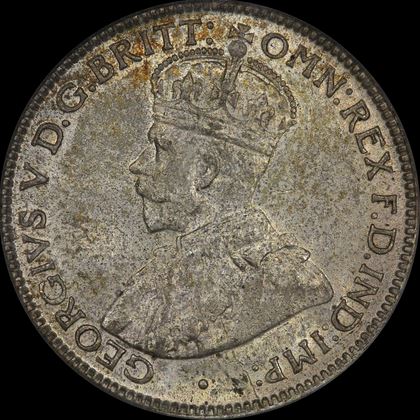 Otherwise thanks for the opinions enworb and wwwww |
|
Pillar of the Community
Australia
541 Posts |
It's original, I'll give it that - horrible strike, no doubt from a very late die state (note the die cracks).
Note the toning on the high points (emu, parts of the roo, centre diamond and 2nd set of pearls) - these indicate the coin has been touched. Those are the points you should be looking for wear - whether there is wear beneath these points will determine whether this coin is aUNC or UNC. The surfaces look remarkably clear so I'd be leaning towards the latter though it's impossible to say for sure from the photo due to the coin's poor strike and the photo not revealing anything about the coin's lustre.
It could be a very good buy, coins struck as poorly as this often get undergraded in Australia though most dealers are familiar with the strike characteristics of the 1922 sixpence to make appropriate adjustments to the grading (and if they aren't, there's a huge reverse die crack to remind them).
|
|
Pillar of the Community
Australia
541 Posts |
The more I look at the coin, the more I like it. Look at the obverse fields, other than the toning (the olive coloured spots occupying most of the upper half of the obverse) the exposed surfaces are the same colour as the surfaces within the legends. This is a very useful diagnostic method when judging from photos - it indicates the the reflectivity of the surfaces within the legends is the same as that within the fields. The fields within the legends of high grade coins are generally undamaged by wear/hairlines/etc so if they're both the same colour, it indicates the exposed surfaces are too untouched. Having such clear surfaces is a characteristic of a high MS coin, you'll never get an AU with such clear surfaces unless its a mishandled UNC coin - even typical UNCs rarely have such nice surfaces.
|
|
Valued Member
Australia
191 Posts |
It may have nice surfaces but it has clearly been struck from worn dies or weakly struck. Sure it graded MS64 but there is no way it is a Choice UNC coin by Australian Standards and worth $4k. A true collector wouldn't purchase this coin, rather someone just trying to upgrade their set registry. The toning is original and it has some nice die cracks but past that I wouldn't go near this coin for anywhere near four grand.
|
|
Pillar of the Community
Australia
4411 Posts |
That 1915 1/2d looks pretty nasty for $400. It looks like it had a lot of grime on it and has been soaked in olive oil.
|
|
Pillar of the Community
Australia
541 Posts |
Everyone has a different opinion of what quality is. For me surface quality is paramount - it indicates exactly how much damage the coin has received since production. Strike is the work of the mint, I wonder how can anyone judge a coin negatively just because the mint did a bad job in striking it? But that's just my opinion, I don't think it's fair to consider someone less of a 'true collector' just because they have a different opinion on what makes up a quality coin.
|
|
Valued Member
Australia
191 Posts |
What I mean by a true collector is more that I don't think someone who has a real passion for coins would purchase that coin for 4k, they would bide their time and wait for a nicer coin in the same grade (for a similar price) to come up. Then again that's more of my thinking as a collector, I like coins which are nicely struck and with nice surfaces (I'm pickier than most). Other than the PCGS grading I think if 90%+ of people looked at that coin quickly and without paying too much attention to how PCGS grade coins they would probably call it EF/aUNC or something like that, for the record I do think it is a MS63/64 coin by PCGS standards. I think a bad strike or struck from worn dies does make a coin less desirable (but again that's personal opinion).
|
| |
Replies: 10 / Views: 2,250 |
|












 Posted 09/01/2013 7:46 pm


