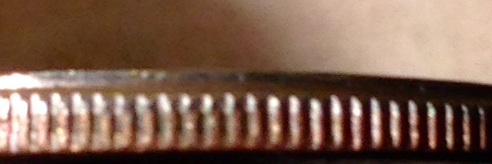
Ok so I found this half dollar in a bank box. I noticed a heavy rotation. After internet research I found most rotated die halves are fake. Then I noticed what looks like an extra layer of metal on a portion of the coins edge. I posted this coin for sale thinking it wasn't worth much. People are bidding on it like crazy! Makes me wonder bout its authenticity as well as what do I call it? I tried posting photos on here but I'm technology dumb and photos were too big or something. I will try again now but if you don't see any photos attached to this post you can see the coin by searching 1991 D Kennedy half rotated die error on ebay. Please look at this coin and give me any info. The auction is for 6 more days and I don't want to mislead buyers and I also don't wanna sale a thousand dollar coin for a few bucks! Thanks! Could only upload this one photo. Please see photos on ebay.
*** Moved by Staff to a more appropriate forum. ***
I believe the coin is only rotated about 80 to 85 degrees? About the photo, better wait for the experts. But it does look like it has a thin plating on it.
I've seen the rotated die fakes before. I accidentally turned loose of one of them but the other I still have. Funny, but I was looking at it yesterday and I accidentally dropped it on the table. It hit with a dull thud. I then dropped an unaltered JFK and it rang.
If you know what you're looking for, you can visually establish whether or not it's a fake error, but dropping it a few inches to land on a table will also help.
Ok some of this is helpful. But about the dropping the coin test... There are so many types of coin errors. Can any other type of existing errors affect the sound of a dropped half dollar? I know the different sounds because I actually am selling a two sided tales half dollar. I know it's not a mint error but still a cool coin. It's for sale on ebay too. Still at 99 cents. But it makes an obvious thud when dropped.
Also, I researched for quite some time photos of fake die rotations and what to look for. As far as my untrained eye can tell, it looks legit. But that one spot on the edge of the coin has a lifted piece of metal. I wonder if that's evidence of an altered coin or a collar strike type error to go along with the rotated die? Wow! I fear there is so much to know about errors that 31 is a late age to start. For every type of valuable error there seems to be two or three things that make it only seem like a valuable error. A good example is the hundred plus $ I spent on error and variety books. Read the books more than once but still confused on all the types of things that can look like a doubled die or rpm. I wish I had a pro coin grader in the family.
I have two quarters in my pocket and both have rims that show exposed copper like the Half pictured here. I kinda thought that was typical for clad coins, since almost all of them show it.
90 degrees of rotation (not the 180 you're claiming) is common on older issues; perhaps it's a lot rarer with Kennedys. Or perhaps they're reading your copy (180 degree rotation - which is called 'medal orientation' - would be interesting on any coin) and not looking at your clear images.
It sucks that people make fake coins. A month ago I was happy as a gnat at a barbecue when I was sold a 1896 Morgan dollar for $5 from a 70 year old man at a yard sale. The air was let out when I found out it was fake! Imagine how dumb you feel when you spend 5 real dollars for a fake one dollar. Anyone wanna buy a fake Morgan for $6? Ha ha it's an educational tool!
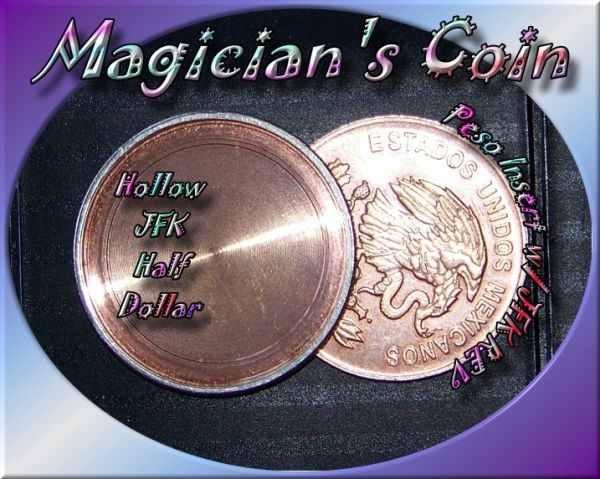
I have a feeling your coin, and others called "fake" are actually what is known as a Magician's coin:
here is a video
KrfeR0JMjY8
Since the insert can be put in in any rotational direction, these pieces can seem to be fake rotated dies. They generally sell for 10.00 or so on ebay.
Well it actually doesn't look like exposed copper. It appears as though the one portion of the tales side has extra metal on it because the edge is fatter in one spot of the rim. Was just wondering if that's where the error was faked. It's confusing because I read that counterfeiters remove one side of the coin and fit another piece of their own liking. Evidence of this could be confused for a collar error then. I'm not trying to be annoying with all this but I have been fooled with what I thought I was buying on ebay. I don't want twenty people competing to spend the most on a counterfeit error coin. I just opened my ebay account two days ago. Would surely be sad if first thing I sold was fake.
This is probable a Magician's coin. I have one that is made from a bicentennial obverse and a normal reverse with a british penny inside. If you cant get it apart, try to make 2 balls of duct tape and stick one to either side, then pull them apart and the 2 halves should come apart.
Disclaimer: While a tremendous amount of effort goes into ensuring the accuracy of the information contained in this site, Coin Community assumes no liability for errors. Copyright 2005 - 2026 Coin Community Family- all rights reserved worldwide. Use of any images or content on this website without prior written permission of Coin Community or the original lender is strictly prohibited. Contact Us | Advertise Here | Privacy Policy / Terms of Use








 I believe the coin is only rotated about 80 to 85 degrees? About the photo, better wait for the experts. But it does look like it has a thin plating on it.

 Posted 10/07/2013 3:32 pm