Quote:
Tom, I haven't got into hammered coins/ coins prior to 1800's
When I do, what is the best ways to spot a replica/ fake?
Gosh, that's a question! Well, firstly, replicas should be marked as such. After all, they are made for sale as copies. They will normally be of cheaper metal, which in most cases is lighter and therefore the replicas are thicker than a regular coin. Particularly in the case of hammered.
Fakes, well, that's another subject. There are a number of modern replicas of hammered coins that occasionally turn up on
ebay and elsewhere. Some are listed on the forgerynetwork website. Cast copies can be quite difficult to spot. Of course, with hammered coins, because each one is individually made then if you see two with identical quirks the alarm bells should start ringing!
Then there are modern coins from fake dies. Trevor Ashmore made dies in the 1960s and now his copies are themselves collectable! However most can be spotted by an experienced eye.
Worse are copies of popular series such as the Victorian 'Gothic' designs or later wreath crowns coming out of China. Usually made from decent silver and to the inexperienced eye quite convincing. However pretty much every example seems to have giveaway signs, so again, if you see two or more coins with odd marks, worth being wary.
Finally contemporary (ie at the time the real coin circulated) counterfeits exist for most coins. With hammered and things like the George III 'evasion' pieces, differences in the fine detail such as lettering or shield design can be a give away. But some are very good and, again, collectable in themselves! Usually the weight is incorrect, but until you actually have the coin that's not always helpful.
However, don't be put off. The number of fakes relative to genuine coins is still small. And if you have doubts then ask on here or other coin forums where people will be happy to help.







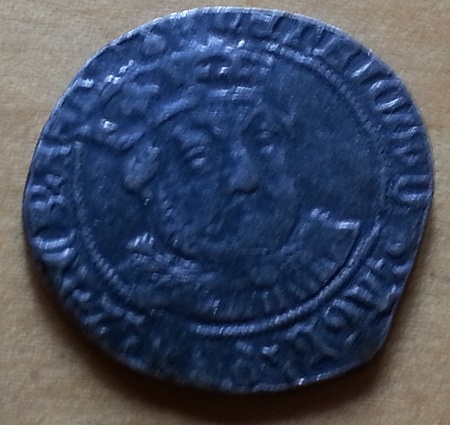
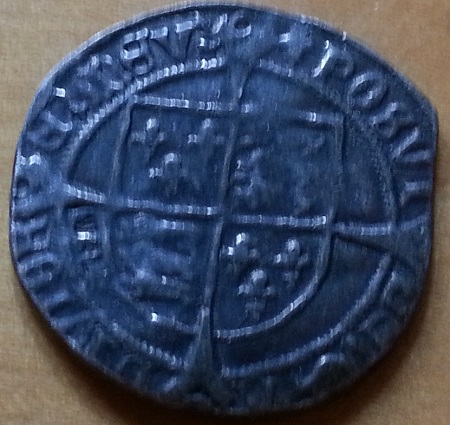 Any info is appreciated

 Posted 12/15/2013 12:00 pm





