| Author |
 Replies: 25 / Views: 3,951 Replies: 25 / Views: 3,951 |
|
|
|
Pillar of the Community
United States
5362 Posts |
kbbpll  I agree with you a rotated 4 and I see it as possibly a genuine coin - of course weight, SG (hard to do for a 2R) and XRF could prove the case.
|
|
Pillar of the Community
United States
1962 Posts |
I mean, who cares about the word, it is what it is, just look at it... but rotated is a different effect. Rotated simply means turned - this isn't turned, it's an flipped, inverted mirror-image.
|
|
Pillar of the Community
France
1591 Posts |
Here is the Calico page : 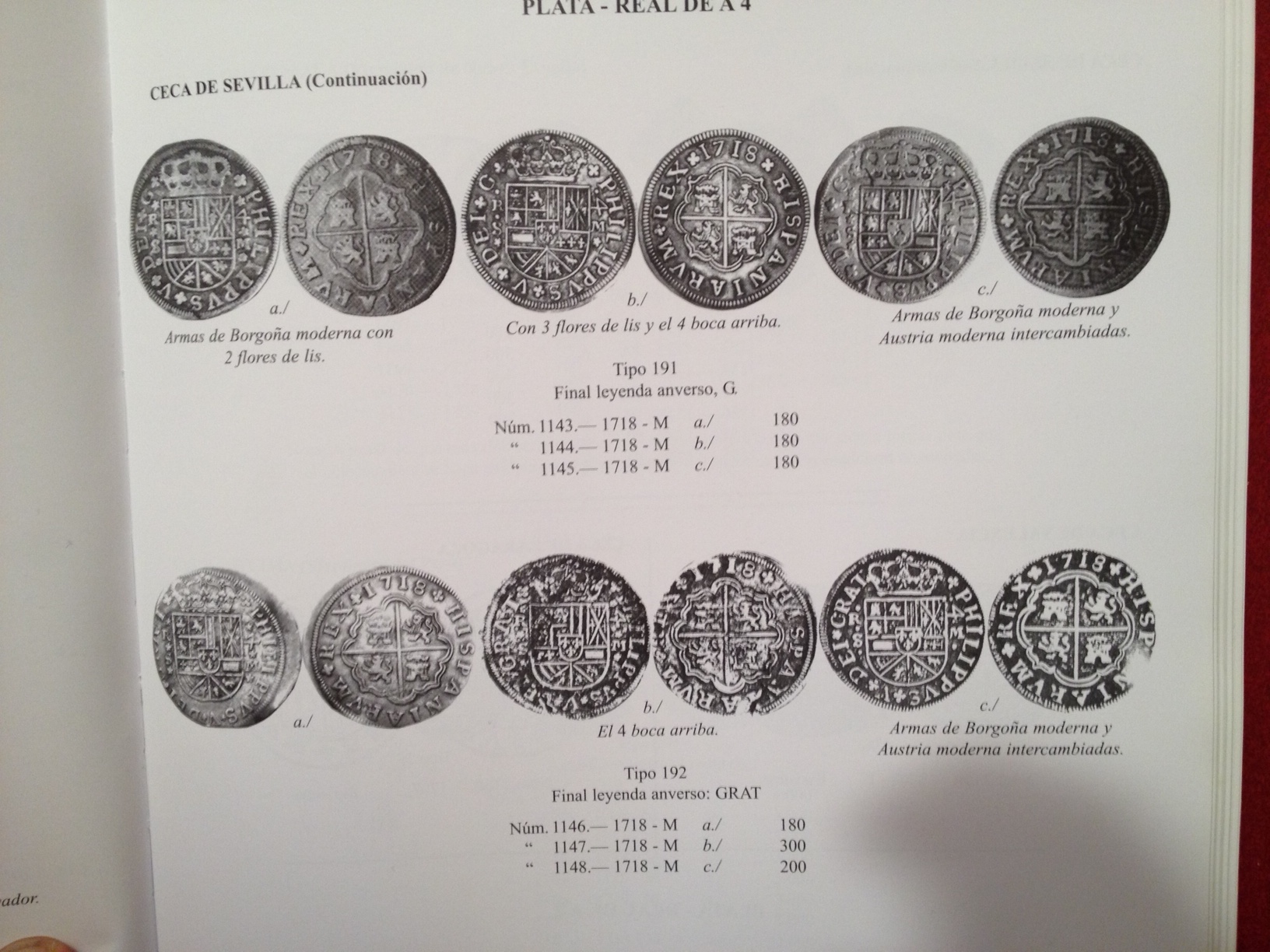 |
|
Pillar of the Community
 778 Posts |
Much appreciated.
Can I assume that the values are for coins in the condition shown, and in Euros?
(I had thought about getting this updated book but now wonder about doing so).
Regards,
Bill
|
|
Pillar of the Community
United States
4233 Posts |
First coin's 4: 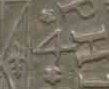 First coin's 4, rotated 90 degrees: 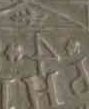 Second coin's 4:  Call it what you want I guess. It just looked to me like a plain rotation. Not trying to argue; I can see where it can also be perceived as something else. |
|
Pillar of the Community
United States
1962 Posts |
"It just looked to me like a plain rotation..."
This specific engraving variety (on the 1718 4R) IS always referred to in catalogues and at auction as inverted, or backwards... never rotated. Of note, some earlier shield-style reales (cobs) displayed the denomination in a 90 deg. "rotated" manner (running along the side of the shield)... though I've only seen that when they used Roman numerals, never with the Arabic numeral.
But now you have me thinking about it... yeah, if we look at it in K.I.S.S. terms, it could simply be a rotation.. and that might actually make more sense(?). Even IF an inverted/backwards "4" punch was produced "backwards" from the orientation they were intending... if you just rotate it, voila, you have (essentially) a correct "4"... then just proceed as planned. So unless they were kinda dumb and didn't think of that... perhaps it IS just a rotation, whether on purpose or in error. You might have to assume it was on purpose since it was sunk into several different dies, unless they made several dies all at once and made the same dumb error on all of them.
Interesting...
|
|
Pillar of the Community
United States
5362 Posts |
The KISS principle does apply because rotation of any punch is possible but calling it "backwards" would require a different punch. I think the older books are victims of their own imprecise use of terms.
|
|
Pillar of the Community
United States
4233 Posts |
I know absolutely nothing about reales except what I read on this thread and one or two others, in the past couple days, so keep that in mind. I merely noticed that the thick part of the right side of the horizontal line in the first coin seems to match with the thick bottom of the vertical line in the second coin. I didn't even notice that you could also flip the 4 180 degrees on its axis to get almost the same match. Being familiar with obverse/reverse die rotations on Canadian coins, I just assumed this was something similar... food for thought I guess. I had no idea these were always referred to as "backwards" or "inverted", but I bet nobody starts calling them "rotated" instead just because of me. :)
Edit: By the way, Google Translate seems to think "3 flores de lis y el 4 boca abajo" means "3 lilies and 4 face down", and "boca abajo" by itself translates as "prone". That makes more sense than "upside down", referring to the post by @dosmundos.
Edited by kbbpll
01/27/2014 10:05 pm
|
|
Pillar of the Community
France
1591 Posts |
Remember that everyone was not able to read properly back then. That's what lead to strange errors, like letters placed in the wrong position, or added / removed letters.
And most peoples were also not taking care on what was on the coin (but the overall look / weight)
Regarding the Calico, the prices are in Euro (the previous edition is in pesetas ... pretty useless) - and the price is an average price for a coin in good condition (usually as depicted).
This book is not a price guide, but lets you know the coin's average rarity (and value) - it doesn't care about grading (where you can have prices skyrocket for the Unc coins, and be affordable if you find a good deal or a more worn-out one). That's particularly true for scarce to very scarce coins, where the price is directly linked to the demand (actually the most expensive coins don't have a price)
|
|
New Member
Canada
1 Posts |
I'm a first-time poster. Thanks for posting the pics. I have the same coin; the Krause listing, KM# 309, calls it "4 in value retrograde".
|
| |
Replies: 25 / Views: 3,951 |







 First Page


 Posted 01/27/2014 2:33 pm





