| Author |
 Replies: 30 / Views: 5,013 Replies: 30 / Views: 5,013 |
|
|
|
Valued Member
United States
383 Posts |
I believe each coin is seen by two or three graders and a finalizer.
Some people will say try to get a coin upgraded at NGC and then send
it to PCGS for crossover. I have wondered if it is better to send
coins in raw or for crossover. If there is a bias because of the grade
other company gave it.
|
|
Bedrock of the Community
13014 Posts |
Crossover vs raw all depends on what the coin is. Crossover makes more sense for coins of significant value or coins just over a a big value jump. For instance if you have an ms 65 worth 1k but a ms 64 is a 300 dollar coin you would want to do a crossover since you still have the ngc 65 if pcgs says its a 64 and vice versa. If you have a 5 or 10k coin most people wouldnt risk cracking that out either simply because things can happen and if you scratch it in the process well thats not something youd forget about anytime soon.
Raw does have the advantage of giving them a better look at the coin though. I'm almost positive crossovers are graded in the slab so any scratches on that will make it harder to see the coin. The labels are supposed to be covered but for coins that wouldnt be at the nicer end of their grade their likely is some we grade harder bias that goes into it for all of them.
Something like 30-40 percent of cross over submissions successfully cross. Its not impossible, but if youre trying to cross at the high end of a coins grading scale or its top pop/what would be a new top pop it better be an exceptional example.
|
|
Pillar of the Community
United States
5230 Posts |
I sent these 2 coins in together. I had posted here: https://goccf.com/t/165427 and questioned whether sending them in together would throw up a red flag or add credence to their legitimacy. As for ANACS the only coin I was disappointed with the grade but cannot disagree with the results since I found it in a roll and don't know the history of the coin is my 1892S Barber half. 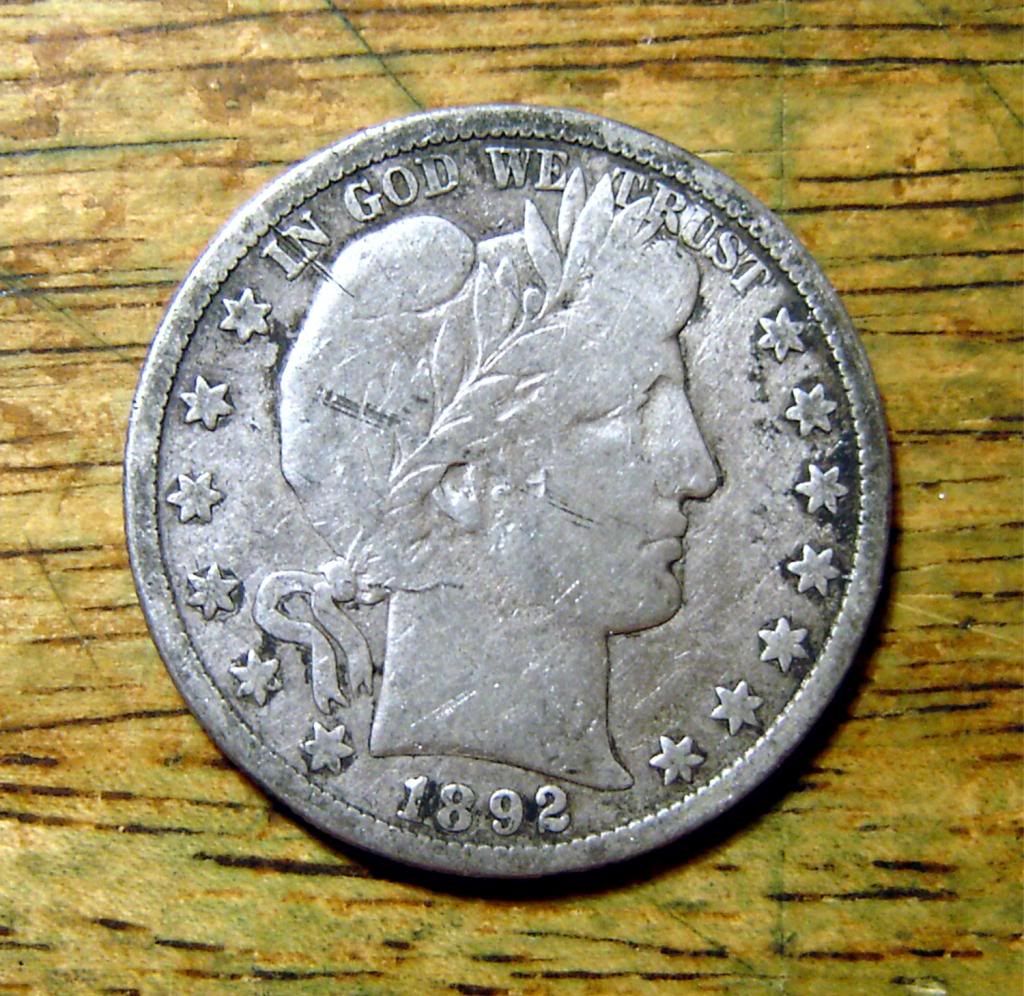 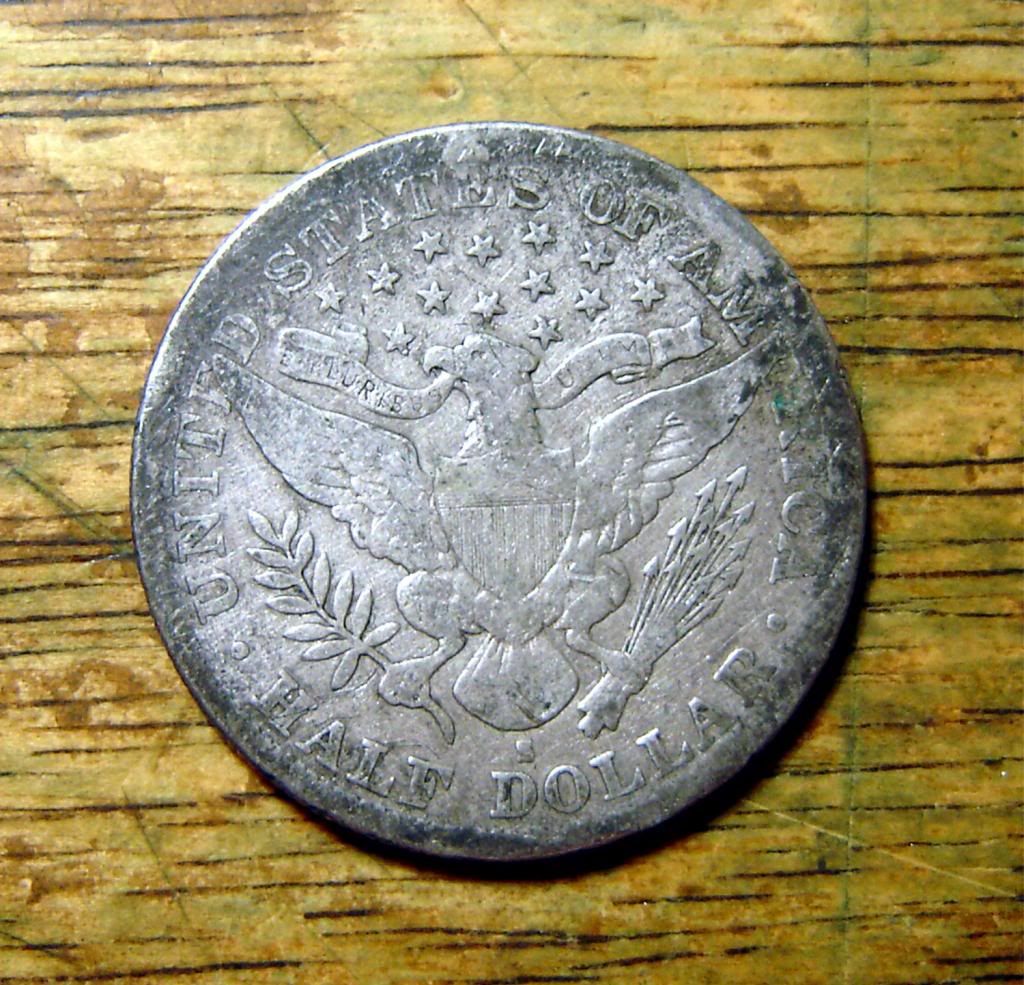  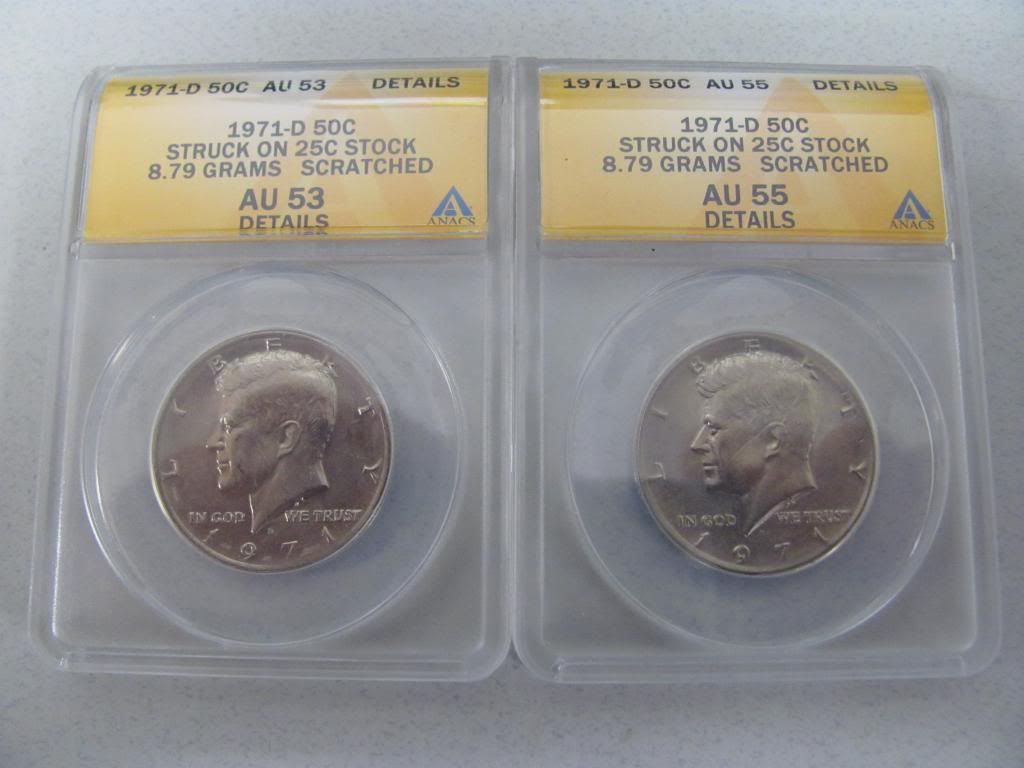 |
|
Pillar of the Community
Australia
852 Posts |
The graders might be experts in identifying US coins, but on other countries they are novices. No point them getting the grade right if they are grading a fake (like NGC did to a fake Australian 1923 halfpenny that Heritage pulled. Or getting the grading right when they get the variety wrong (most 1920 no dot pennies in NGC slabs are mislabled, PCGS not much better). They also don't recognise that foreign bronze coins have a different colour to US copper. Australian pennies can be naturally rainbow toned (especially Perth Mint)and they get downgraded because of that. |
|
Valued Member
Australia
135 Posts |
Because of this thread I went looking for videos from NGC and PCGS on their grading process and was roundly impressed by both. I'd urge ANACS to do a similar video. Really interesting to see the process they go through.
|
|
Pillar of the Community
2087 Posts |
DVcollector.
I Have seen the poor showings the main TPGs make at coin fairs in Europe. The TPGs, to break into world coins properly, are going to have to adopt local grading systems and produce slabs in local languages. To do that they are going to have to create grading equivalency tables....when that happens ( which the TPGs wont like) American collectors will be shocked to see a MS grade covers a range of XF- Aunc when compared to other systems. I personally don't think the TPGs will ever be able to effectively grade world coins.
Currently the TPGs, IMHO, are like an electronics manufacturer who decides they can sell appliance made for the US electrical system ( 110 volt isn't it?) to Europe(230 volt system) and then wonders why they aren't making a profit.
|
|
Bedrock of the Community
13014 Posts |
Quote:
then wonders why they aren't making a profit. If you really want to know if its profitable or not the financial filings for PCGS will tell the story. Theyre a publicly traded company under the US symbol of CLCT. PCGS has shown considerable growth the last two years since opening the offices overseas so either that "drying up" US market is exploding or they are making money outside the US. Its been some where around a 25% increase since 2010. NGC is still privately owned so they dont have to disclose anything, but browsing around the population reports for either would give some idea of volume. As long as they arent making a lot of payouts it doesn't take massive amounts of submissions to be profitable. PCGS Asia seems to be doing just fine in its infancy, the Europe website had way to many subsections of subsections of subsections of coins for me to spend more than a minute clicking around. If I had to guess from clicking around Asia seems to have had a better initial launch. There were so many European subsections I have no clue if I was looking at circulation pieces or commemorative or what, so I would doubt that I ended up looking at comparable sections. That said if you made me pick one Id still guess Asia has had more success. |
|
Pillar of the Community
2087 Posts |
.......then wonders why they aren't making a profit in Europe
|
|
Bedrock of the Community
13014 Posts |
I dont know if they are or not, but I believe their next quarterly report comes out on the 6th according to the stock quote websites. Their Europe office is in Paris, I dont read French but they may have to file something there as well if anyone does. I assume at the very last theyd have to do some sort of yearly tax reporting there.
|
|
Moderator
 United States
23522 Posts |
Quote:
I Have seen the poor showings the main TPGs make at coin fairs in Europe. The TPGs, to break into world coins properly, are going to have to adopt local grading systems and produce slabs in local languages. To do that they are going to have to create grading equivalency tables....when that happens ( which the TPGs wont like) American collectors will be shocked to see a MS grade covers a range of XF- Aunc when compared to other systems. I personally don't think the TPGs will ever be able to effectively grade world coins. I don't mean to be contentious, but the World needs to come around to the idea that "Almost Uncirculated" means a coin which has circulated. That's kind of self-evident, y'know? I'm all for the much tighter grade standards used elsewhere for circulated coins, but if a coin has not circulated I'm not going to say it has. That makes a mockery of the terms and grade numbers used. |
|
Valued Member
Australia
135 Posts |
I'd love to see a PCGS, NGC or ANACS branch in Australia with some Australian coin specialisation skills. The postage from the US including insurance is murder. My latest submission for postage and insurance alone is $135. I'd even be happy with a recognised TPG here in Australia apart from one of those. I can't see it happening though. |
|
Bedrock of the Community
United States
17884 Posts |
Define "recognized". There have been two different TPG's in Australia so far (both now out of business as far as I can determine.) If you mean competitive world wide with PCGS or NGC, it isn't likely. If you mean widely accepted in Australia for Australian coins like ICCS and CCCS are in Canada I can't see why that couldn't happen. |
|
Bedrock of the Community
United States
10045 Posts |
Quote:
American collectors will be shocked to see a MS grade covers a range of XF- Aunc when compared to other systems. I personally don't think the TPGs will ever be able to effectively grade world coins. I agree there could some serious disparity between what a USA-based TPG might grade a coin, and the grade collectors in that country might give. My knowledge of the grading systems in Europe is limited to Scandinavia, where an "0", ie UNC coin needs to meet the same general criteria as for the US Sheldon system MS. So maybe you can help me understand grading situations where this isn't the case?  My general observation from frequenting forums is that American collectors are rather strict on grading US coins, but much more forgiving on 'foreign' coins. It's natural, really--we're best at what is most familiar to us. I also agree that US TPGs will have a very tough time breaking into the world markets--unless they open offices in those respective countries and hire local experts to do the grading. That's the only way TPGs could bring some real insight into their slabs. A cursory grade by a US-based firm isn't going to mean much. Edited by DVCollector
02/07/2014 3:08 pm
|
|
Valued Member
United States
324 Posts |
Ed, that is a very good question. But,how do you know they graded your two coins in that particular order?
"Broken down into seconds, a top lawyer doesn't make that much" But the grader's work is more important than the dickering around of a lawyer. :)
Since they are pros, I don't think they have much emotion about it. They tune that out.
I have always wondered about PCGS and their big deals with big clients being lenient on grades for the huge customer coin dealers. It is a corporation that sells its stock on the exchange and is very worried about the quarterly reports to excite investors and their board. Perhaps I am a little paranoid but I know alot about business strategy
|
|
Pillar of the Community
 United States
7379 Posts |
Good question. I think someone asked the same thing up-thread. My answer was that I don't actually know, but was just figuring that in an orderly place like a TPG company, the coins might be looked at in the order they are listed on the form. |
| |
Replies: 30 / Views: 5,013 |





 First Page


 Posted 02/01/2014 8:43 pm


