| Author |
 Replies: 17 / Views: 2,573 Replies: 17 / Views: 2,573 |
|
Bedrock of the Community
United States
11951 Posts |
From advice on here, thought I would try a restore to see if I can improve this coin. Hoping to get some opinions on if I helped or hurt it. Should I try something else or stop? I have some before and after pictures, but they were not taken under the same condition. The different light sources make the coin look different. Start picture 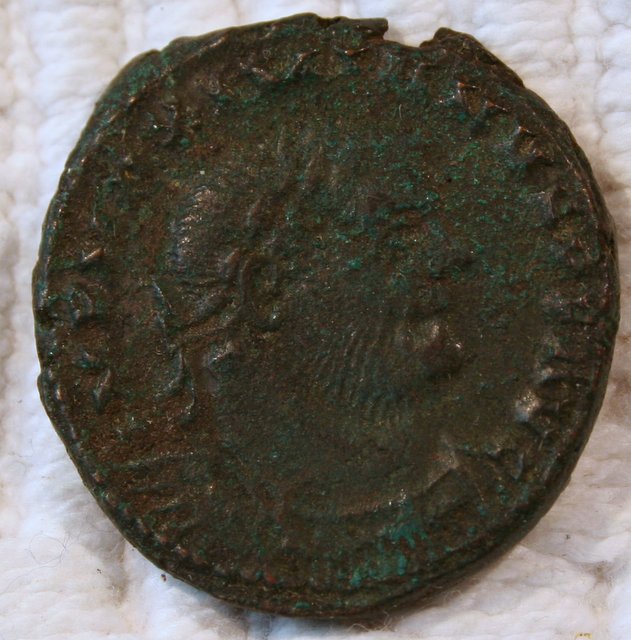 After 10 minute ammonia soak 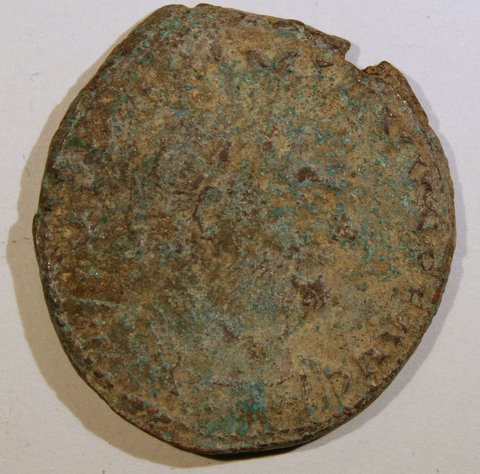 After verdicare 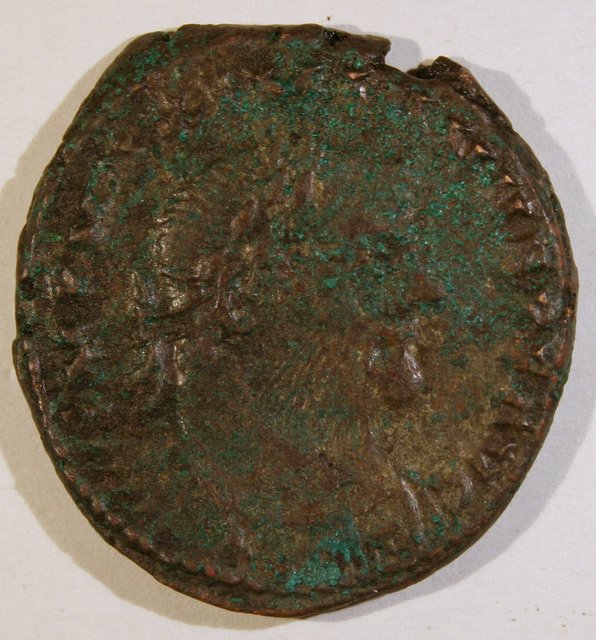 reverse pics 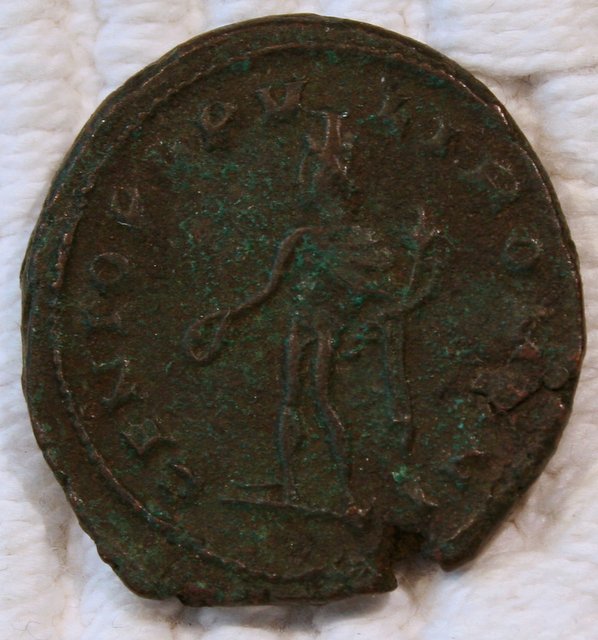 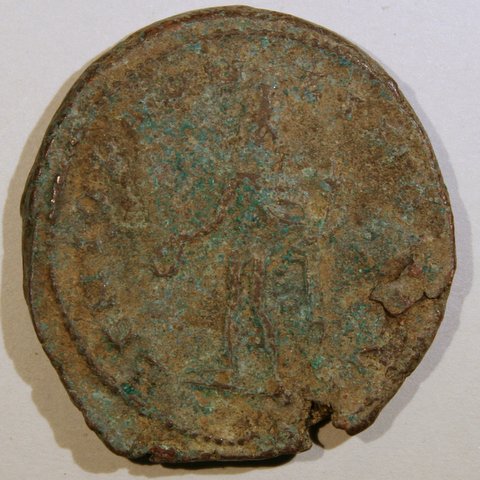 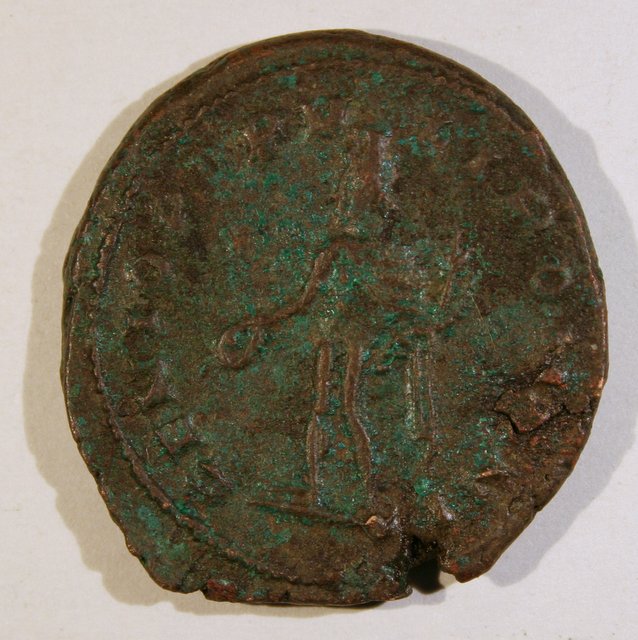 |
|
|
|
Moderator
 United States
23731 Posts |
I liked it better un-cleaned.
|
|
Pillar of the Community
United States
3497 Posts |
I would say that the results were good although perhaps less than desired.
Some traces of silver wash seem to have been revealed on the obverse fields and possibly on the bust too.
Photographing these types of coins can be a real challenge. A dark background I feel is best for my own pics although I have sometimes seen excellent pics with light background. Multidirectional lighting can be very good too.
Either way I feel that some improvement was achieved and no harm done.
Best of all it is well worth much more than you paid ! Thirty dollars would be a very reasonable price for what I still believe to be an early London issue
|
|
Pillar of the Community
United States
4778 Posts |
I'm with echizento on this one. It looked better uncleaned.
|
|
Pillar of the Community
United Kingdom
3626 Posts |
I would not have put this coin into ammonia I would have used distilled water and given long soaks with brushing periodically. Takes longer but better results I think.
|
|
Pillar of the Community
United States
3497 Posts |
The difficulty with removal of surface material on this type of coin is while soaking and "brushing" will remove much of it very safely it will almost certainly take off all the remaining silver wash. Choices need to be made. Personally I feel a small improvement was made by revealing the silvering. The patina remains intact albeit now a lighter coloration which does not show well in the pics. The real test is how it looks "in hand".
|
|
Pillar of the Community
United Kingdom
3626 Posts |
FR if I discover silvering, I use a very sharp scalpel to remove the surface dirt. Very slight pressure sometimes fractures the dirt allowing it to fall away leaving the silvering behind.
|
|
Pillar of the Community
United States
3497 Posts |
Pish you are much braver than I ! I have heard Ben say he has used 'sharp' pins to pick away encrustation. Personally I never use any tool sharper than a bamboo skewer or a finger nail to rub the surfaces. I have adjusted the contrast somewhat and otherwise darkened the shadows. I think it looks better and the silvering is more widespread than I thought. 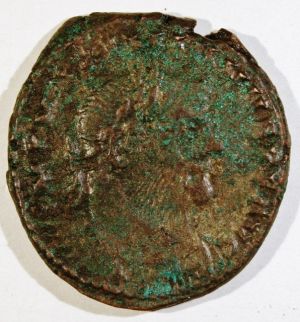 But ...... to each his own ! |
|
Bedrock of the Community
 United States
11951 Posts |
I just don't seem to be able to get a good picture of this coin. But I did try. I think this one shows the silver better 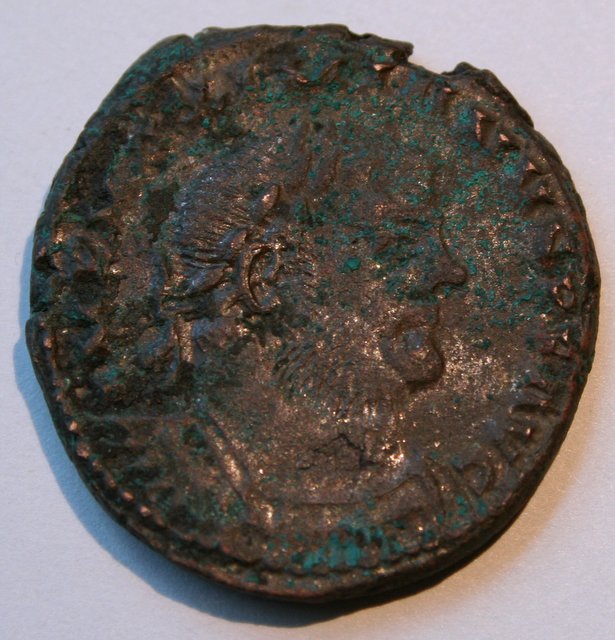 |
|
Pillar of the Community
United Kingdom
4208 Posts |
I do indeed use a sharp steel pin to clean coins. They start a bit too sharp for an application like this - I usually dull them a bit before Id try having a go at that.
It looks like a fairly alright job - you could do more on it. Id take a toothpick and work at the darker encrustation behind the head. YOu might have luck fracturing it - sometimes it will just fall off in clumps.
|
|
Pillar of the Community
United Kingdom
3626 Posts |
I would not suggest that anyone new to cleaning attacks their coin with a scalpel! If you are really serious about learning to clean coins, then slow and steady is what you are after. Eventually, you will know when to progress to the more lethal tools :)
|
|
Pillar of the Community
United States
993 Posts |
I only use an illuminated stereo microscope when using a scalpel to clean coins.
|
|
Pillar of the Community
United States
3497 Posts |
More pics of one coin than I can remember ! One last go .... Little bit o' brightener and a 'dash' of contrast. 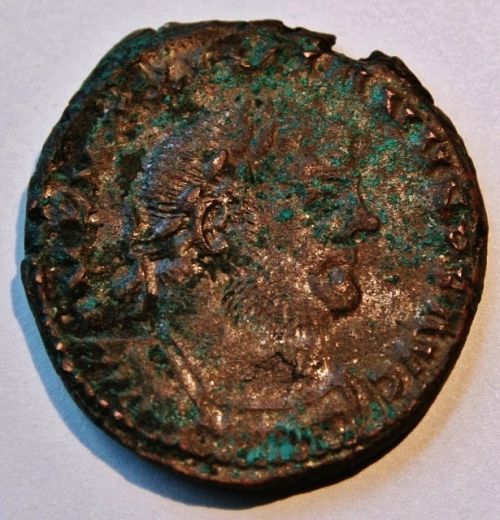 Original pic brightened 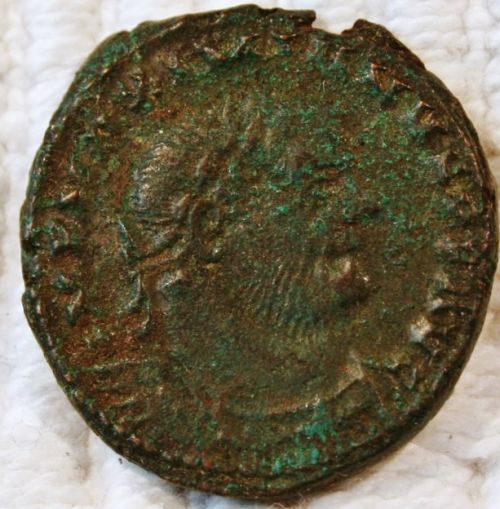 I believe Ben is correct about the dark 'stuff' behind the bust, although I feel a bamboo skewer is easier to manipulate than a toothpick. Some of these crusty pieces may well flake off. Try soaking in olive oil for a few days to soften then up. Edited by FVRIVS RVFVS
08/06/2014 5:35 pm
|
|
Bedrock of the Community
United States
11951 Posts |
Thanks for all the replies .. positive and negative. I purchased a couple of these coins cheap .. knowing I wanted to see what it was like trying to get the green off. I did not want to hurt the coins .. and do know I was being more aggressive than I should for just starting out with ancient coins. I have cleaned many modern coins  I do think I am getting to the point where I don't want to do any more to this coin .. that might hurt it more. Will olive oil have any negative effect on the coin? |
|
Pillar of the Community
United Kingdom
4208 Posts |
Olive oil is pretty safe. ITs slightly acidic, which is what does the cleaning, and darkens coins over time (if you have a green patina, clean it with DW).
I dont clean silver with it, and it may tarnish silvering, so id recommend using distilled water and extra patience.
|
|
Pillar of the Community
United Kingdom
3626 Posts |
You never really know what a toothpick is made of. I recently bought some bamboo canes, the ones I thought we had turned out to be willow and no good for coins.
I have a stereo microscope, like binoculars on a long stem, and I use a halogen lamp to light from the side. It works well enough for me. I also recently got a USB microscope, very handy for identifying coins but not for much else. Any beginner, I would suggest starts with the distilled water and toothbrush,and works their way up to more dangerous methods, they will know when they are ready (hopefully). There is no substitute for patience.
|
| |
Replies: 17 / Views: 2,573 |










 Posted 08/05/2014 11:54 pm


