| Author |
 Replies: 13 / Views: 2,918 Replies: 13 / Views: 2,918 |
|
|
Pillar of the Community
United States
4809 Posts |
|
|
|
|
Pillar of the Community
United States
602 Posts |
I dont think it is PMD, but I'm not sure. I've never seen anything like that before |
|
Bedrock of the Community
United States
62064 Posts |
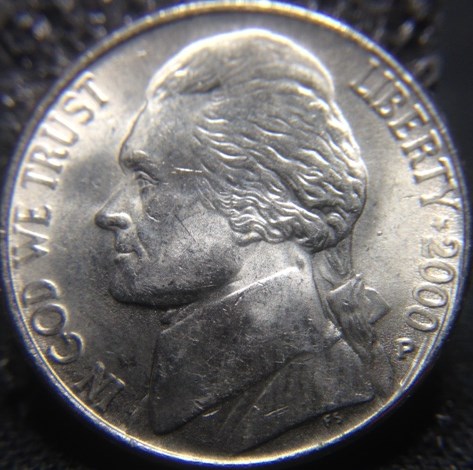
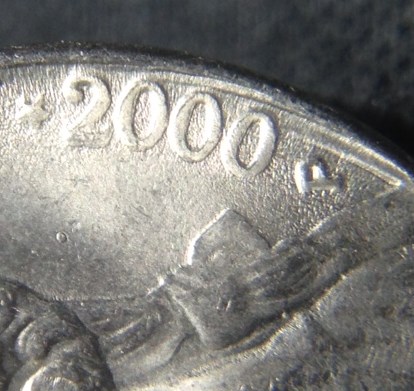
The looks like a die dent. Possibly one die was dropped on the edge of the die that made your coin. Thus leaving an indentation in the die, but a raised area on the coin. I would keep that one. Not much of a premium for it, just something neat to show a new collector.
|
|
Pillar of the Community
 United States
4809 Posts |
Thanks folks. I was wondering if it was some kind of die clash but that wasn't making sense. The raised area seemed to follow the arc of the rim but I thought the rim formed when the dies and collar worked together at the moment of coining.
I will set it aside though as it's one worthy of a 2x2 flip and further discussion. I appreciate the input!
|
|
Pillar of the Community
United States
2824 Posts |
Very cool... interesting find!
|
|
Pillar of the Community
United States
4809 Posts |
Indeed Ocala - one of those different anomalies that keeps me interested in the hobby. It could be the result of something common or not. It's great to have a forum like this to tap into a breadth of knowledge and information. Cool stuff!
|
|
Bedrock of the Community
United States
62064 Posts |
Well looking at this one again, I see evidence of two die dents. 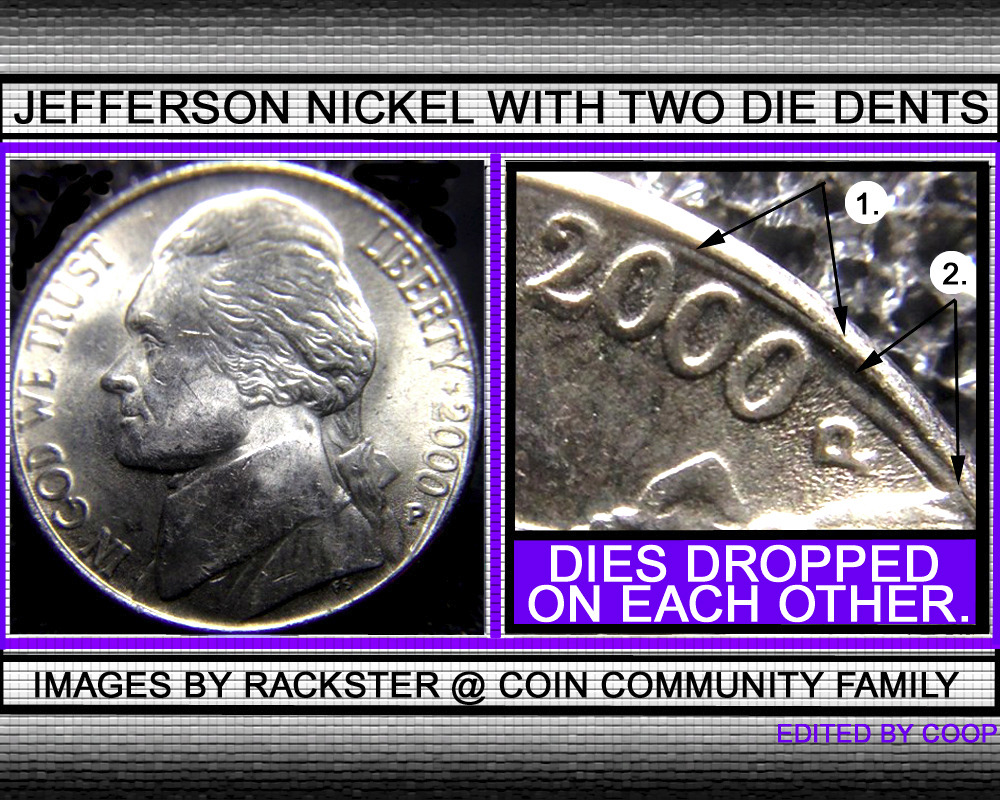 |
|
Pillar of the Community
United States
1915 Posts |
|
|
Moderator
 United States
56855 Posts |
|
|
Pillar of the Community
United States
4809 Posts |
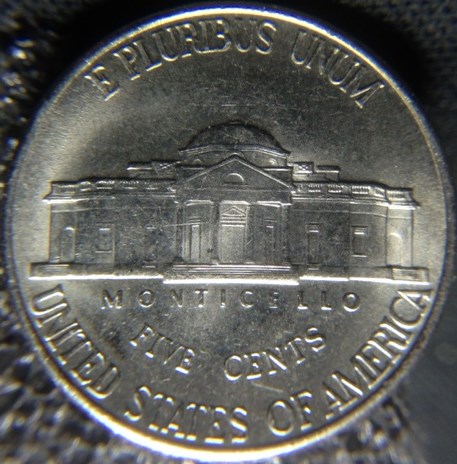
Looks good framed Coop - thanks!! I took another look at the coin tonight and I can make out a third witness mark over the 20 of 2000 blending into the rim itself. It's most noticeable in the second picture I posted. Reverse looks to be MDS but the obverse seems LDS towards the rim details, but better around the bust.
When do you suppose the die dents occurred? In the annealed state? From a drop or perhaps because of the parallel symmetry, when it was capture/constrained/retained by something?
|
|
Bedrock of the Community
United States
62064 Posts |
Keep in mind the fields are the outside part of the die. A tap/bump/drop from another die can make the die dent. 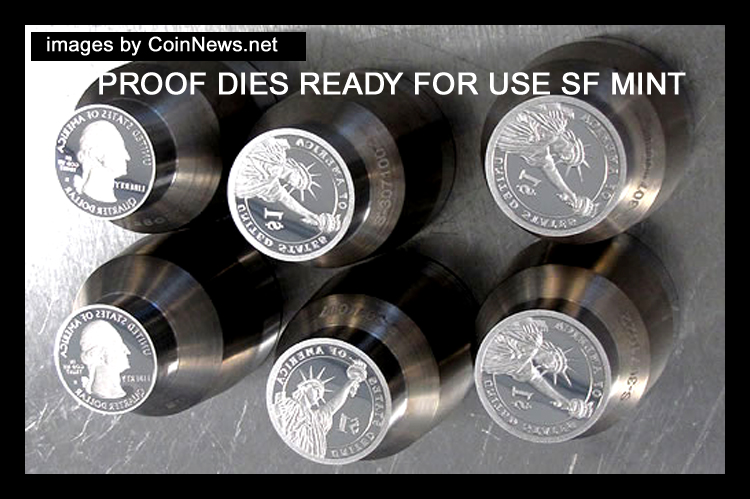 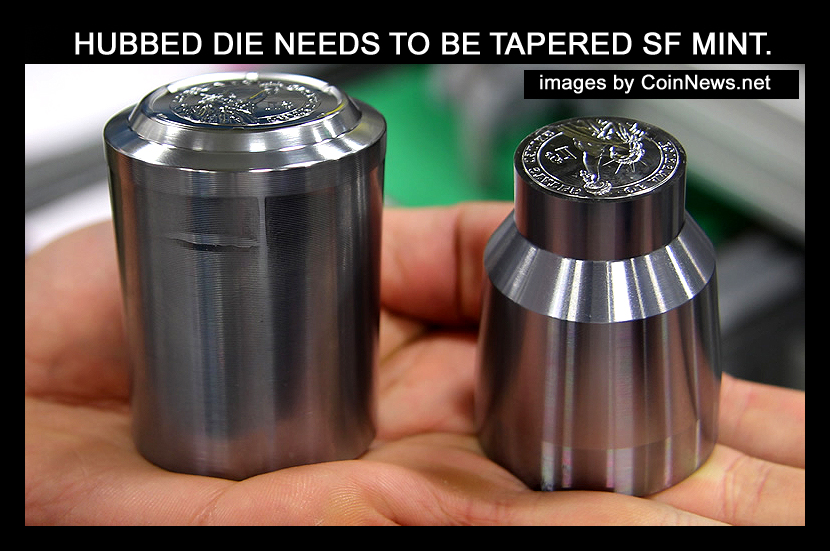 Edited by coop
09/05/2014 09:54 am
|
|
Pillar of the Community
United States
2775 Posts |
Being uncertain of year the mint switched Obverse and reverse, hammer and anvil die positions. Thought I read that here in a past post. So just asking can a collar clash play any roll in creating a die dent of sorts?  Thanks, Doug. |
|
Bedrock of the Community
United States
62064 Posts |
I saved a Quote from Mike Diamond about this for cents. Quote:Mike Diamond on reverse MAD coins: Since the middle of 2005, all Lincoln cents have been struck with inverted dies (reverse die as hammer die). Therefore, any MAD errors are to be found on the reverse face. Also, between 2002 and 2005 the vast majority of cents were also struck with inverted dies. Some US coins have been struck with inverted dies since 1992. Adoption of this setup was an ongoing, incremental process. On the MAD coins, the die strikes the collar because of the misalignment of the hammer die. This causes die attrition that removes part of the devices on the outer edge of the die. They coins start to show damage that is passed to the coins. 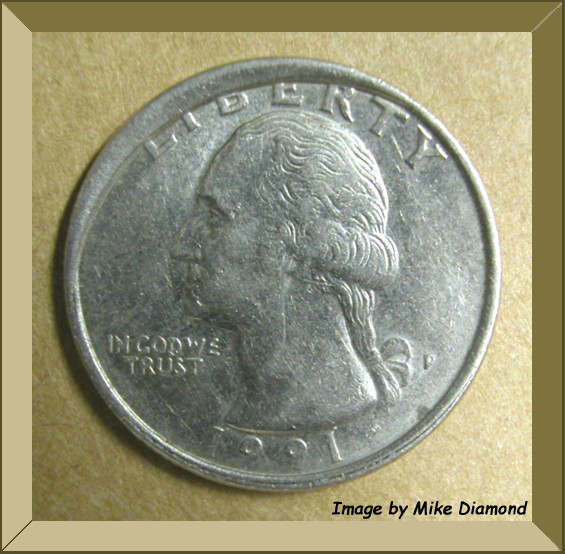 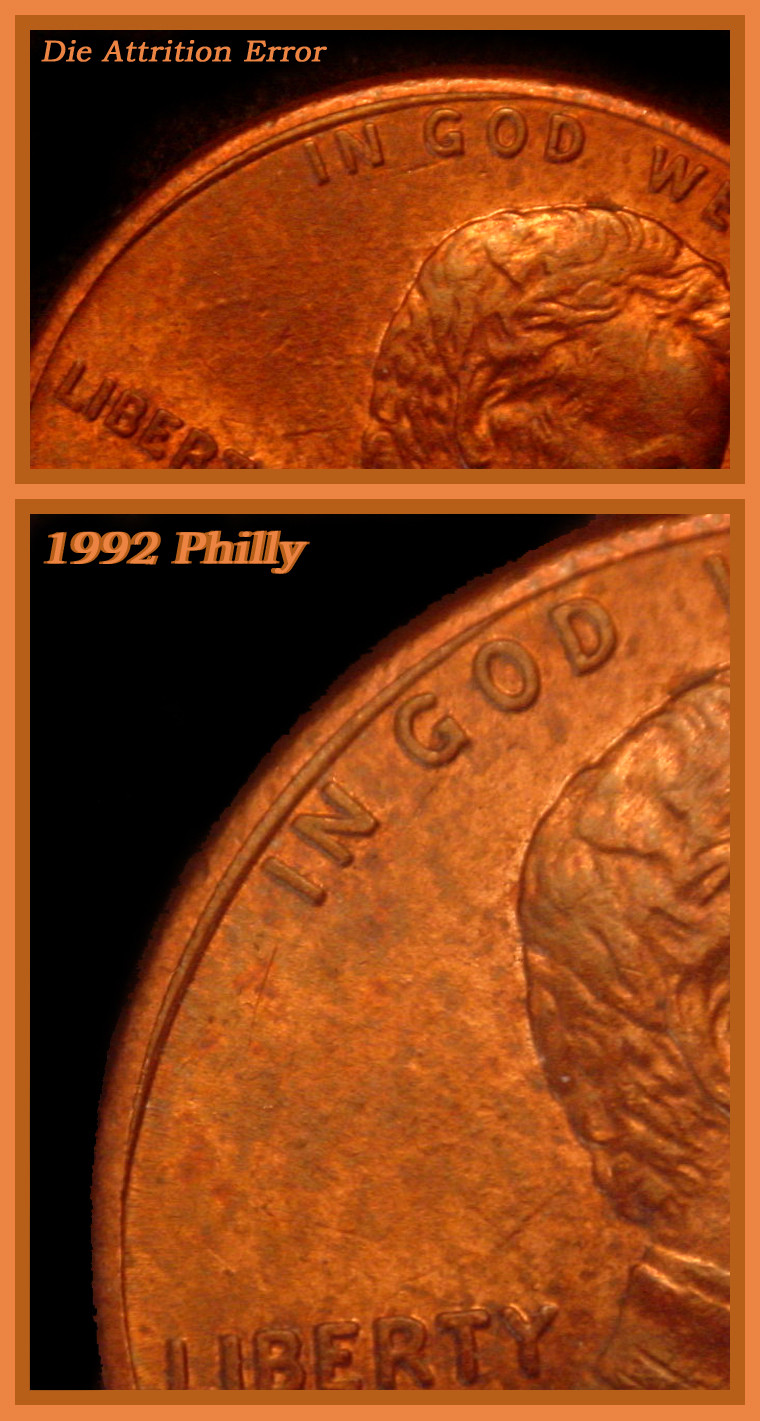 Note on the cent how much closer some devices are to the edge of the die? The die was damaged causing this to happen and we can find it on the coins struck. |
|
Pillar of the Community
United States
4809 Posts |
|
| |
Replies: 13 / Views: 2,918 |
|













 Posted 09/04/2014 12:12 am


