| Author |
 Replies: 29 / Views: 3,188 Replies: 29 / Views: 3,188 |
|
Valued Member
United States
290 Posts |
I will have to get back to you guys tomorrow sorry and thanks for all the help I mean thank you guys for the help. 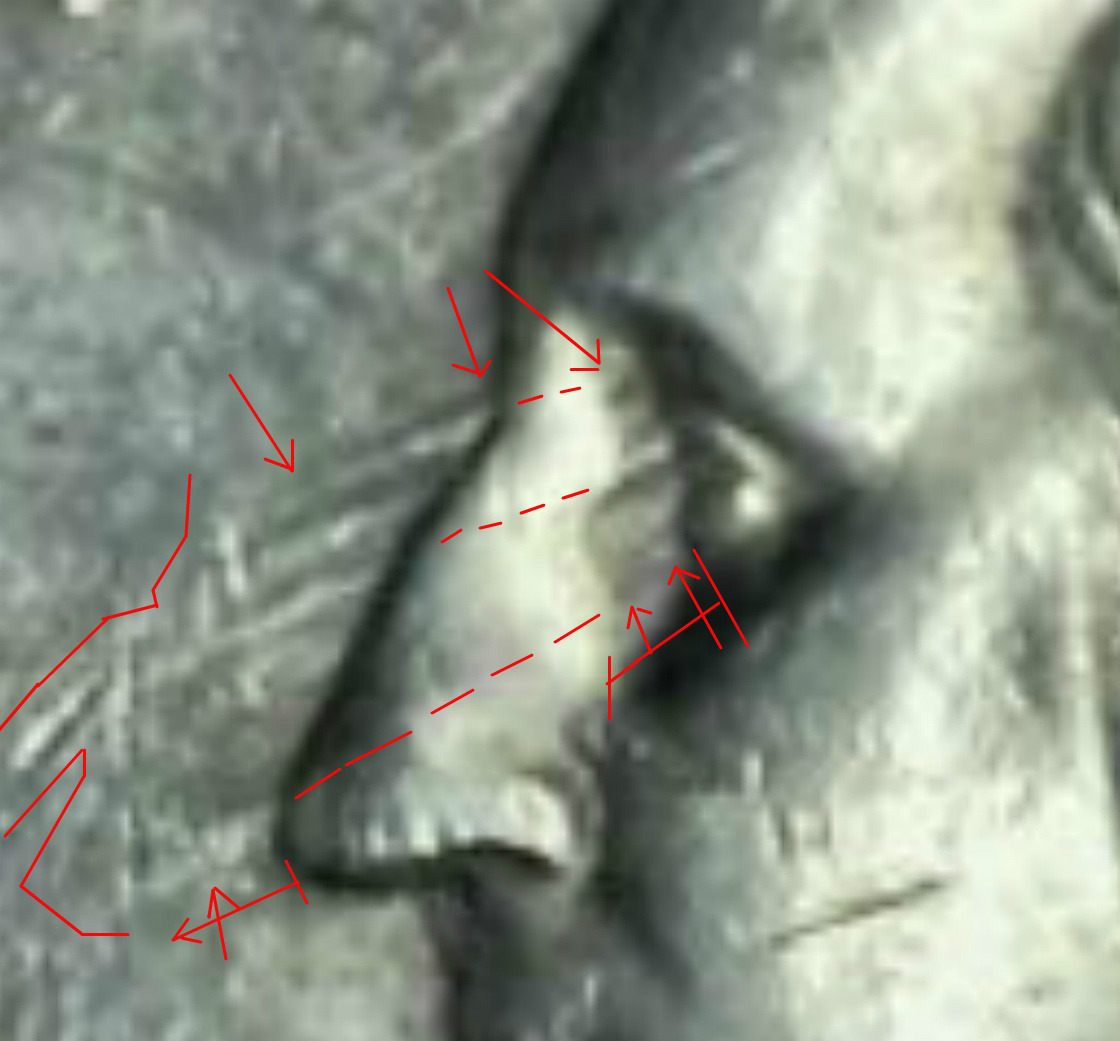 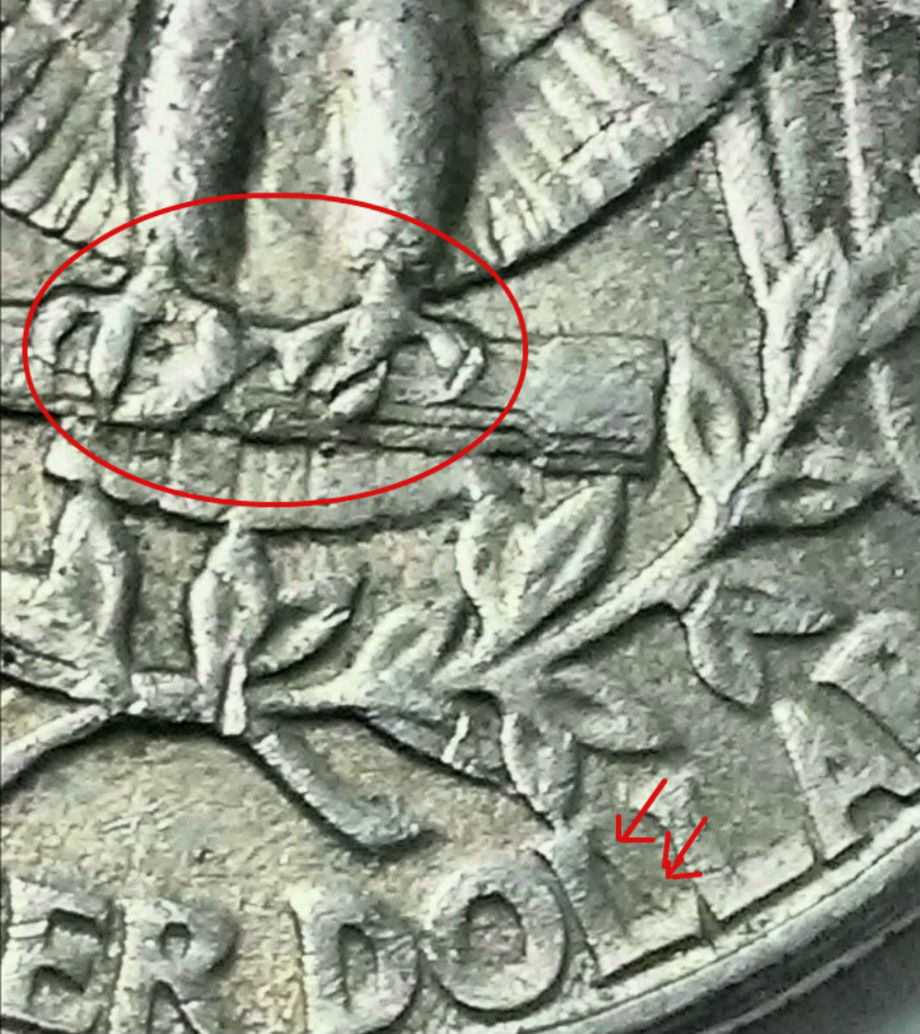 Edited by teachmind111
04/16/2015 09:02 am
|
|
|
|
Moderator
 United States
14463 Posts |
|
|
Valued Member
 United States
290 Posts |
dang it I am sorry...please forgive me I am sorry
|
|
Moderator
United States
14463 Posts |
|
|
Pillar of the Community
United States
1249 Posts |
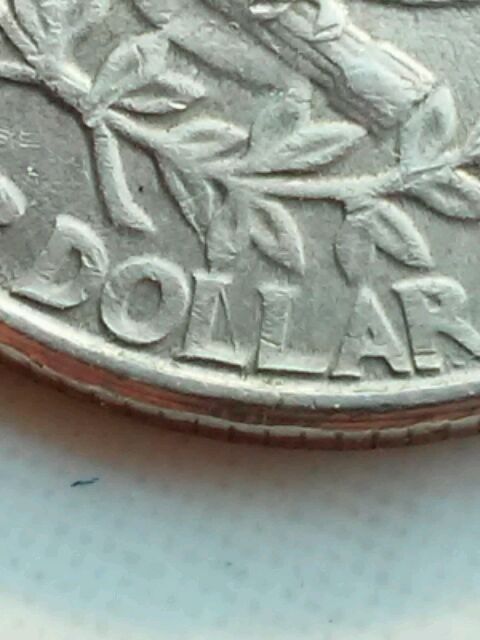
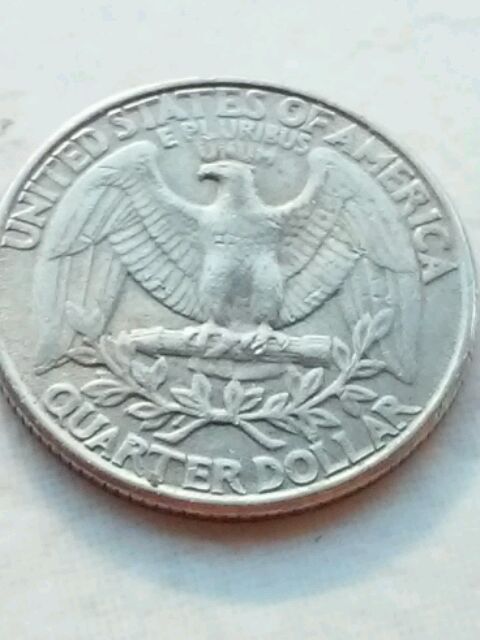
This is an overlay cause I was looking for a die clash because that sure looks like the arrows from the reverse side. Now with the overlay it can't be that unless the die rotated before it clashed.This overly is off by just a bit but its close the line by the L in dollar looks like it could be a clash from the T in liberty So IDK but wait for an expert but here is the overlay 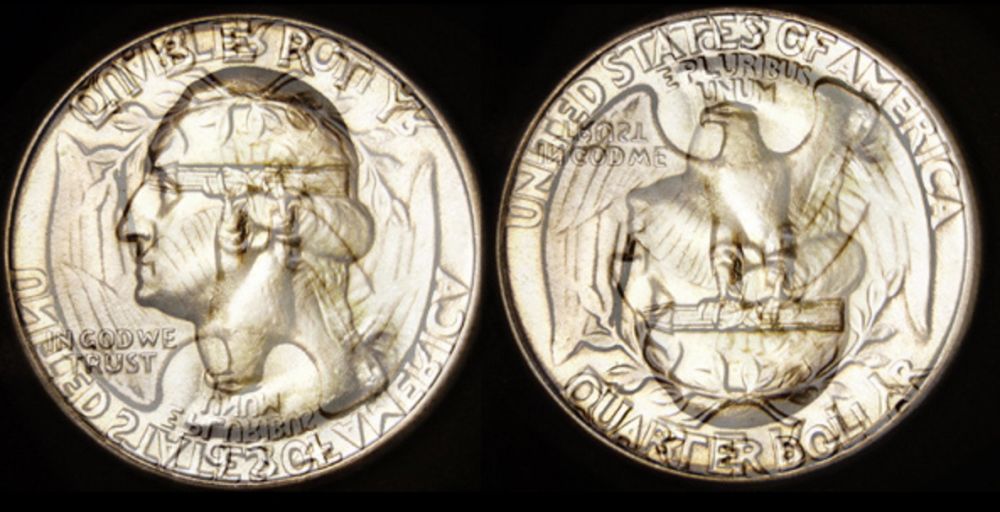 Edited by tweak800
04/16/2015 03:42 am
|
|
Valued Member
United States
290 Posts |
wow thank you very much I can only hope!
|
|
Pillar of the Community
United States
740 Posts |
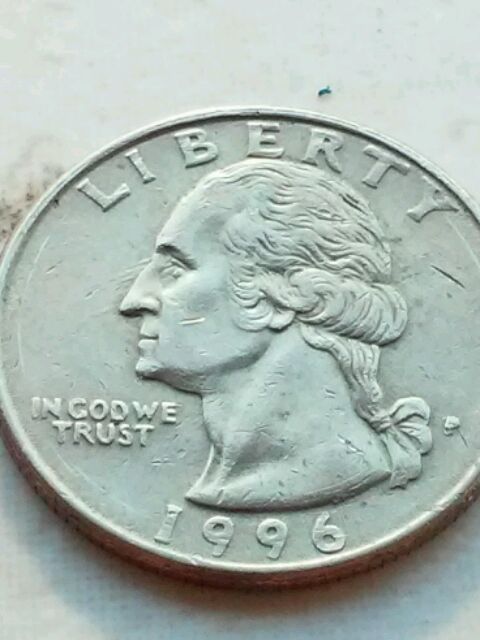
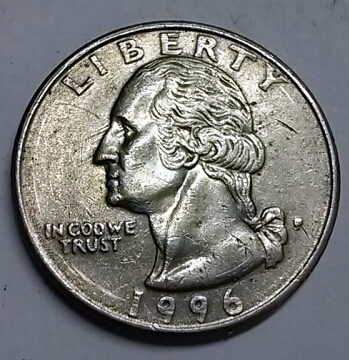
Near the 'L' in "DOLLAR" looks like a very tiny die crack to me. The lines near the face might be die brush marks, can we see the whole obverse of the coin?
What are you seeing by the feet of the eagle?
Edited by BlueSolo
04/16/2015 09:19 am
|
|
Pillar of the Community
United States
1249 Posts |
Yeah blue solo it was late I was way past my bedtime. I agree that looks like a die crack. On the l you can see it go to the rim.
|
|
Bedrock of the Community
United States
62064 Posts |
The mark into the eye looks like Feeder Finger Damage. I would need to see a whole image of the coin to determine that though. |
|
Valued Member
United States
290 Posts |
Edited by teachmind111
04/16/2015 11:40 am
|
|
Valued Member
United States
290 Posts |
|
|
Moderator
United States
23522 Posts |
This one's interesting, and I think coop may be on to something with the Feeder Finger Damage. Feed fingers are used to push coins into the collar to be struck. They can rub on the die, eventually creating a depression which then shows up on the coin as a somewhat-positive artifact, as this one shows. It's one good possible explanation for what we see here, depending on a crucial fact: The top die in a pair, the one which moves down to strike the coin, is called the "hammer" die. The other die sits still in the press and is called the "anvil" die. Now, correct me if I'm wrong, but I expect to see feed finger damage on the anvil die, not the hammer, and the obverse is usually the hammer die. I'm not completely conversant with this issue, but feed finger damage on Morgans (1921's are notorious) is limited to the reverse which was the anvil die. That's a die crack on the reverse going through the L. |
|
Bedrock of the Community
United States
62064 Posts |
They started to reverse the die position about that time. Quote:Mike Diamond on reverse MAD coins: Since the middle of 2005, all Lincoln cents have been struck with inverted dies (reverse die as hammer die). Therefore, any MAD errors are to be found on the reverse face. Also, between 2002 and 2005 the vast majority of cents were also struck with inverted dies. Some US coins have been struck with inverted dies since 1992. Adoption of this setup was an ongoing, incremental process. I just had to find the information. I save interesting tidbits from the forum discussions in a word page with images also. Right now the there are 88 pages of information I've stored. so finding it can be a task. |
|
Moderator
United States
23522 Posts |
That's all I needed to hear, coop.  |
|
Pillar of the Community
United States
3644 Posts |
I knew the hammer dies changed but wasn't sure when-this is great info especially about the MAD cents-thanks!
|
|
Pillar of the Community
United States
3644 Posts |
Aren't the coins also pressed in some side to side pressing motion now instead of the hammer die coming straight down?
|
| |
Replies: 29 / Views: 3,188 |







 Posted 04/16/2015 03:23 am