| Author |
 Replies: 36 / Views: 6,277 Replies: 36 / Views: 6,277 |
|
Pillar of the Community
 United States
2000 Posts |
|
|
|
|
Pillar of the Community
United States
5964 Posts |
|
|
Pillar of the Community
United States
5964 Posts |
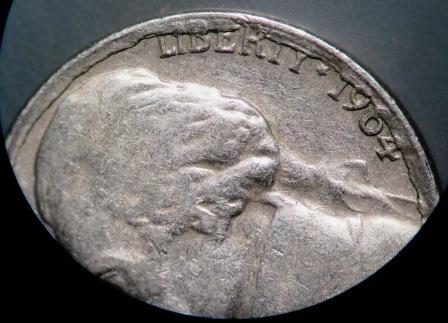
The die is worn at the edge.
|
|
Pillar of the Community
United States
1781 Posts |
Appears to have been caught in a commercial dryer, a water pump of other devise that would spin it on edge. This is PMD. |
|
Pillar of the Community
United States
5964 Posts |
Because it goes over the devices.
|
|
Moderator
 United States
56855 Posts |
|
|
Pillar of the Community
United States
3363 Posts |
|
|
Moderator
United States
56855 Posts |
I don't think that's it. John1  |
|
Pillar of the Community
United States
4809 Posts |
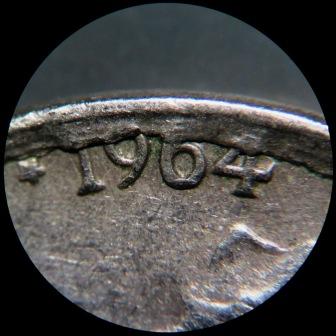
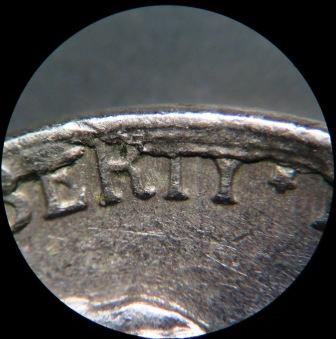
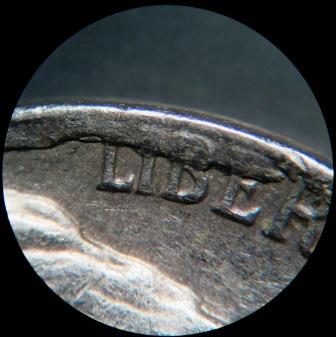
There was a thread a month or so ago; I think it was attributed to finning being rolled over the inner field and compressed over time. If you take an exacto blade or the like, you can lift the rolled fin to expose the field and devices. This eliminates a lamination issue like I first thought.
The catch for me is this: does finning occur on the outer most edge of the rim (the gap created between the collar and the die edge) or on the inner edge adjacent to the field? I always thought it was the outer edge but the finning attribution seems to work here.
|
|
Bedrock of the Community
United States
62064 Posts |
|
|
Moderator
United States
56855 Posts |
Do we need Mikes input on this one? John1 |
|
Pillar of the Community
United States
1781 Posts |
I just noticed that the reverse looks normal. The effect you see on the obverse could be PMD to an affliction known as "finning", i.e., it was flattened down to the coin's surface once it was processed through counting machines/coin wrapping machines, etc. However, I still suspect PMD from a rotating devise as a possibility but not from a dryer where the overlap would show on both sides. BIG QUESTION: Have you measured the diameter of the coin. That might be helpful. Here is what Finning is: Click Image To Enlarge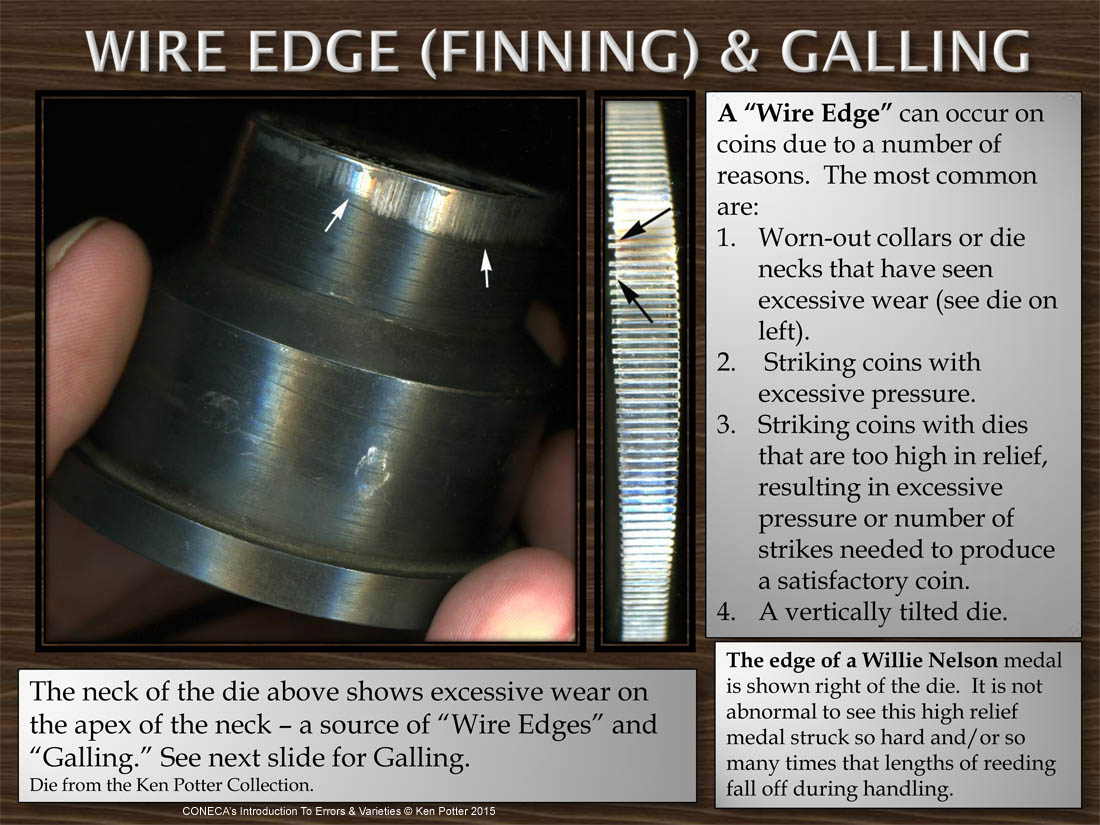 One reason to suspect finning is if the coin is of normal diameter. what we do know is that this folded over metal was not in its current position prior to the strike. If it was then the edge letting would be full and complete. Whatever happened to push this metal to its current position, occurred after the coin was struck. So in one manner or another, it is still a form of PMD. What you see on your nickel is somewhat similar to what Mike Diamond calls Peripheral Die Damage but if you look close, you will see it is entirely different. Edited by koinpro
05/11/2015 12:36 pm
|
|
Pillar of the Community
Canada
2632 Posts |
My thought is this is a blanking burr, if the blanks are punched by a dull or poorly fitting die they can leave a finning burr. The blank makes its way into the rimming process where the fin (burr) gets folded over onto the field of the planchet, then the striking die hits it. just my opinion.
I just noticed this one is NOT the same as the Canadian ones I was reffering to ...sorry bout that
Edited by Alexer
05/11/2015 1:23 pm
|
|
Pillar of the Community
United States
1781 Posts |
Pennyman, you are correct but even if it did, the characters around the rim would be fully struck up. In this case we have metal that was folded over the struck coin, consistent with some form of PMD even if it stared out a a legitimate variation such as finning. Can you show me the entry on Canadian? |
|
Pillar of the Community
Canada
2632 Posts |
I realize this one is folded over after strike, I was to quick to answer while thinking of a different coin.
I dont recall where I first learned of this, it may be somewhere on the Can error forum, not sure. If I find it I'll post it.
|
|
Pillar of the Community
United States
3363 Posts |
It looks to me like it would have to be a HUGE Rim Fin to produce that much metal for that strip. I just do not see how that is possible! |
| |
Replies: 36 / Views: 6,277 |







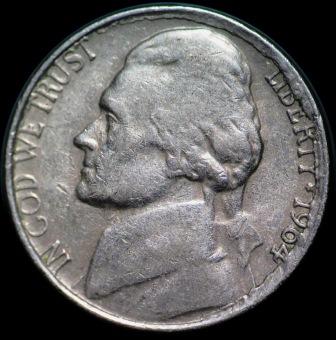
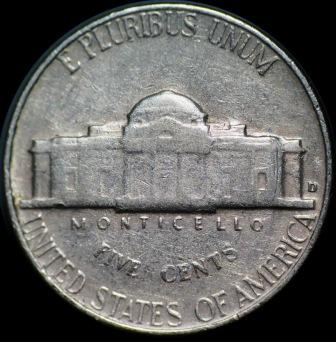
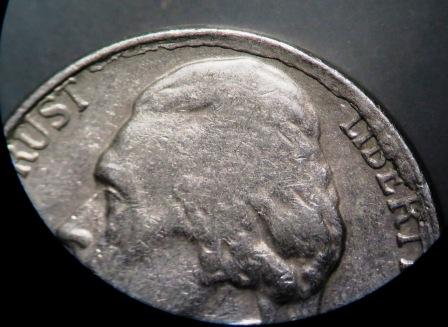


 Posted 05/09/2015 8:45 pm





