| Author |
 Replies: 14 / Views: 6,792 Replies: 14 / Views: 6,792 |
|
|
Valued Member
United States
55 Posts |
Edited by DoubleManFlats
05/12/2015 4:04 pm
|
|
|
|
Valued Member
United States
449 Posts |
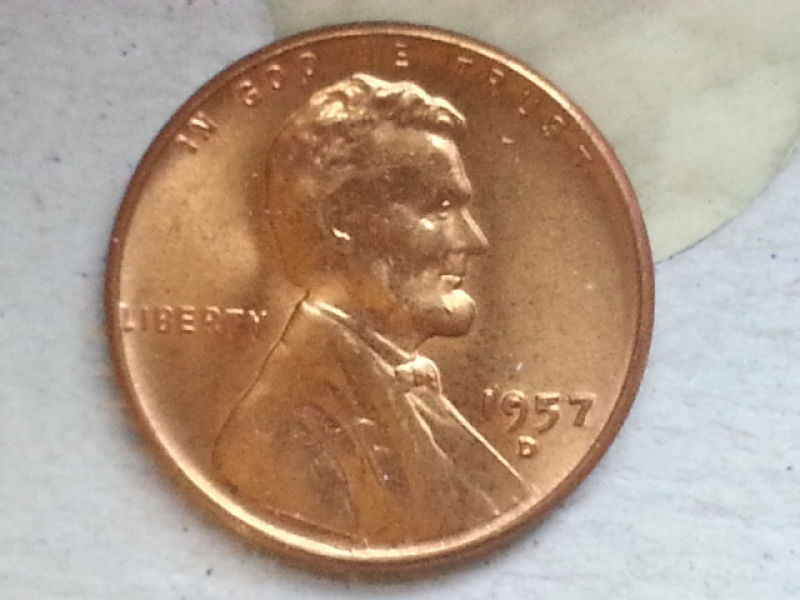
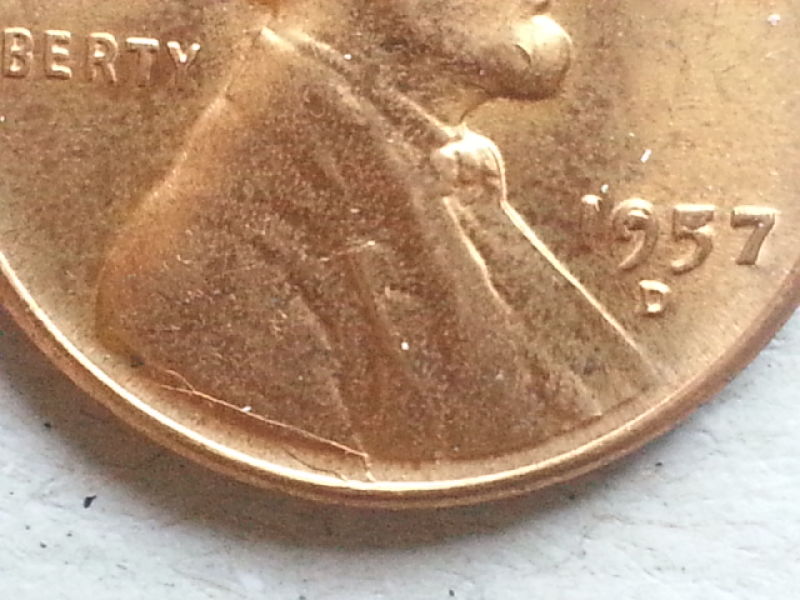
These die chips are very common on the 50's they ran the dies well past their intended use. No premium.
|
|
Pillar of the Community
 United States
5828 Posts |
|
|
Pillar of the Community
United States
1781 Posts |
I'd say a small premium IF you can find a buyer. I used to sell die chips like this from the 1950s-60s by the roll for about $4 a roll for circs. That was a long time ago.
Edited by koinpro
05/12/2015 5:34 pm
|
|
Moderator
 United States
56855 Posts |
Below bust,Lamination?...Struck through or die crack? John1  |
|
Pillar of the Community
United States
1781 Posts |
|
|
Pillar of the Community
United States
1781 Posts |
Here are two of 21 pages from Jean Cohen's 600 page book, The Classification And Value Of Errors On The Lincoln Cent. The focus of the book is entirely on "minor" error-varieties and dedicates a total of 21 pages just on "errors" on the date for the 1957-D cent. That's 168 entries for die chips within the date alone! There are other pages dedicated to "Cracked Skulls", BIE Cents (die chips in LIBERTY, "Clogged Letters" (die chips), etc. It's mind boggling how much work was put into this book and yet it fell by the wayside as did other once popular areas such as "BIE" cents, etc. Now after all that, your coin is not in the book.  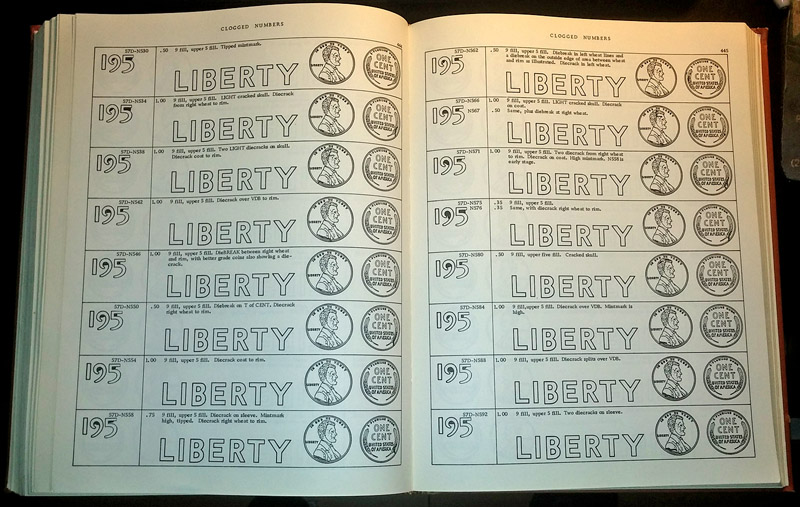 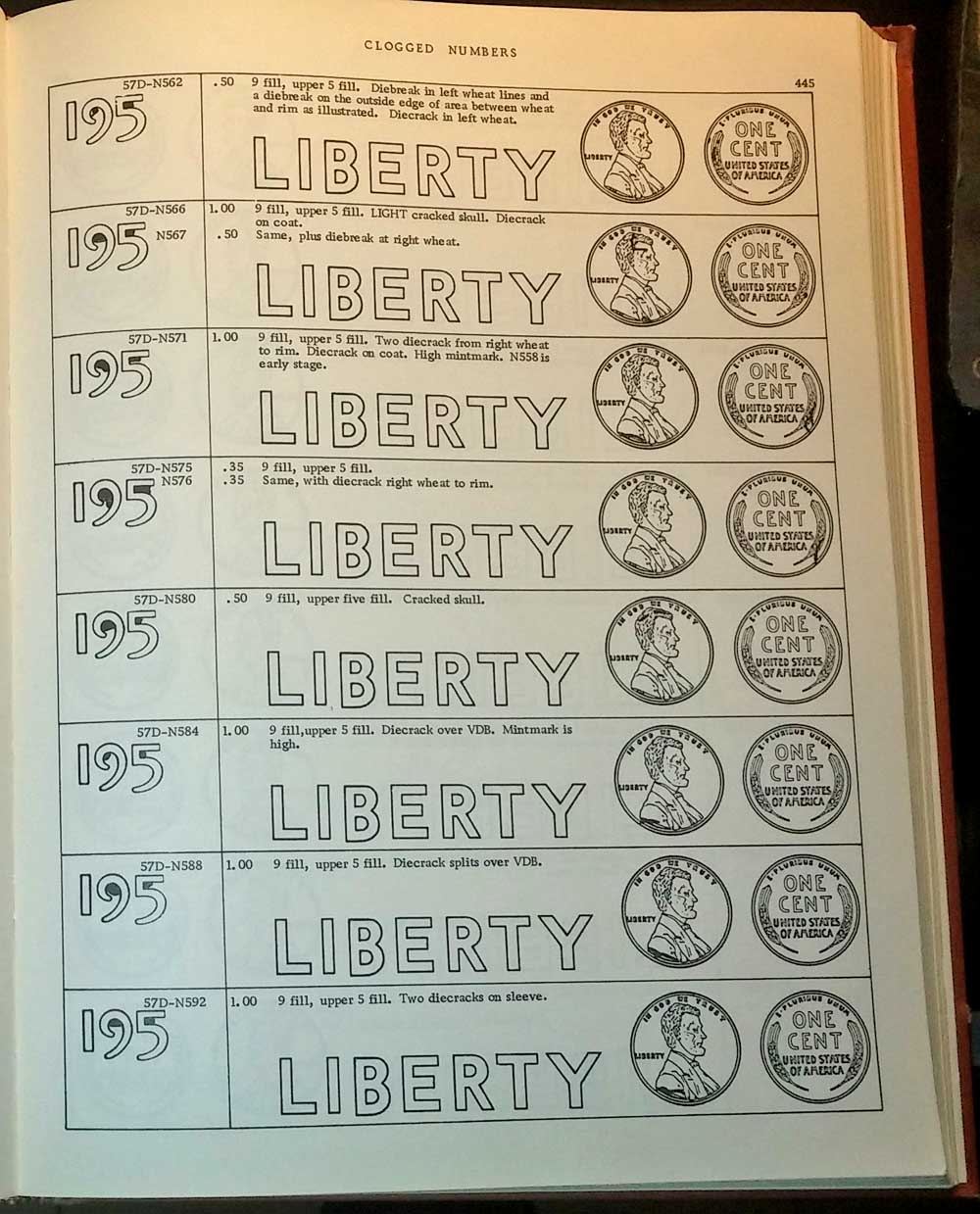 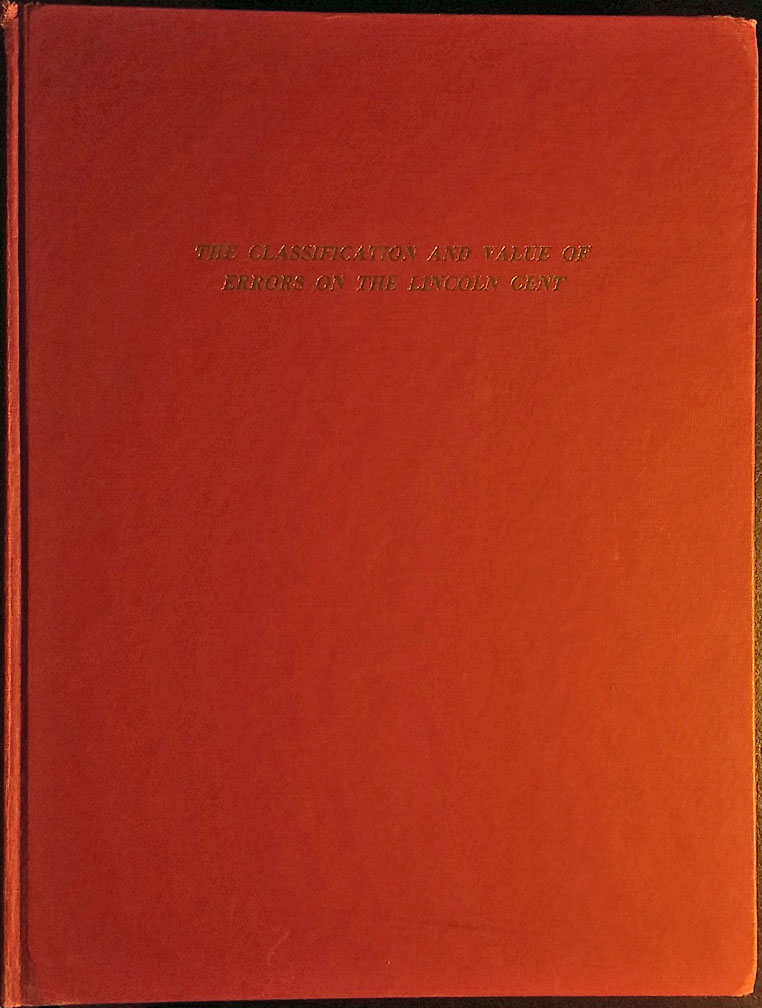 Autographed Copy #111 of a limited edition of 1000. Edited by koinpro
05/12/2015 11:34 pm
|
|
Bedrock of the Community
United States
62064 Posts |
Die wear was extreme during the 50's wheat era. Events happened to over used dies. How many of those listings were just varying die states of the same die? That is probably what stopped the study. Variety collectors caught onto it and moved to die varieties, rather than die events.
|
|
Rest in Peace
United States
7075 Posts |
That's a nice coin and I think you could find a buyer for it.
Nice book, koinpro.
|
|
Pillar of the Community
United States
1781 Posts |
Many are stages and she listed the progressions all throughout the book when possible. Everything is well organized in this manner. Nonetheless, it was an impossible task. Still, I love the book and occasionally get the bug of wondering if a die chip or crack I own is listed. I spent a day with the book one summer with a handful of RPMs with the so-called clogged dates, letters, etc., and had a lot of fun. But that was at least 20 years ago. I have a half or full bag (can't remember) of BU rolls of 1957-D unchecked except one roll. That one roll was full of die chips and minor doubled dies on LIBERTY.
|
|
Bedrock of the Community
United States
62064 Posts |
Variety collectors are interested in using these cracks/chips/die scratches for identifying a die state of a variety.
|
|
Valued Member
 United States
55 Posts |
Wow that's awesome! there's so much to coins it's mind boggling.
|
|
Pillar of the Community
United States
1476 Posts |
I have to look for that book now!  I don't need a signed print, just the book.  |
|
Bedrock of the Community
United States
62064 Posts |
I noticed they used the term clogged numbers. They are die chips instead. If the numbers were clogged (with grease) they would be invisible. 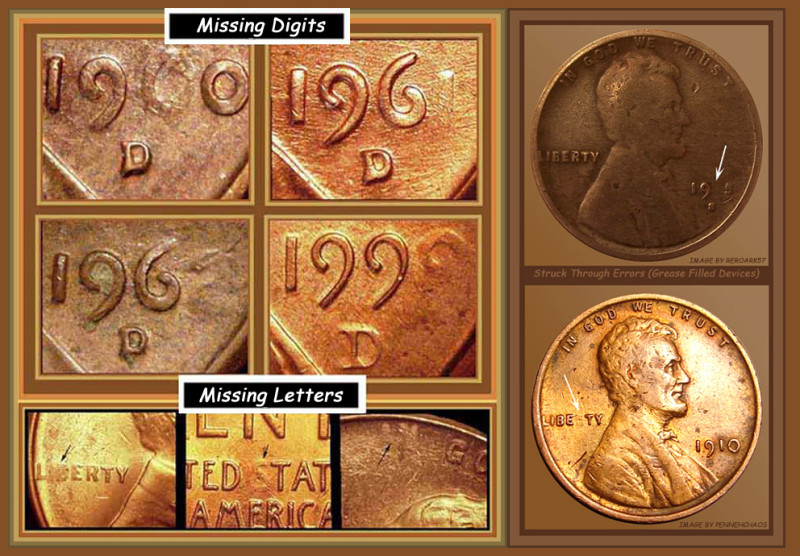 |
|
Pillar of the Community
United States
1781 Posts |
Coop, Ya, I mentioned that on the "clogged letters" too. That was loosely accepted slang for a die chip in those days. Today, we cringe at such usage but back then it meant that the letter was "clogged" on the coin -- not in the die. Some of the terms we use today will probably be viewed similarly 50 years from now. For example, how do you measure an Off Center struck guitar-shaped coin? For starters, an Off Center would be better described by the more accurate term used in the stamping industry -- Off Location. Off Location is a better term than Off Center for all coins, be they round, triangular, rectangular, the shape of a country or whatever, but since Off Center is so well accepted today, I figure why rock the boat? On the other hand, back in the days, Die Deterioration Doubling was referred to as Polish Doubling. This was so wrong 99.9%+++ of the time that I replaced it with Die Fatigue Doubling and later decided to replace that with Die Deterioration Doubling since that term had already been in use in Canada in the early 1970s (in Jack Forbes and Hans Zoell's, Minor Coin Varieties Fifth Edition), and then fell out of favor as they (Canadian collectors) entered into the "dark ages" of variety collecting. Edited by koinpro
05/13/2015 9:27 pm
|
| |
Replies: 14 / Views: 6,792 |
|









 Posted 05/12/2015 5:26 pm





