| Author |
 Replies: 10 / Views: 1,672 Replies: 10 / Views: 1,672 |
|
|
Pillar of the Community
Canada
872 Posts |
|
|
|
|
Pillar of the Community
Canada
1275 Posts |
Do you have the weight of the coins?
Cheers, Bill
|
|
Pillar of the Community
 Canada
872 Posts |
No I don't have the weight of them. I need to do that. I will take em down to the LCS this weekend and post the weights later.
|
|
Pillar of the Community
Canada
2533 Posts |
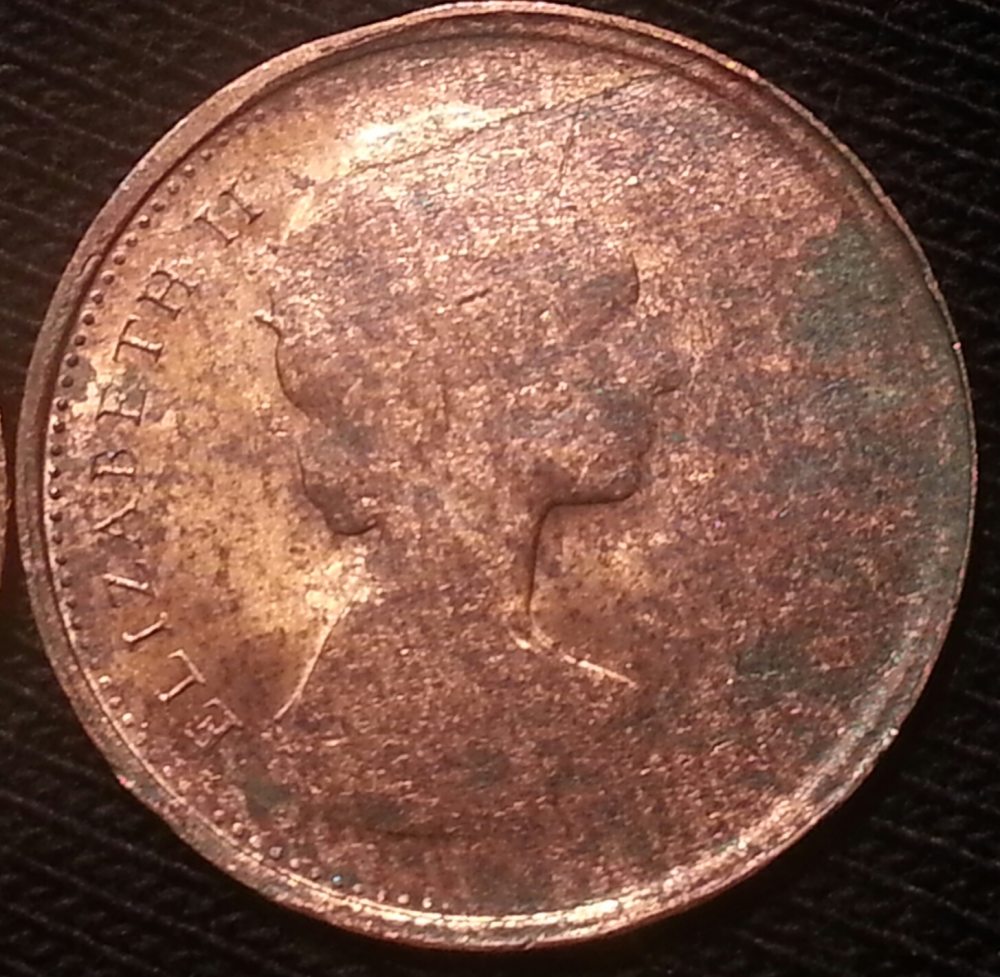
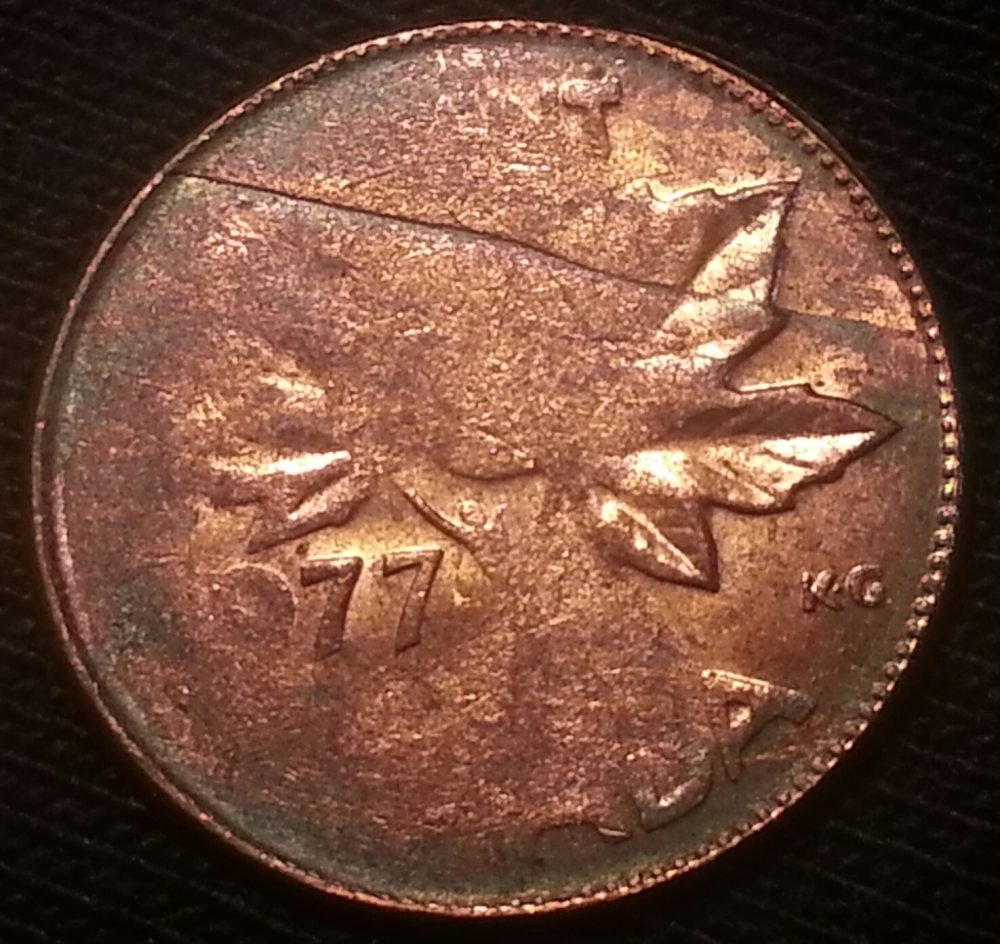
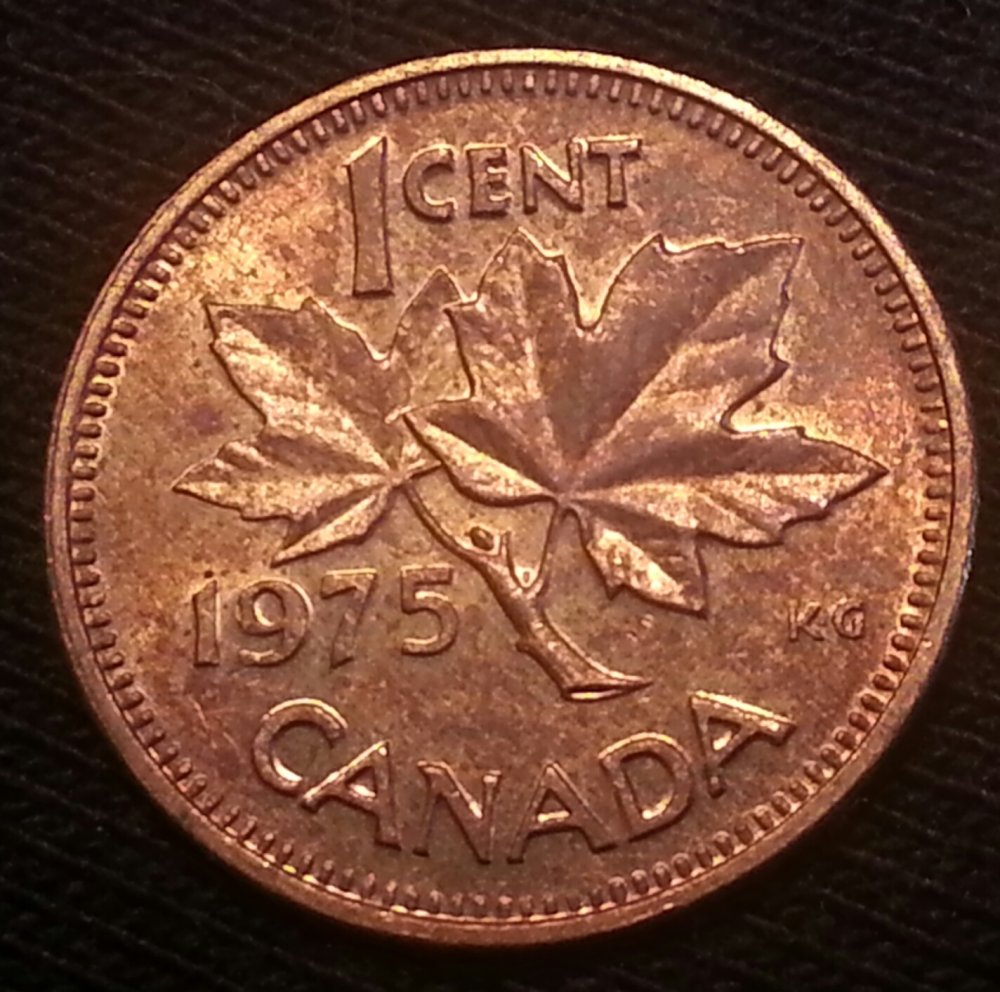
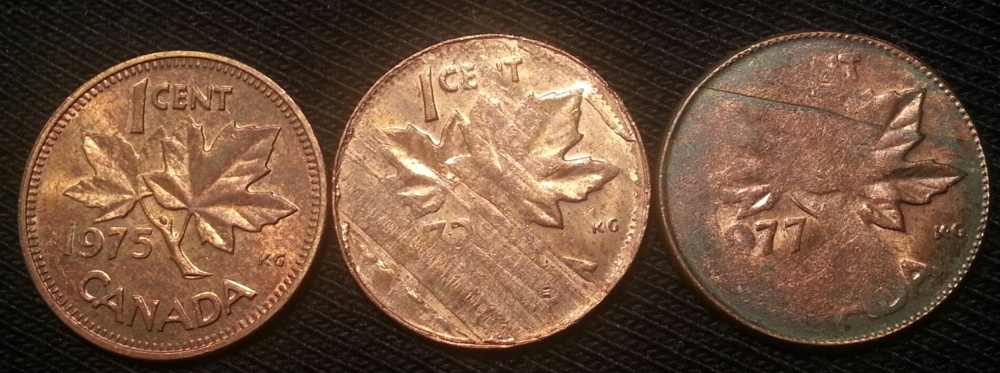
I would say that the first two are split pre-strike. They both have weak strikes so I expect the planchet to be thinner before the strike. I'm not sure about the last one.
|
|
Pillar of the Community
Canada
872 Posts |
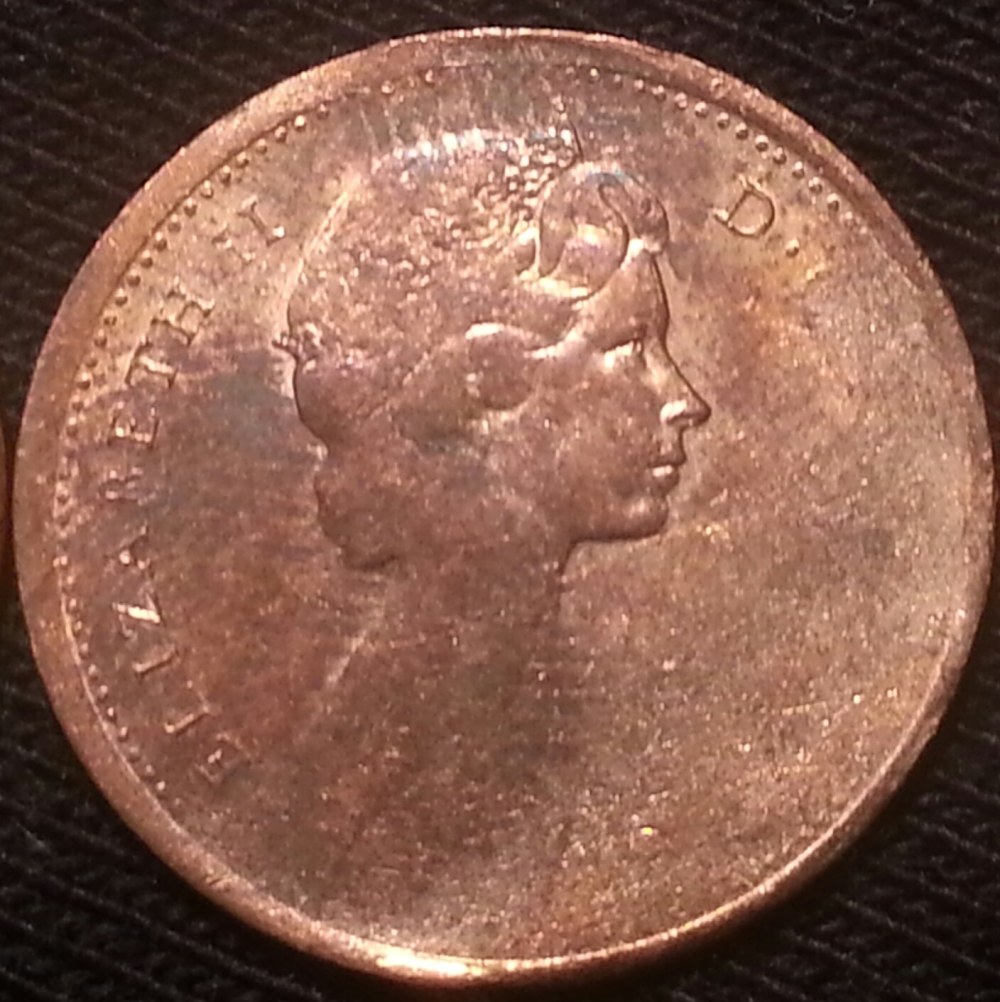
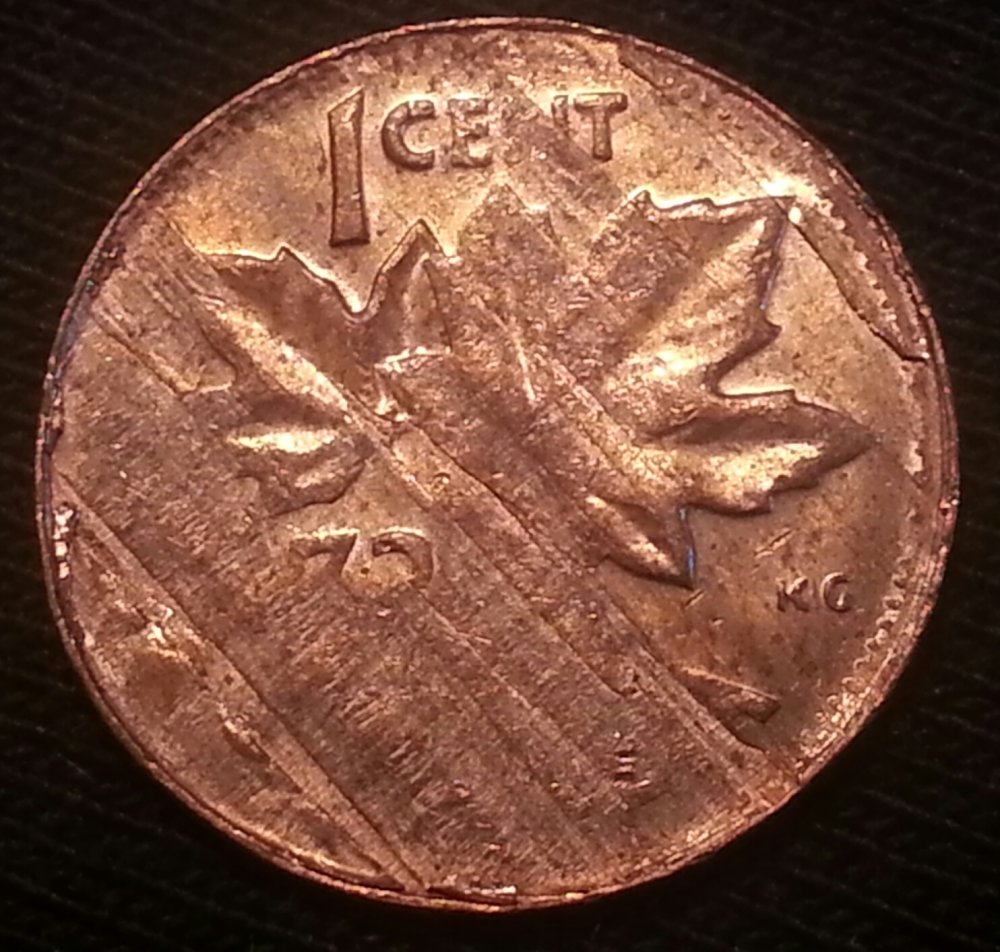
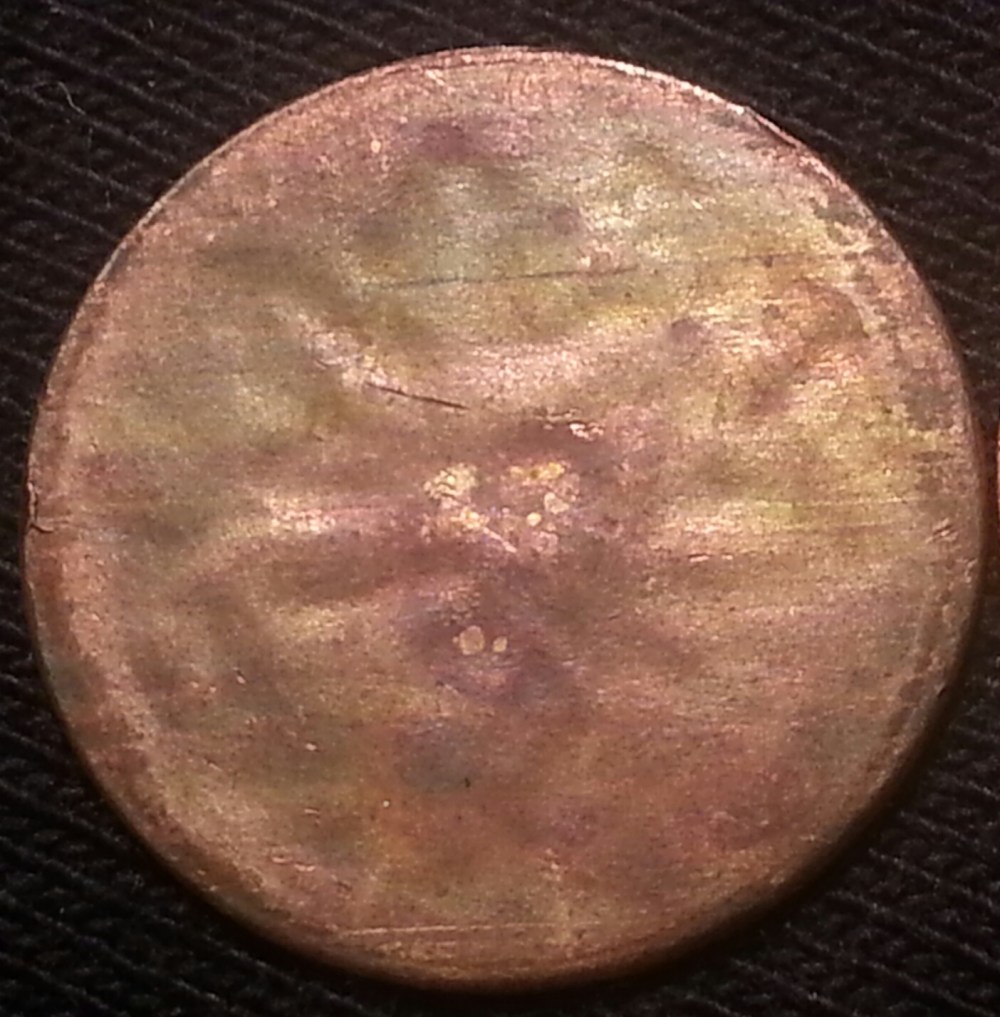
It is the uniface one that I am asking about.
If it was split before strike then it would have been struck on top of another planchet in the collar to create the uniface.
If it was split after strike, then it would have stuck normally and then split. That means the other half is floating around somewhere or it never made it out of the mint.
So can anyone tell me how to tell the difference between the 2 types?
Thanks! Rob
|
|
Moderator
 Canada
10477 Posts |
All split before the strike... the uniface one means that it was sitting on top of another planchet, when struck. the ghosting you see is from the hammer die, and flow of metal.
"Discovery follows discovery, each both raising and answering questions, each ending a long search, and each providing the new instruments for a new search." -- J. Robert OppenheimerContent of this post is licensed under a Creative Commons Attribution-NonCommercial 3.0 Unported License. See: http://creativecommons.org/licenses...0/deed.en_USMy eBay store
|
|
Pillar of the Community
Canada
872 Posts |
Can someone show me an example of a split after strike?
|
|
Pillar of the Community
Canada
2533 Posts |
SPP, there's an example in error-ref where the split after strike has ghosting and striation lines too. Is there another way to differentiate?
|
|
Pillar of the Community
Canada
695 Posts |
I think the 1975 was split when it was struck (unless it is full weight). The striations on the other coins are indicative of being split before being struck. Quote:
...the uniface one means that it was sitting on top of another planchet, when struck... That's also seems feasible.  I'm not sure it would be possible to tell the difference if it was struck with a full planchet underneath or just 1/2 a planchet underneath. It does seem like it was a hard strike & there is some evidence of finning. |
|
Moderator
Canada
10477 Posts |
If it is split, after the strike, then the split pieces should be fully struck on the outer sides... Here is one split, after the strike.   For ghosting on split planchets, see also Zonad's 1956 clamshell lamination (which is also like a split planchet) here: https://goccf.com/t/76634&whichpage=3"Discovery follows discovery, each both raising and answering questions, each ending a long search, and each providing the new instruments for a new search." -- J. Robert OppenheimerContent of this post is licensed under a Creative Commons Attribution-NonCommercial 3.0 Unported License. See: http://creativecommons.org/licenses...0/deed.en_USMy eBay store
|
|
Valued Member
Canada
491 Posts |
SPP thanks for explanation on the split planchets, I can follow the flow of the metal
|
| |
Replies: 10 / Views: 1,672 |
|







 Posted 07/16/2015 11:24 am





