What are they? They are two images placed side by side to show a difference of locations for mint mark or doubling on years of dies that have more than normal amounts of doubled dies. I use them to show even slight differences in hub doubling. They can help us to under stand why one die's coin maybe different from a coin from a different die. What is the difference? Sometimes hundreds of dollars different. Take the 1955P01DO-001. The first big doubled die that is wanted by every one. The prices are raising every year because of demand for them. Compared with a coin that is normal that is worth just a few cents. So how I show that a certain struck a coin and a different die struck another?
First how do I make a side by side? I crop two images to the same width (match certain devices to crop the same. Then I size the two images to the same width. If they are not exactly the same width, that can alter the results. So I take two images cropped the same width. I most of the time overlay them over each other to see if they are from the same die with RPMs. Because they are hand punched the differences in locations tell me that the coin is from a certain and another may come from a different die.


This works for RPMs for determining locations if they are from the same die. But how does this relate to side by sides?
Sometimes an overlay is so close that I need to use a side by side to determine if they are from the same die. So by placing them side by side, then I can see what sometimes looks like a match for an overlay, but the differences are so minor the over lay will not give you the right answer. So then I place them side by side to not very minute differences.
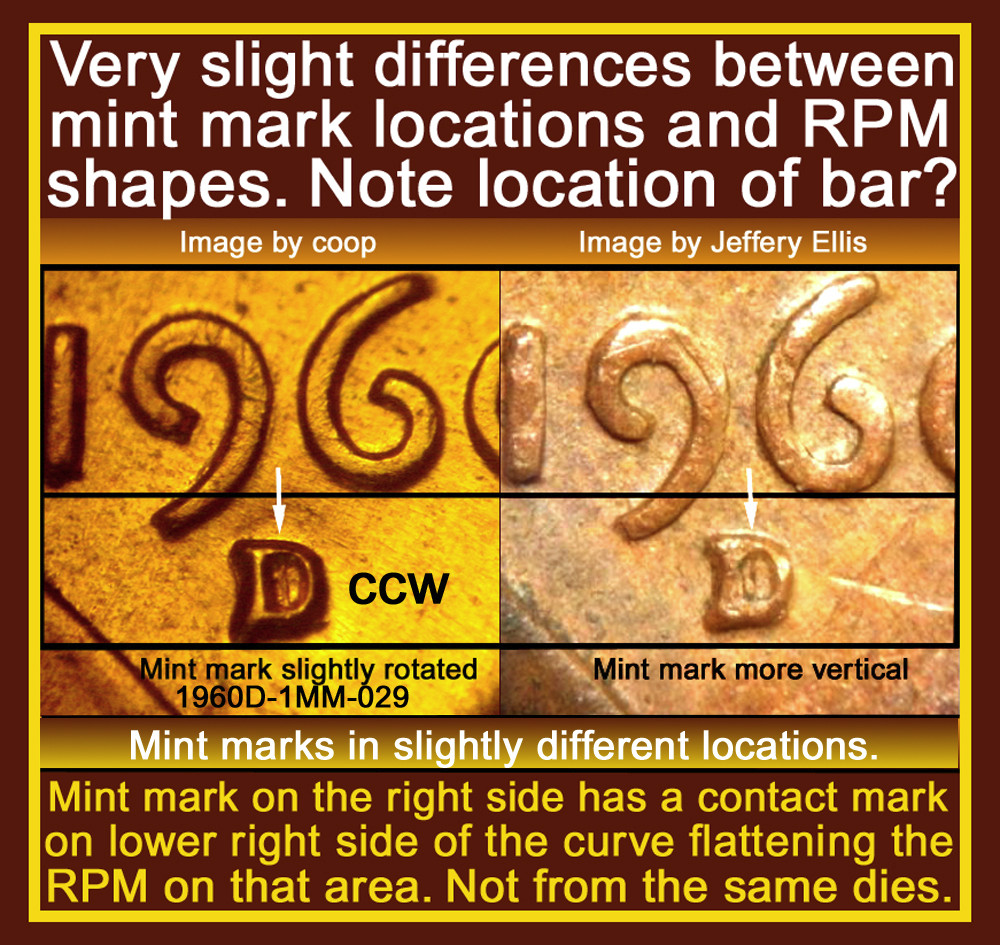
This one looked like the locations were a match. But the side by side show a slight difference. Note the center of the mint mark the vertical bar. Note one is slightly rotated and other on is straight up and down. That tells me they were
not from the same die, but a different die. Using the overlay, it was so close, but different.
Here is another example. There were two coins disputed to be from the same die, but the side by side showed they were actually from two different dies. So close that only a side by side would show they were not from the same die.
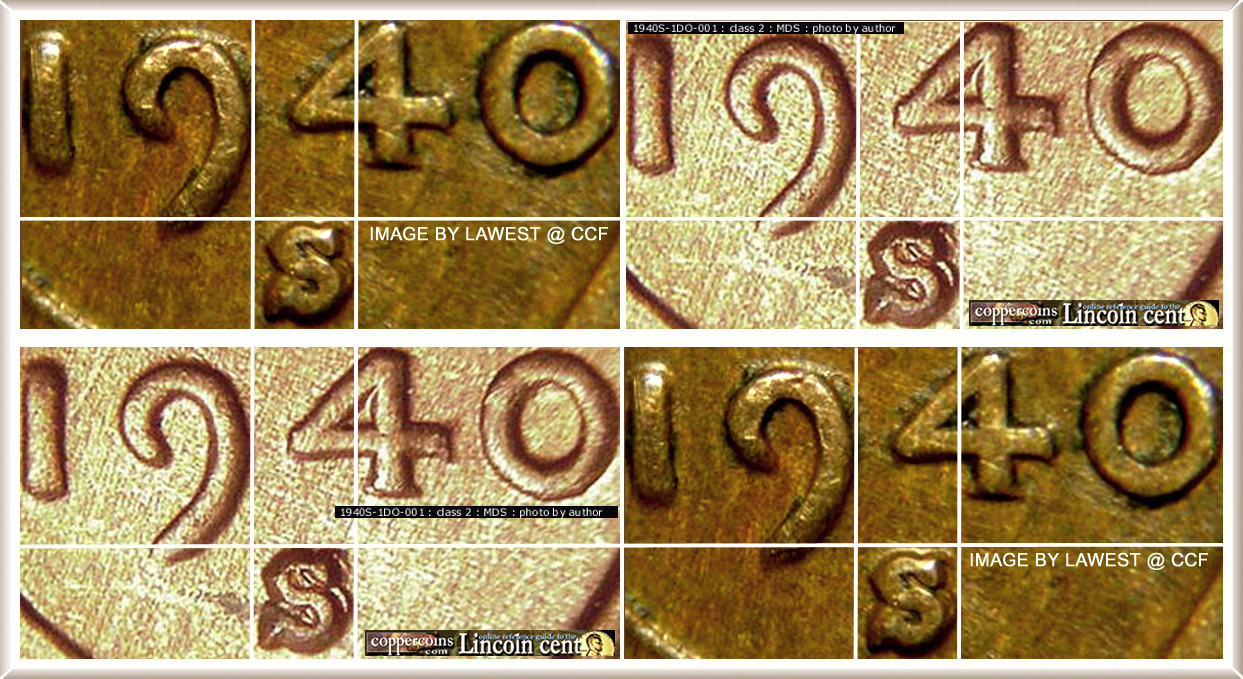
Do you see the difference? Slight location difference, but not the east curve of the RPM in the center. They are slightly different. One is higher than the other. So an overlay was the only way you could tell the difference.
Sometimes a side by side can show that a coin is normal and has machine damage on the coin. Case in point. A 1997 DDO-001. Often the earlobes get hit/machine damaged and alter the coin. Some argue their coin is that
DDO. But the difference can be seen by putting a normal coin next to a coin in question.
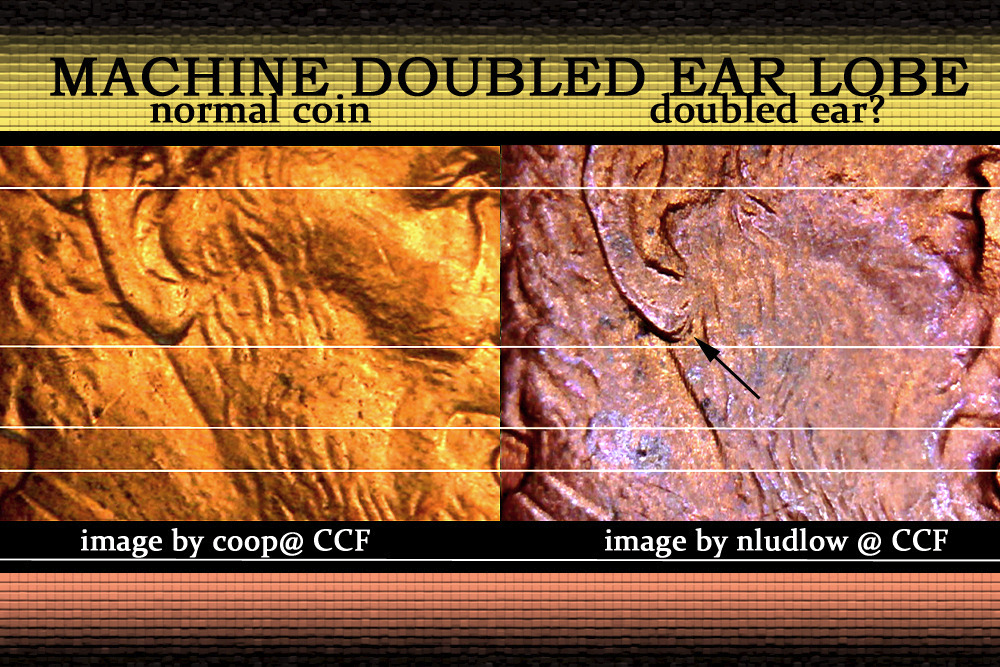
These are harder as you need to crop exactly in the same places on both images, then size them the same. (Crop to width first) Crop the height on just one coin, then leave the other the normal size. Align them the same and then crop the height to the same height. That will save you the both of getting both the sides and the height the same. So note on the last image the differences. The over all ears are the same height, but one is altered to make if look different. They were both from normal dies. So why is that important? If a design is normal, they are normal coins. For a variety to be important, then they hubbing should be different from a normal die. So now notice the differences between a normal coin and a hub doubled 1997P-1DO-001.
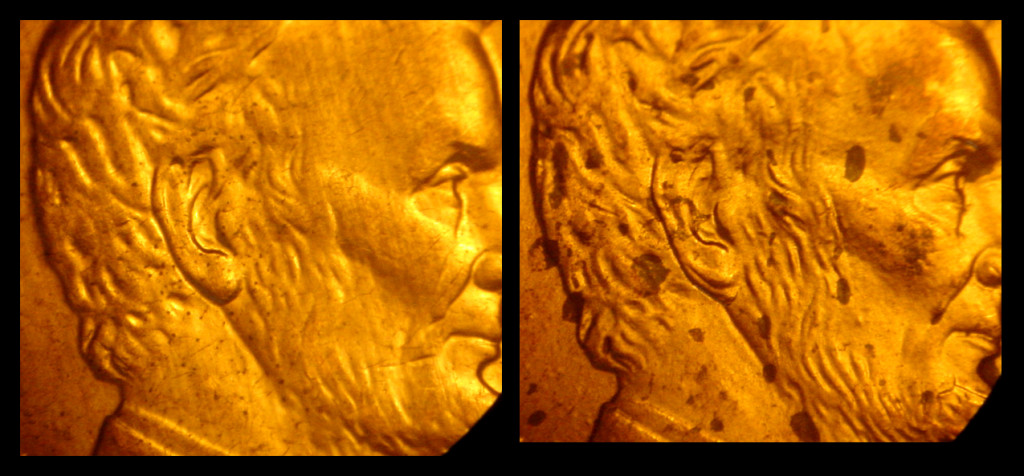
See the area under the ear? The line is sloping downwards to the lower lobe making the lobe larger in size. So how often does this happen? Well on this year there was only one die that had this incorrect hubbing. The rest of the obverse dies are normal, thus all the 001 examples are from the same die. Many coins can show the machine damage on the lobe, but they come from a normal die. Thus only the 001s are collectable as they are a variety. Some may collect machine damaged coins, but after checking a few thousand coins they soon realize that this happens all to often to be collectable.
Another use of side by sides to identify doubled dies. Take for instance the 1972-P doubled dies. There are 9 major different ones. How can you tell them apart. Some are hubbed rotated clockwise, some are rotated counter clockwise. Some are ever so slightly higher or lower than others besides be rotated. How can a side by side help on these? When looking at matching up a certain die, you need to match up the hub doubling from you coin to a known die. So having dies that are what appears as very close to being the same knowing the differences helps you to see which one it is. Case in point: 1972P-1DO-002 & 007. These are rotated in the same direction, (CW) but how can you tell them apart?
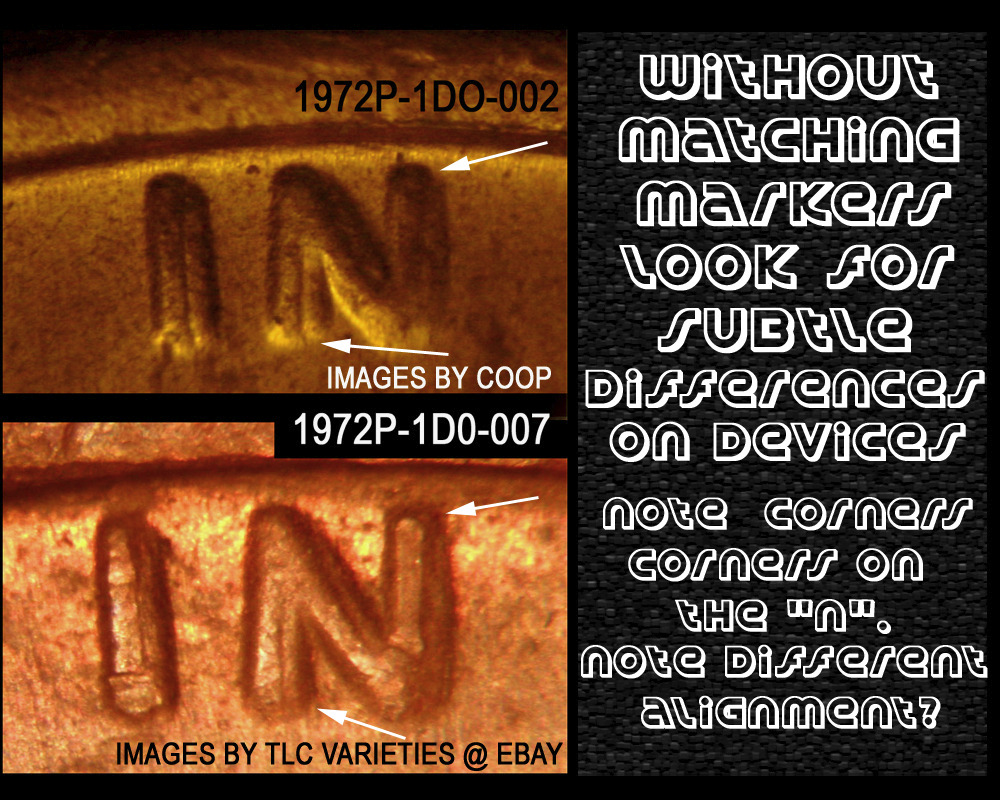
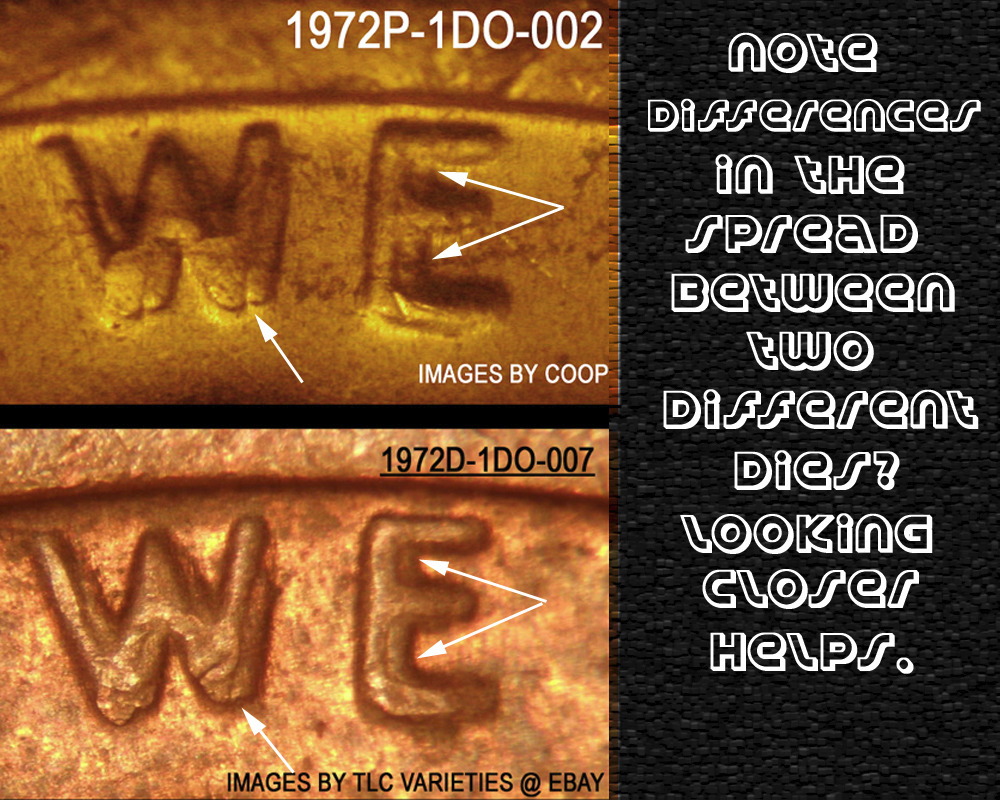
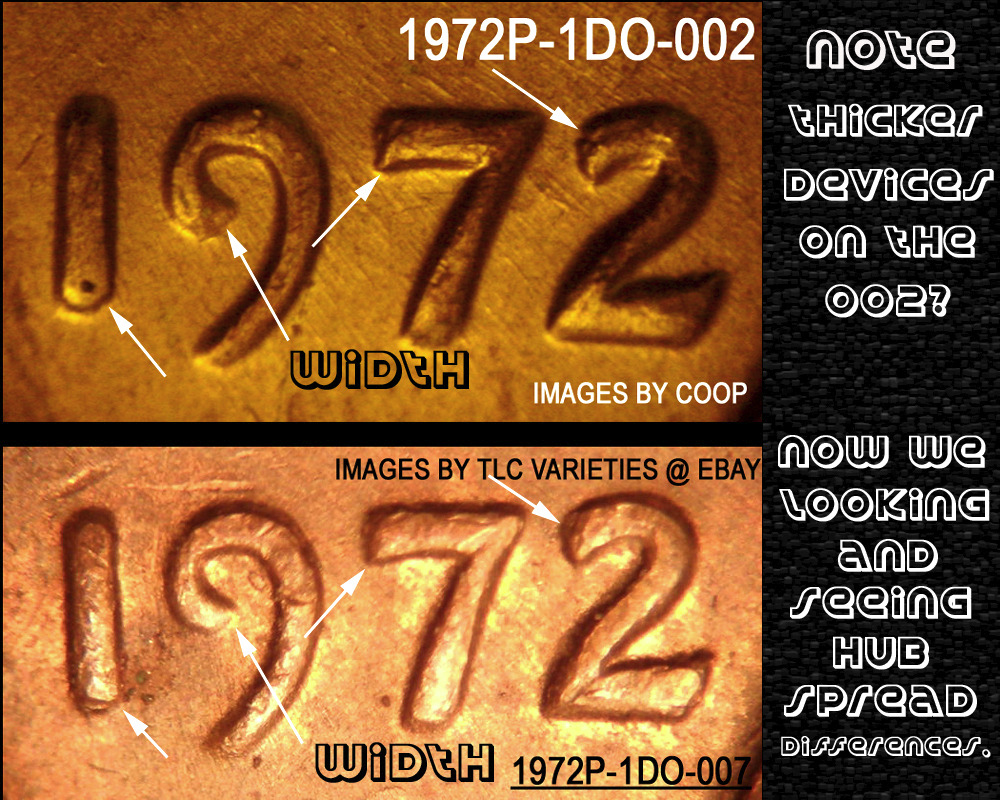
Do you see the ever so slight differences. On is slight rotated differently than the other making some devices thicker than the other one. That difference told the original finders that they were from different dies. But only seeing them side by side, show the differences more clearly. Same with the 1972P-1DO-003 & 008. (CCW)
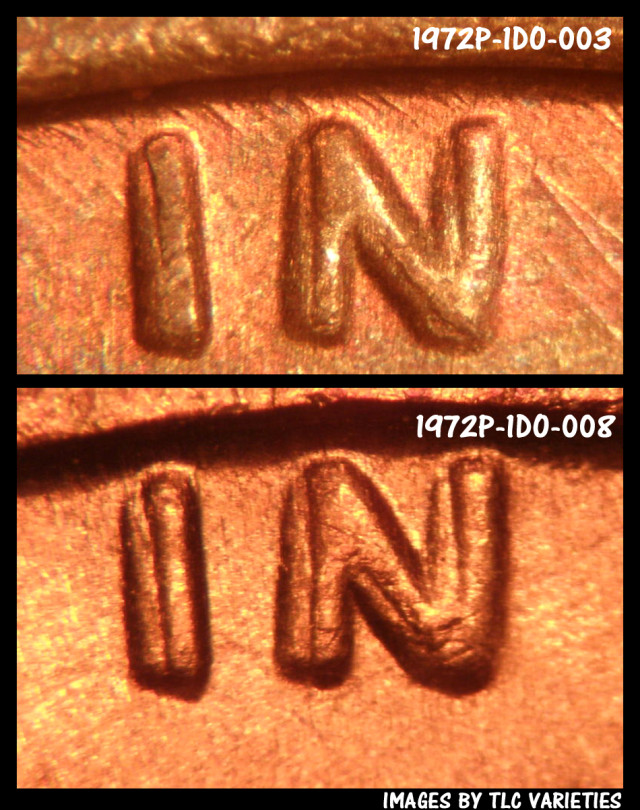
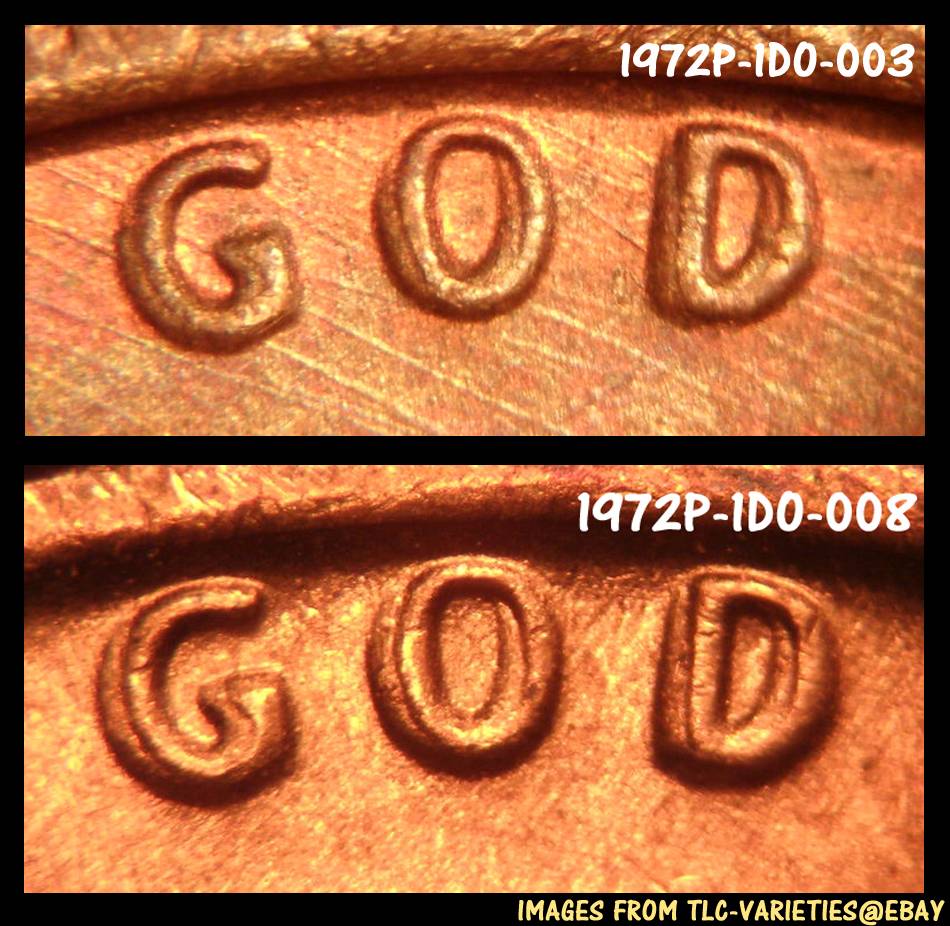
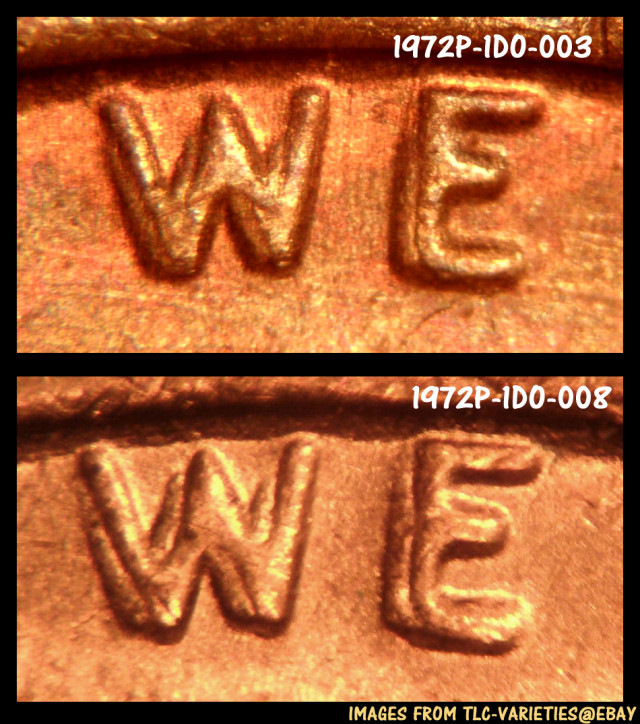
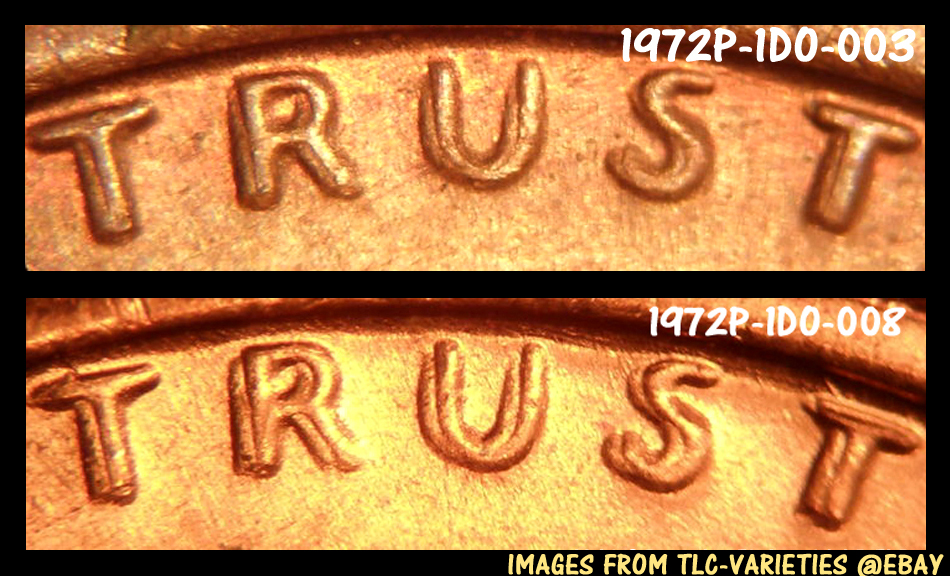
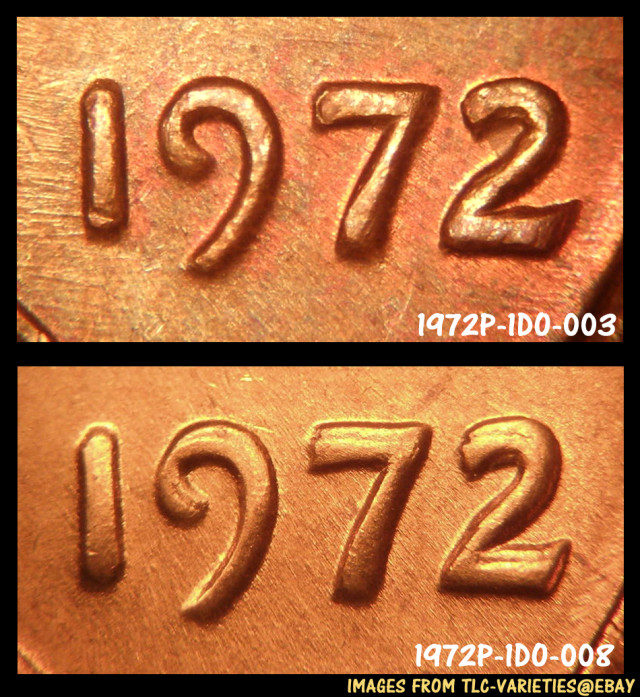
Do you see the differences? The 008 is a bit stronger in spread than the 003. But the date is the biggest clue:
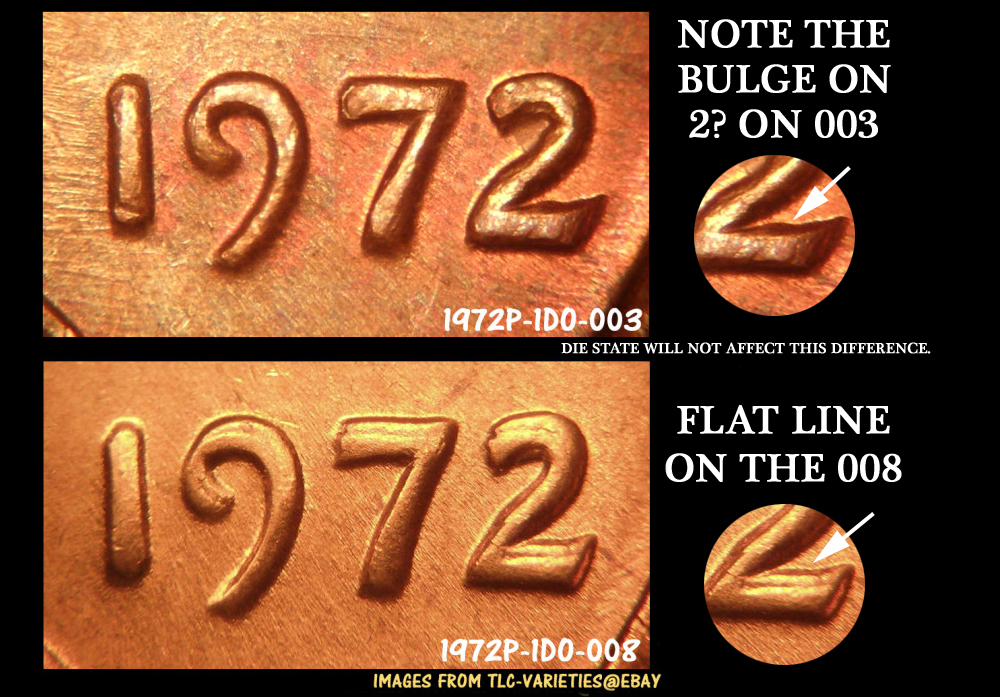
The side by side shows you the differences easier.
But what else can side by sides show. How about the differences between machine damage and a true doubled die. This happened to me today. The doubling on two sets of images were showing what appeared as machine damage to the devices on a
Wheat cent. The doubling looked so step like and squared, I was wondering why this was listed by some as a doubled die. Here is what I was looking at:
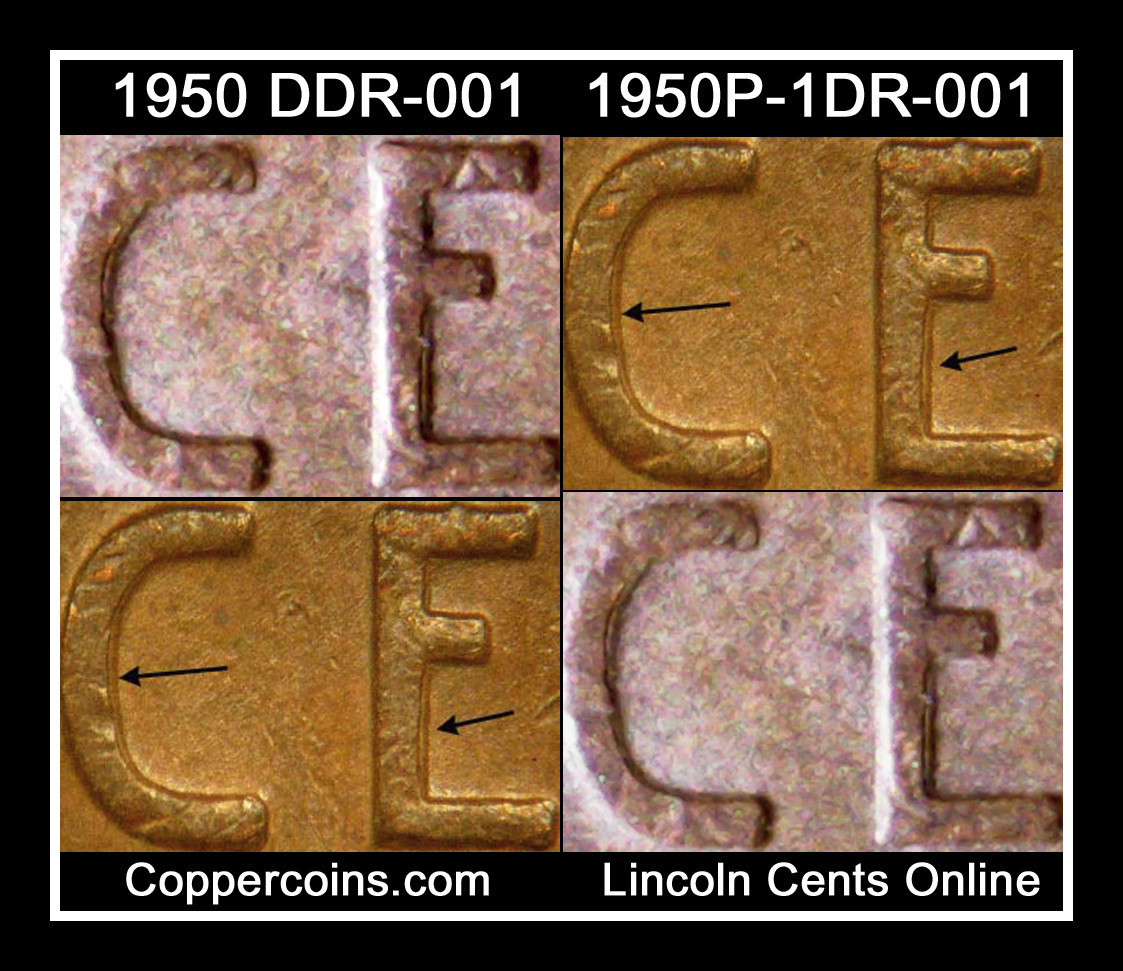
I noticed the doubling was different in some areas between these two different coins. Both claiming to be a known die 1950P-1DO-001. So I was on the fence for a time. Then I thought how about making a side by side of a normal coin and this questionable doubled die. So I made one and was surprised by what I found.
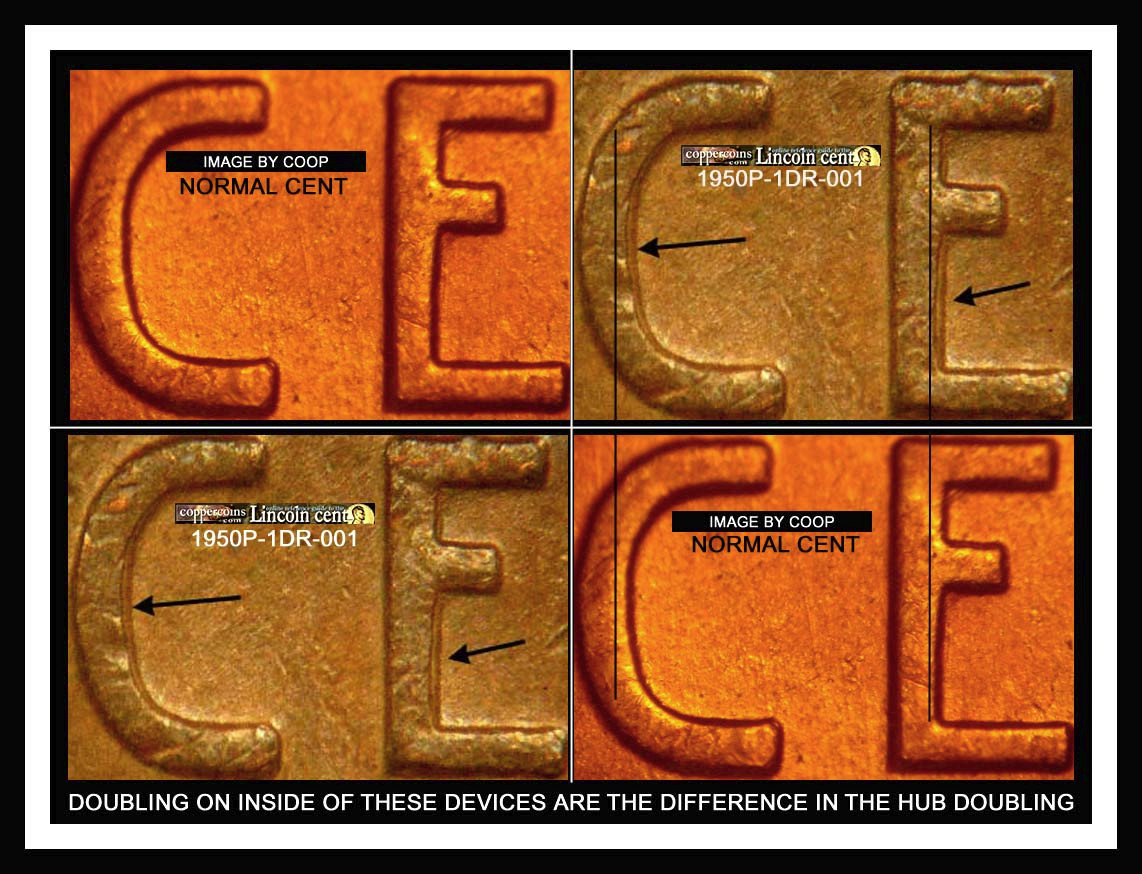
The side by side showed
why it is listed as a doubled die. Can you see the difference? Note the black lines on the right side of the images. So what appeared as machine damage, was really hub doubling. It all fit into place with the side by sides.
Several different times I've used side by sides to show the differences. Here are a few of these:
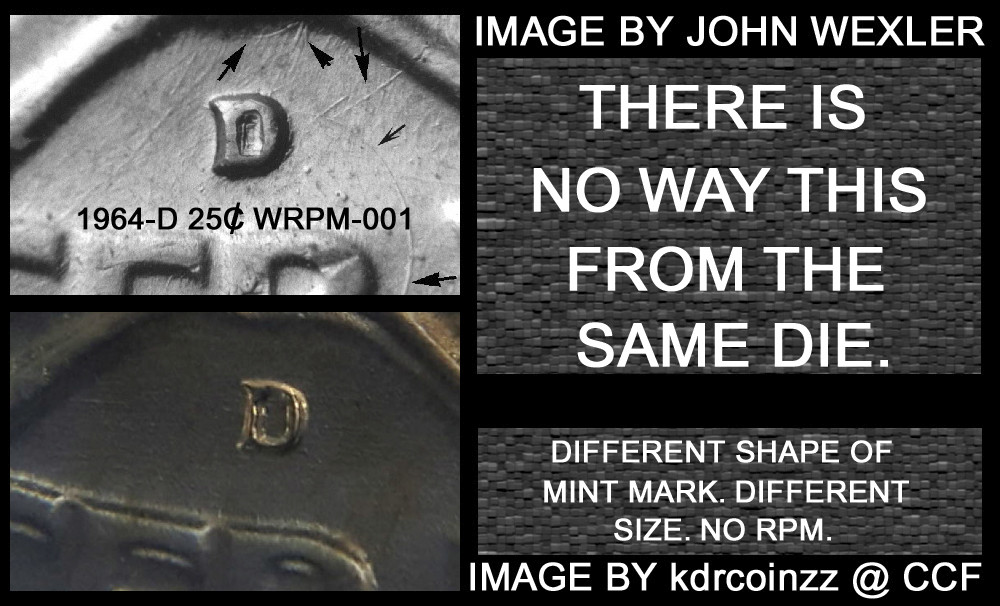
Showing the difference shapes of mint mark between the two examples.

Showing the difference from a regular die coin and a hub doubled die quarter.

Normal die coin and a hub doubled
Ike dollar.
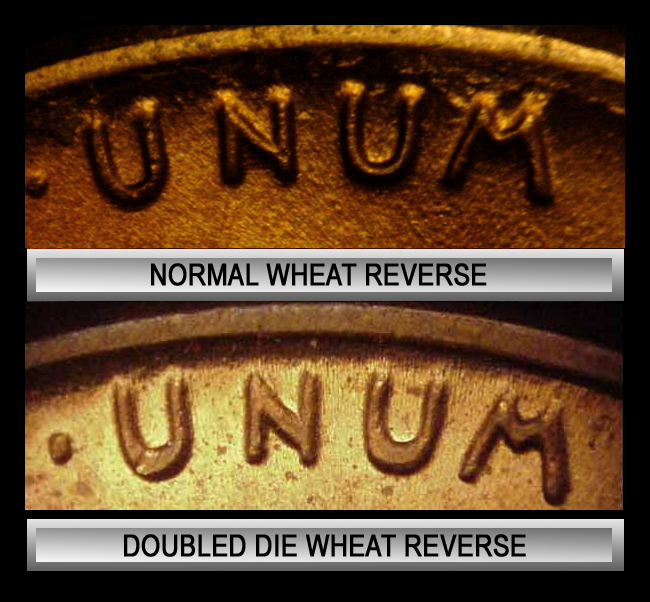
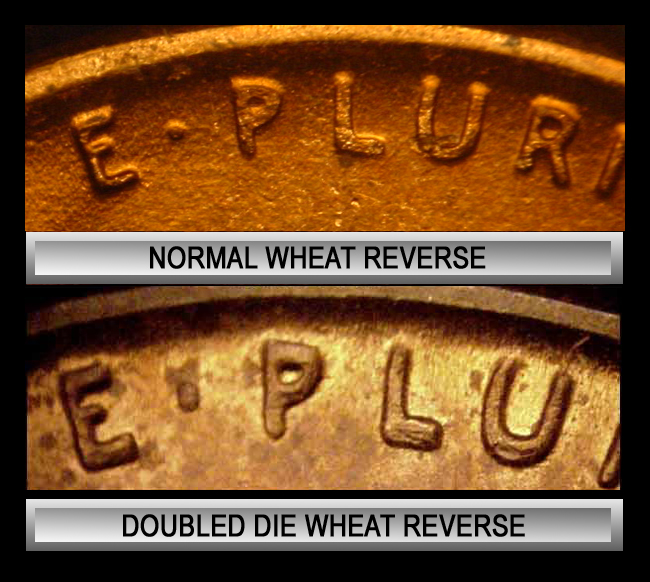
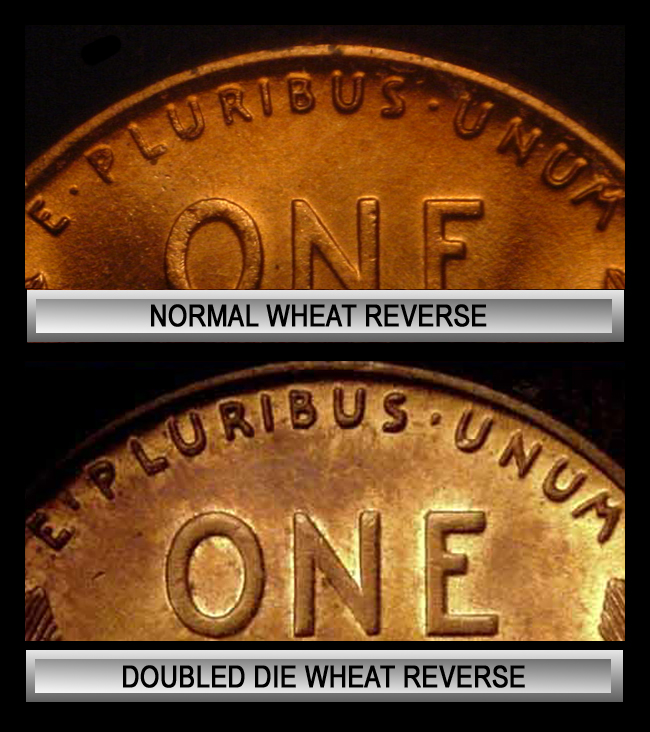
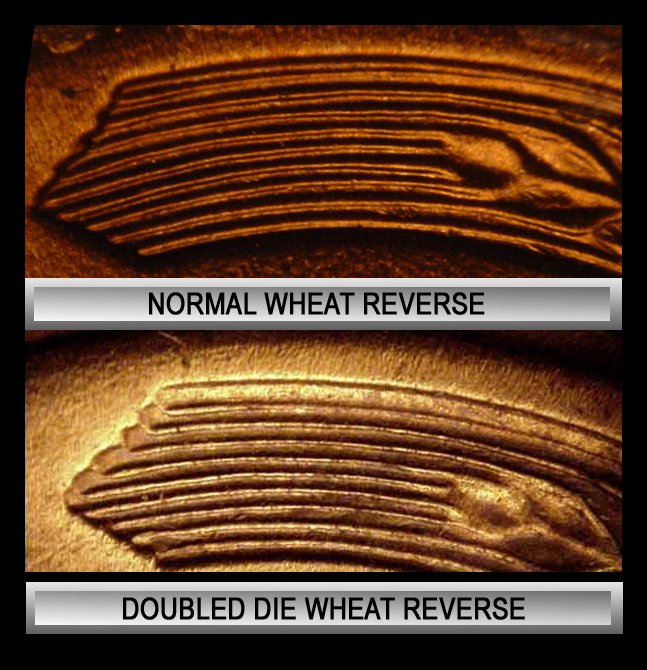
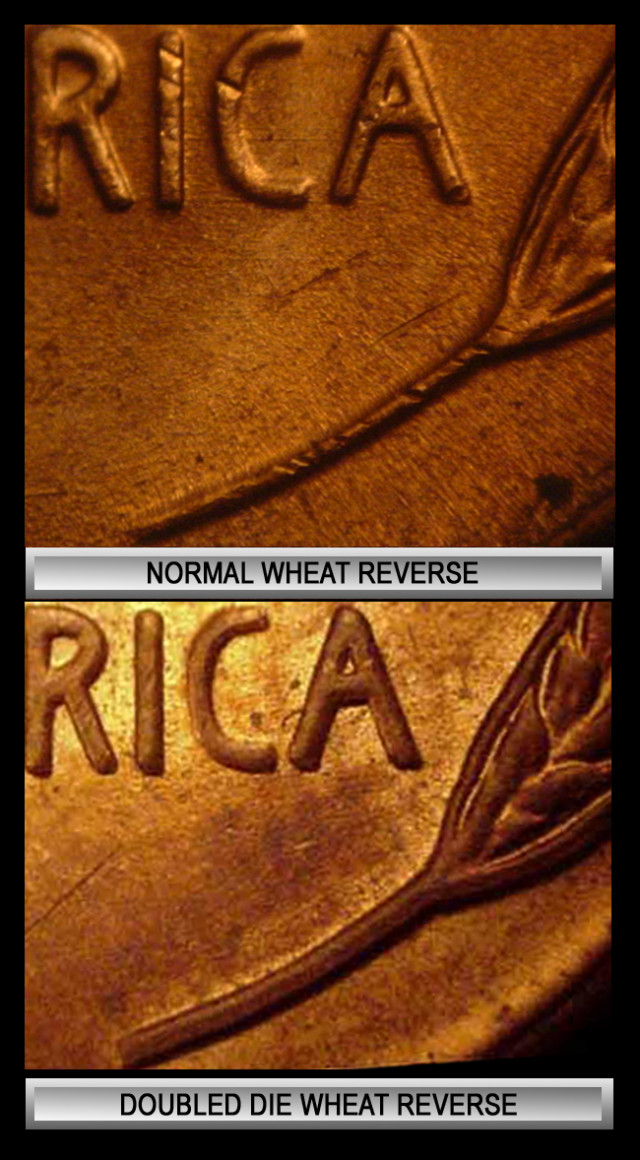
Showing the differences between a normal
Wheat cent and hub doubling on the same series.
Side by sides are so nice because the show the differences/alikeness of two images. Use them to you advantage. They help you be able to show others what you are trying to say a lot easier.




 Posted 07/26/2015 03:06 am





