| Author |
 Replies: 7 / Views: 4,422 Replies: 7 / Views: 4,422 |
|
|
New Member
United States
24 Posts |
I re-sized photo's, thanks for the responses, I will read the link when I get home. Already read that link, was the reason I posted pics, thanks though!  The words/devices? are blurry in regards to the end of 'Pluribus' and mashed together, the 'I' and 'B' appear joined together? All comments, opinions, etc. welcome. 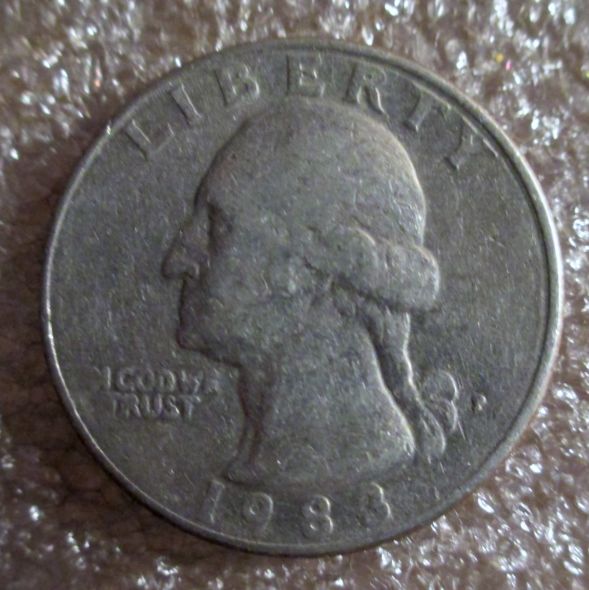 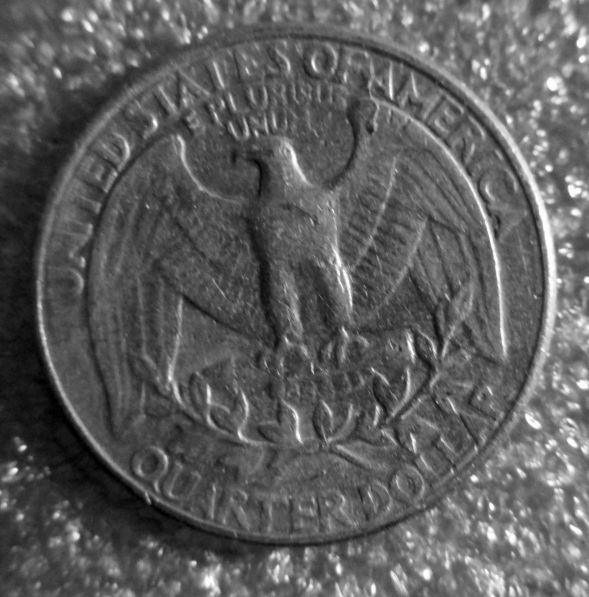 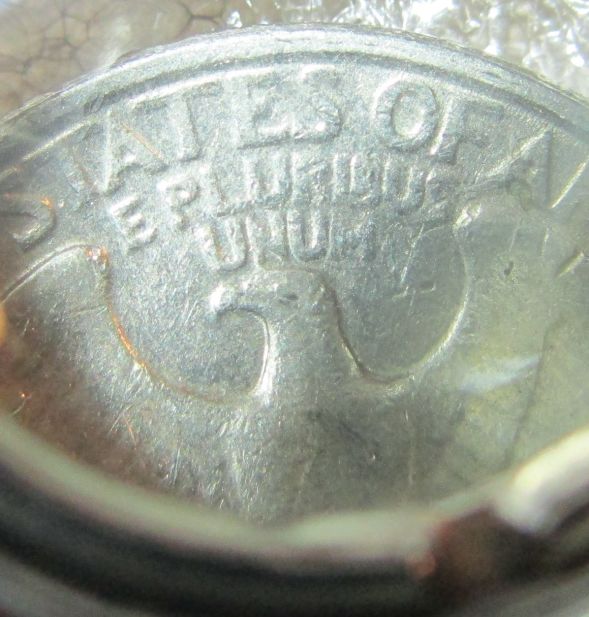 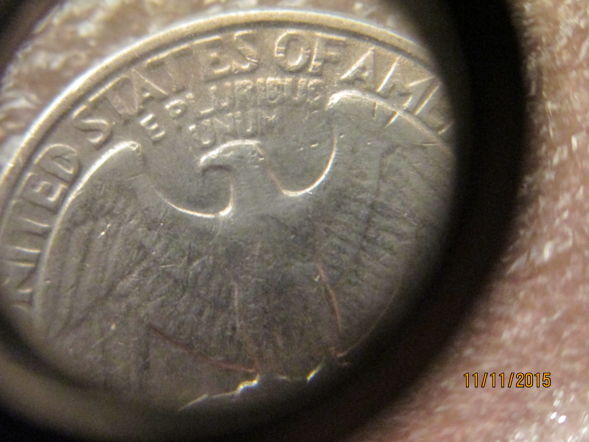 Edited by Rose5
11/12/2015 8:01 pm
|
|
|
|
New Member
 United States
24 Posts |
Edited by Rose5
11/12/2015 8:03 pm
|
|
Rest in Peace
United States
7075 Posts |
|
|
Bedrock of the Community
United States
62064 Posts |
It is probably most affected by circulation wear on the coin? Hard to tell what you are seeing with the real small images.
|
|
New Member
United States
24 Posts |
I re-sized the pictures, and the link provided is the one I had read that led me to post the pictures, thanks for bringing both to my attention! This coin has the appearance of being the last on the line before the die was pulled, my mistake was stating 'Unum' needed to be observed, actually the 'Pluribus' is the problem. Reminds me of the US nickel that reads 'Pluridus'. The I B are run together....then encompassing the U. I really need an explanation of this error (?), it is not PMD. Sure hoping the new pictures help. |
|
Pillar of the Community
United States
4809 Posts |
Hi Rose - looks like circulation wear. It may have started out as a bit of Struck Through Grease which would flatten/obliterate devices to varying extents. But this looks more like circulation wear as coop pointed out. |
|
New Member
United States
24 Posts |
Well, must ask..how does circulation wear cause the devices to run together without showing signs of smashing? The devices are much larger than need be, they appear to have been 'wet' when punched? There are absolutely no marks to show a hit or anything to show anything else...Coop said possibly Struck Through Grease, though..hmm. I appreciate your response for certain, yet... I'm not seeking monetary value, though I have noticed a trend regarding new posters that points to answers given from the oldsters as given in the manner that many are seeking value....no offense really. This coin is different and should be viewed in such a light. I'm way beyond thinking everything I come across is worth gads of money. I have been buying and selling items of many different venues for many years. I will not post coins seeking anything but answers for some anomaly that I can't find another answer for online through extensive searching. Something else I have noticed from this forum is that the oldsters (!) tend to downplay items and when the item turns out to be a new find, well, the congrats pour in. None of us know everything and no one knows it all. Words to live by! So,very LSD is my coin. Hard for anyone to give an exact opinion without coin in hand. Thanks again, be safe, be secure and don't take ant wooden nickels.(unless you collect them) JMHO. (thanks to Buddy for the link regarding 1983's) |
|
Bedrock of the Community
United States
62064 Posts |
When a coin is Struck Through Grease, the devices are wider because the deepest part of the die was filled preventing the devices to be fully formed. But the down side is that these devices are weaker depending on how much die blockage there was. On a circulated coin the devices tend to round outwards in all directions, but still appear as looking as strong devices, that are wider. While continued wear makes them eventually go away, the outside edge of the coin is rounded a bit from the upset process of the blank turning it into a planchet. This rim make the rim edge we see between the edge of the die and the edge of the coin, rounded in that area. This prevents the coin from wearing away quickly. When this rim is deteriorating from continued circulation wear, then the devices on the outside edge of the coin weaken quickly. On the OP's coin, the rim is still in tact, but the devices are starting to show the wear we see from circulation. On the area "STATES OF" we can see die flow in the fields, indicating the die is in the LDS (Late Die State) showing the devices with a weakness. So you coin was struck with an ageing die, leaving the devices weakened. Then figure that coin is showing circulation wear now. All these events are common and add no premium for this. Just another circulation coin. |
| |
Replies: 7 / Views: 4,422 |
|










 Posted 11/12/2015 12:21 pm


