| Author |
 Replies: 18 / Views: 3,462 Replies: 18 / Views: 3,462 |
|
Pillar of the Community
United States
1285 Posts |
Just returned from a coin show (gotta love 'em) with these two nice notes: == 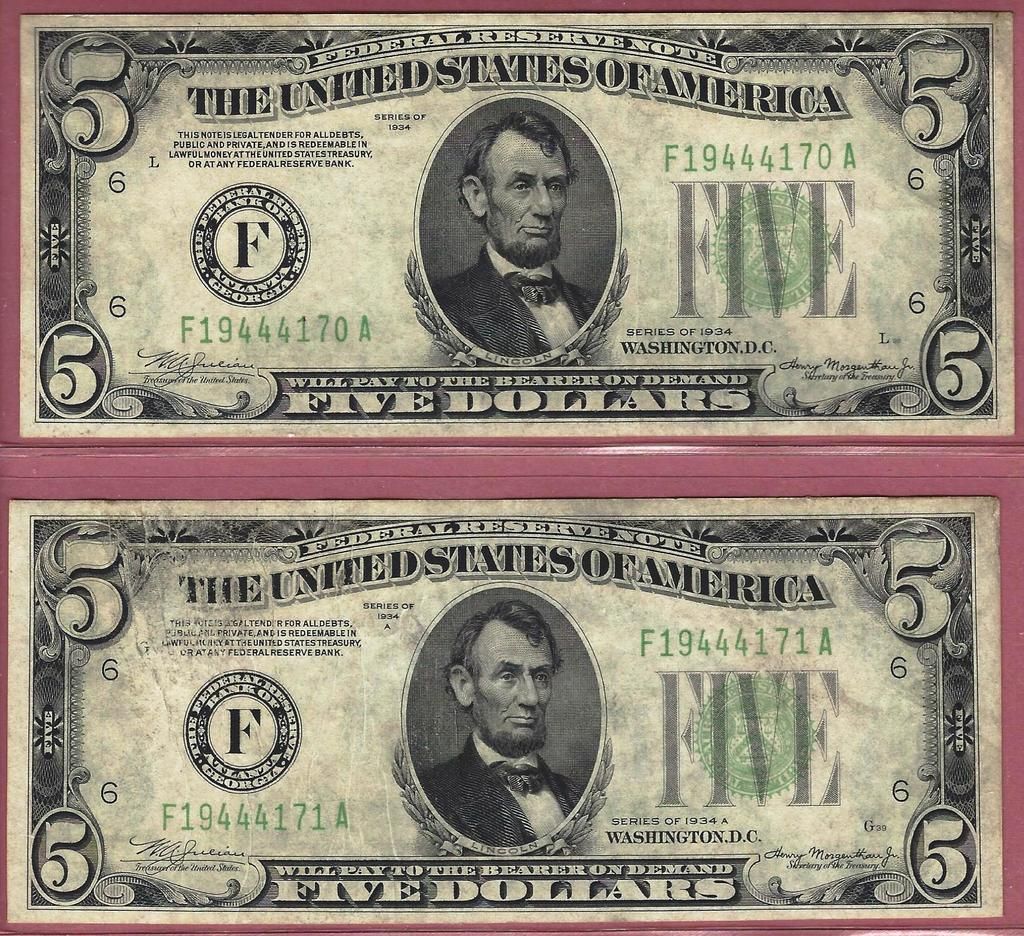 == 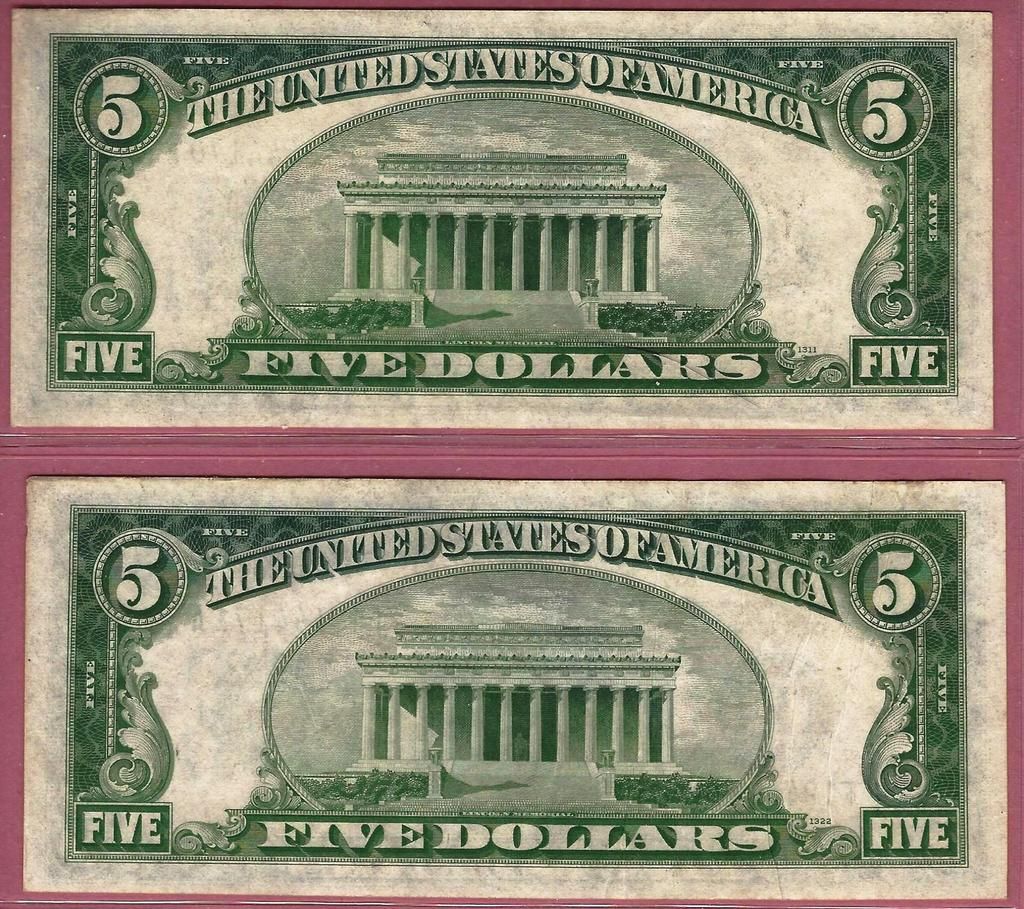 |
|
|
|
Bedrock of the Community
United States
94367 Posts |
Let me just say how super and rare this pair is, especially circulated like this. How they ever ended up together is amazing. Way to go, tech.  |
|
Rest in Peace
United States
7075 Posts |
 Amazing, indeed. |
|
Pillar of the Community
Germany
645 Posts |
This pair is pretty cool, congrats.
|
|
Rest in Peace
United States
17900 Posts |
Wow. Congratulations. That is an amazing pair.
|
|
Bedrock of the Community
 United States
12910 Posts |
What are the chances.... wow. Nice pair.
|
|
Pillar of the Community
 United States
1285 Posts |
Quote:
Let me just say how super and rare this pair is, especially circulated like this. How they ever ended up together is amazing.
Way to go, tech. Coinfrog, how super and rare? First pair I've ever had in all my years of collecting. Edited by techwriter
01/31/2016 2:43 pm
|
|
Bedrock of the Community
United States
94367 Posts |
tech - not my field, I'm afraid. I do know that most of these sets I've seen are in high grades. You might try sending an e-mail with your pics to Don C. Kelly (you'll find his site on Google).
|
|
Valued Member
United States
108 Posts |
I thought a change over pair was the back plate numbers going from Mule to Non-Mule while the obverse serial numbers are in susquential order.
|
|
Valued Member
United States
108 Posts |
Sorry forgot to put from the same year.
|
|
Pillar of the Community
United States
4616 Posts |
Jaw dropping
-----Burton 50+ year / Life / Emeritus ANA member (joined 12/1/1973) Life member: Numismatics International, CONECA Member: TNA, FtWCC, NETCC, EveryCountry (online) coin club Owned by three cats and a wife of 40+ years (joined 1983) Author: 3rd Edition of the Sample Slabs book, https://www.sampleslabs.info/ |
|
Bedrock of the Community
United States
94367 Posts |
Missouri - you are not wrong. Just to clarify - A "changeover pair" simply describes notes with 2 consecutive serial numbers that have different series #s, or sigs, or mule #s, or wide/narrow designations. There are many possibilites.  Edited by Coinfrog
02/01/2016 9:39 pm
|
|
Bedrock of the Community
United States
12910 Posts |
This one is particularly interesting, IMO. Both FA, one series apart, same sigs (Julian and Morganthaler are awesome sigs BTW), one SN digit apart.
Now that I just typed that, it makes me wonder, what is the difference between 34 and 34A? Same sigs, so something else had to change besides office.
|
|
Bedrock of the Community
United States
94367 Posts |
Changeover pairs are endlessly fascinating, and they basically exist because of the high cost of engraving new plates. In short, the BEP kept using older plates along with newer plates even after the signature combos had changed. In other words, they might be printing two different series/sig combos consecutively on the same day, not to mention other stuff like wide/narrow variations. This makes sense when you remember that the serial number is the third printing (EMPHASIS)), so with random plates in position, all kinds of goofy changeover pairs came into being. There are also "reverse" changeover pairs, as you might imagine under this scenario, where sequentially numbered notes show the PRIOR series # or sig combo, etc. |
|
Pillar of the Community
United States
959 Posts |
Took me a second to see the difference....AWESOME!  |
|
Pillar of the Community
United States
1285 Posts |
Thought I would add a little to the discussion regarding how the changeover pair can happen. First, it is best to remember that at the time the small size notes were printed on 12-note sheets, then cut into 6-note sheets for printing of the serial numbers. Also it is important to note that during this time consecutive numbering was being used to print the serial numbers. I've included a link to a super site all about U.S. paper money. Click the link and then scroll down the page to the section Consecutive Numbering, 1861-1953Hope this helps. http://www.uspapermoney.info/general/arithm.htmlEdited by techwriter
02/03/2016 11:25 am
|
| |
Replies: 18 / Views: 3,462 |







 Posted 01/30/2016 8:49 pm





