| Author |
 Replies: 12 / Views: 1,805 Replies: 12 / Views: 1,805 |
|
|
Pillar of the Community
United States
790 Posts |
|
|
|
|
Moderator
 United States
56855 Posts |
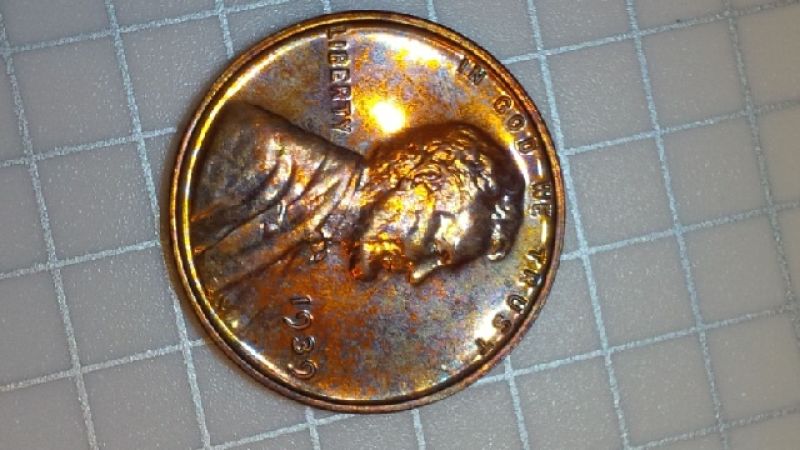
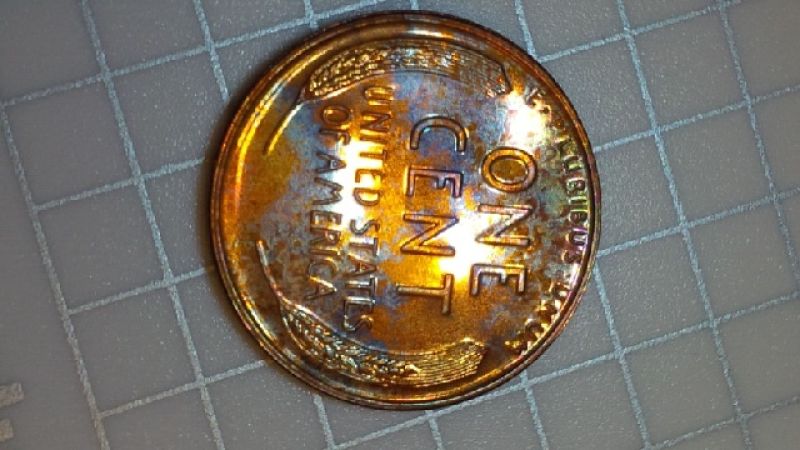
Corrosion from cleaning and or ATing. John1  |
|
Moderator
United States
54297 Posts |
"raised pit" Hmmm, just trying to imagine that.  Show your financial support of the Coin Community Family (click here)See my topic on Mexican Numismatic Medals (click here) |
|
Pillar of the Community
United States
4963 Posts |
I agree with John1, it looks like AT (artificial toning).
|
|
Pillar of the Community
 United States
790 Posts |
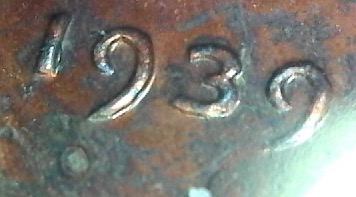
When I say raised pit, I mean the rim is raised above the surface of the coin. Also, how can that bump on the right side of the first 1 be from corrosion?
|
|
Pillar of the Community
United States
3360 Posts |
The raised bump is most likely a small die chip. The raised pit is most likely corrosion. No premium for the chip and a negative for value on the corrosion. (Someone correct me if I am wrong).
|
|
Pillar of the Community
United States
790 Posts |
I agree about corrosion INSIDE The pit. But can corrosion explain the raised ring around the pit? Again, that ring is ABOVE surface level. I'm not arguing. Just trying to understand. I guess I thought that corrosion would, if anything, cause a depression, not a ridge.
|
|
Bedrock of the Community
United States
17884 Posts |
Quote:
But can corrosion explain the raised ring around the pit? Yes corrosion can cause a raised area if the corrosion has worked its way under the surface. The corrosion products have a greater volume than the original metal and can push up the metal if it is very close to the surface. Think about what zinc rot does on the Zincoln cents |
|
Bedrock of the Community
United States
94367 Posts |
|
|
Pillar of the Community
United States
1027 Posts |
The pit with raised rim could also be the result on an impact by a pointed object, just like a meteor crater but a billion times smaller. The raised metal may have originally been where the pit is now. I also think the toning looks like heat treatment.
|
|
Bedrock of the Community
United States
62064 Posts |
A chip would be more likely to be next to a device. If it were a die dot, the it would be raised. So I'm thinking it is more of a contact issue. But better images would show us more.
|
|
Pillar of the Community
United States
790 Posts |
Sorry, Coop, I didn't see your post until this am. I tried to get better photos, but can't do any better with the equipment I have. However, after moving the coin around and looking at different angles at that 1, the bump only shows up at that particular angle, which leads me to believe it's something about the light at that angle.
So here's a practical question: if the coin IS AT'd, obviously that drops the value substantially. Does it still have ANY numismatic value, or is it now a spender?
|
|
Bedrock of the Community
United States
12437 Posts |
It absolutely still has decent value, it would probably sell for $30-50 on ebay. Pre-WWII proof Lincolns are pretty tough coins, your 1939 has a tiny mintage of 13,520. I am not convinced it is deliberate artificial toning, the original packaging of early proofs was not of a high quality so many coins suffered from improper storage which can cause less-than-ideal toning conditions. |
| |
Replies: 12 / Views: 1,805 |
|











 Posted 10/12/2016 08:15 am


