| Author |
 Replies: 10 / Views: 2,167 Replies: 10 / Views: 2,167 |
|
|
New Member
Romania
6 Posts |
Dear friends, recently I have purchased three coins supposed to be original ones. My suspicion regarding this coins are related to: 1. weight - under: 10,4 gr, 10,8 gr and 25,4 gr. 2. general aspect - porous surfaces, casting bubbles?, neat margins? What do you think? Thank you! 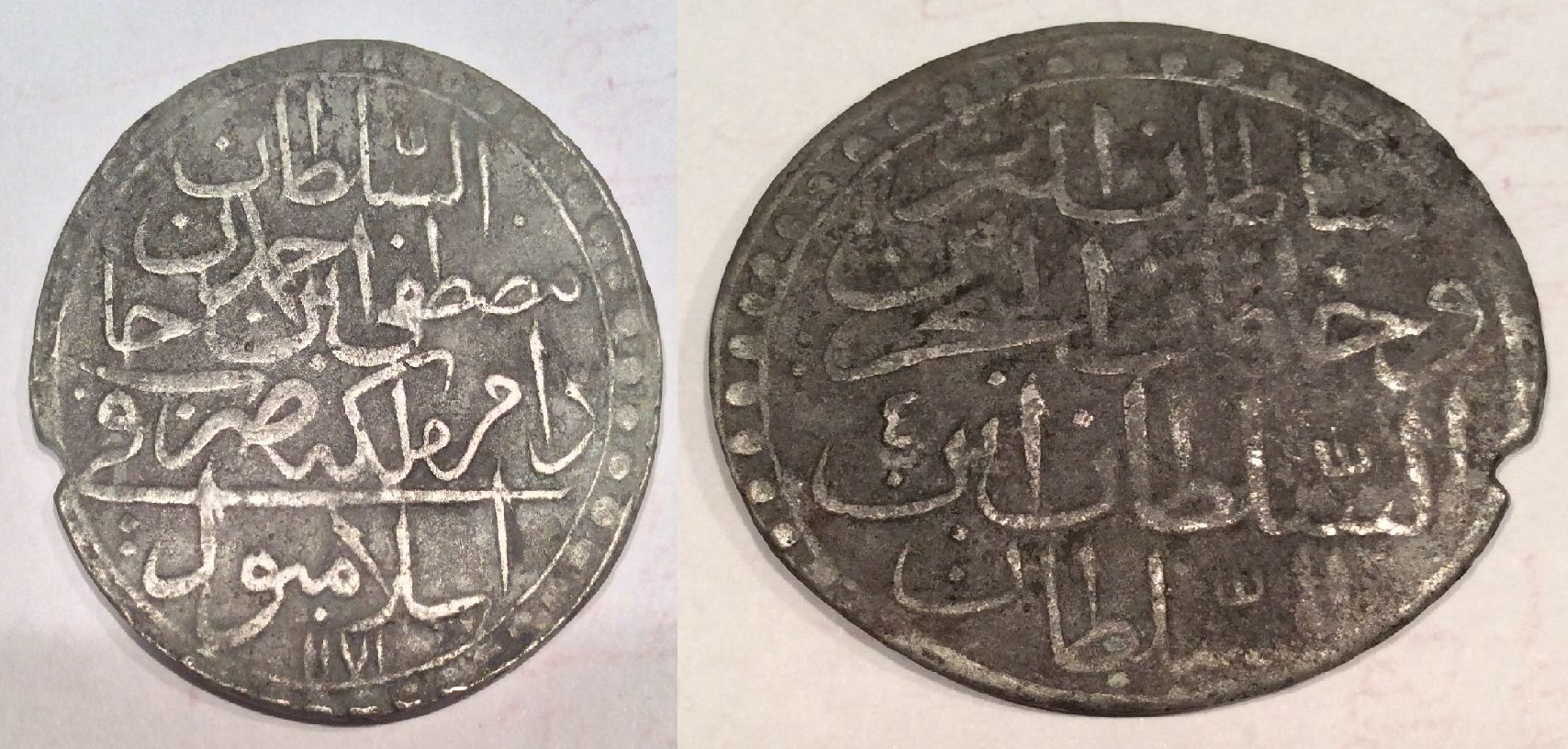 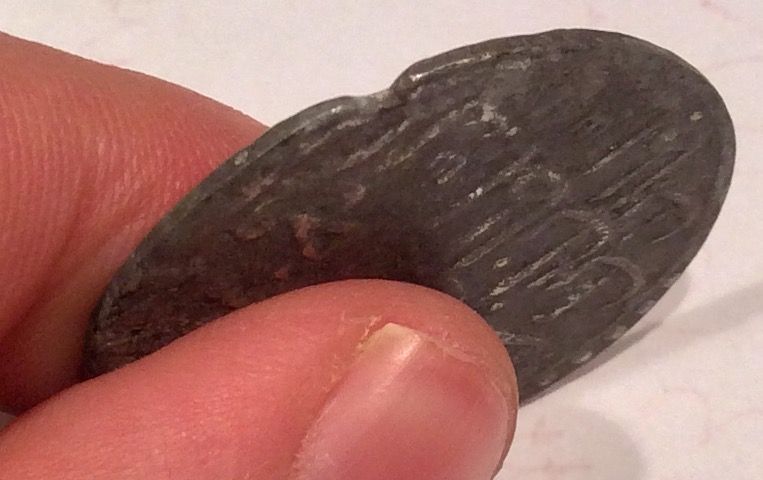 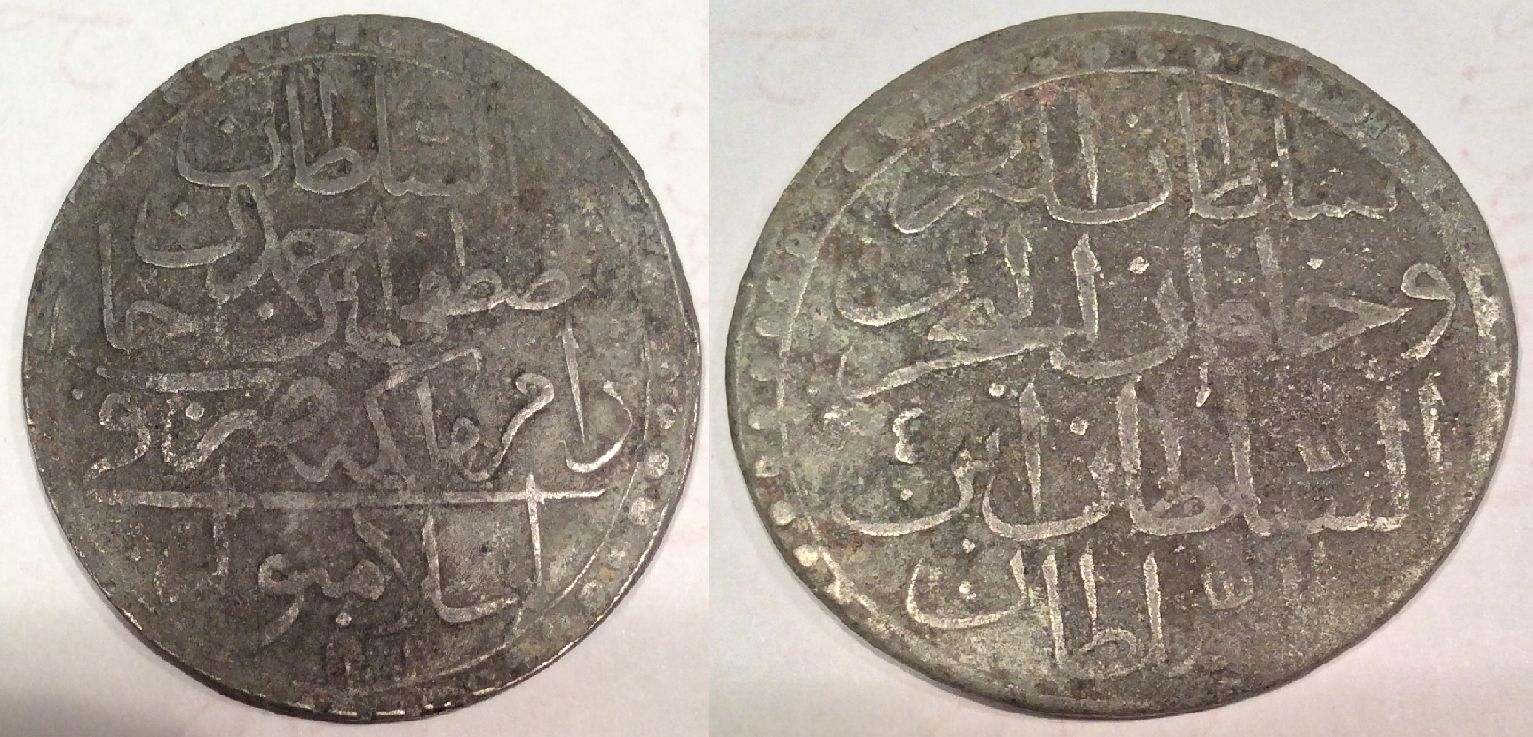 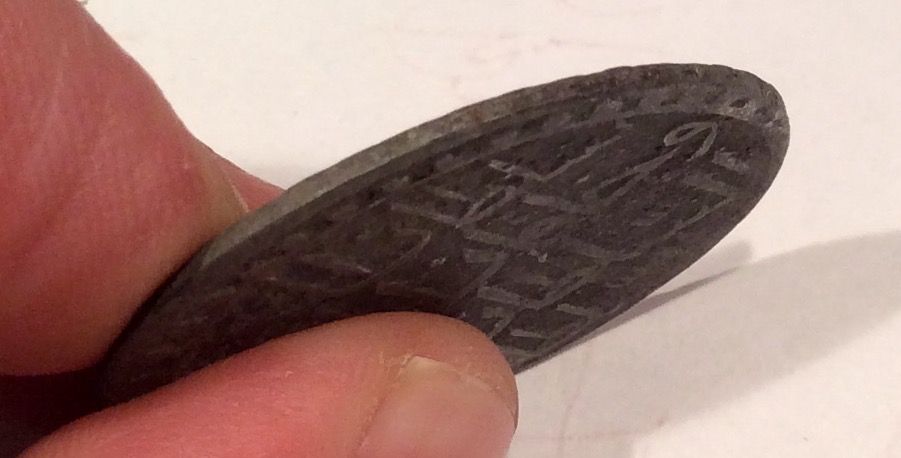 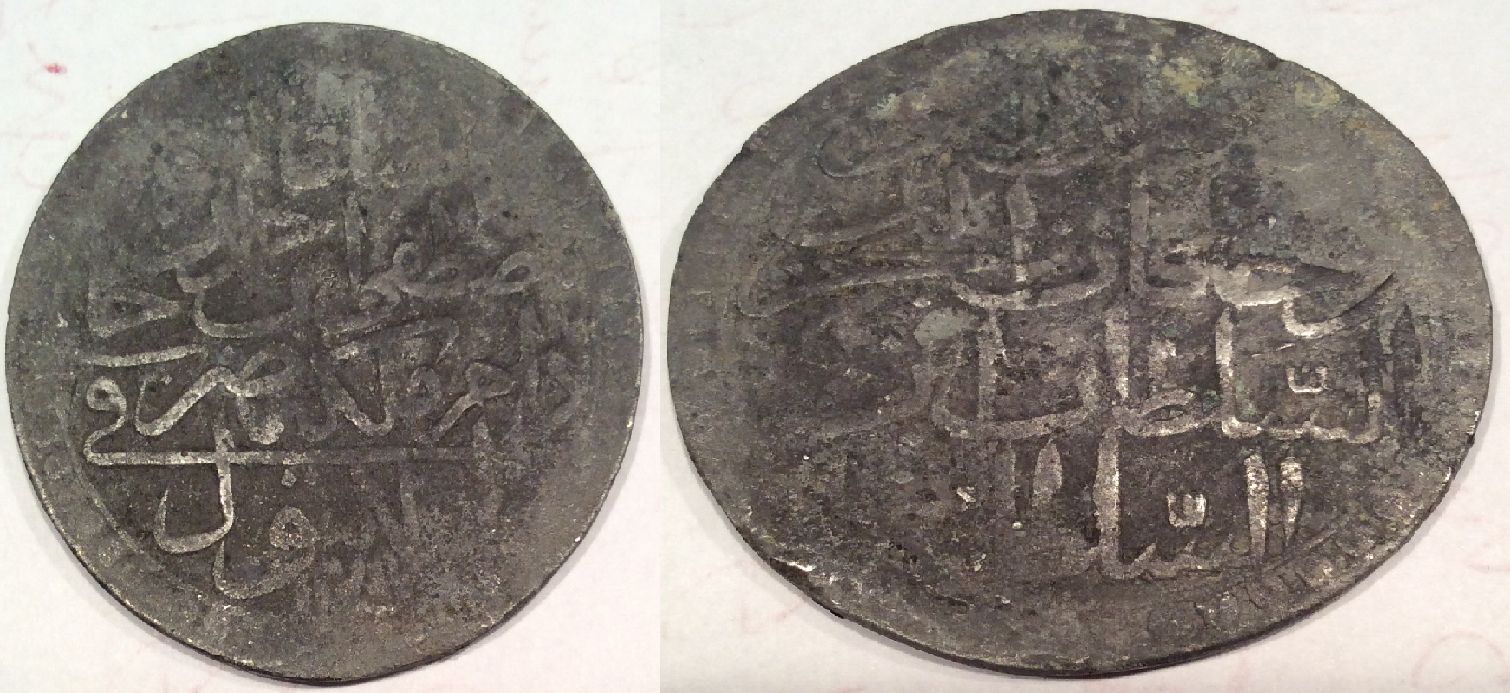 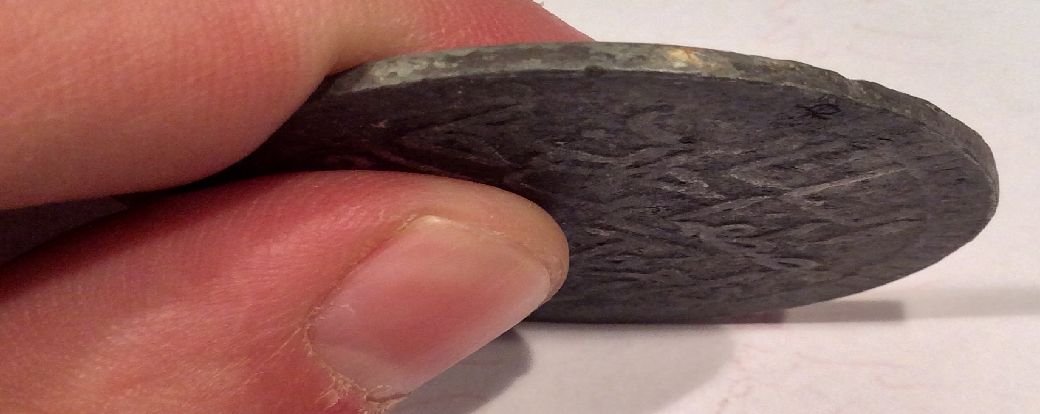 |
|
|
|
Moderator
 United States
34565 Posts |
@Ionutbd, first welcome to CCF. Second, it is good to be cautious. Do these pieces attract a magnet? They seem to be remarkably heavy (25 grams!) for their size. Can you also include their diameters?
"If you climb a good tree, you get a push."
-----Ghanaian proverb
"The danger we all now face is distinguishing between what is authentic and what is performed."
-----King Adz
Edited by Spence
10/21/2016 05:44 am
|
|
New Member
 Romania
6 Posts |
The first two ones are 35mm diameter and 10,8, first one, and 10,4 grams the second one.
The last one has 42mm diameter and 25,4 grams.
Thank you!
|
|
New Member
Romania
6 Posts |
They dont attract a magnet :)
|
|
Moderator
United States
34565 Posts |
Ok good, they are pretty large size. Are they about 2 mm thick? I'll need to do a little digging for information.
"If you climb a good tree, you get a push."
-----Ghanaian proverb
"The danger we all now face is distinguishing between what is authentic and what is performed."
-----King Adz
Edited by Spence
10/21/2016 05:59 am
|
|
New Member
Romania
6 Posts |
The smaller ones are 1mm thick and the large one is 2mm thick
|
|
Pillar of the Community
2087 Posts |
They look very typical of the type. They are typically billon coins of very low silver content. The ottomans produced them in imitation of European Thalers, using spanish dollars Lion thalers. I see nothing that suggests they are fake
|
|
New Member
Romania
6 Posts |
|
|
Moderator
United States
34565 Posts |
Sorry for the delay. I agree with austrokiwi as I can't find anything to suggest that they aren't ok.
I think that your coins are all dated AH 1171 (1757/1758 AD) and minted in Istambul. The smaller coins are Zolotas and the larger one is a 2 Zolota. Your coins are actually on the low side of the range of masses, but I would attribute that to circulation wear. As austrokiwi pointed out, the silver content is low on these and so they have darkened up a bit more than a purer alloy of silver would.
"If you climb a good tree, you get a push."
-----Ghanaian proverb
"The danger we all now face is distinguishing between what is authentic and what is performed."
-----King Adz
|
|
Pillar of the Community
United States
5362 Posts |
The first coin looks like a billon Zolota of Mustafa III with the fixed date of AH 1171 (1757). The weights of billon coins are notoriously variable. Krause indicates a weight range of 13.5 to 14.7 grams for the Zolota and 27.70 to 30.10 for the 2 Zolota. The first coin is worn and corroded with possible edge filing and a test cut. The weight given 10.4 grams is underweight for the type, but not impossible. The other two do not look as if the edges have been clipped and there are no test cuts. The weight does seem inappropriate for those.
I would suggest SG except for the fact that the precise alloy is unknown. Billon is a silver copper alloy with less than 20% silver. So the maximum SG would be 9.16 which in my opinion is too close to copper to be successful with anything less than an analytical balance scale.
|
|
New Member
Romania
6 Posts |
Ok. Thank you all!
It is a relief for me knowing that.
|
| |
Replies: 10 / Views: 2,167 |
|




 Posted 10/21/2016 05:46 am





